first impressions
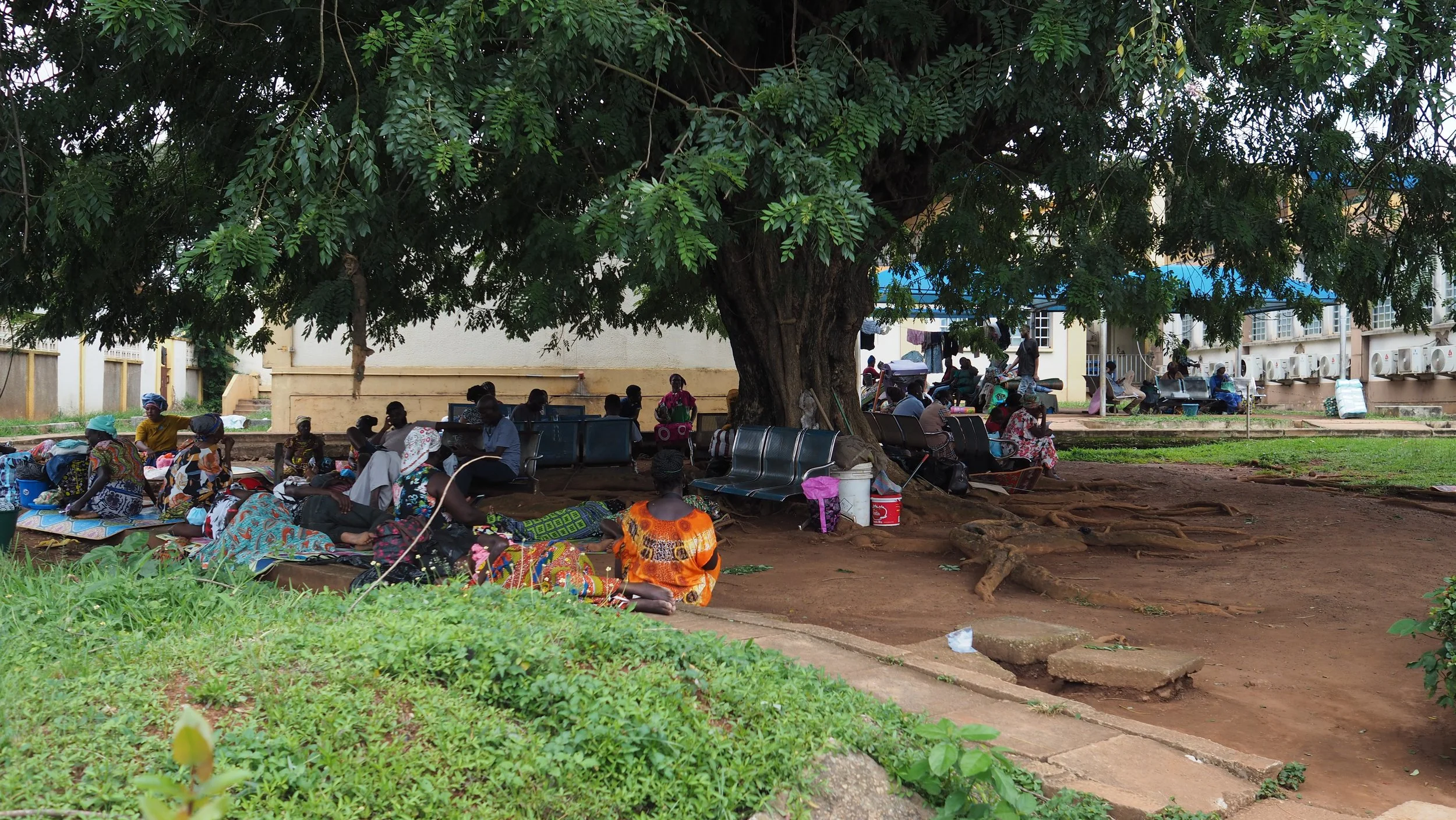
today was all about getting to know the people, the hospital and the workshops dotted around the grounds, serving the different medical specialties. later in the day, we also found some time to explore the nearby market and a local cultural centre.
by way of a quick introduction, the history of komfo anokye teaching hospital (kath) dates back to the 1940s, when healthcare in kumasi was provided through two separate hospitals for africans and europeans, located on a hill overlooking the kumasi suburb of bantama.
as kumasi grew, so did the demand for better healthcare facilities. this led to the construction of a new hospital in 1954, originally called kumasi central hospital. it was later renamed after okomfo anokye, a legendary priest and healer who played a key role in the history of the ashanti kingdom.
the hospital began operations in 1955 and became a teaching hospital in 1975. today, it is one of ghana's major referral and teaching hospitals, providing specialist medical care and training healthcare professionals from across the country.
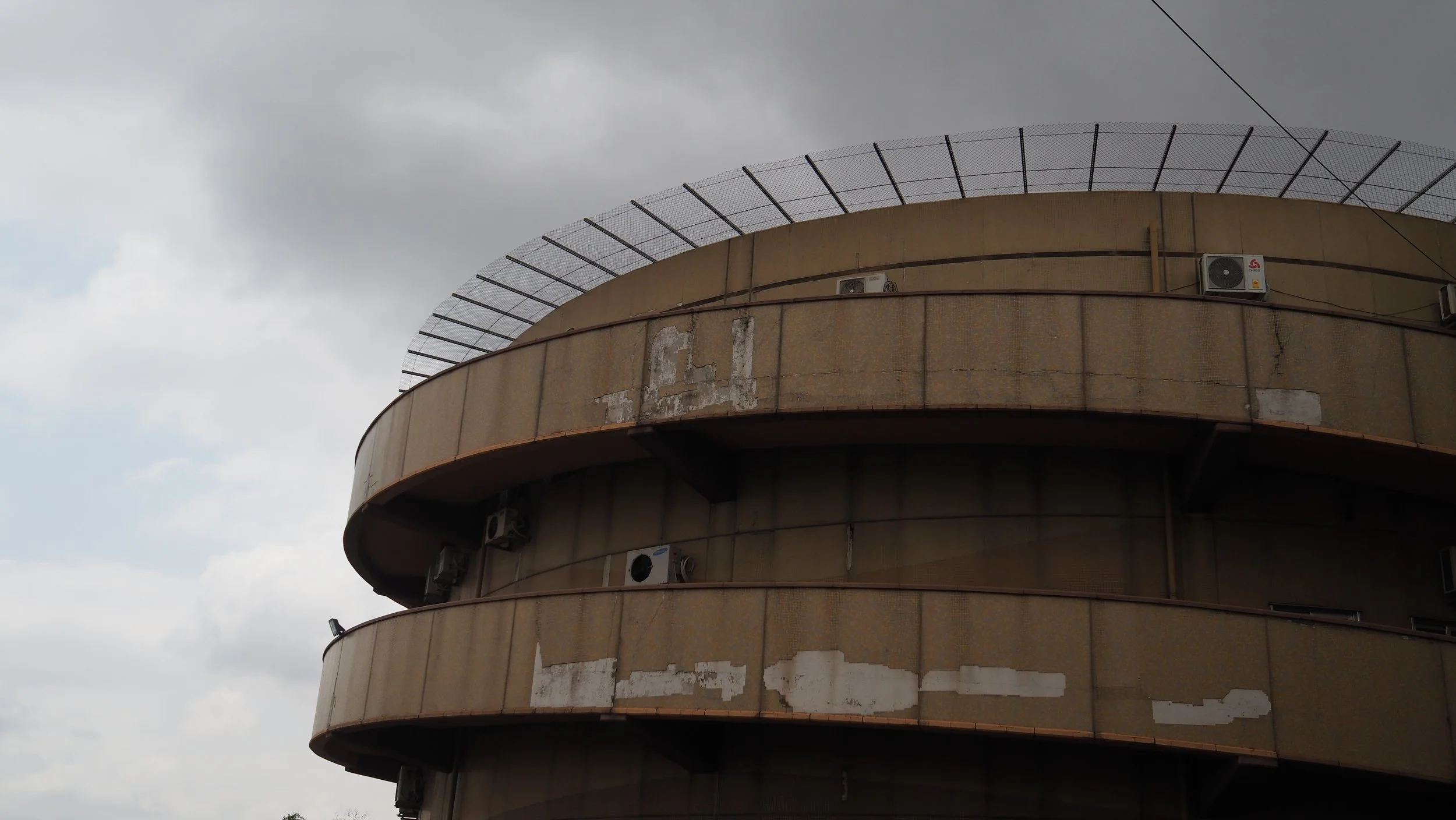
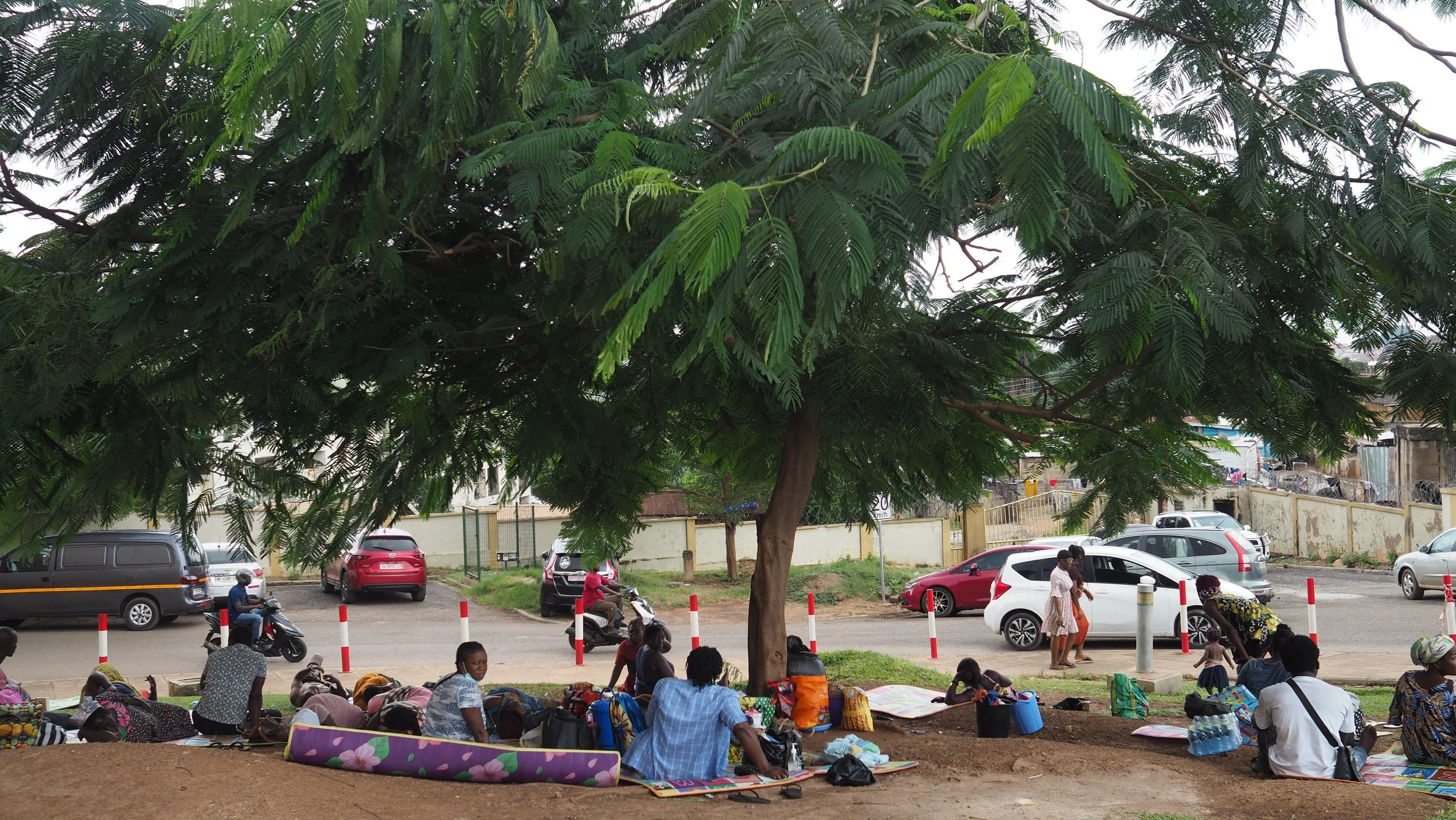
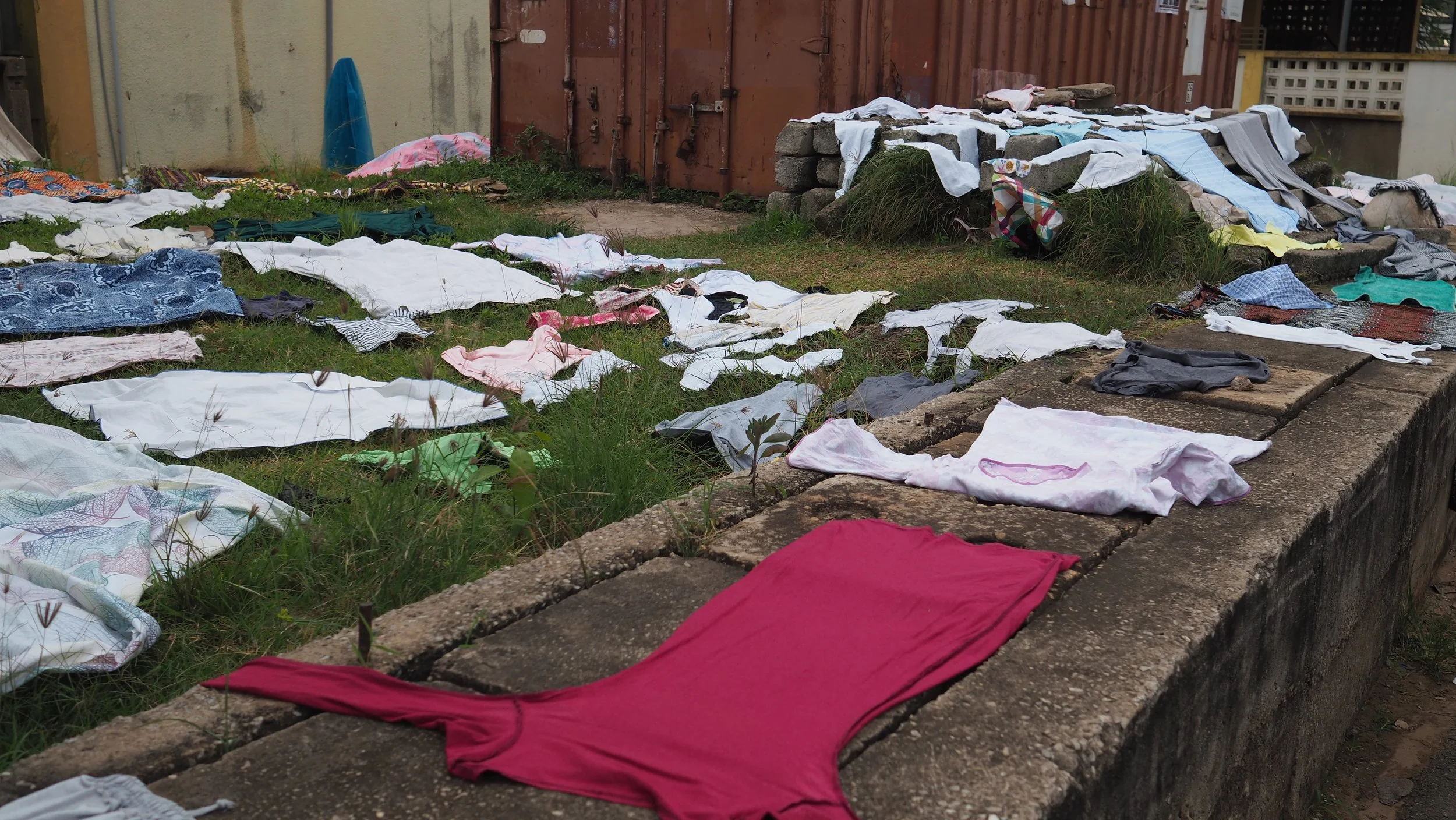
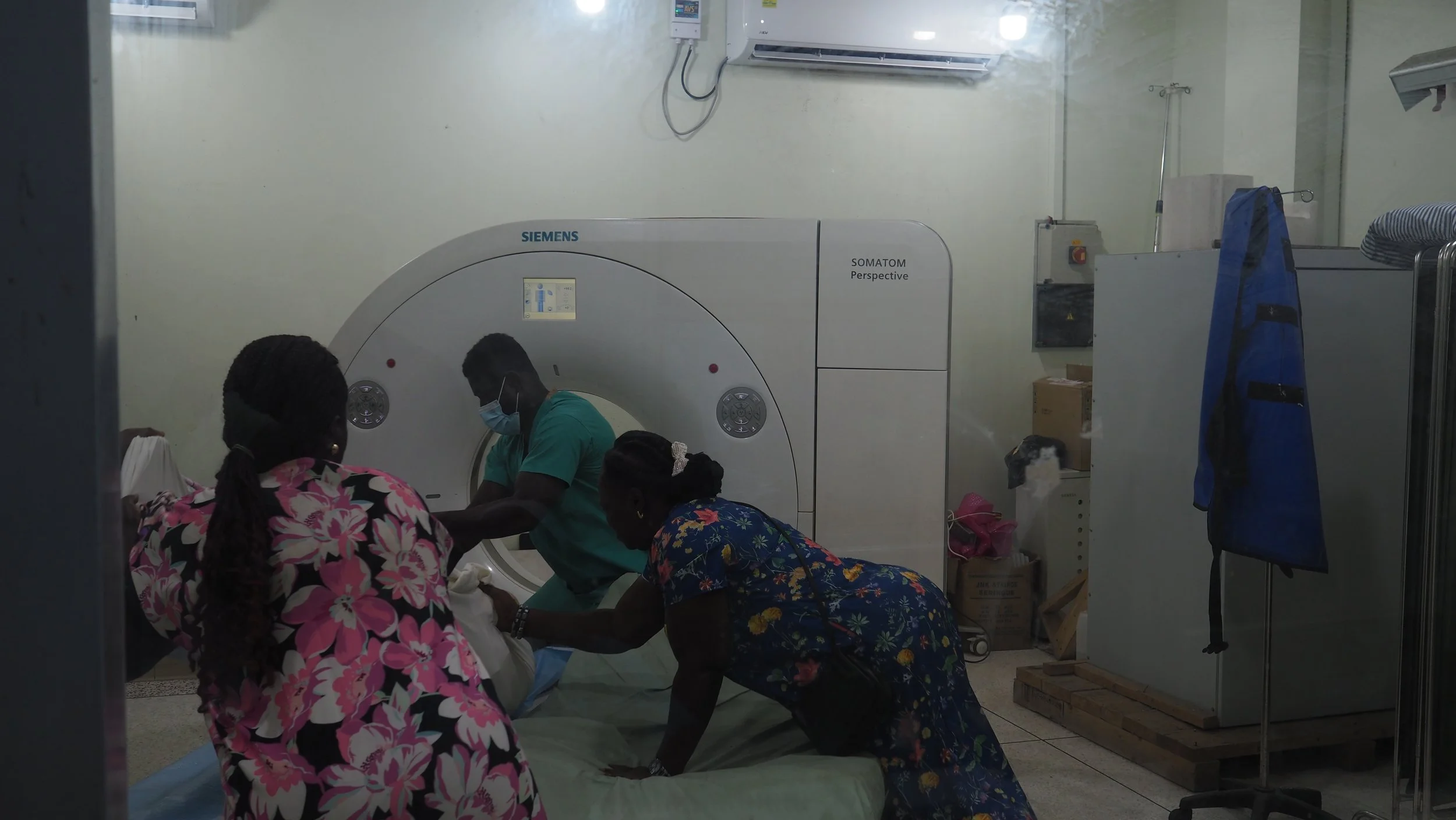
our tour of the hospital took a little longer than planned, but that is hardly surprising when you consider the size of the place, with around 2,000 beds and numerous departments spread across several buildings.
the head of surgery opened the official proceedings, followed by introductions. we even have ghanaian weekday names, as is customary among the akan people. our team consists of kojo, akosua and kobi (that's me). some also address me as komla, another name associated with being born on a tuesday.
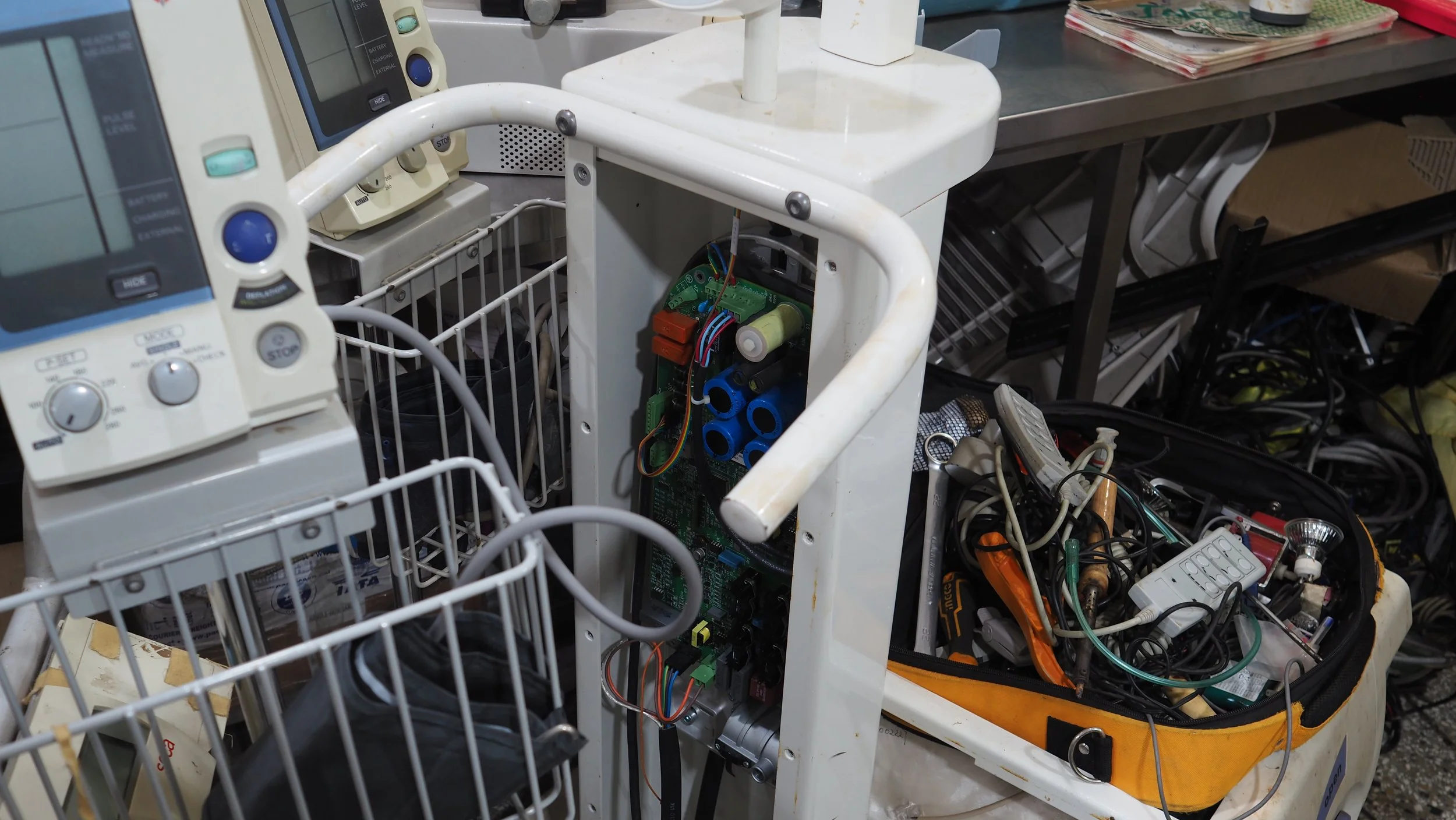
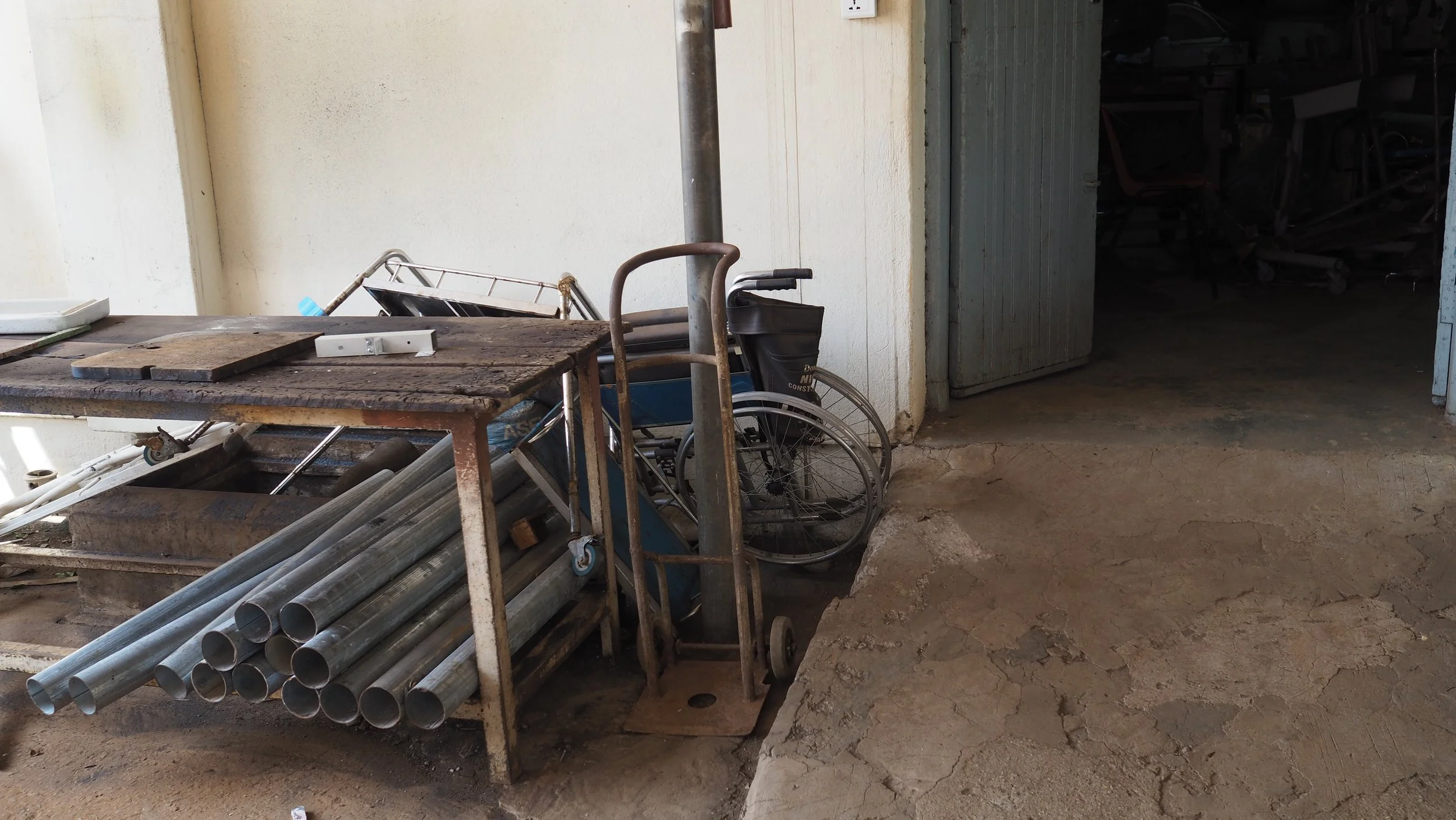
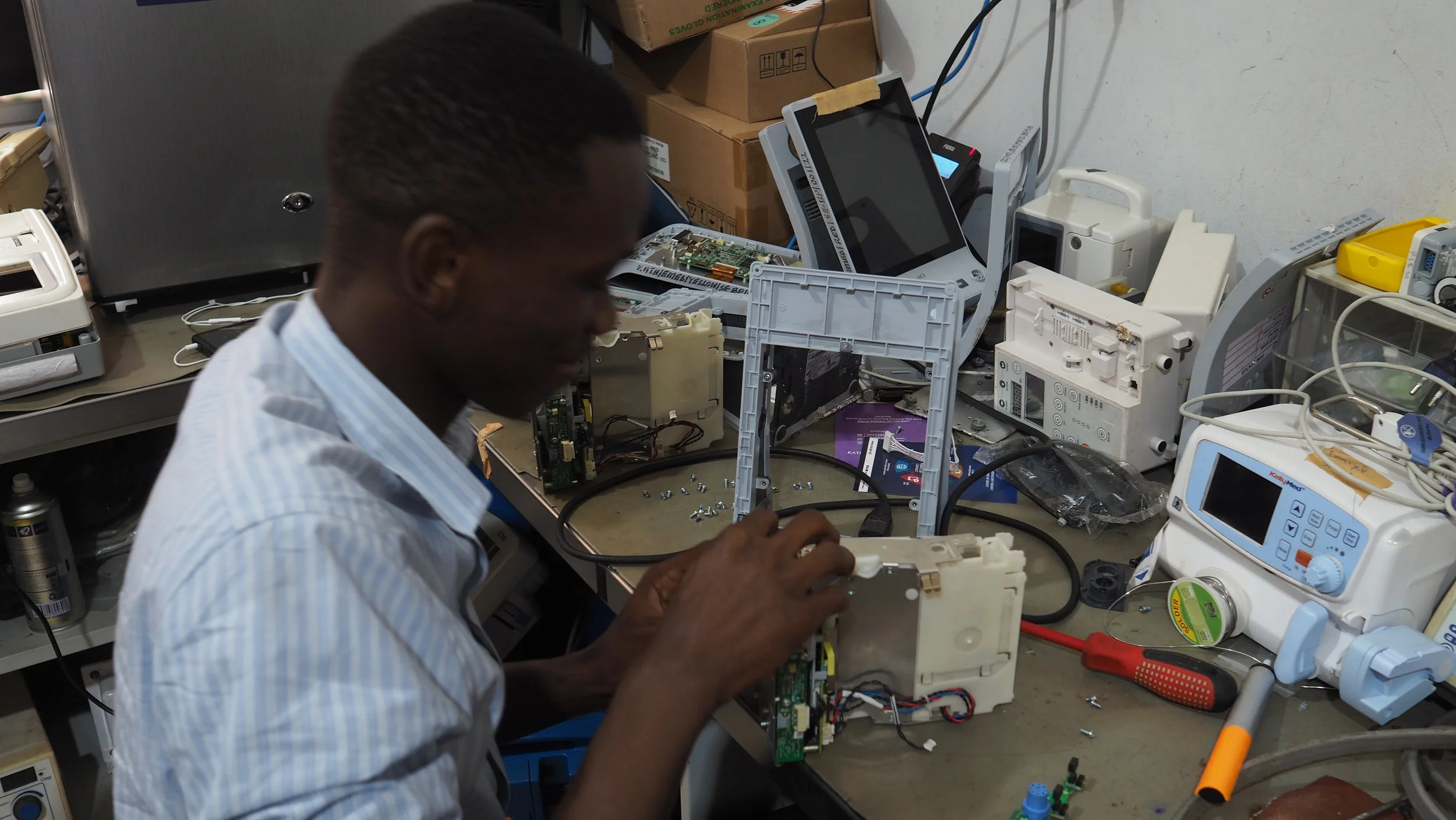
from there, we set off to meet the technicians and engineers in their respective workshops. there are approximately 30 engineers working across seven workshops, along with engineering students who come to the hospital for their practical training periods.
the general principle here is that every engineer should have a working knowledge of all the medical technologies used throughout the hospital. this allows them to step in when colleagues are unavailable and helps ensure that equipment, and therefore patient treatments, can continue without unnecessary interruptions. over time, individual engineers naturally develop greater expertise in particular areas.
most workshops are located in the basements of the buildings housing the different medical specialties. our tour took us through departments covering ear, nose and throat, eye care, obstetrics and gynaecology, internal medicine, paediatric and neonatal intensive care, cancer treatment and the cleft repair centre, among others.
it was a good opportunity to see how the engineering teams are organised, get a better understanding of their daily work and, most importantly, meet the people we will be working with over the coming days.
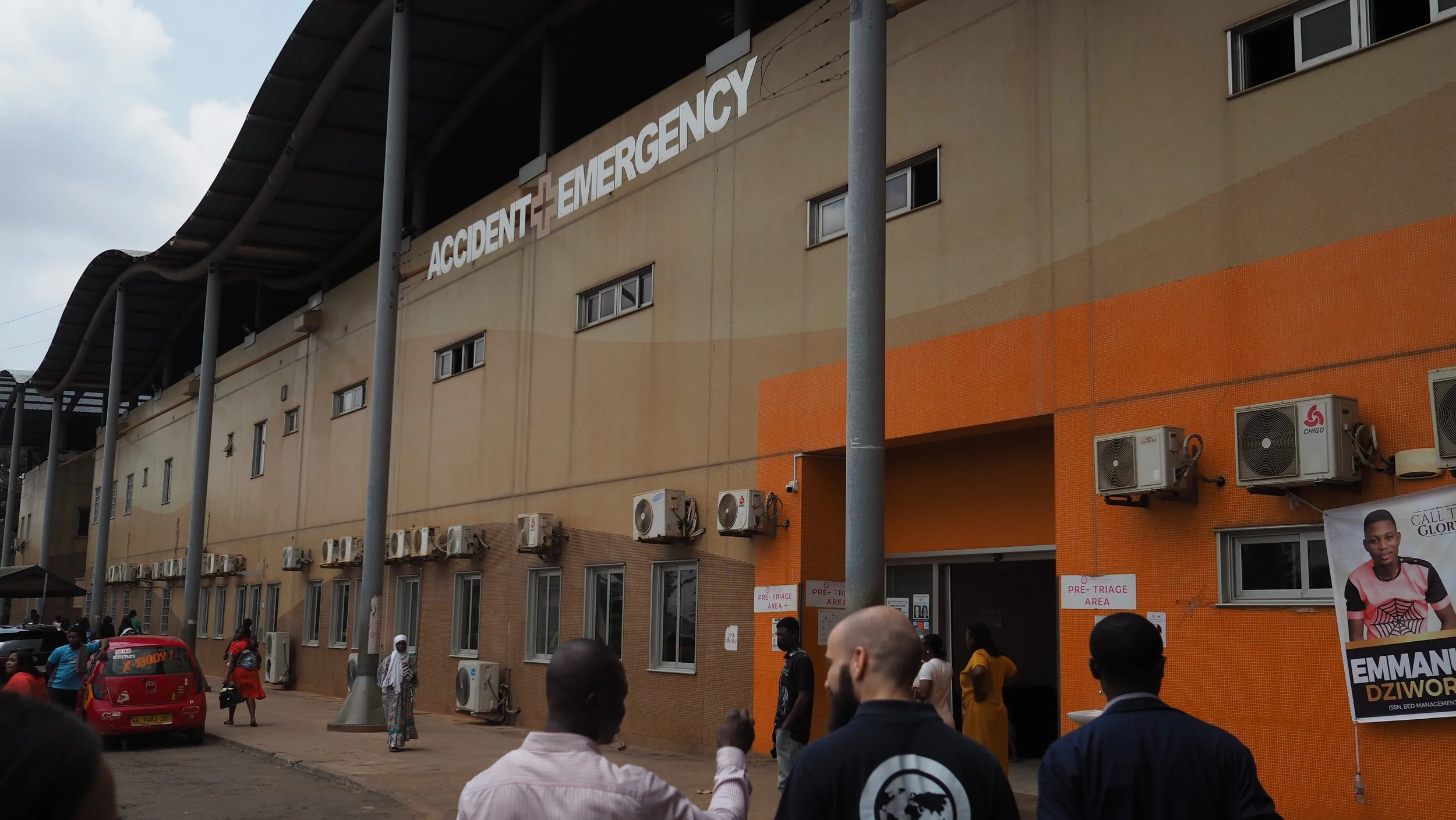
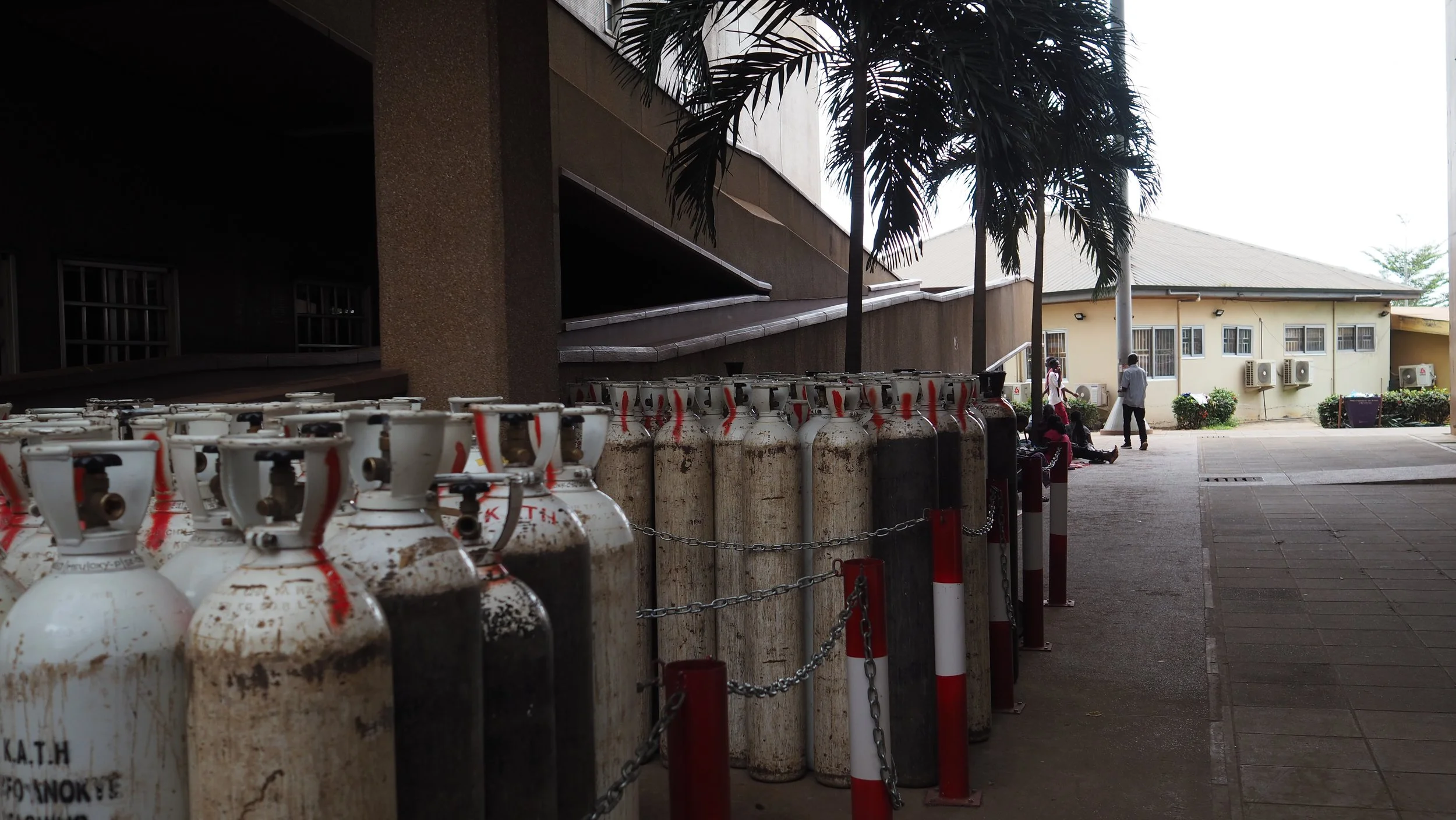
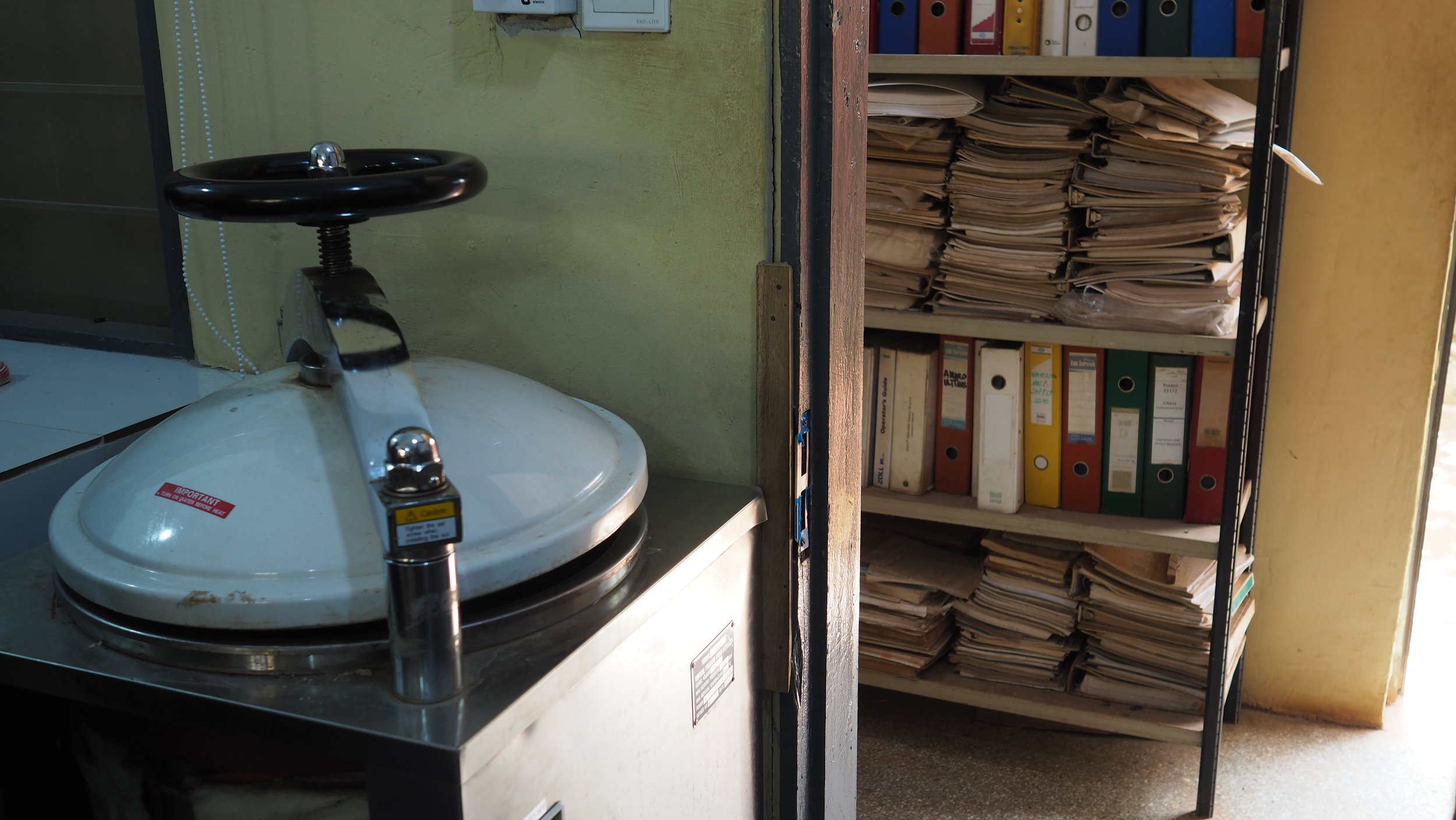
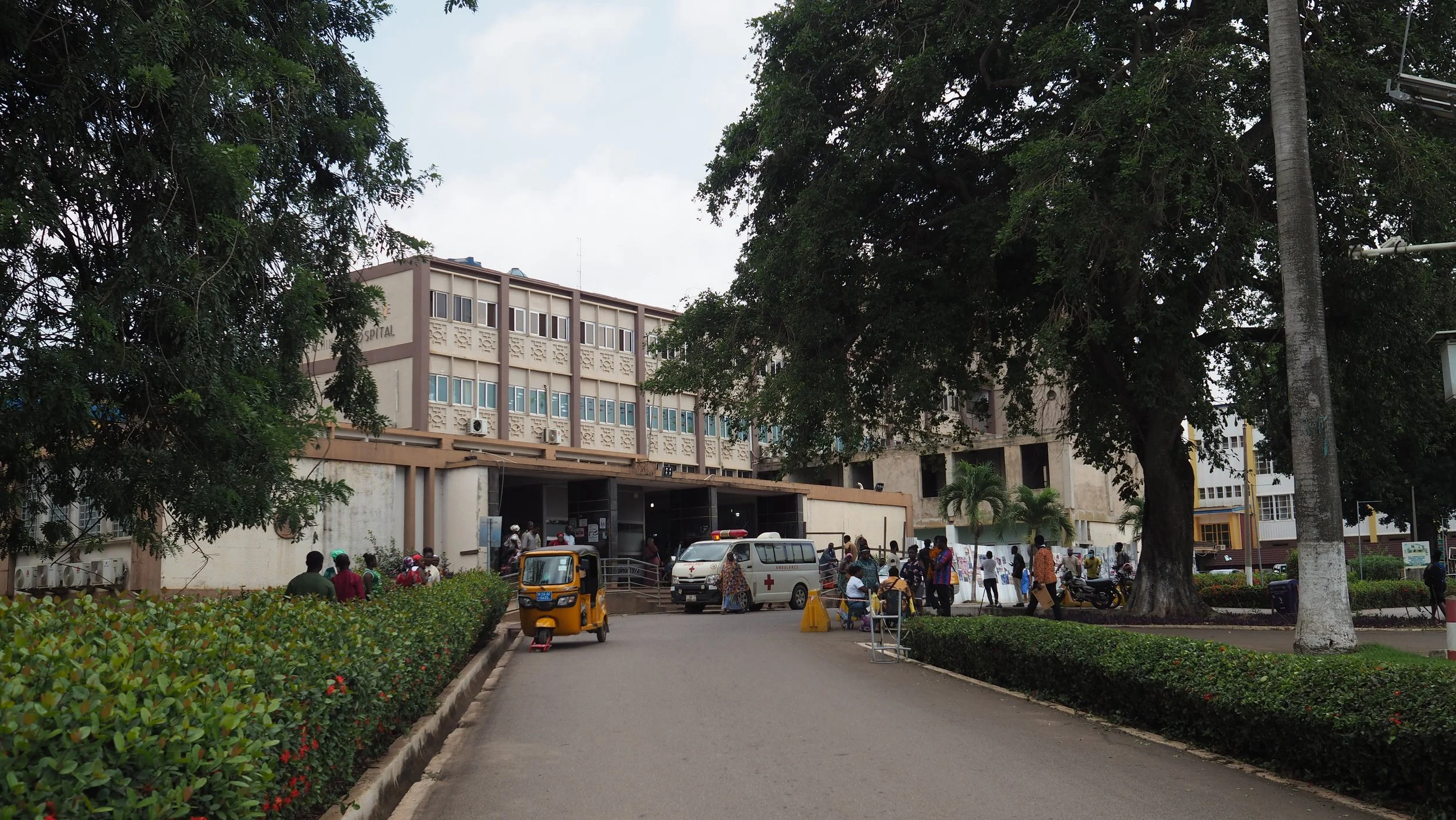
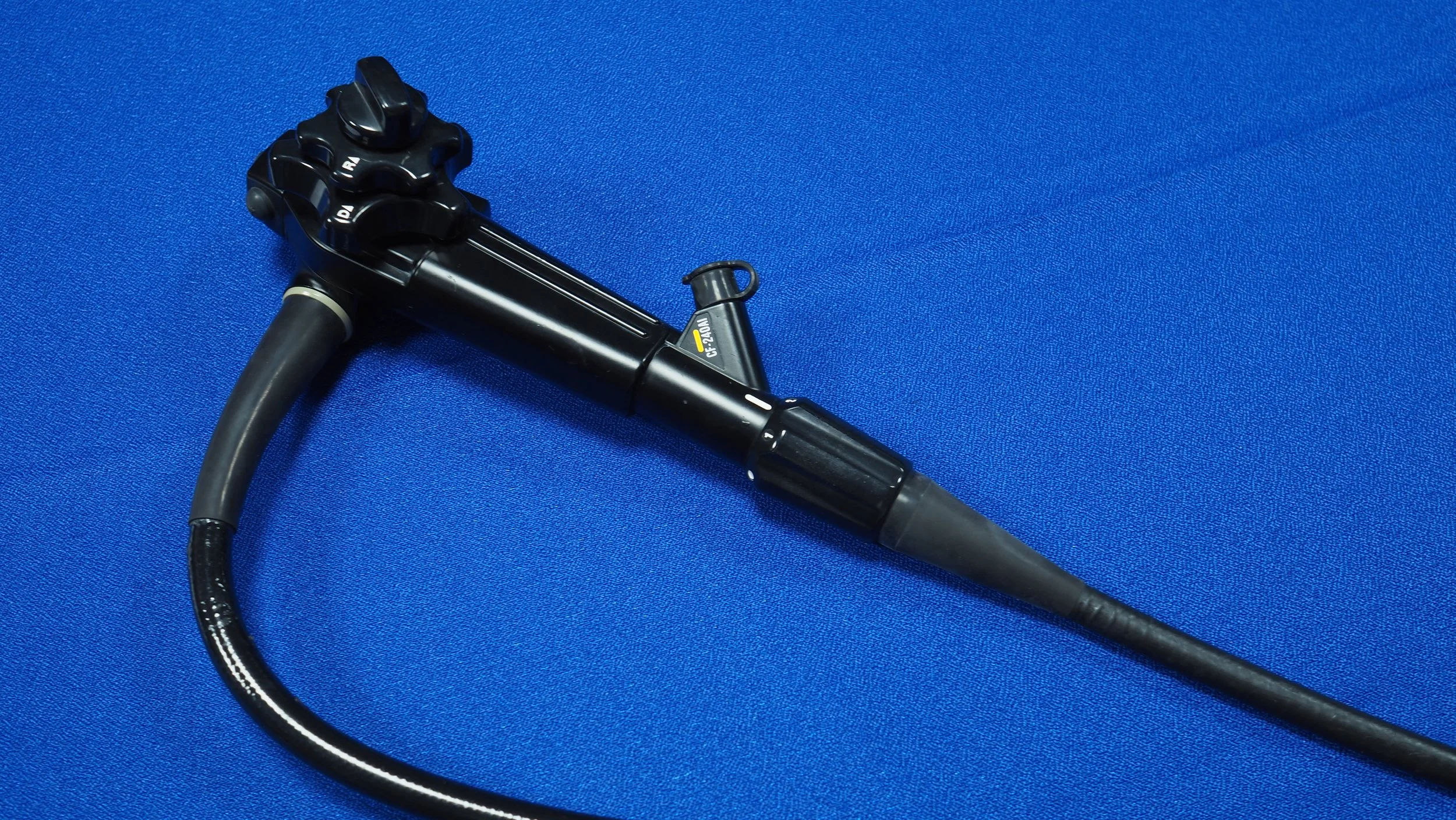
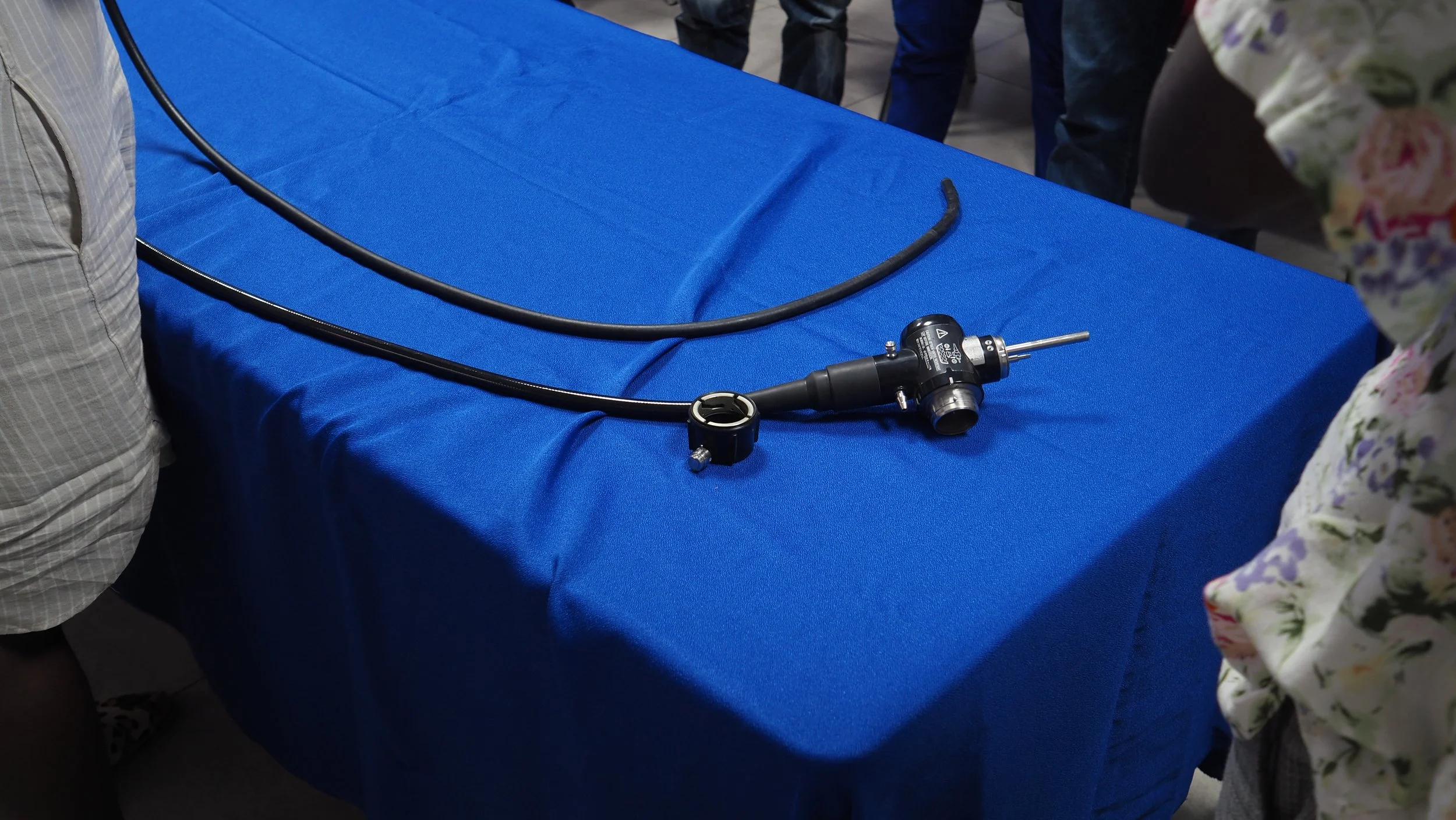
the main purpose of our visit is to train technical and medical staff from kath, as well as participants from several other hospitals across ghana, in the proper cleaning, leakage testing, maintenance and repair of endoscopes and their associated equipment.
endoscopes are delicate and technically complex instruments that require careful handling and regular maintenance. proper cleaning and testing are essential, not only to extend the lifespan of the equipment but also to ensure patient safety and keep the instruments available for clinical use.
we started with theoretical sessions, covering the basic principles, equipment components and the procedures involved in cleaning, testing and troubleshooting.
after these introductory blocks, it was time to get down to the practical work. over the next days the participants have the opportunity to handle the equipment themselves, carry out leakage tests and work through the different steps involved in identifying faults and performing repairs.
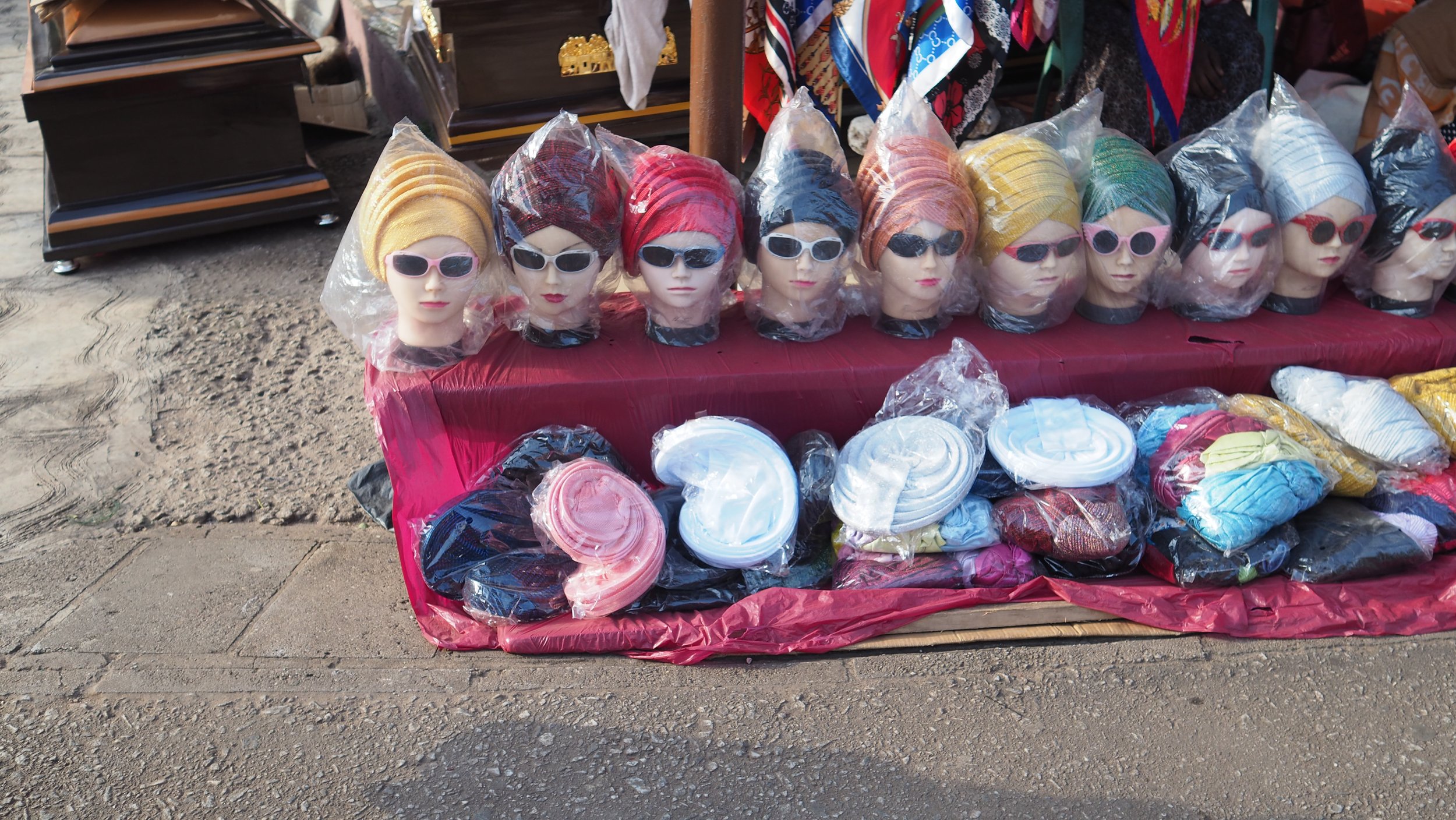
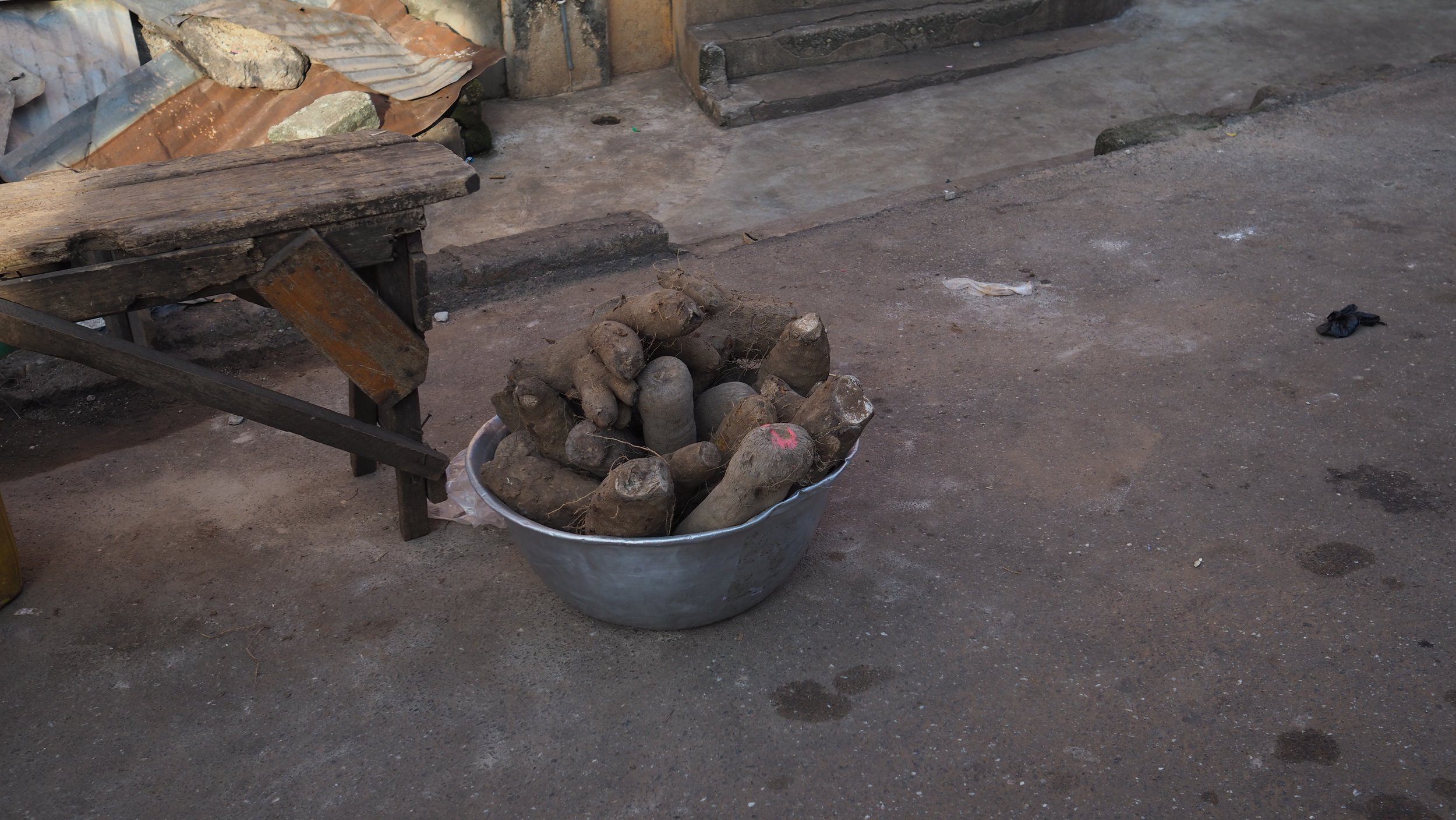
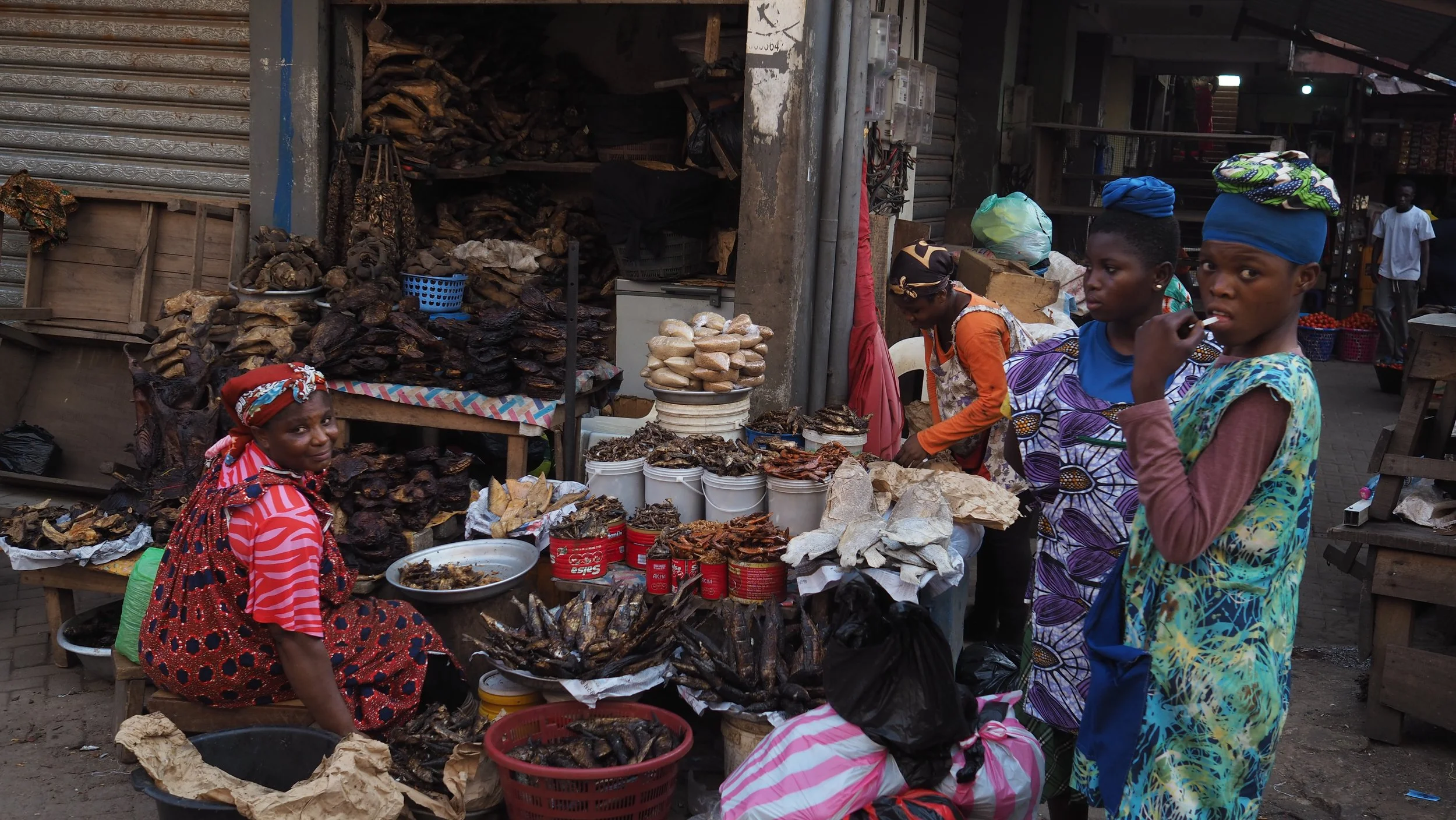
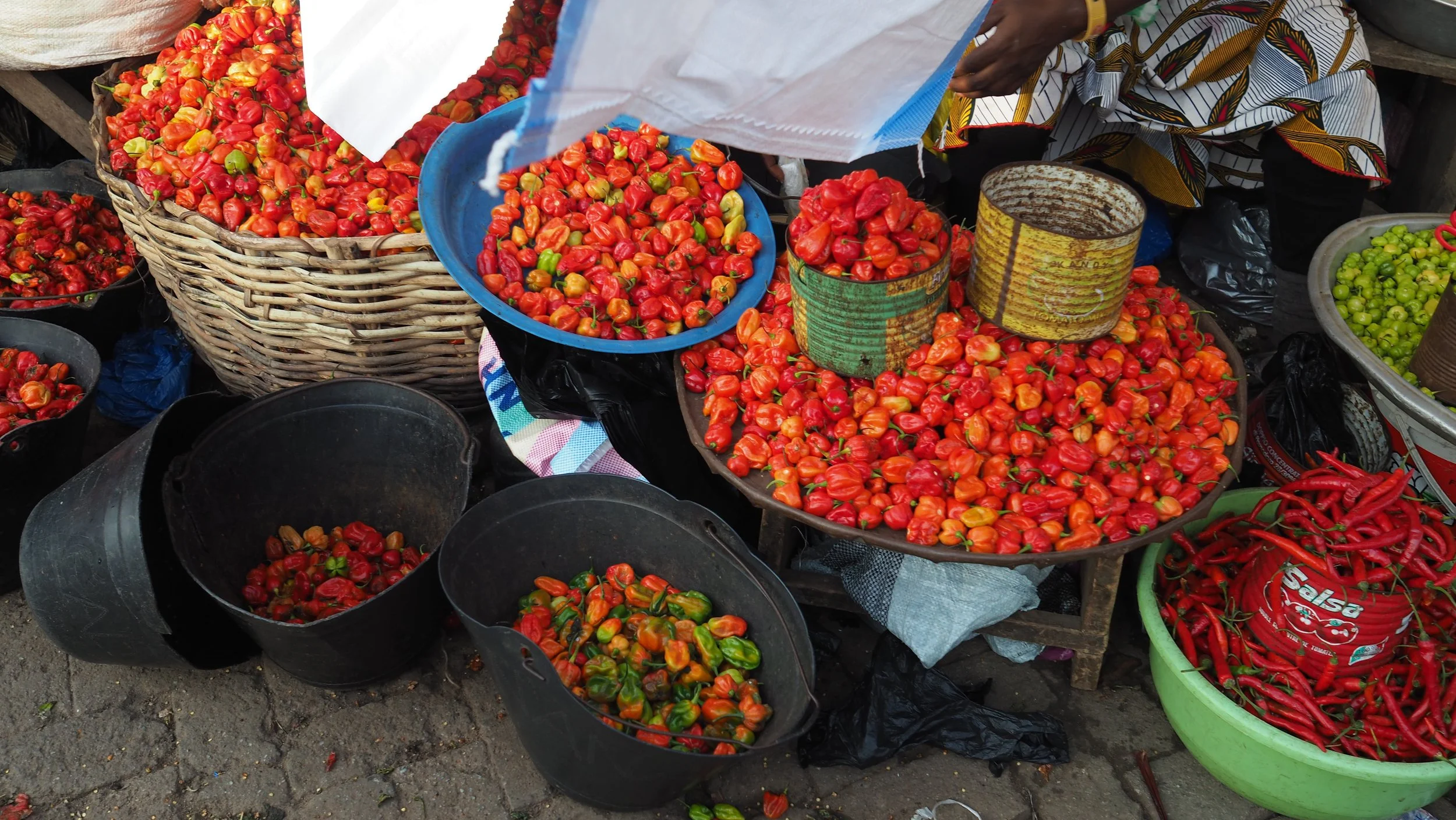
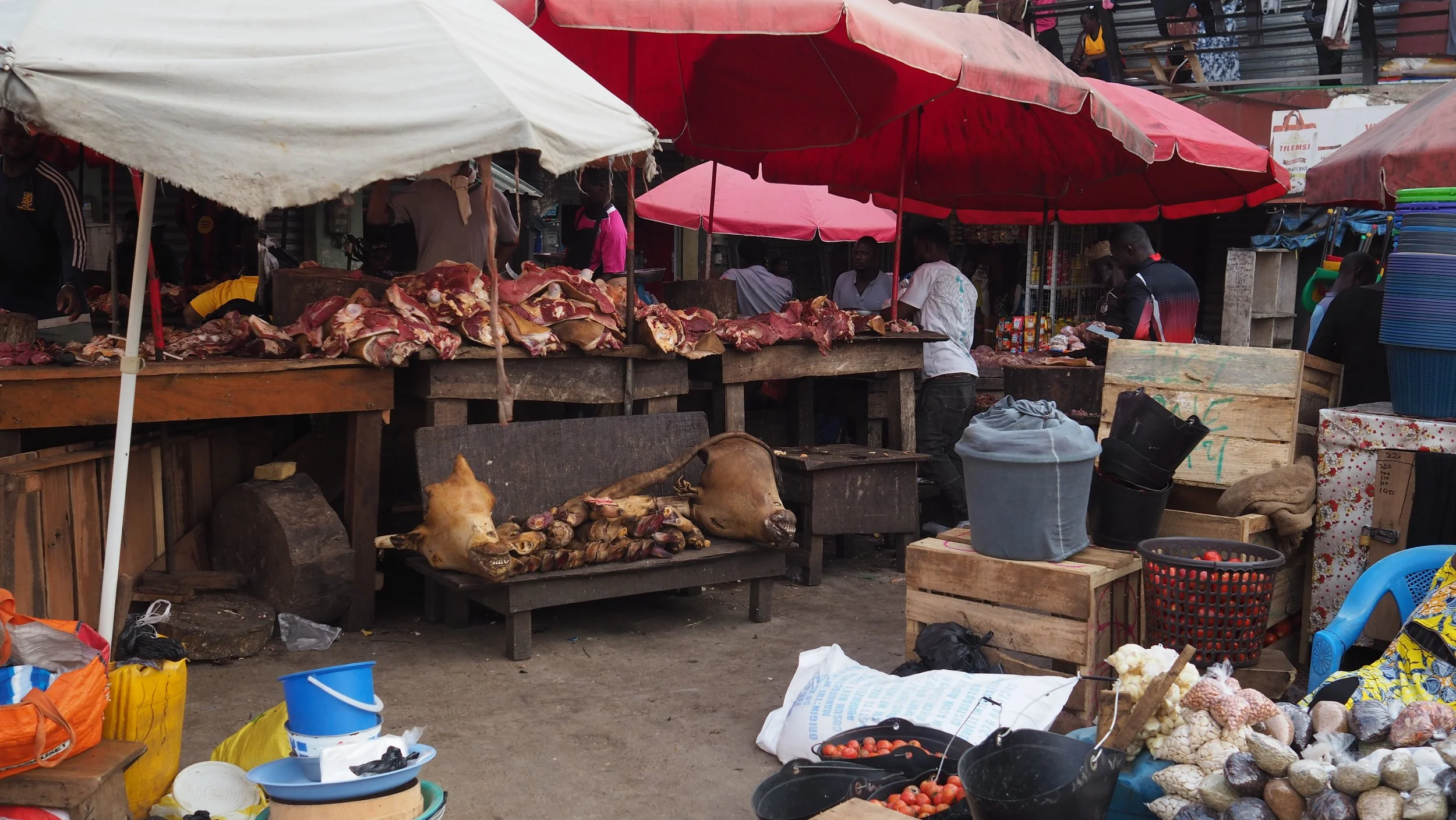
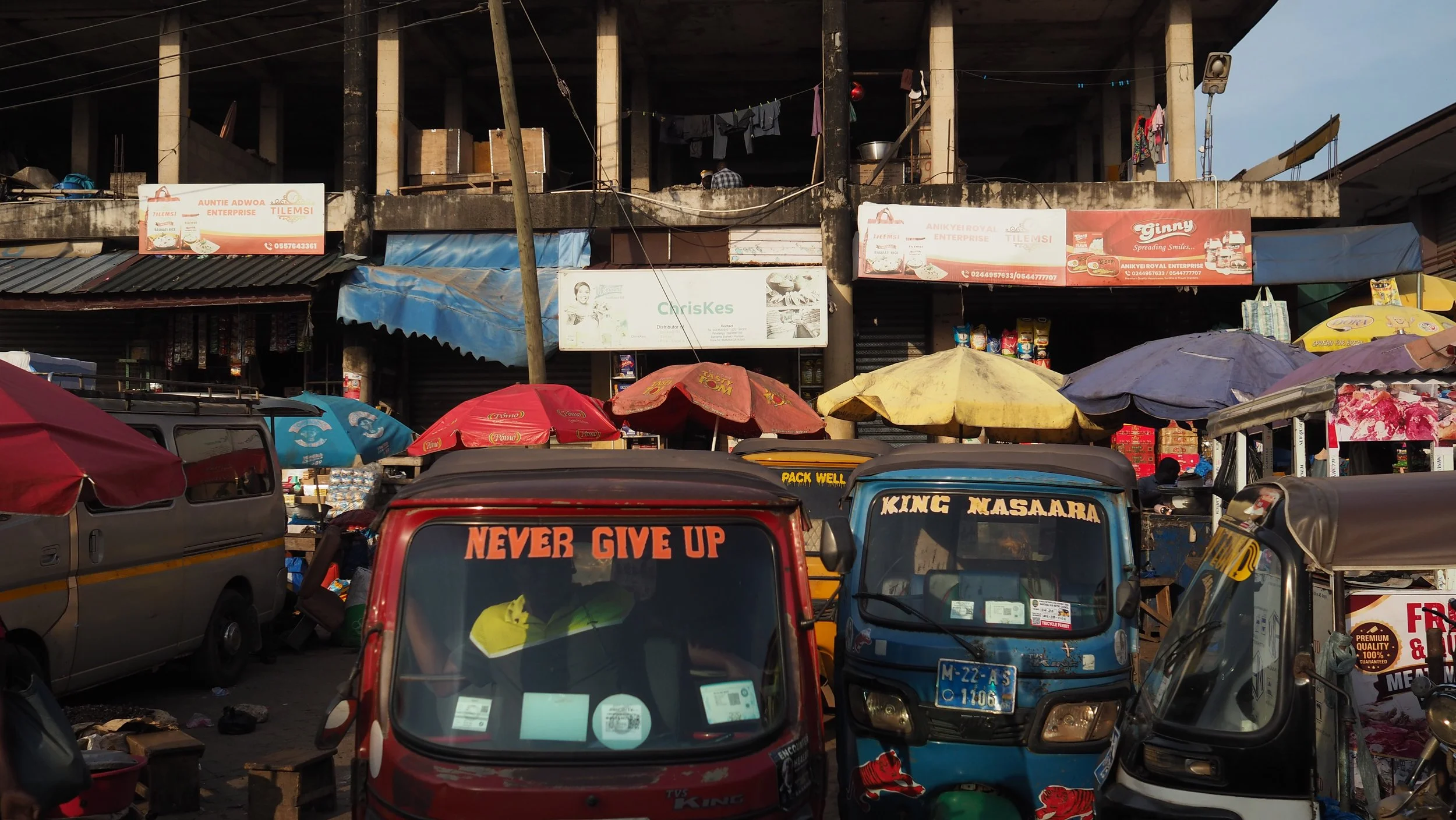
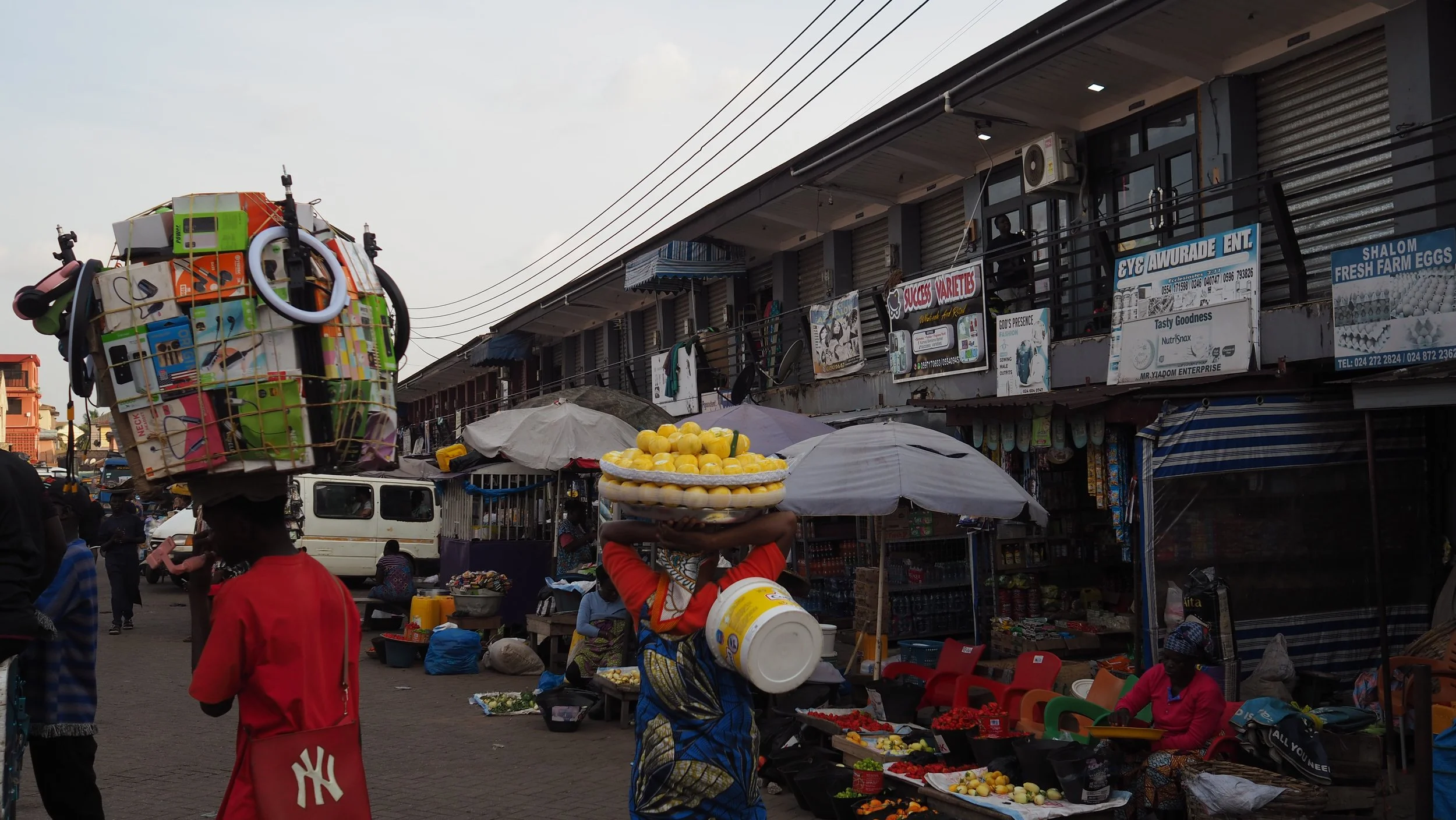
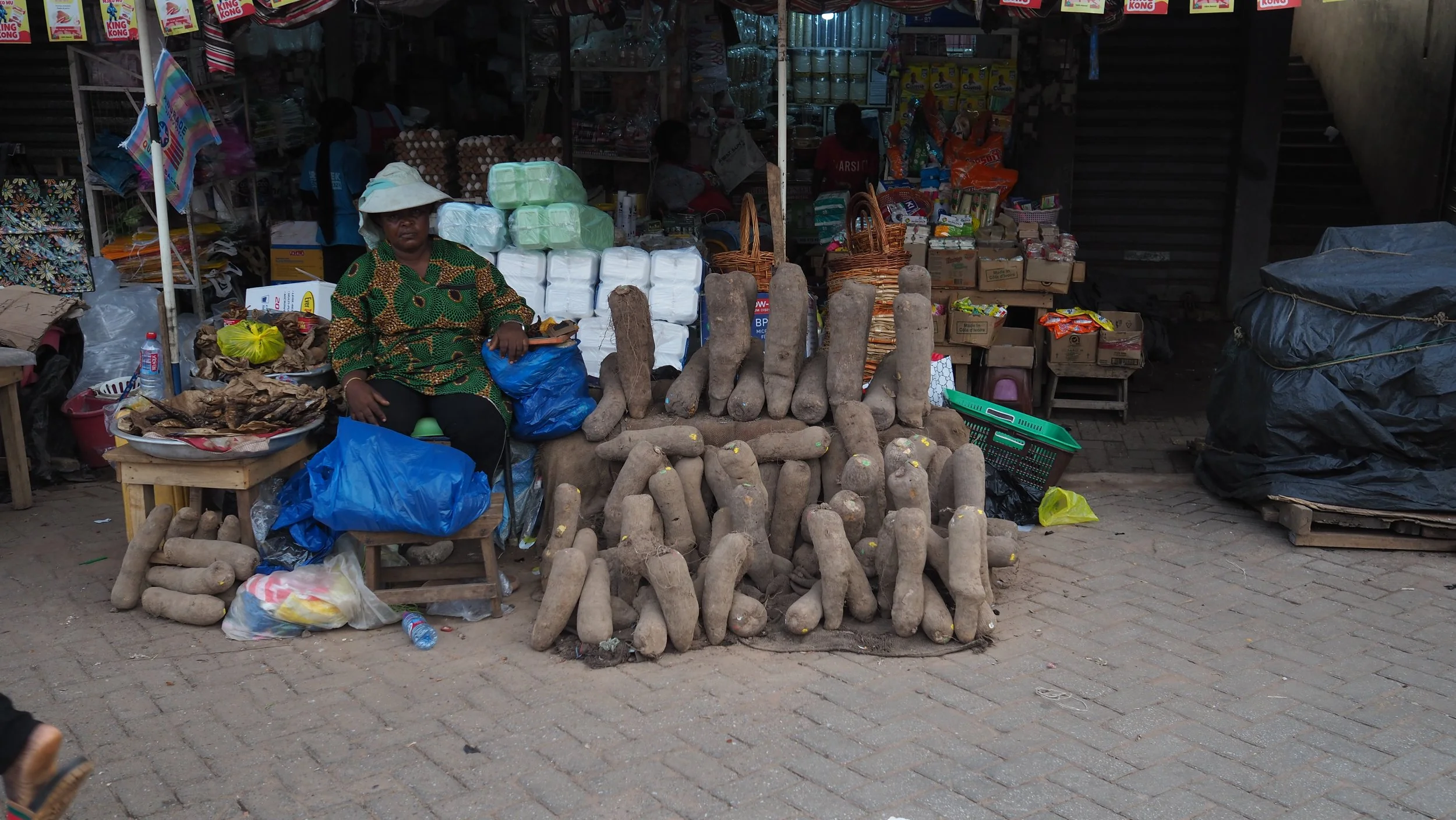
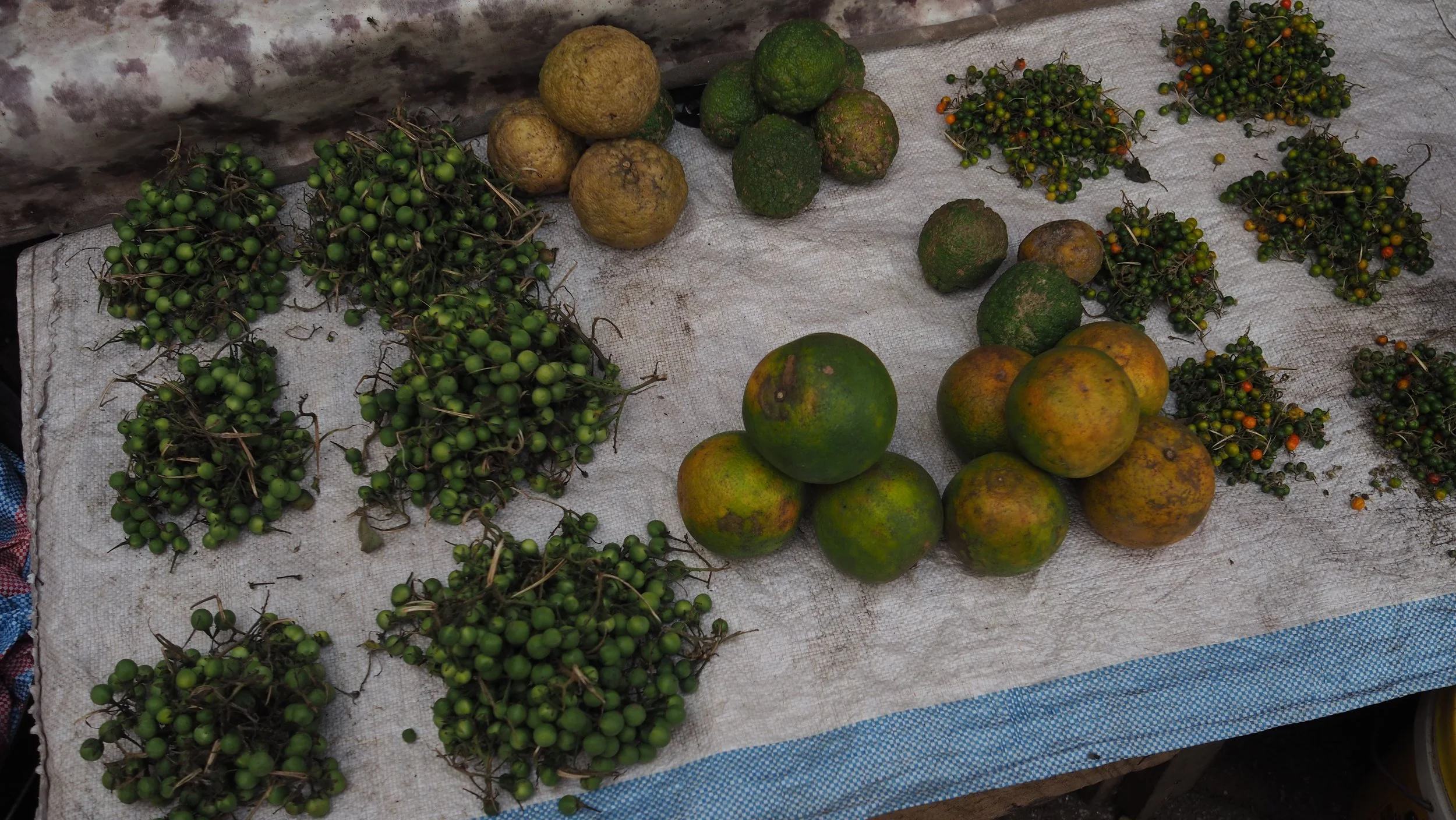
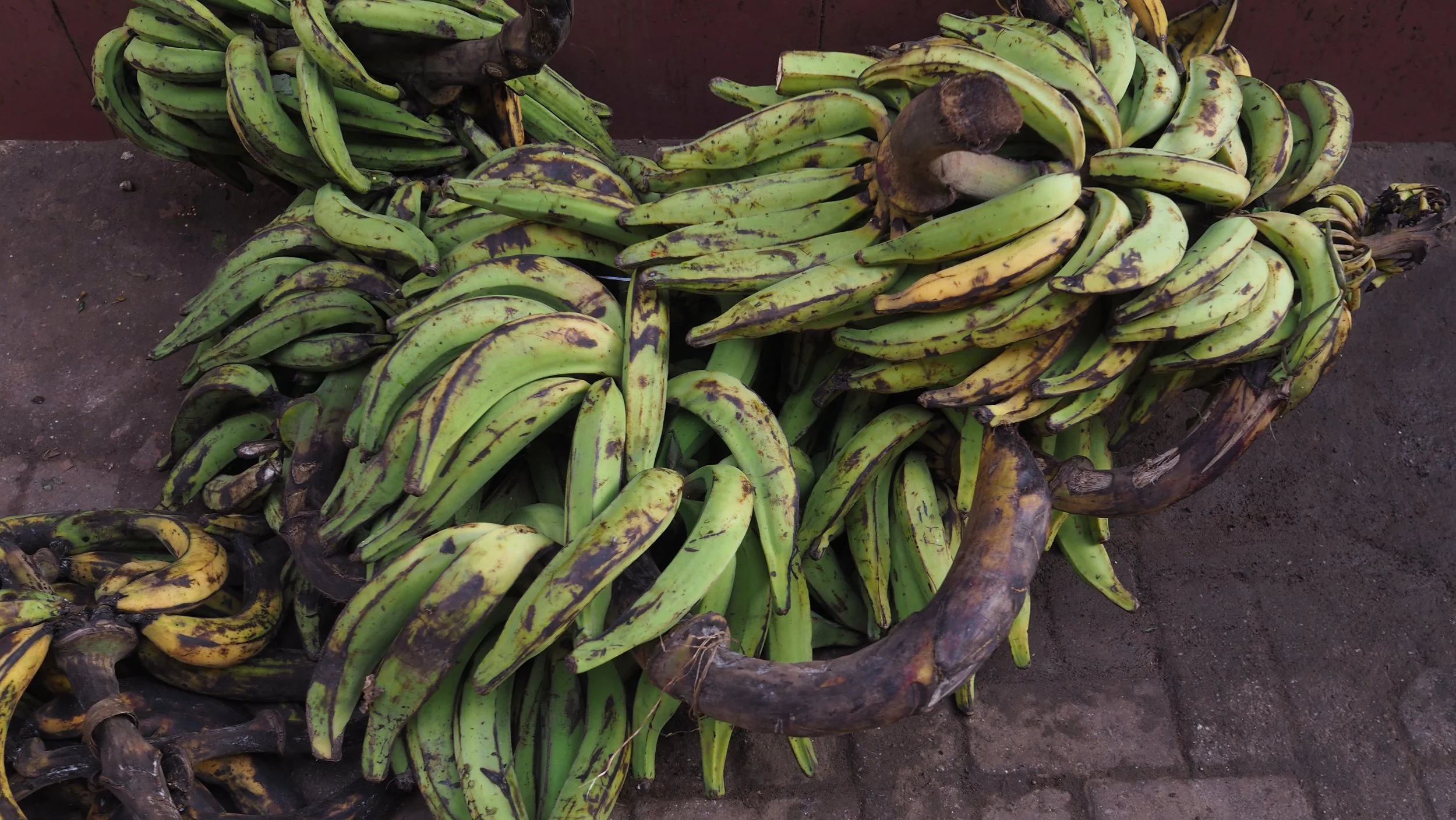
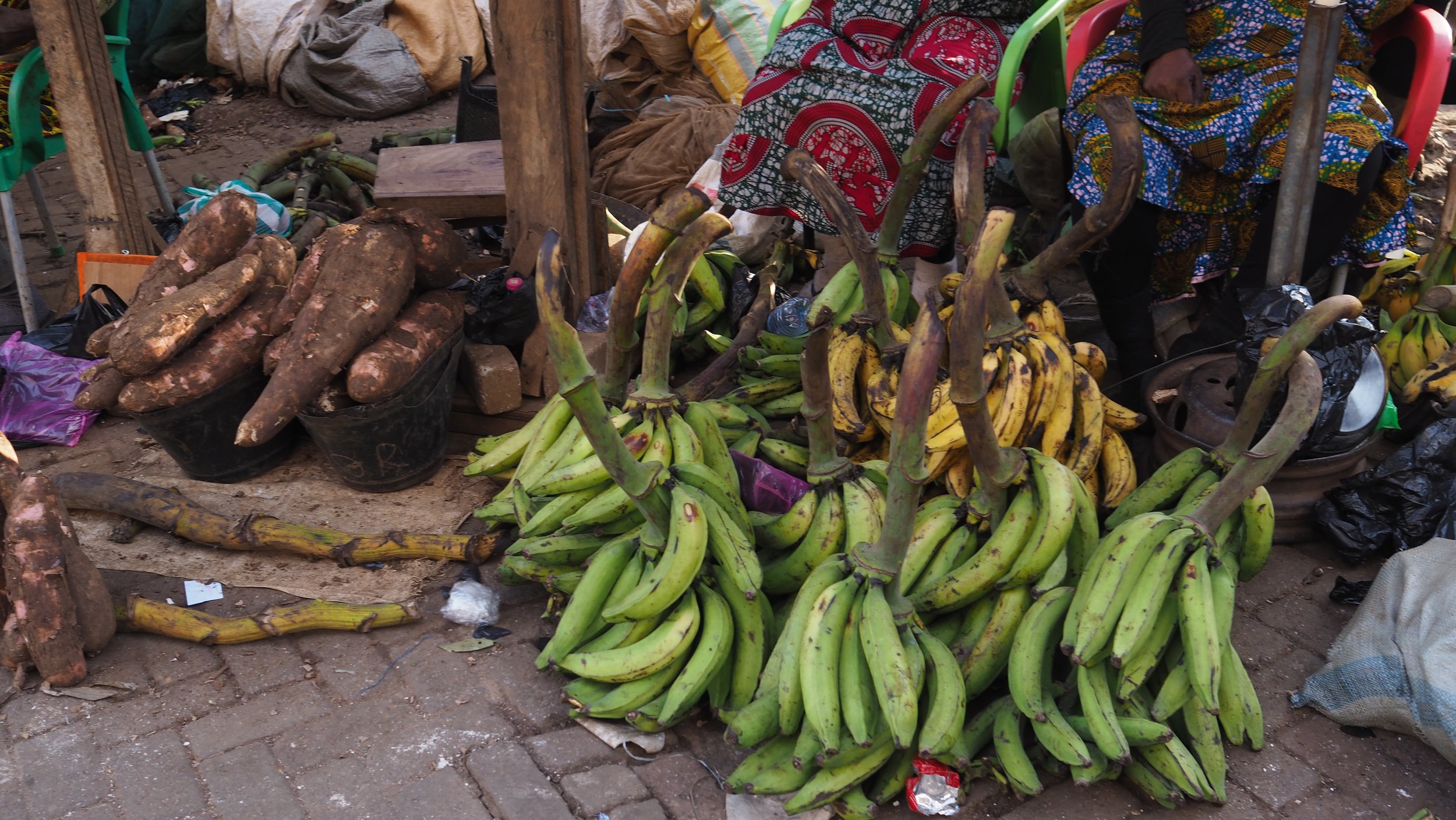
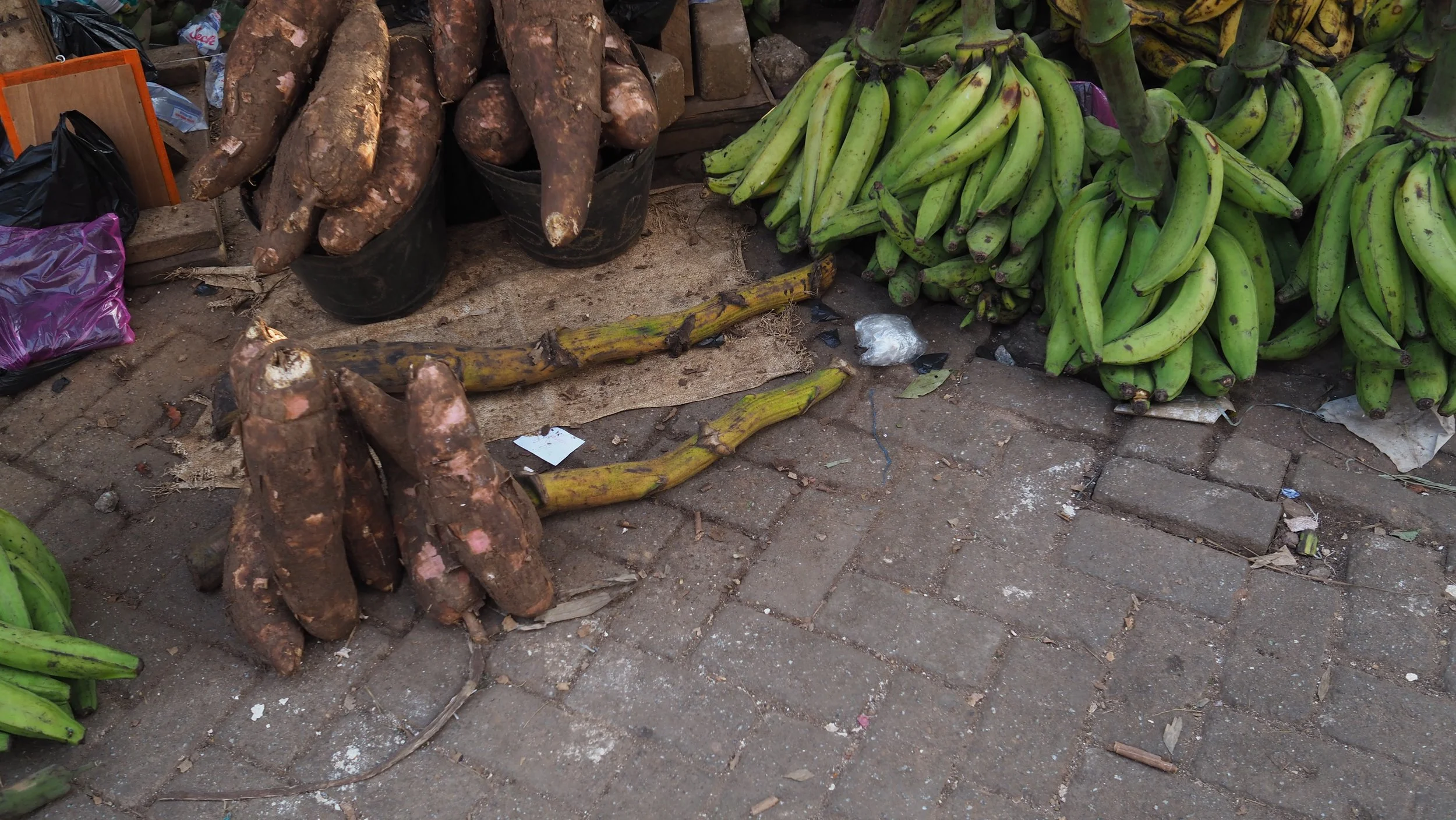
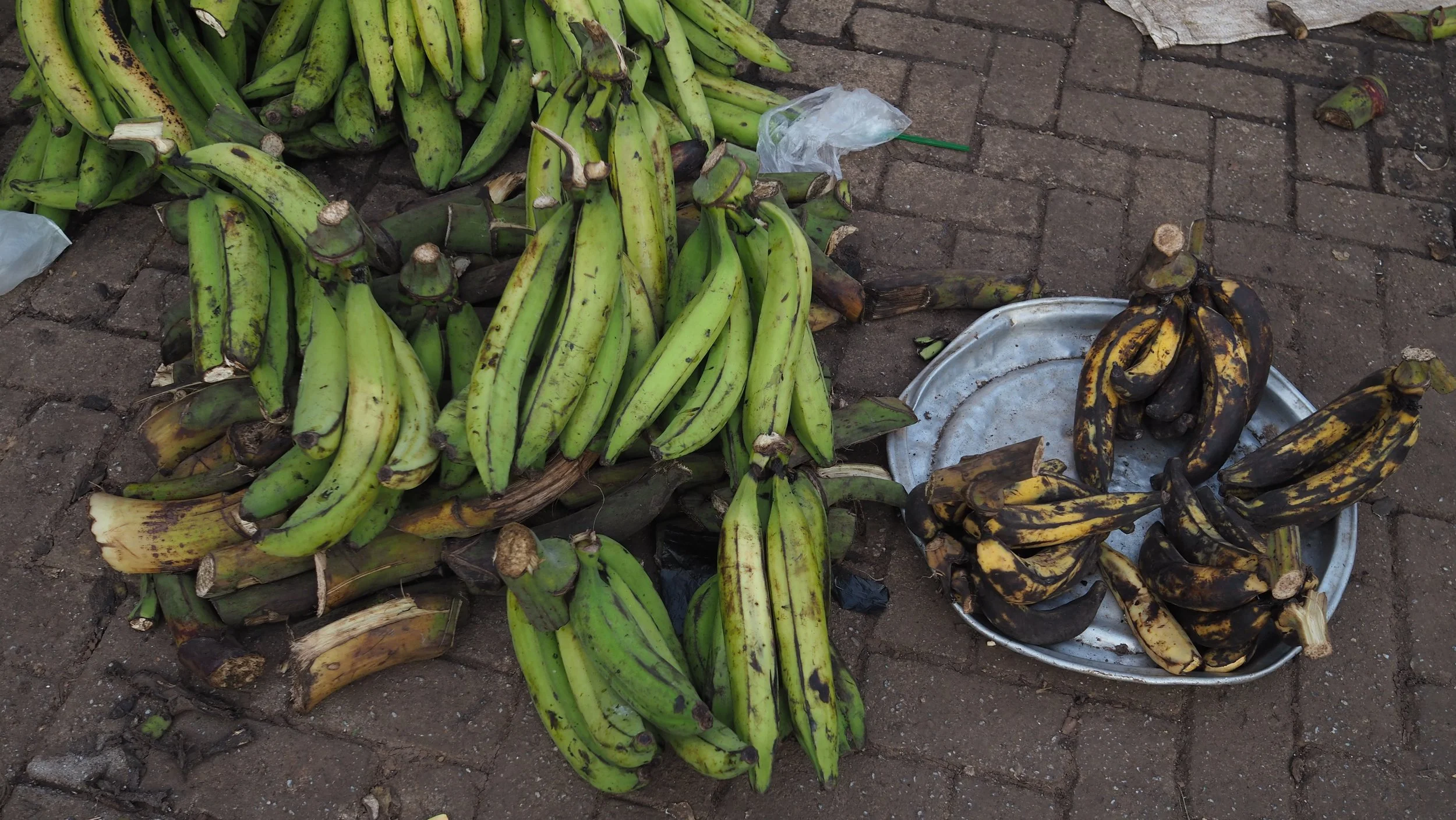
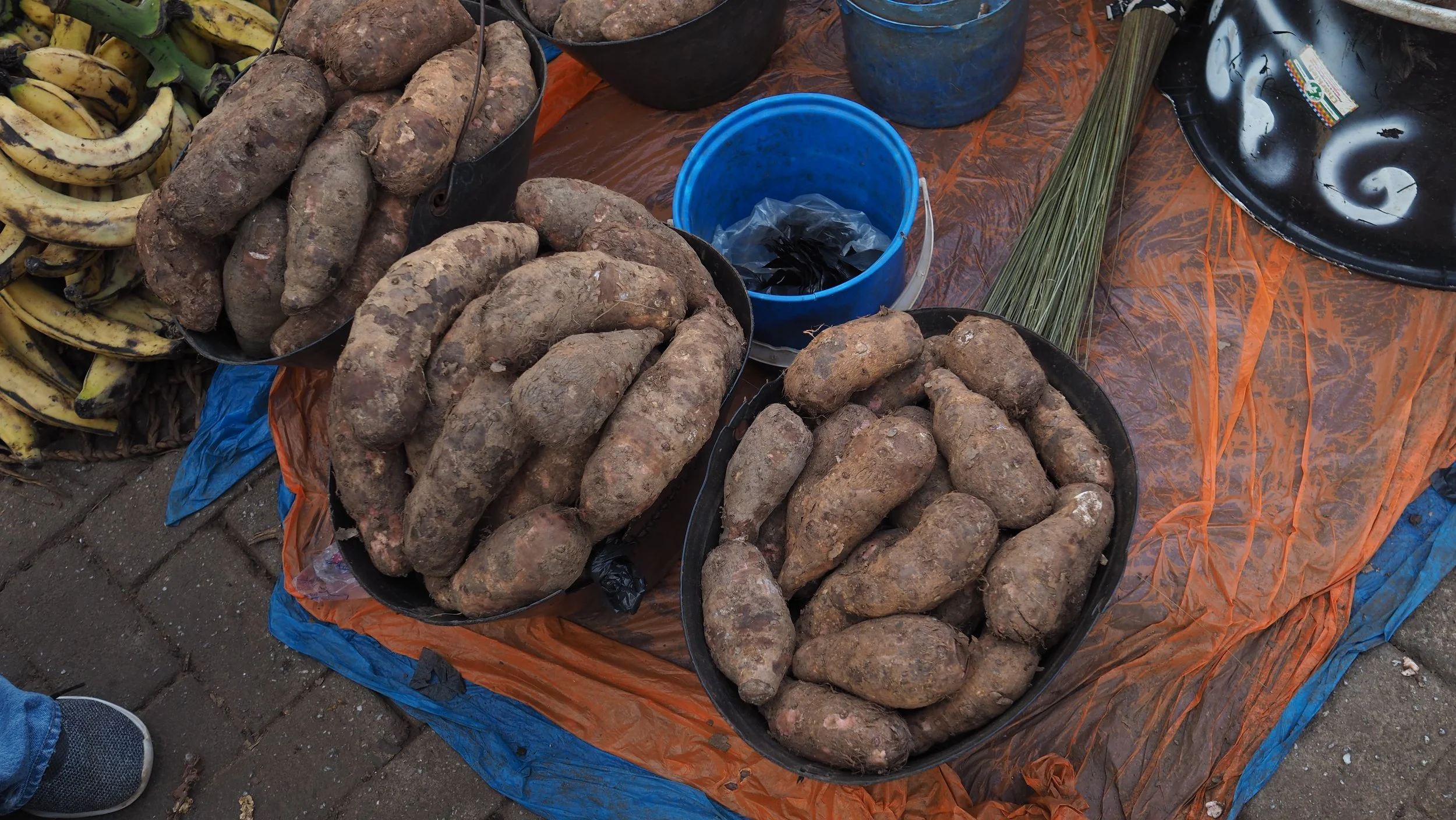
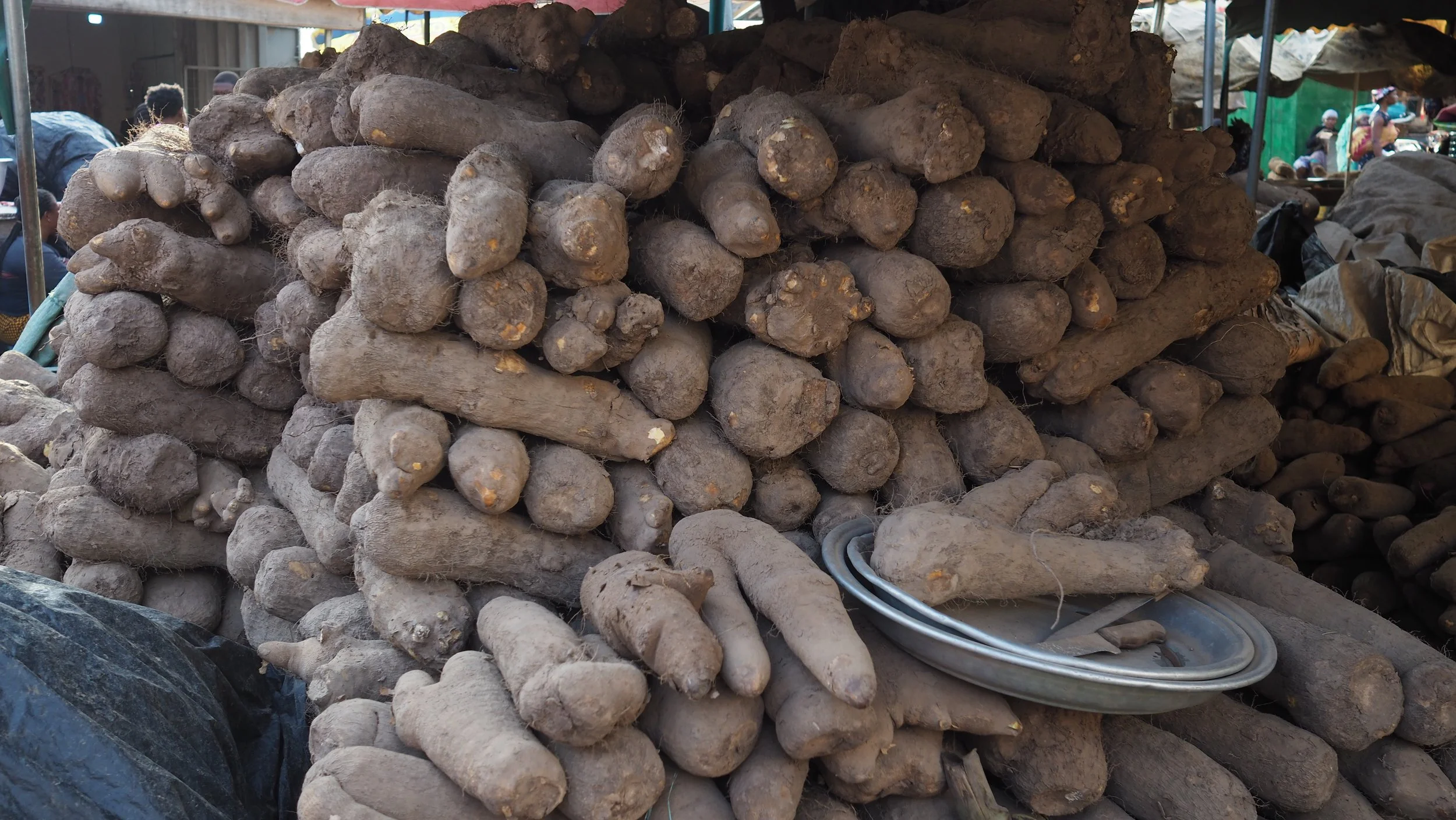
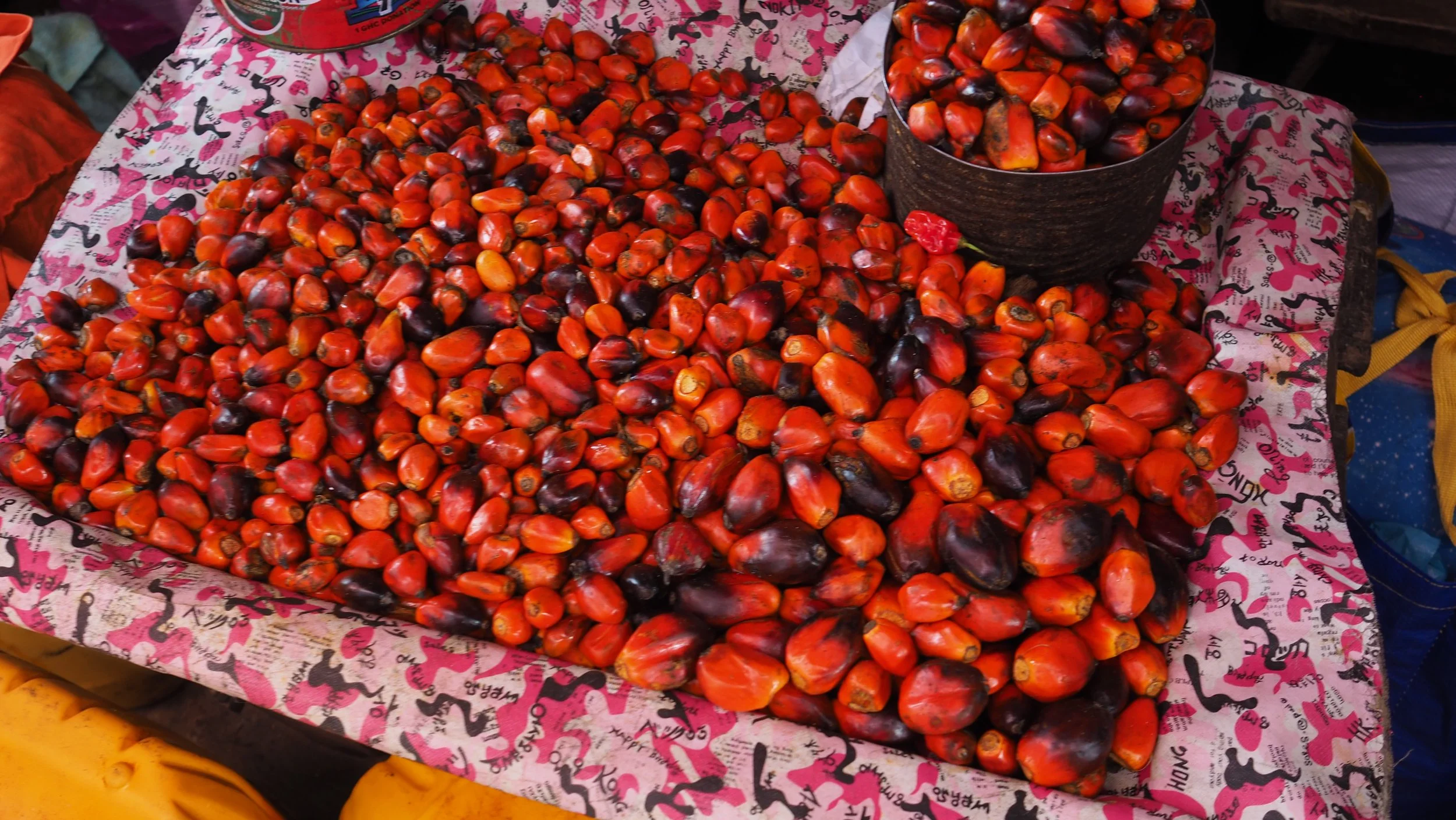
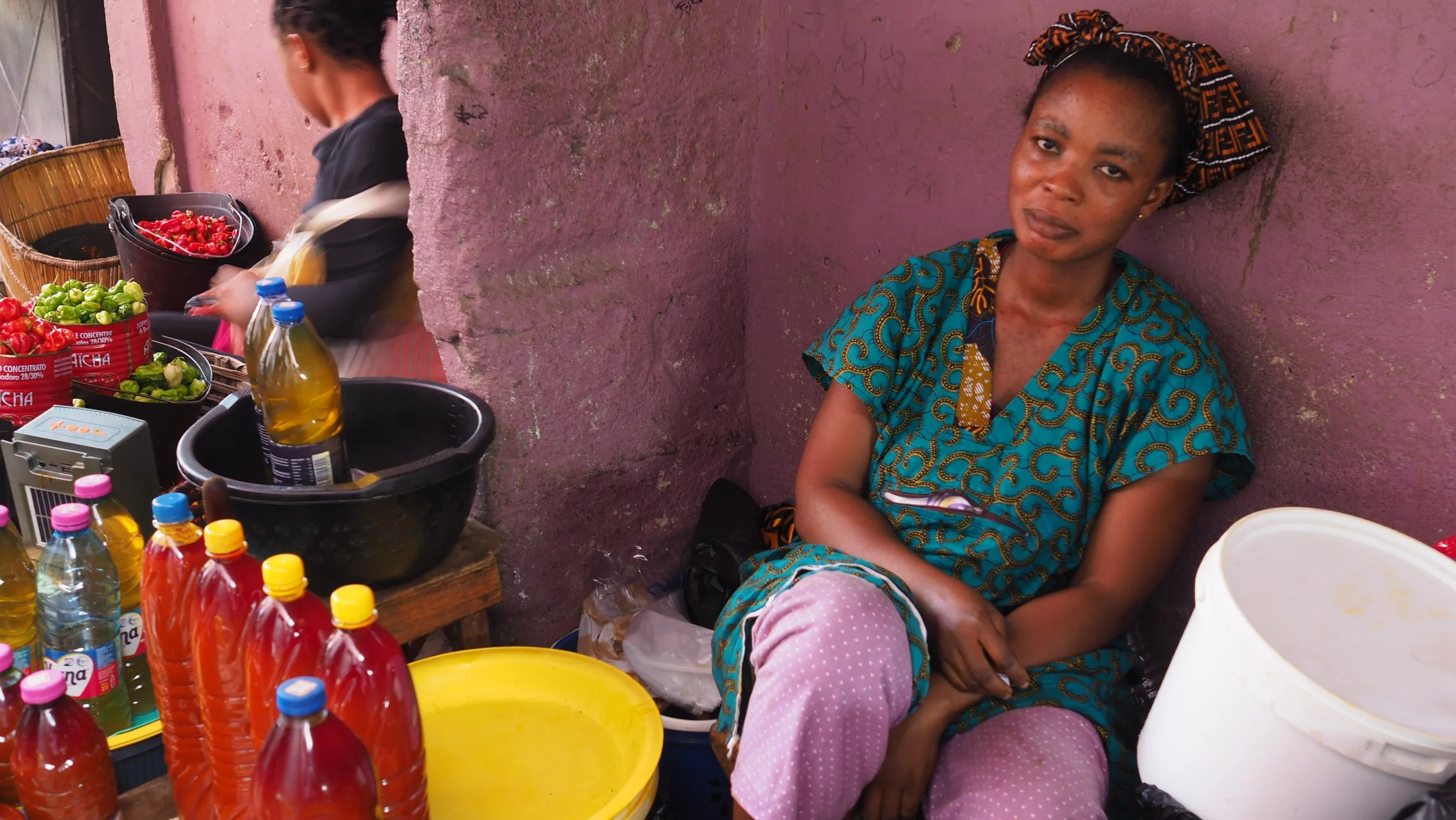
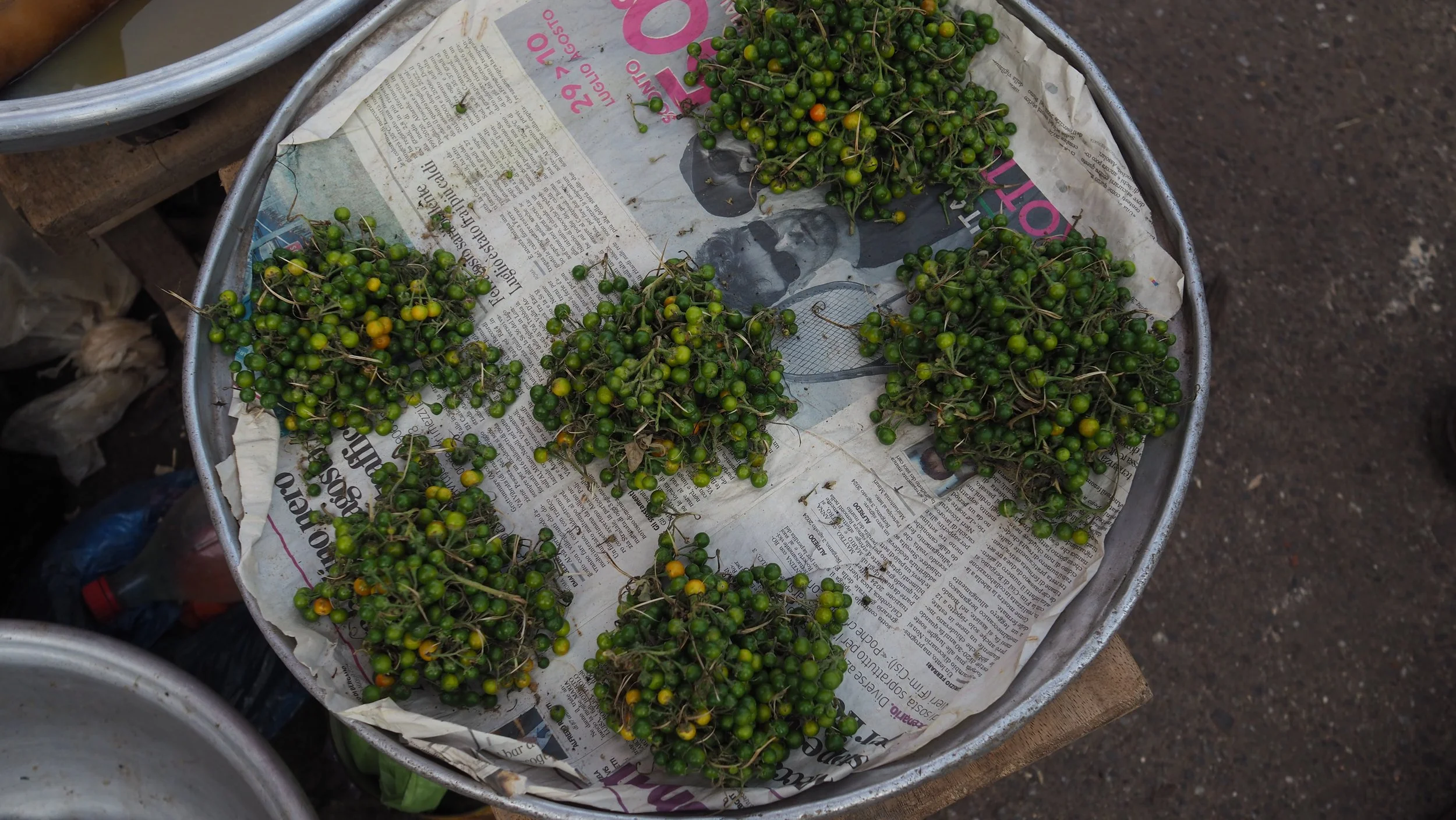
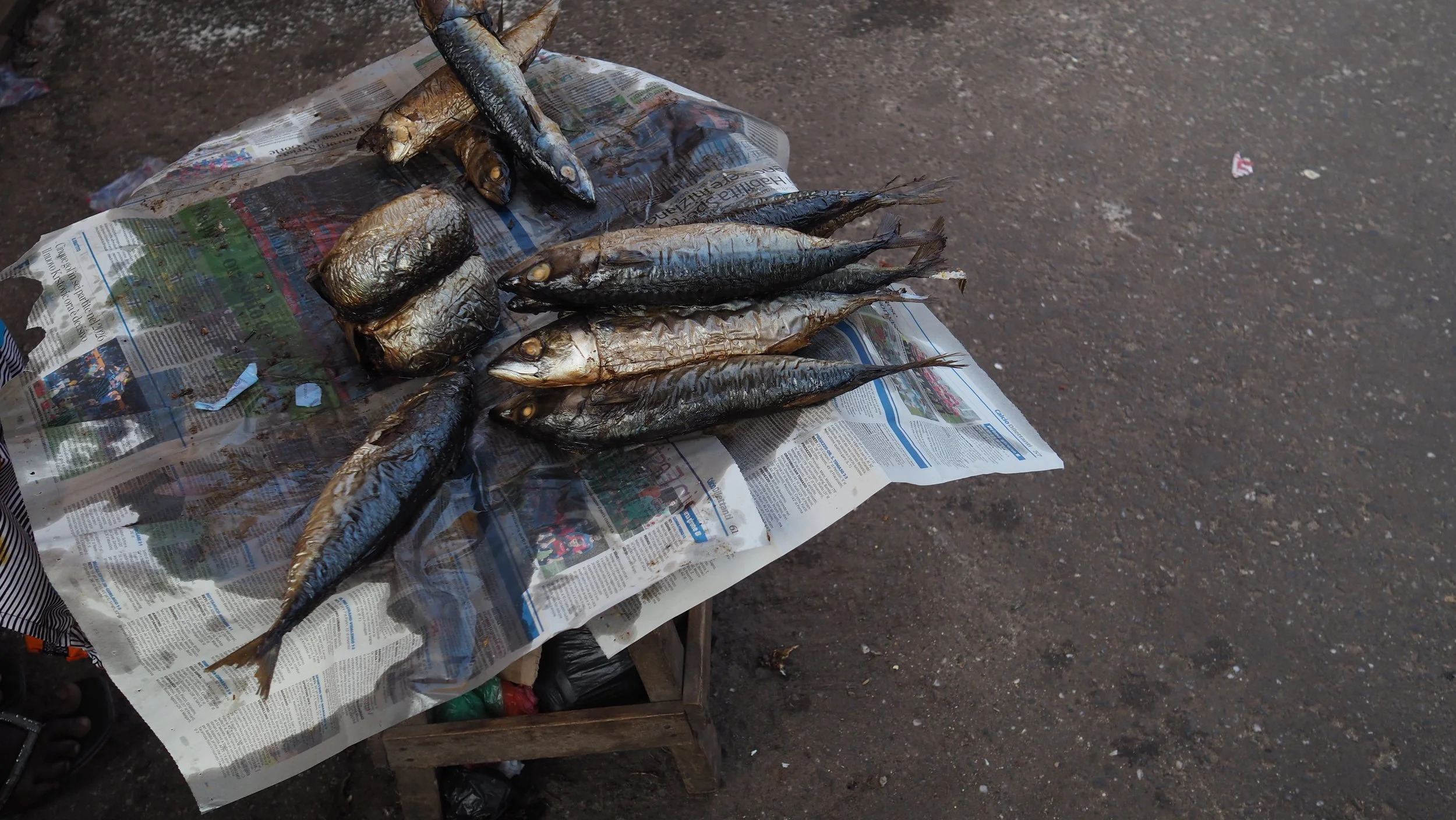
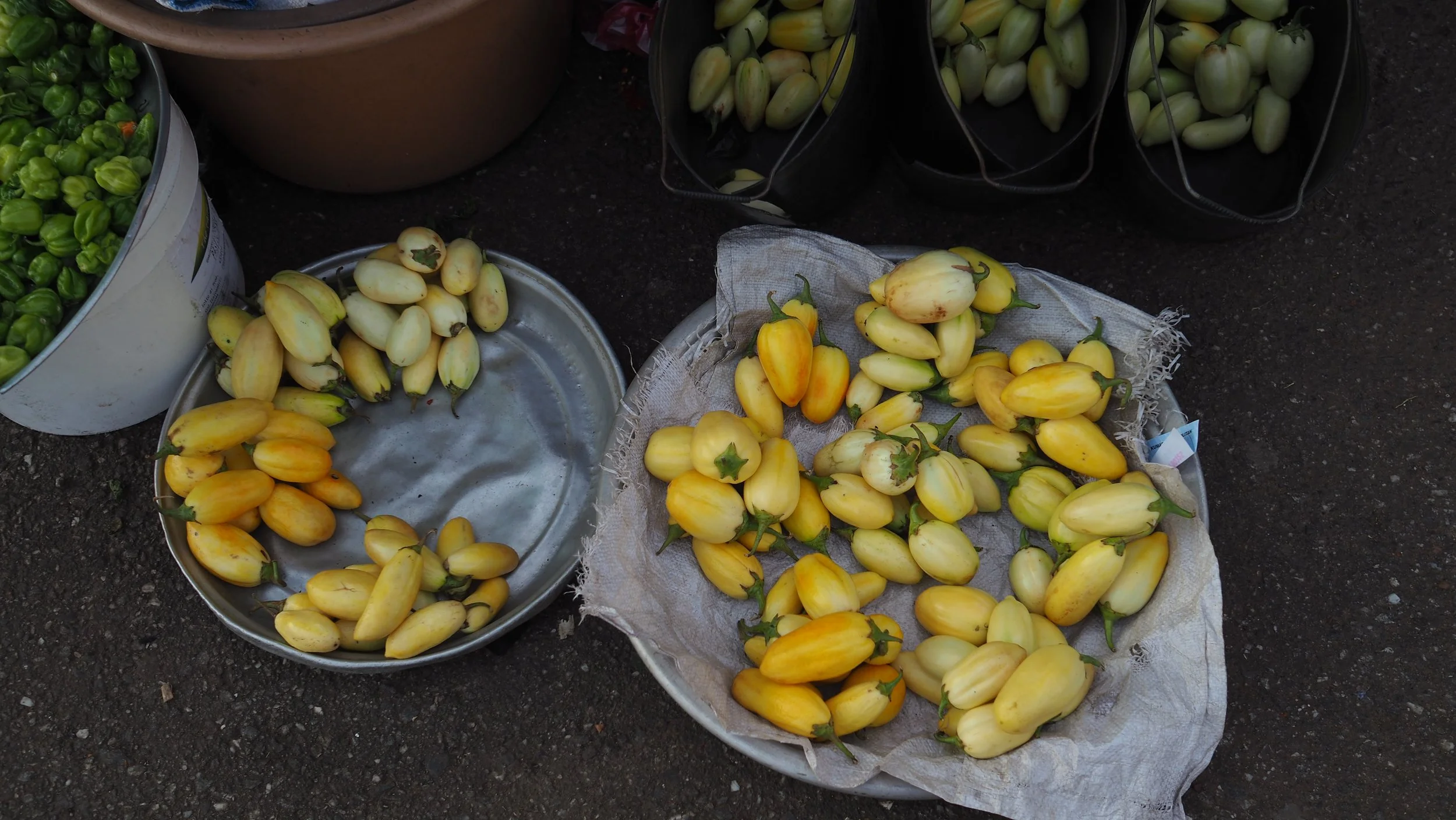
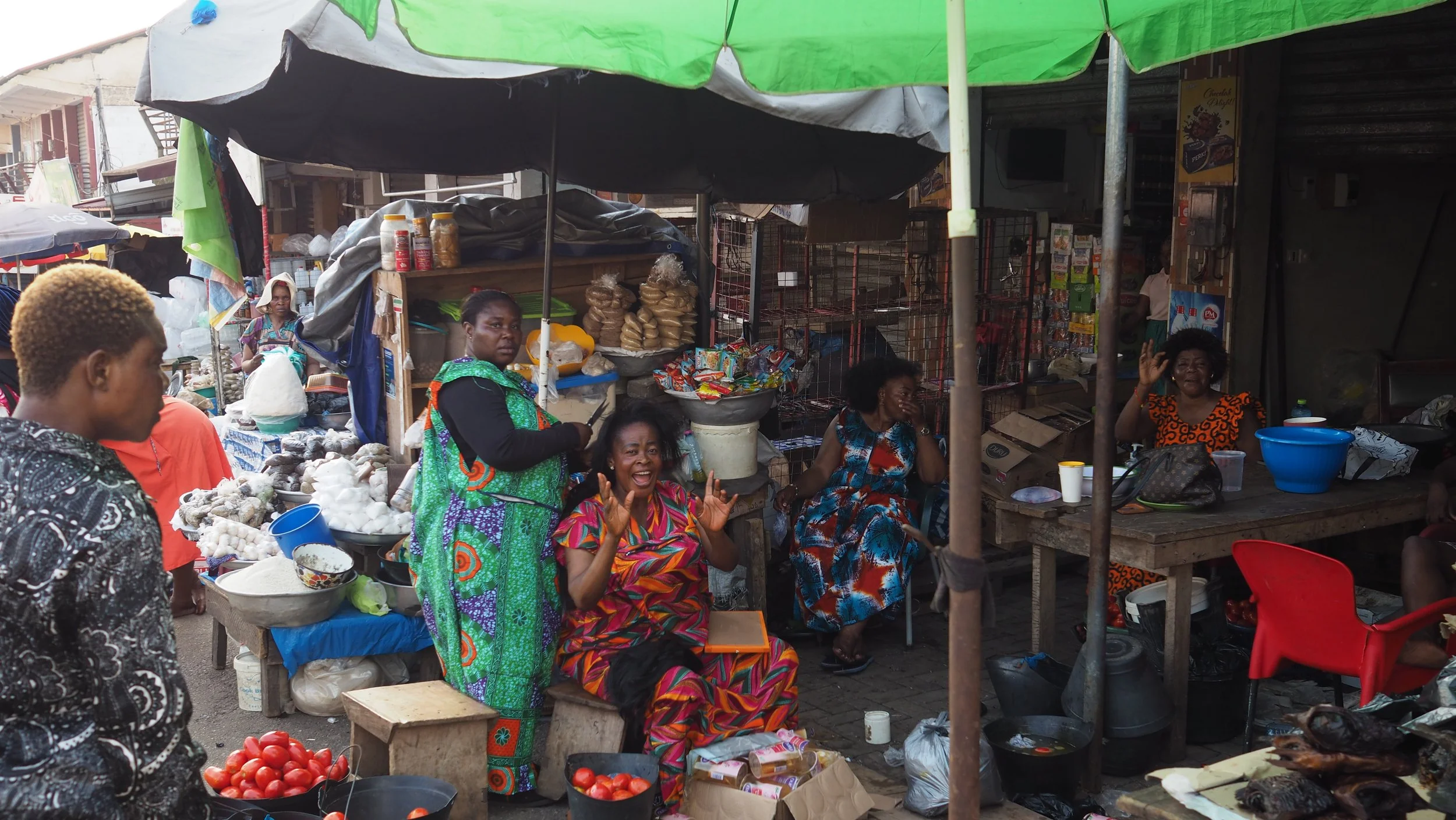
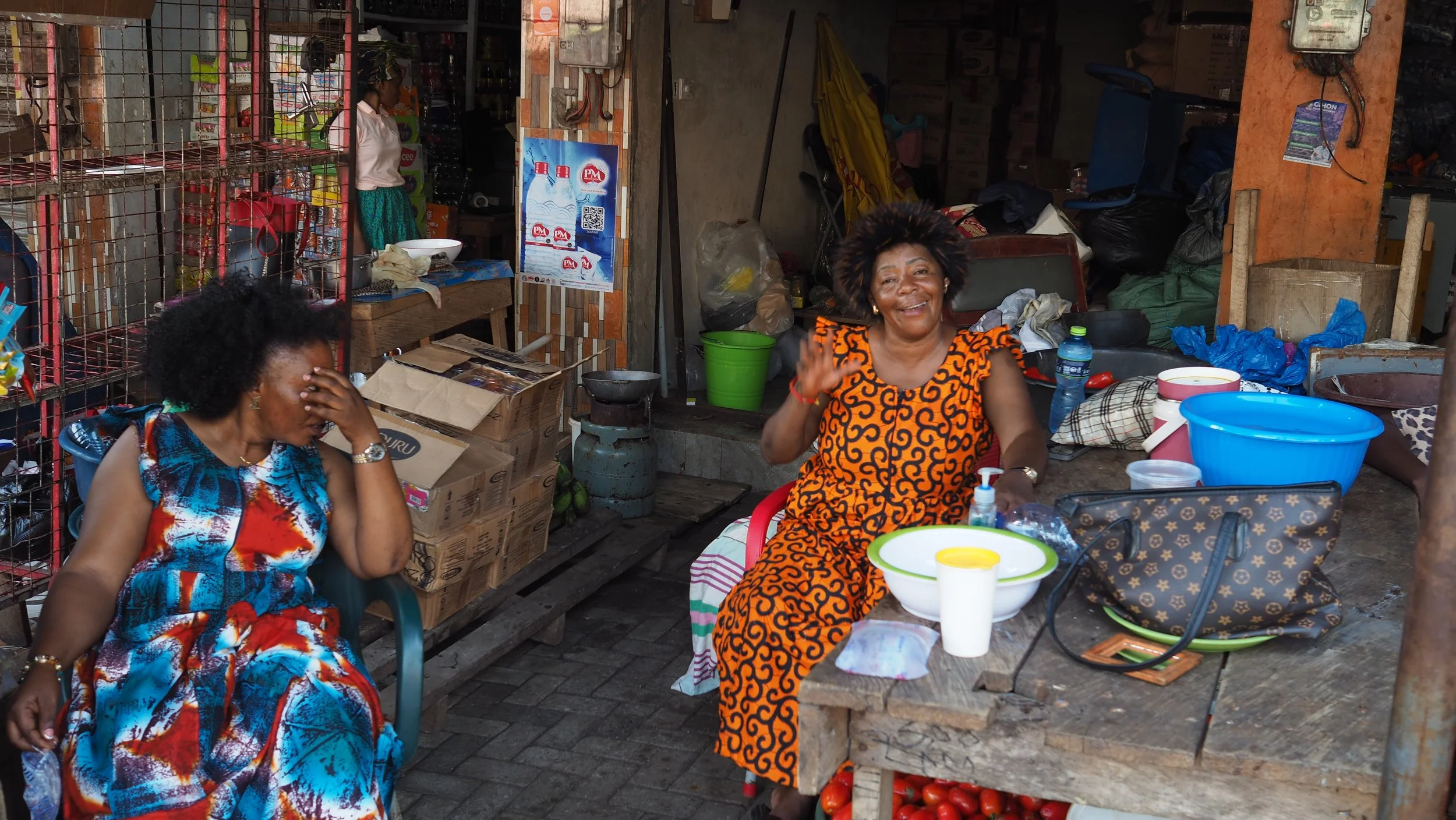
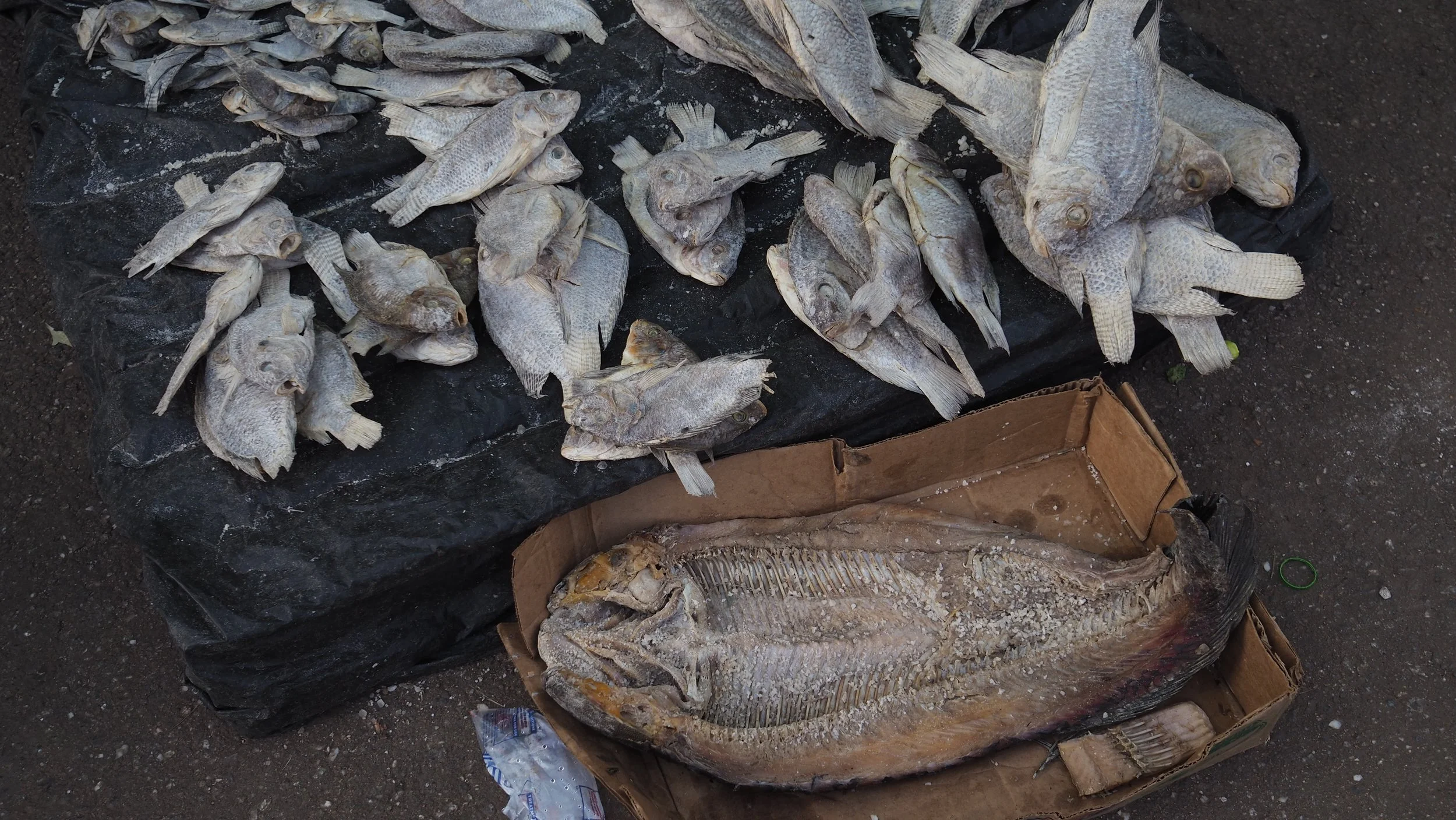
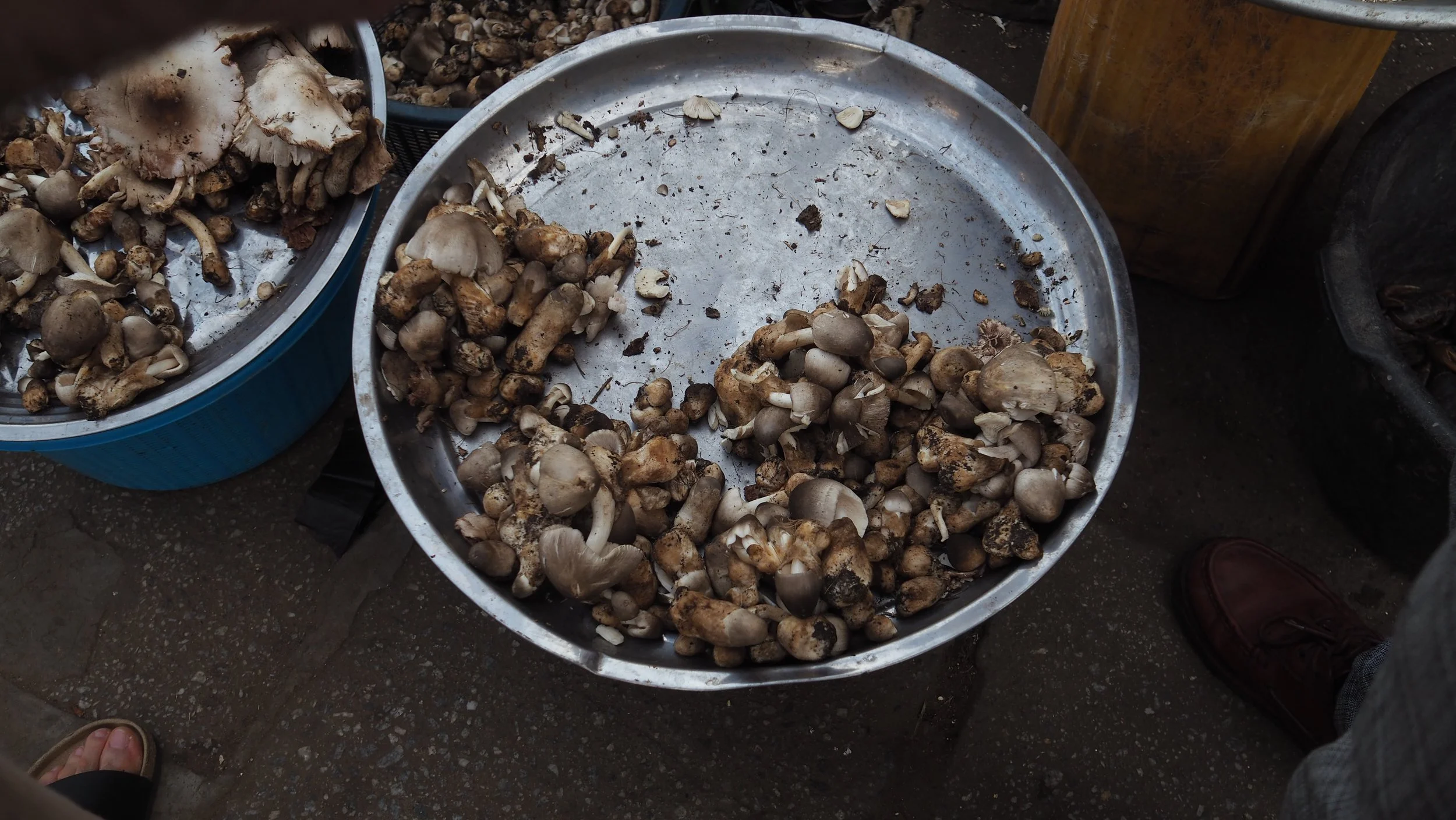
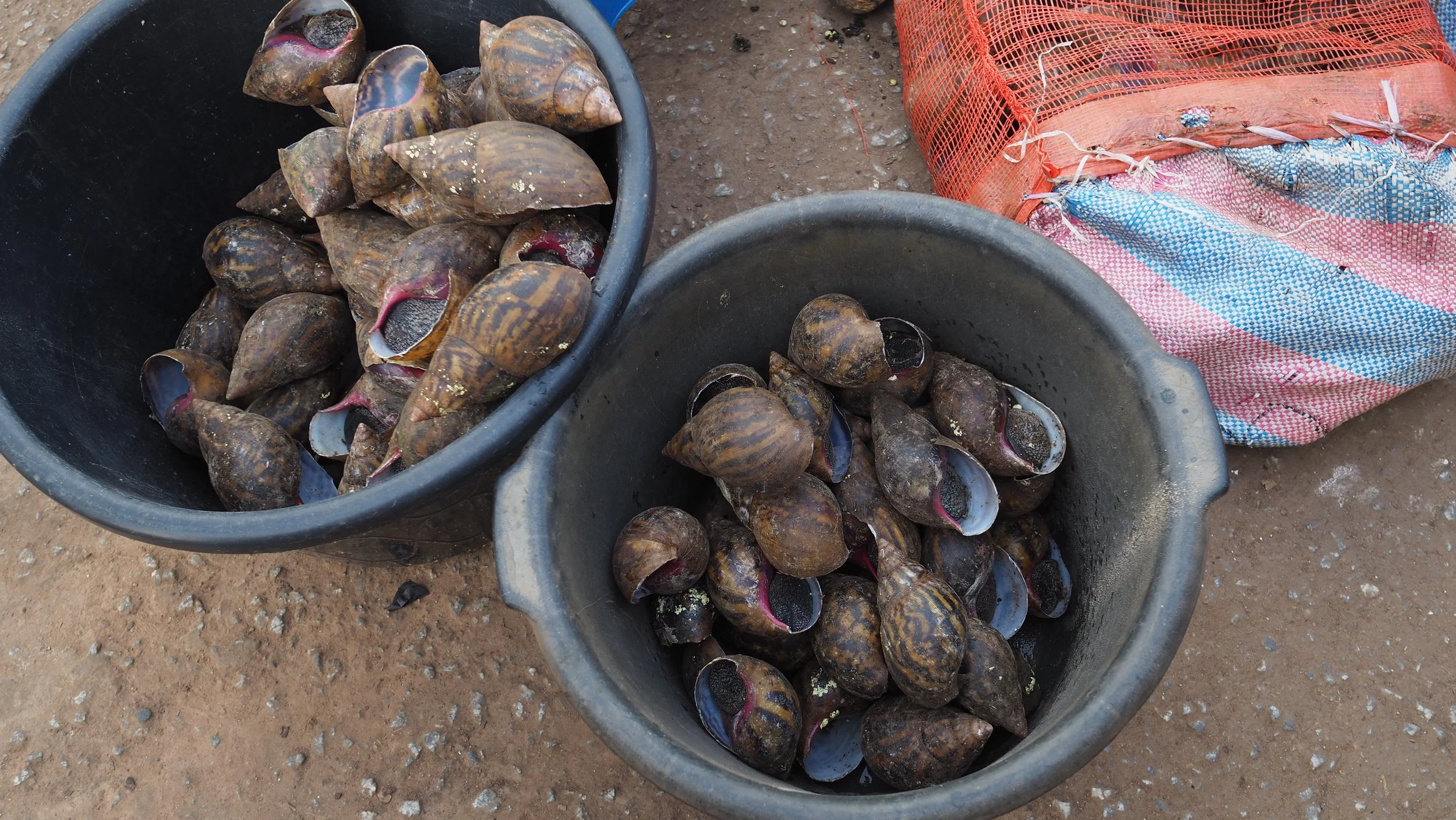
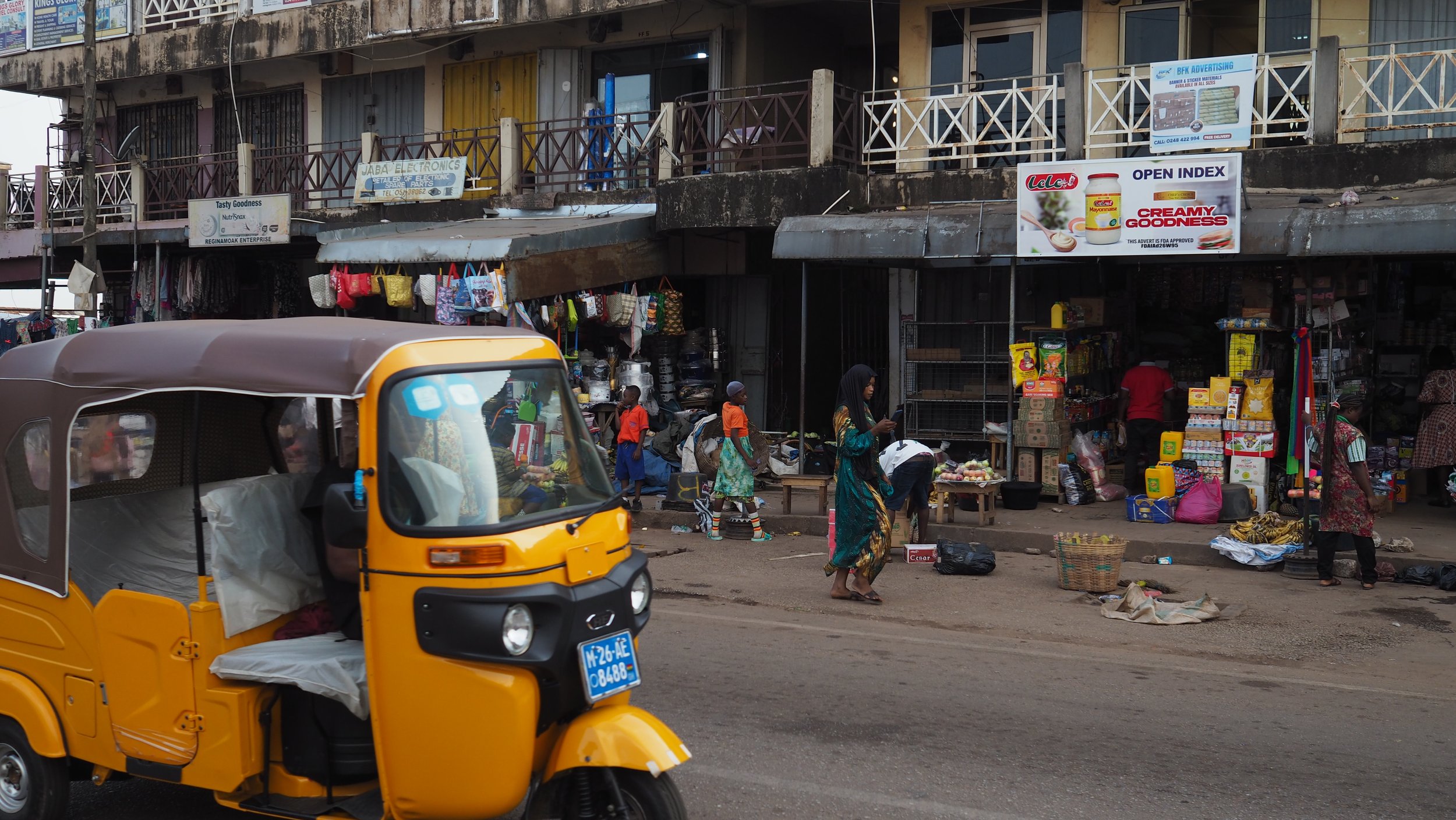
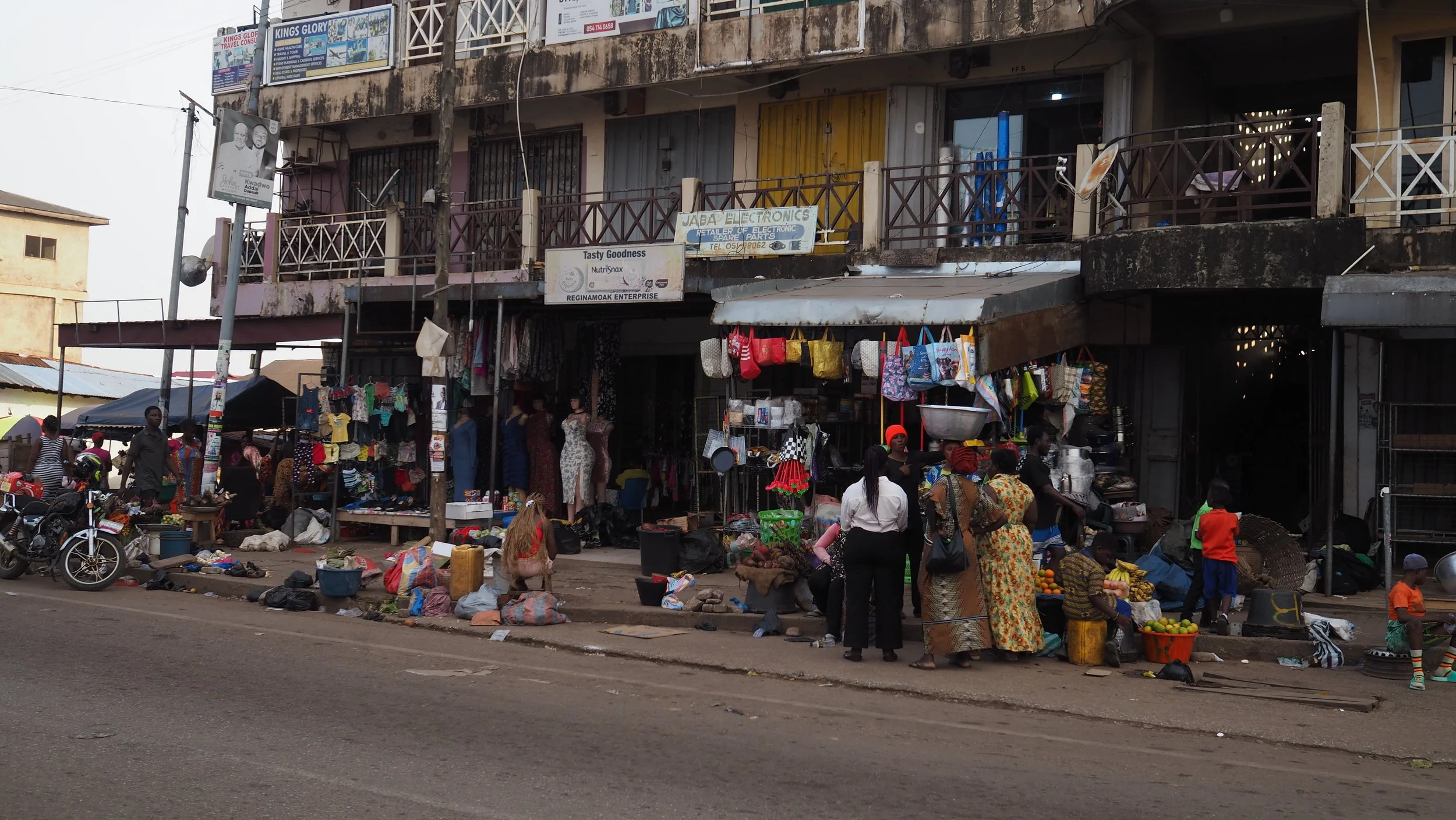
after hours we go off to a local market. the vendors would like us to buy everything, but we don’t know exactly how to prepare yams, cassava, life snails, cow skins and other body parts, or any of the other products that are a bit exotic for us europeans.
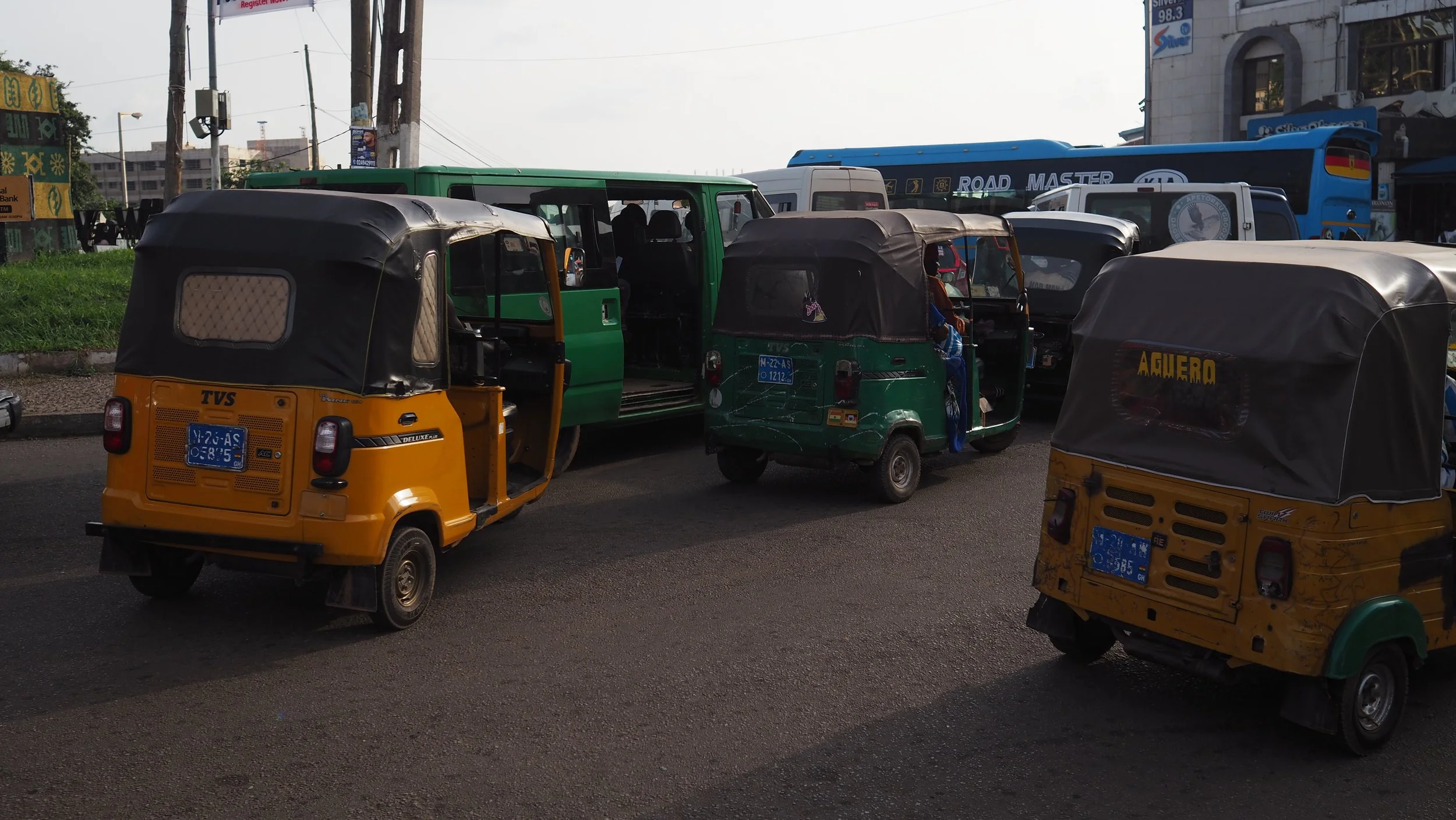
there are a lot of colours, noises and smells here on the market. we soon opt to go on to the cultural centre.
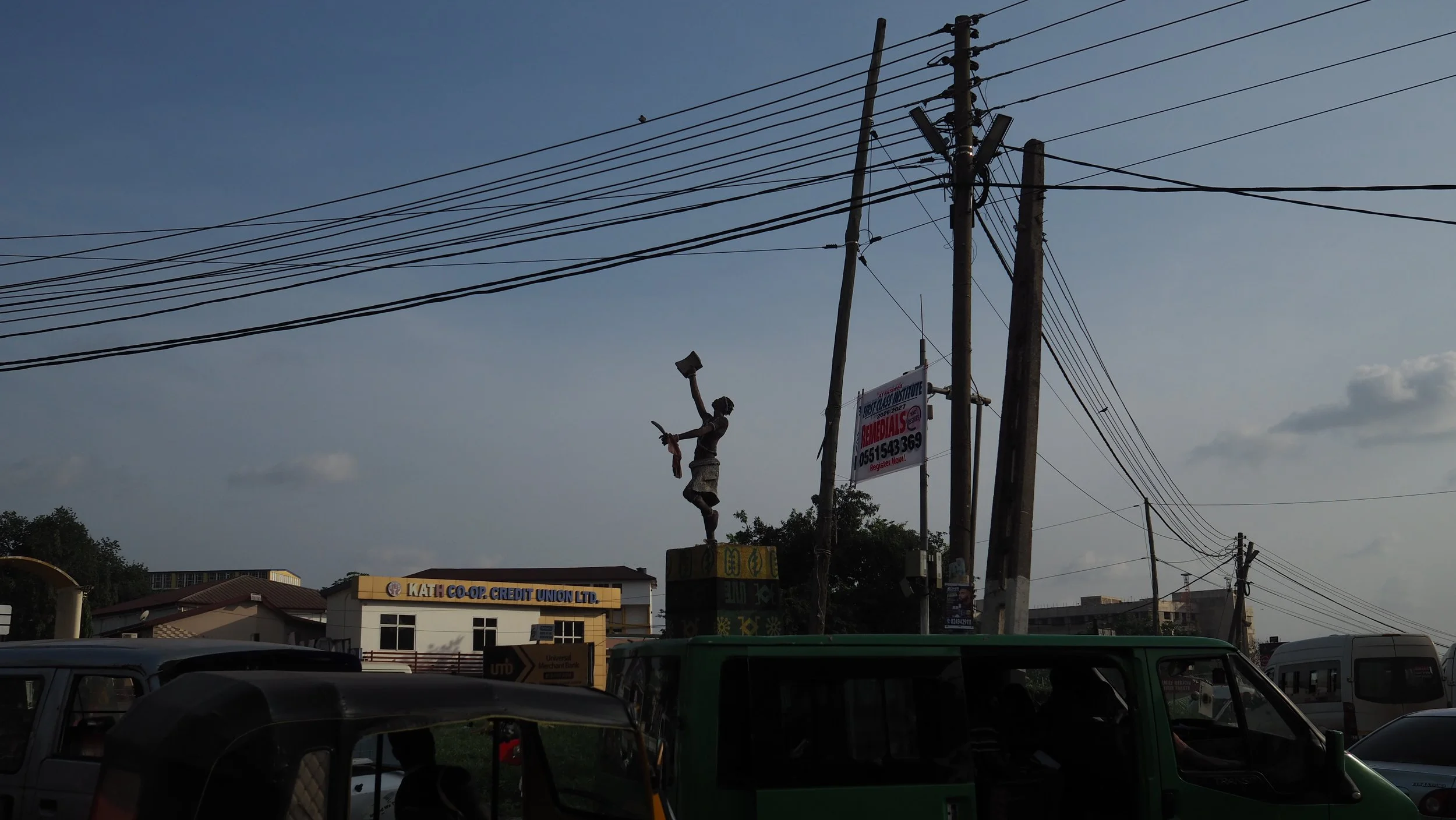
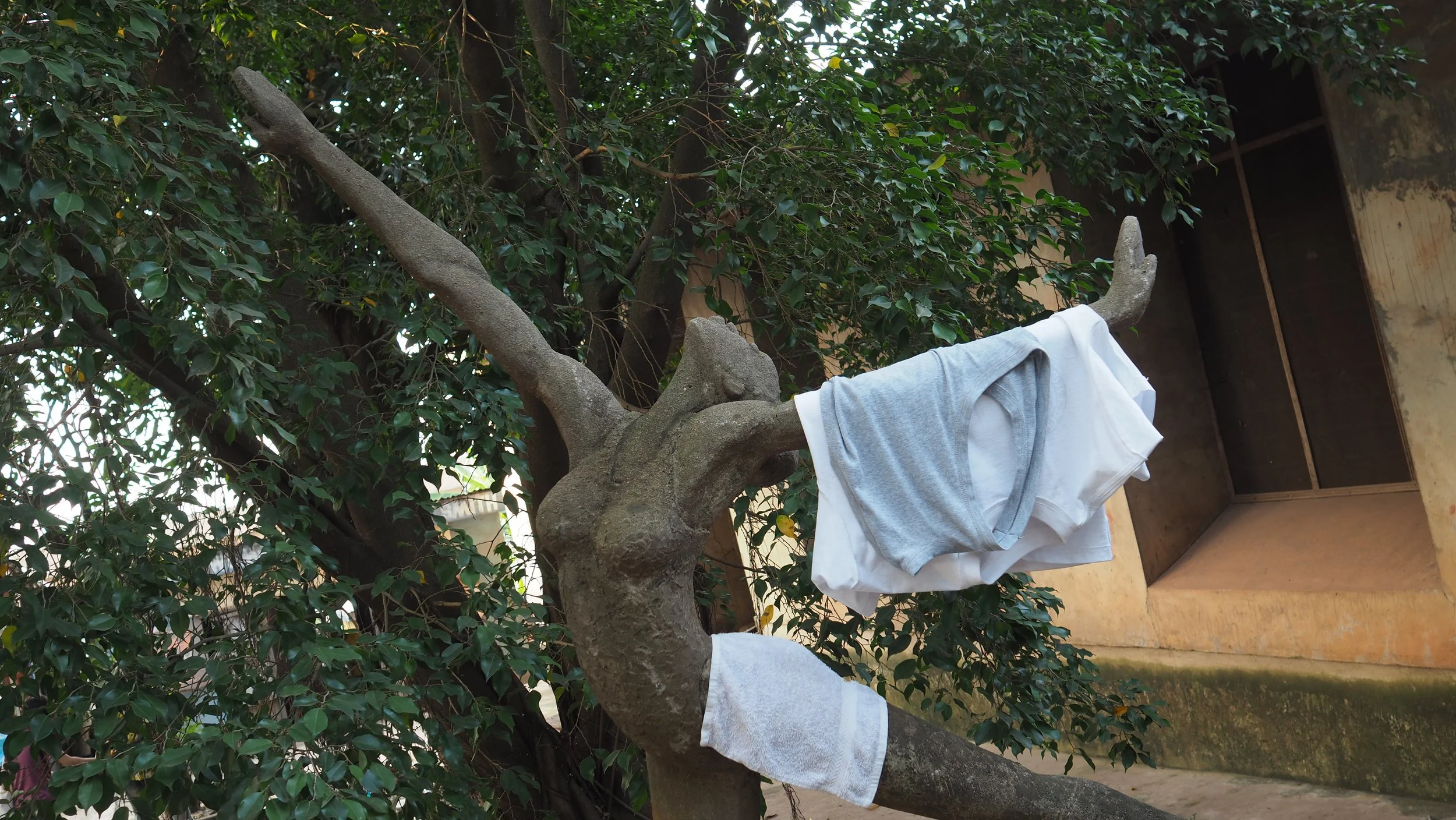
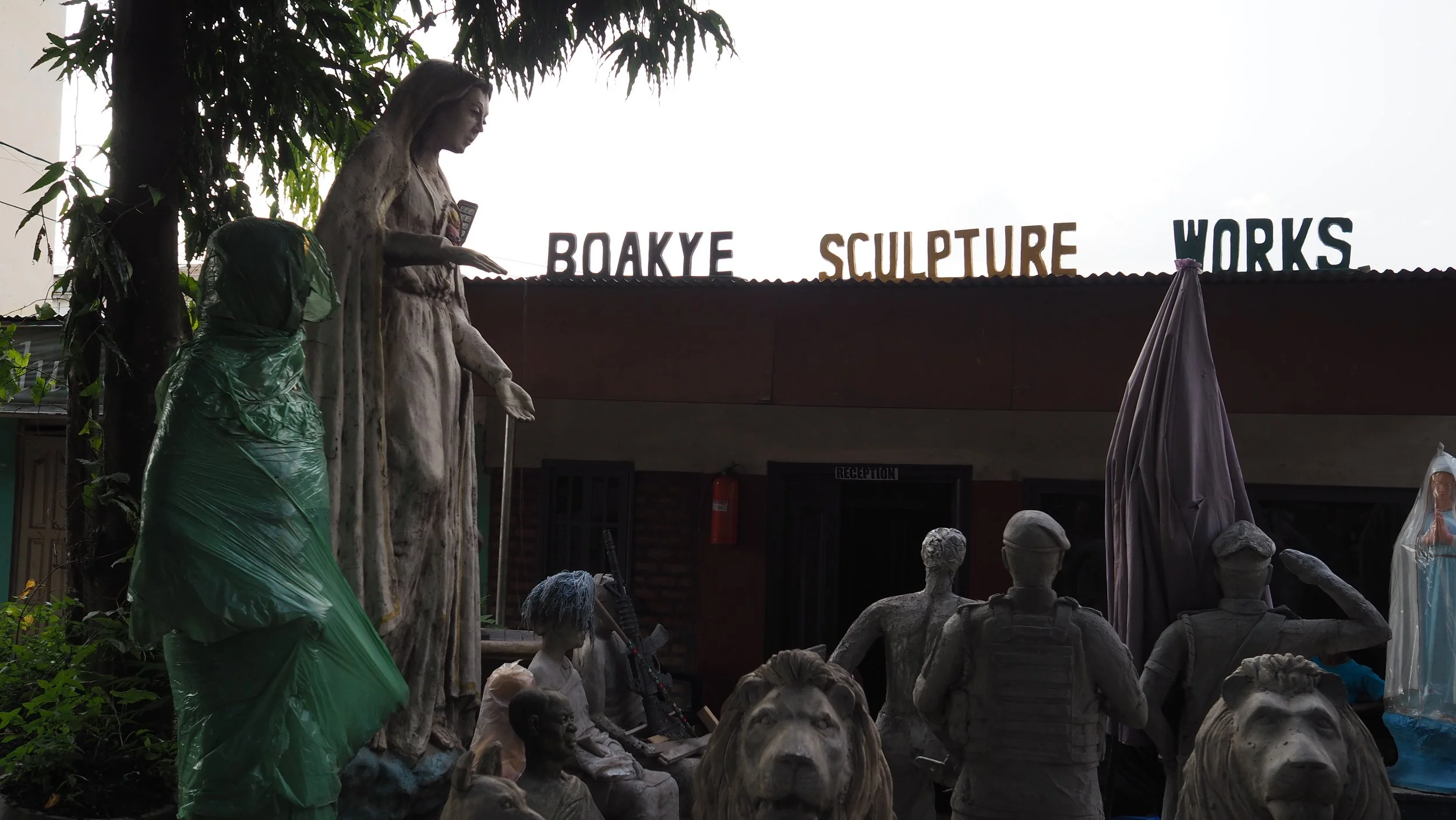
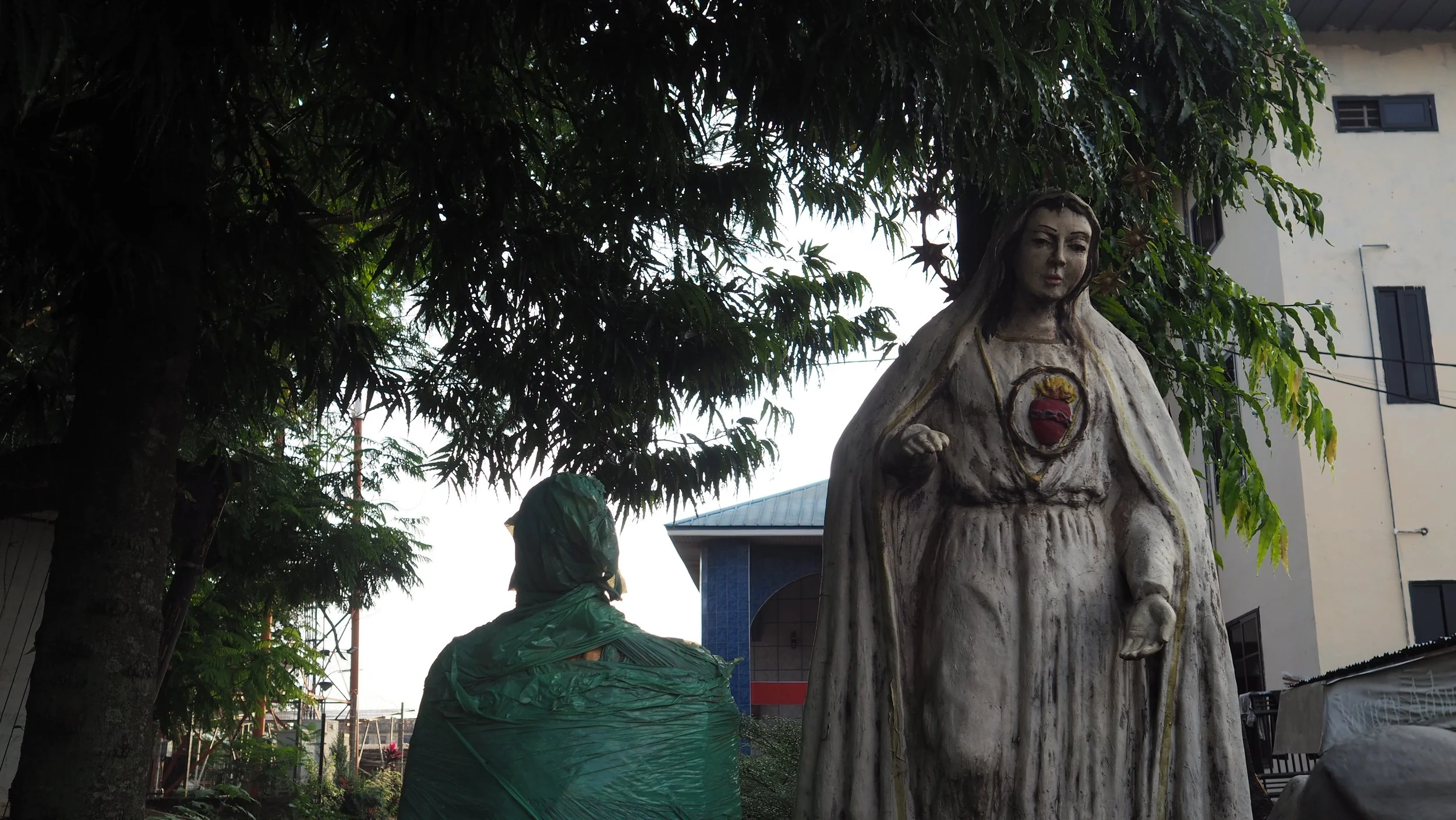
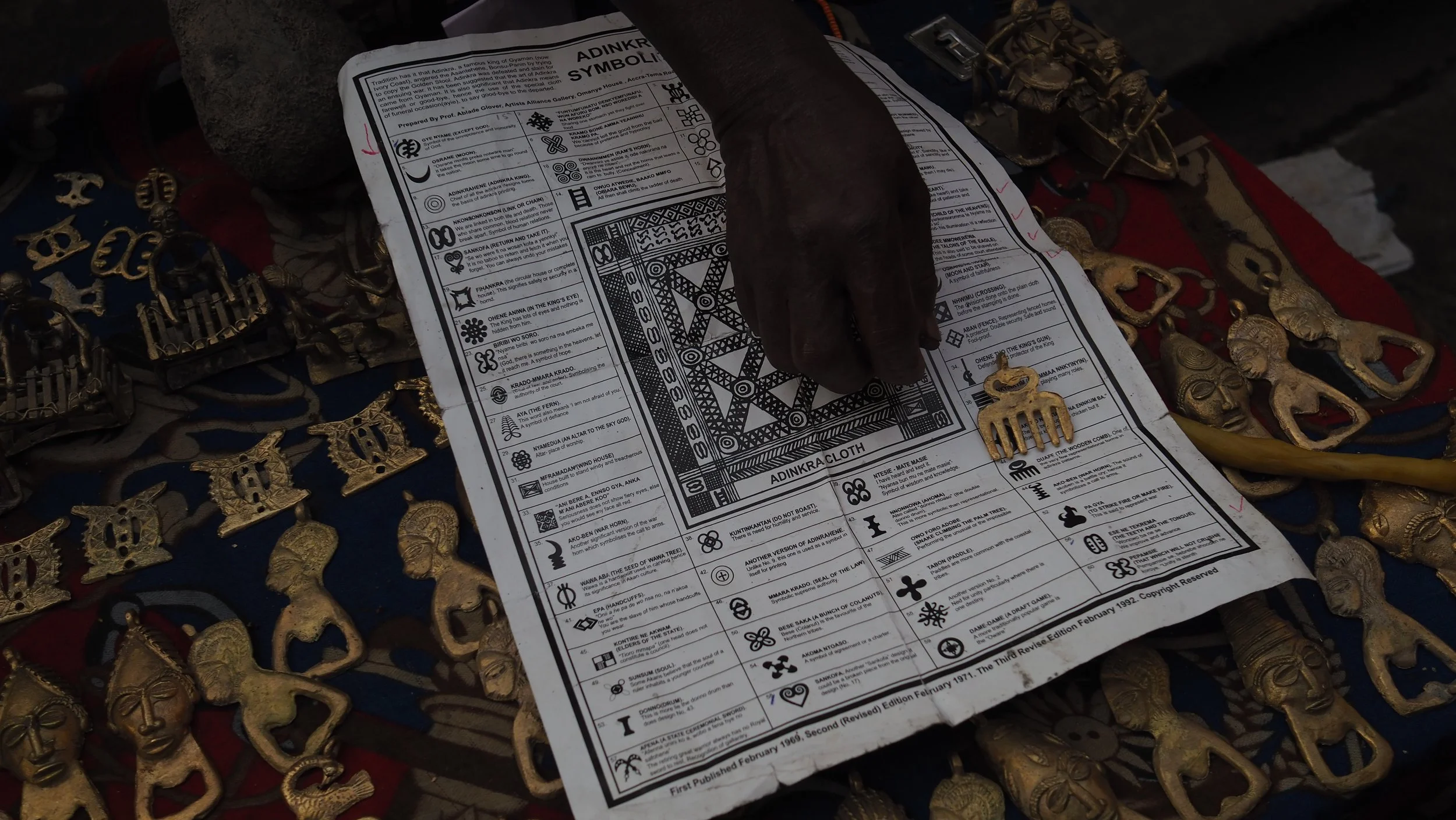
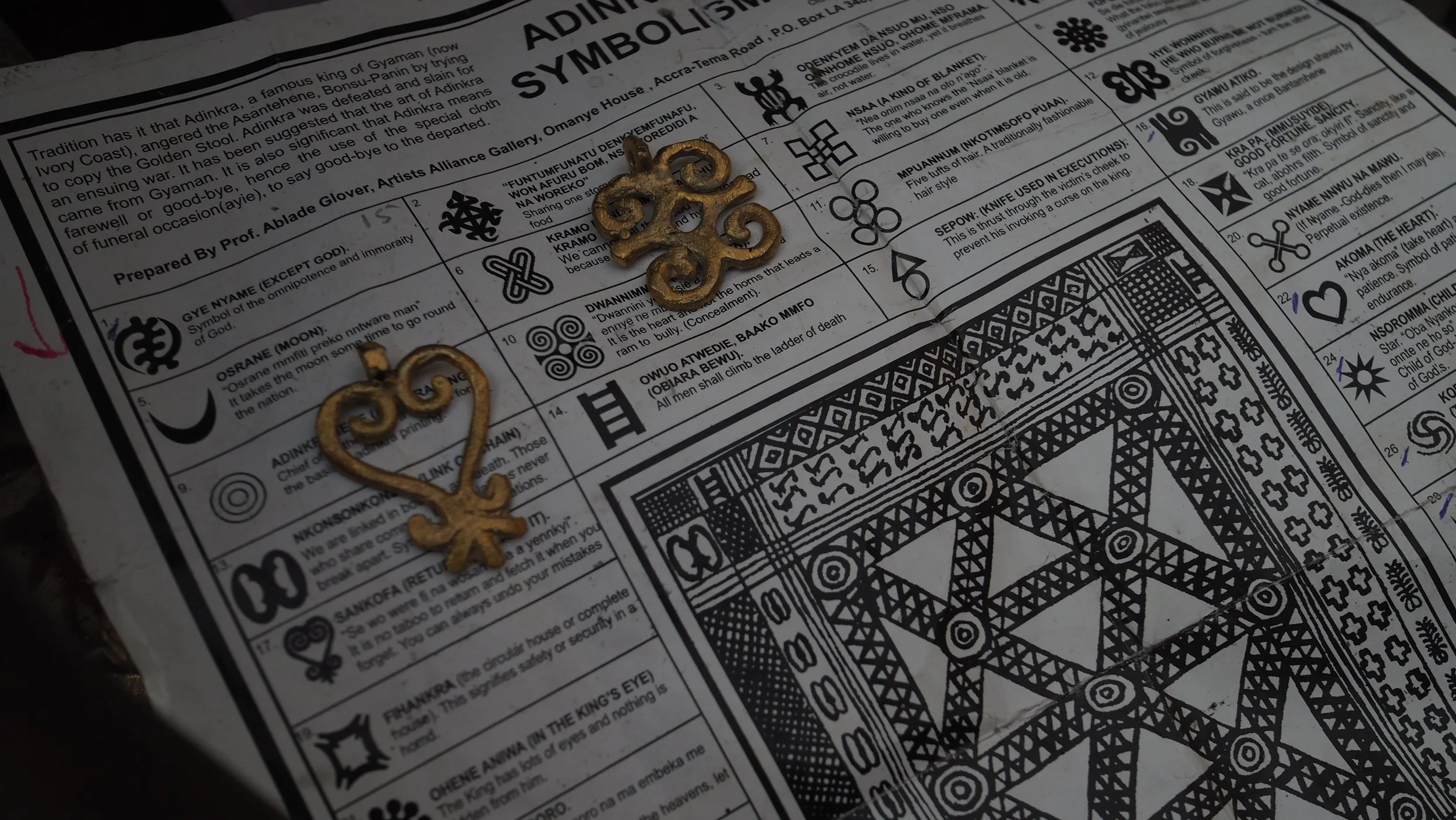
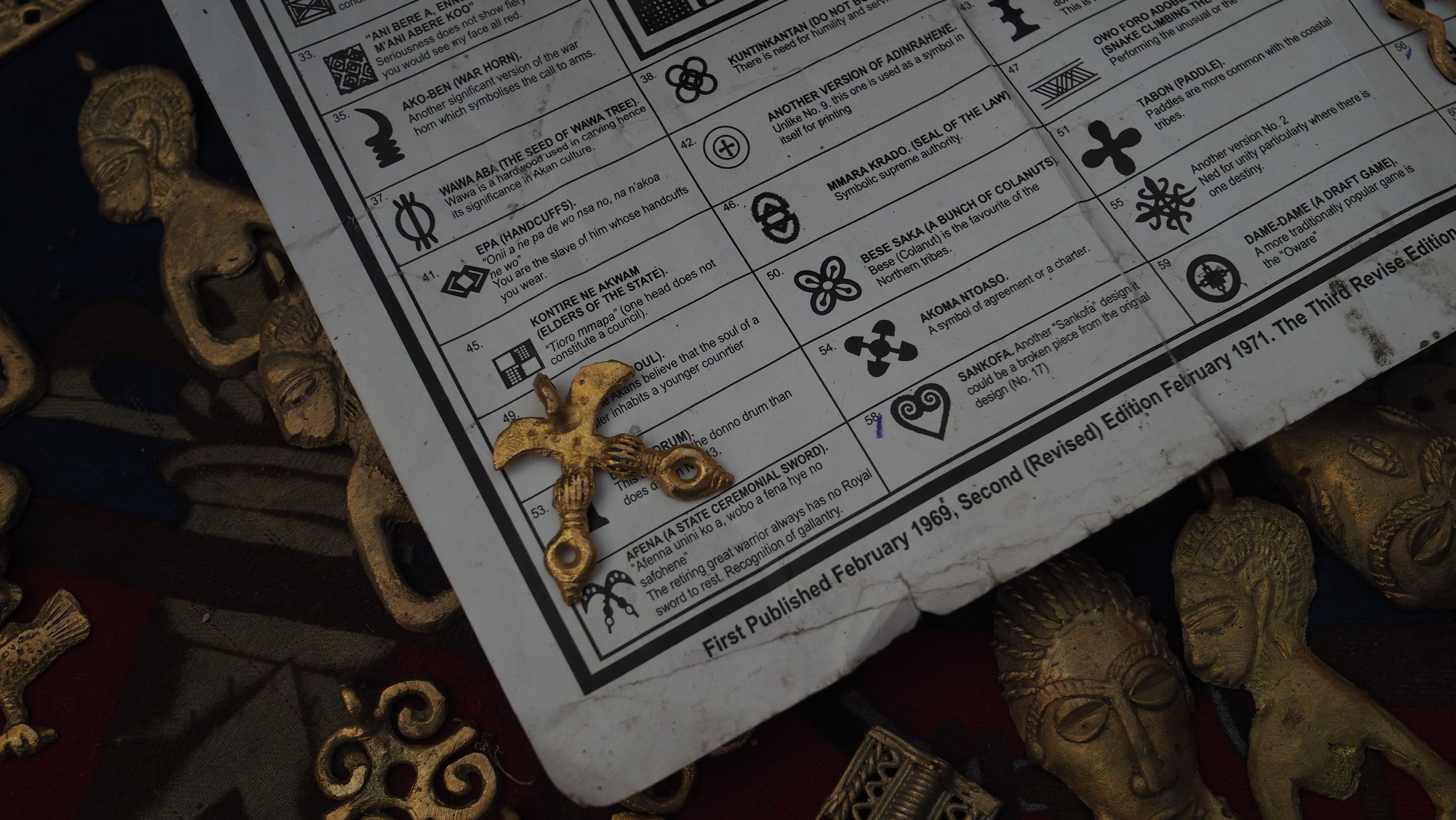
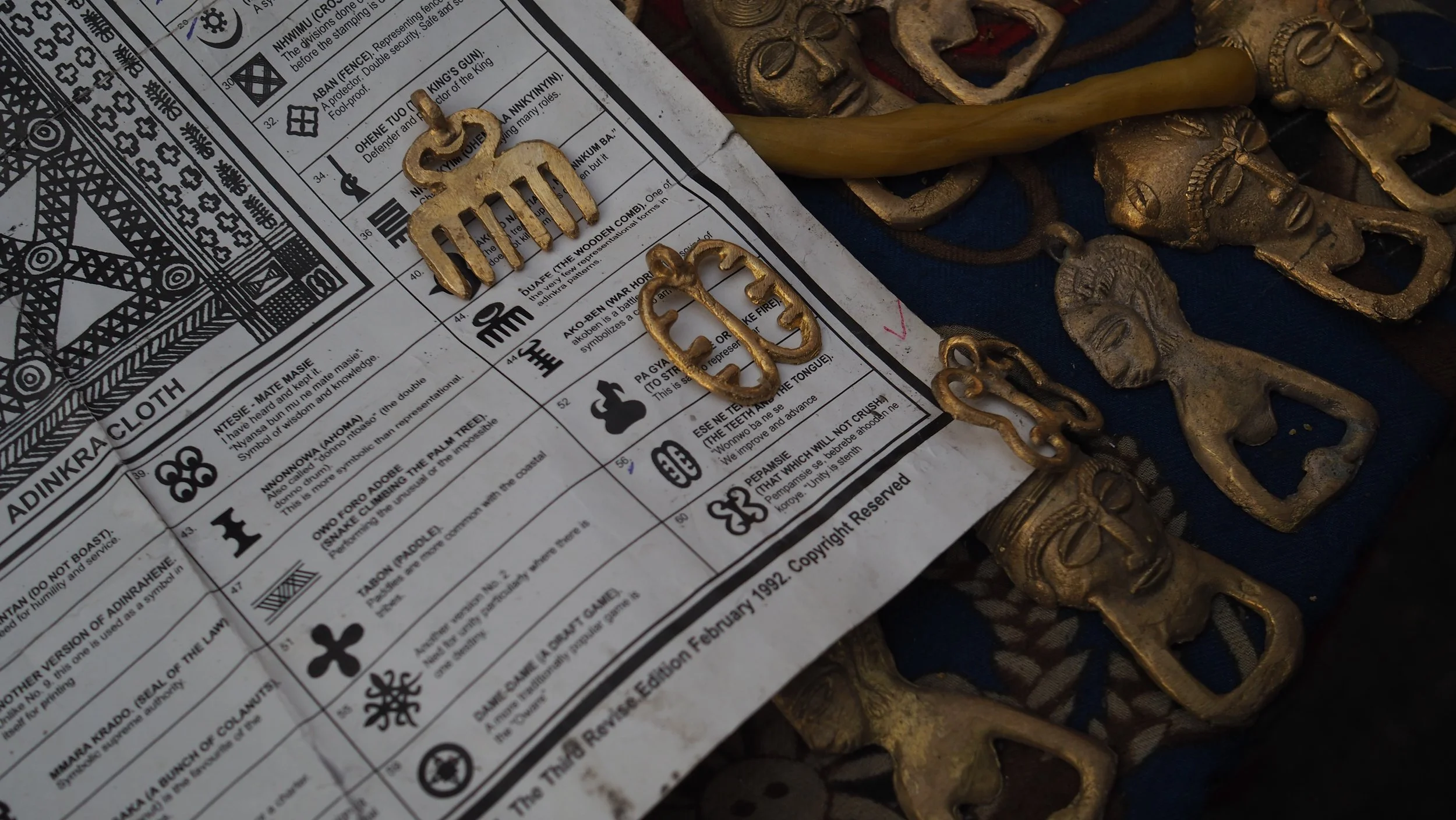
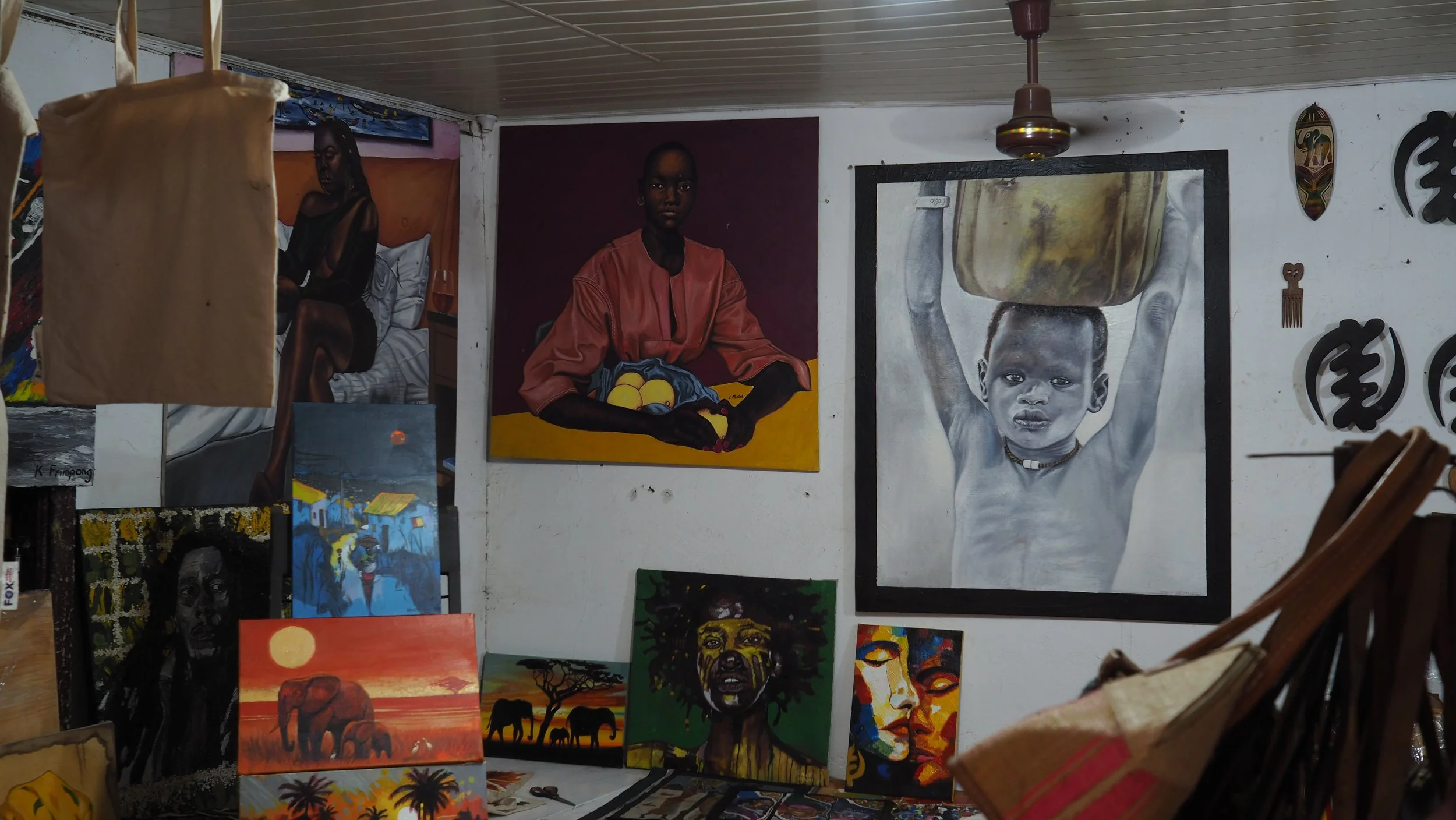
the cultural centre was already preparing to close for the day, so our visit was shorter than we would have liked. nevertheless, we managed to browse a few displays and shops offering a wide range of african arts and crafts.
there were bronze and cement sculptures, traditional drums, paintings, colourful bolga baskets and plenty of other locally made items to look at. certainly enough to make us want to return with a little more time on our hands.
with the day coming to an end, we made our way back to the hospital and our guesthouse, ready to enjoy the evening, catch up on the day's experiences and prepare for another round of training tomorrow.