back in europe. but there are still several posts awaiting publication. so this is day one of ghana backlog week.
in lieu of the project initiators, who are now in their late 80ies, we visited the youth development and educational centre in larabanga, where akeem showed us around the agroforestry project with its fruit trees, vegetable gardens, fish ponds and beehives. a really worthwhile initiative that combines sustainable farming with education and support for disadvantaged children and young people from the surrounding deprived communities.
this visit also gave us the opportunity to return to mole national park, including a night safari. i got no photos to proove it, as it was dark (and i didn’t take the camera along). but we got to see several owls, a crocodile and an elephant.
and we met a long-time friend the next morning. osman.
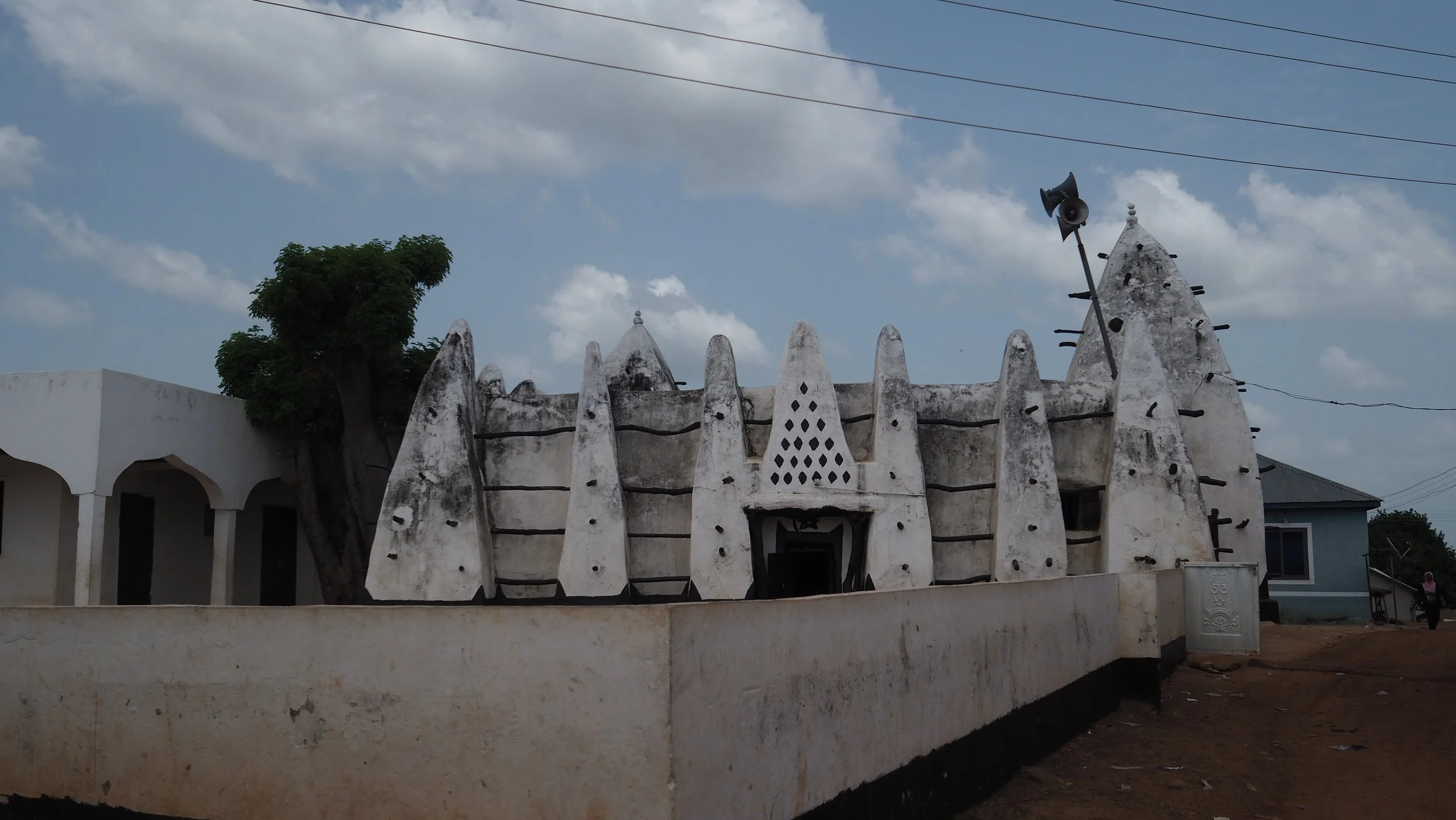
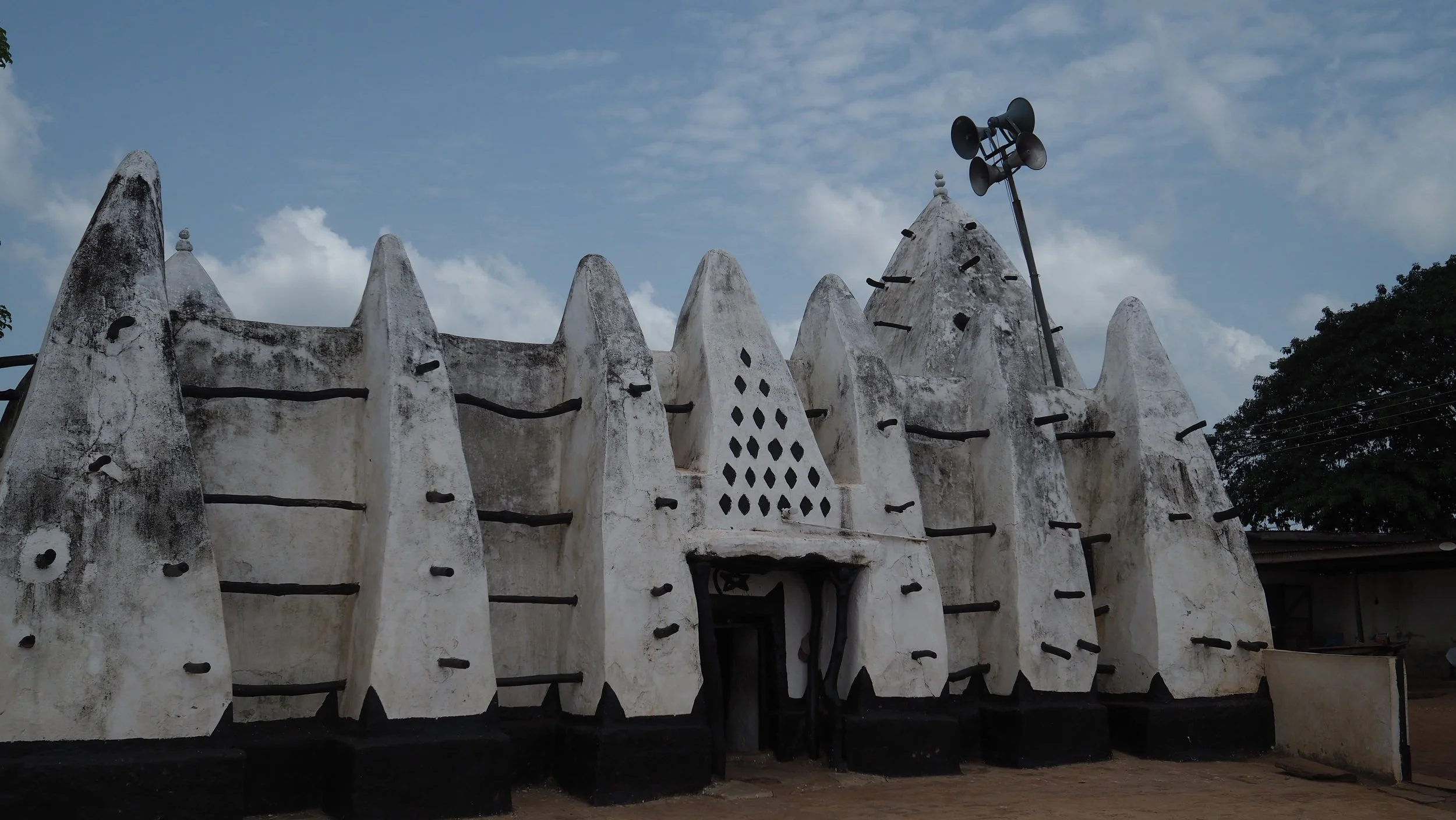
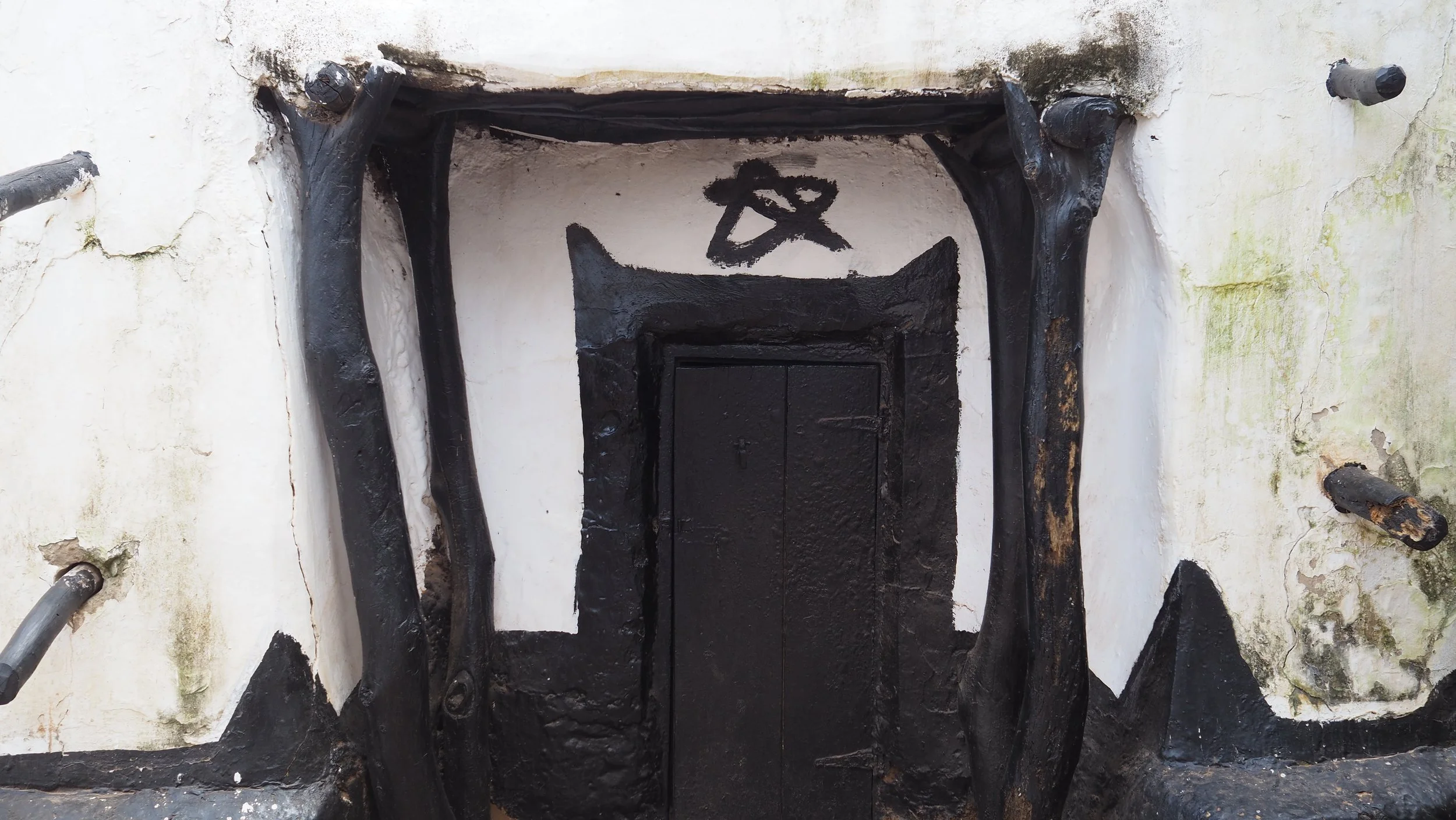
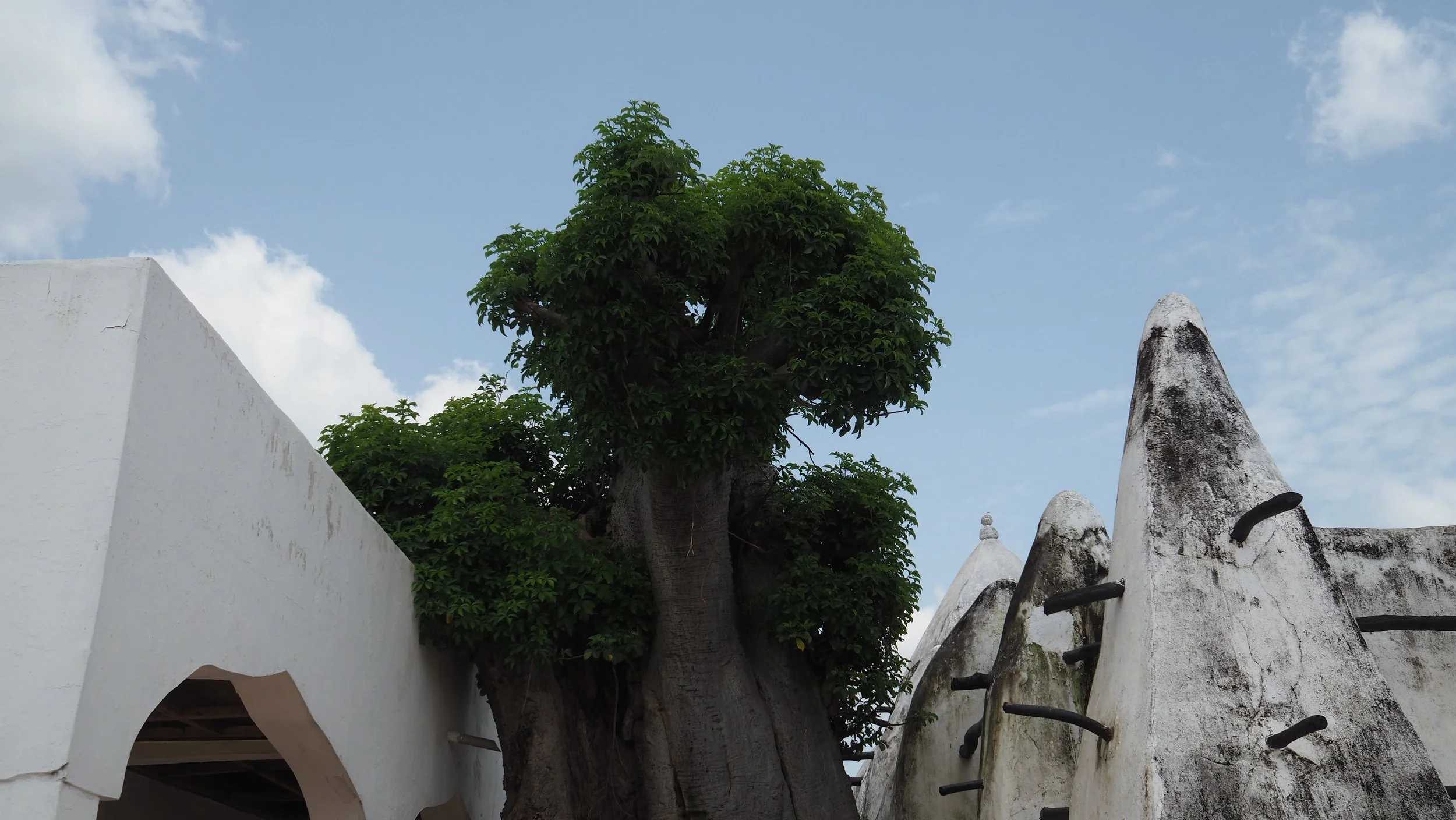
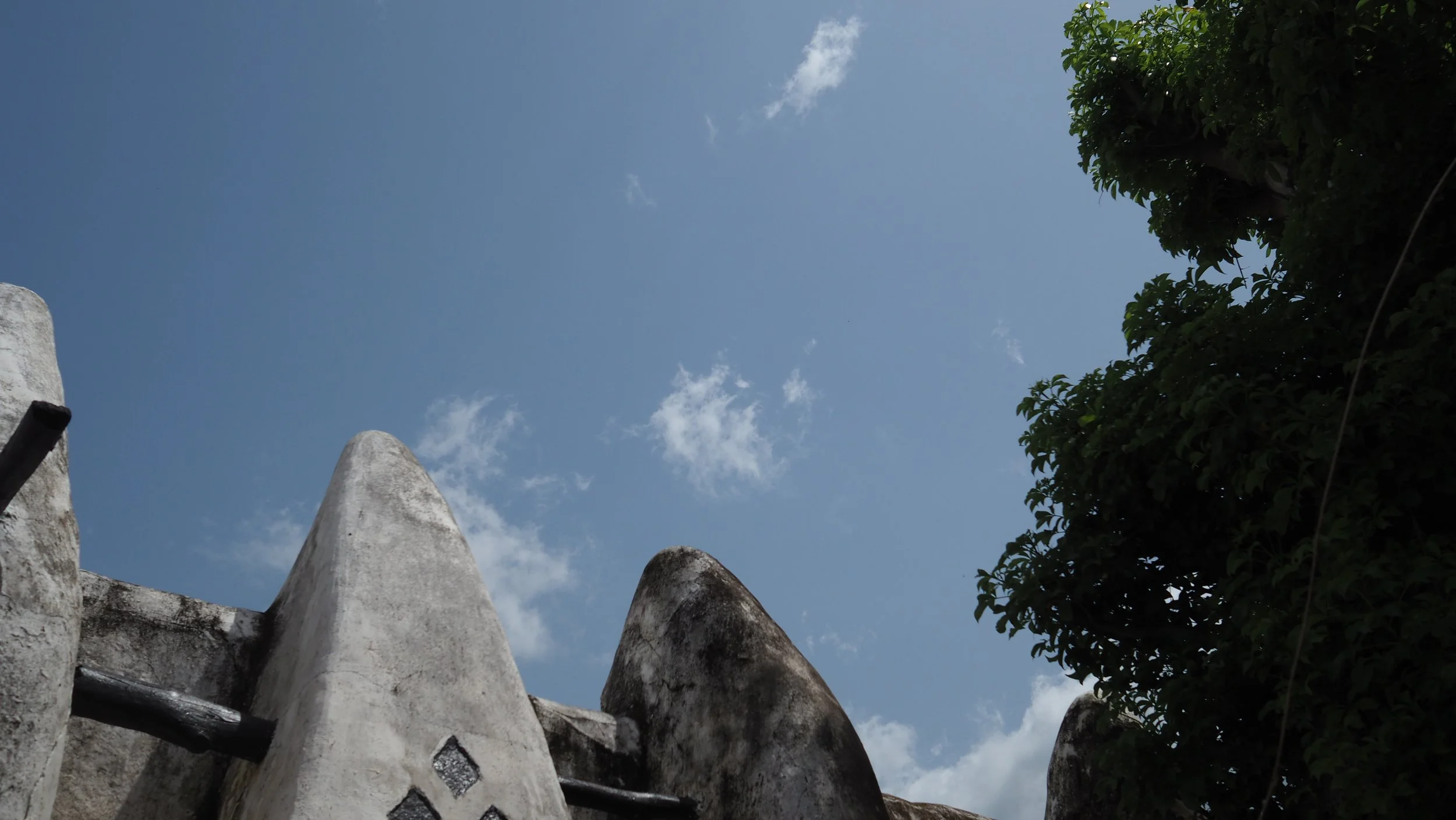
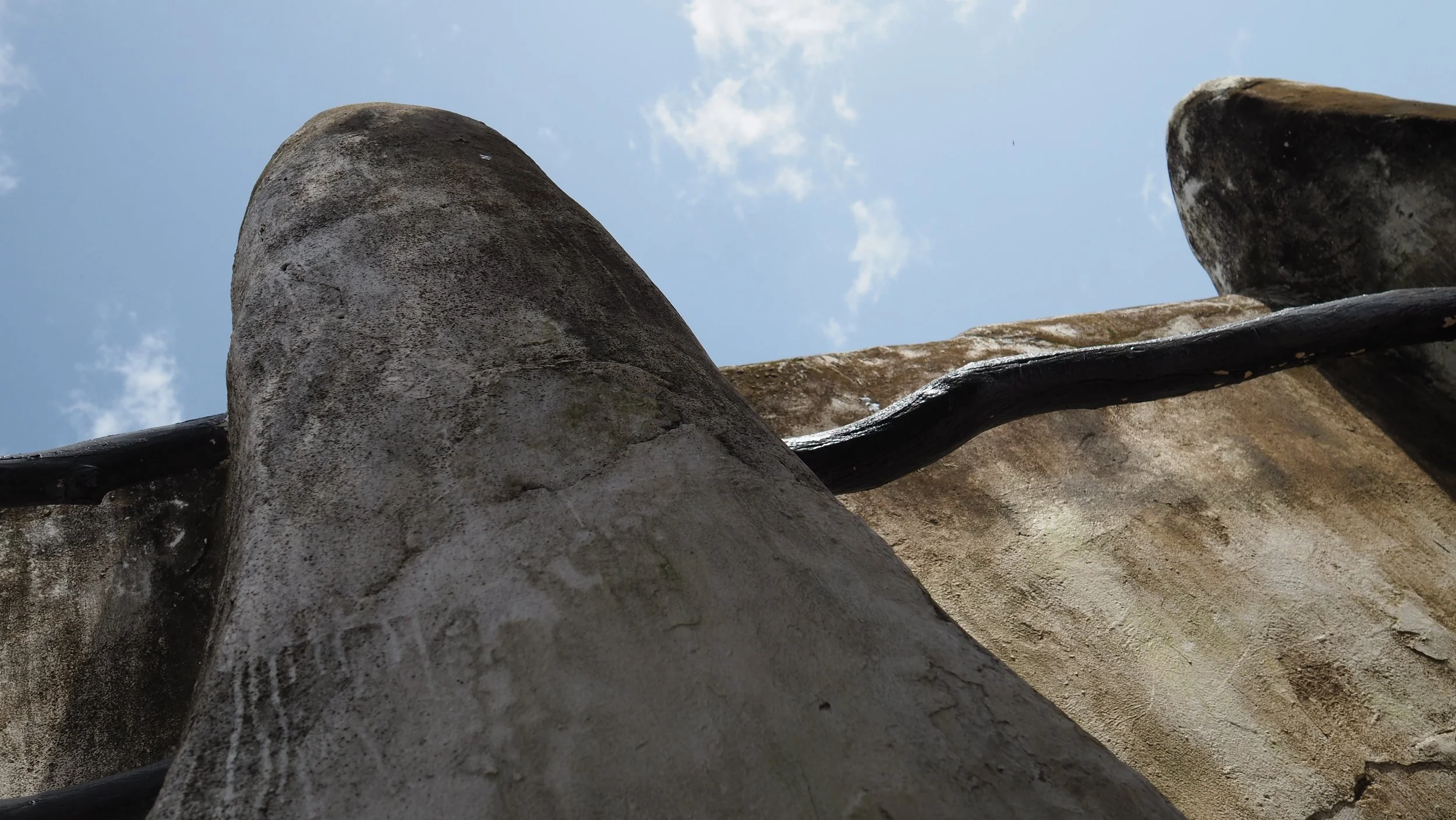
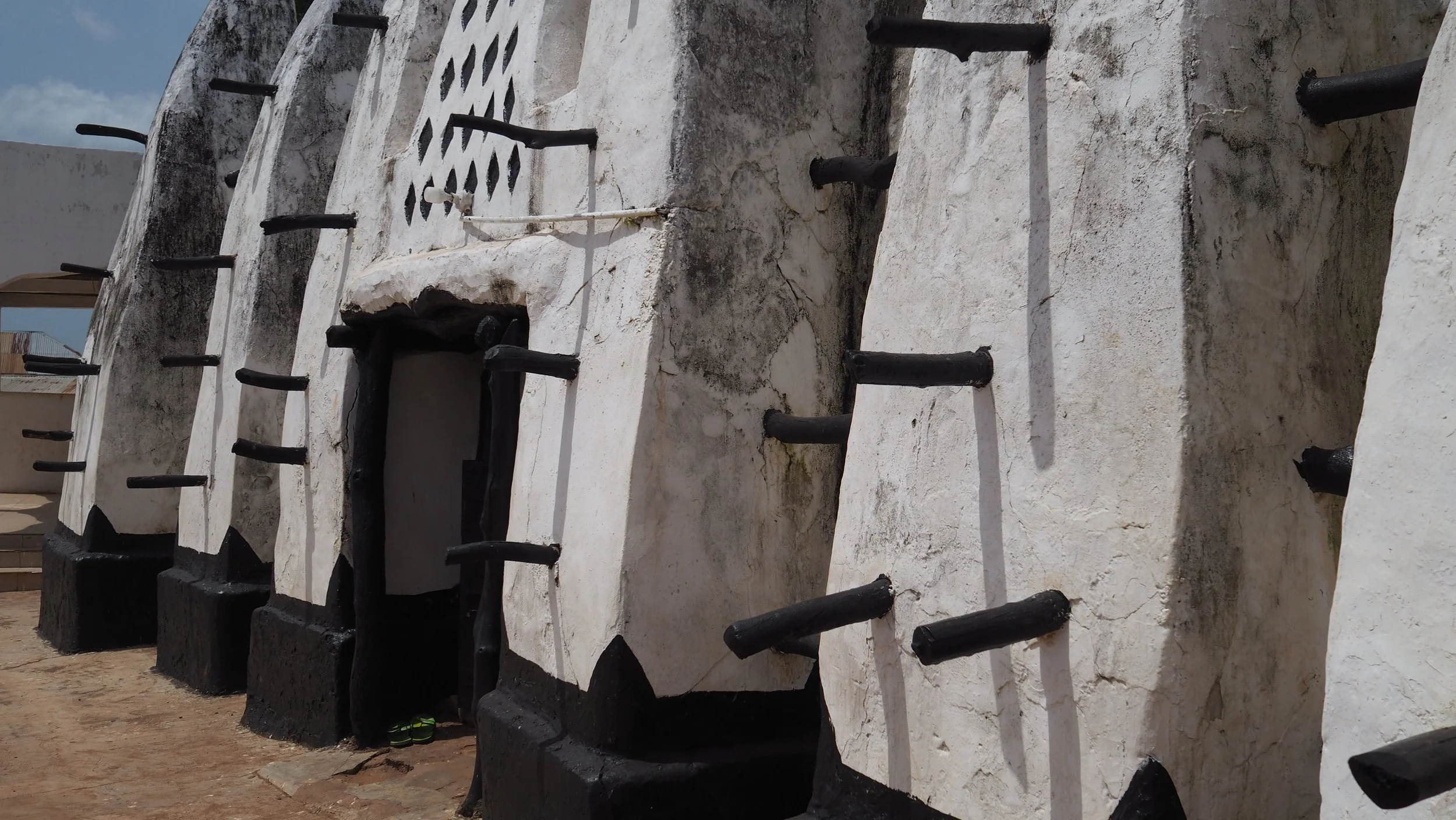
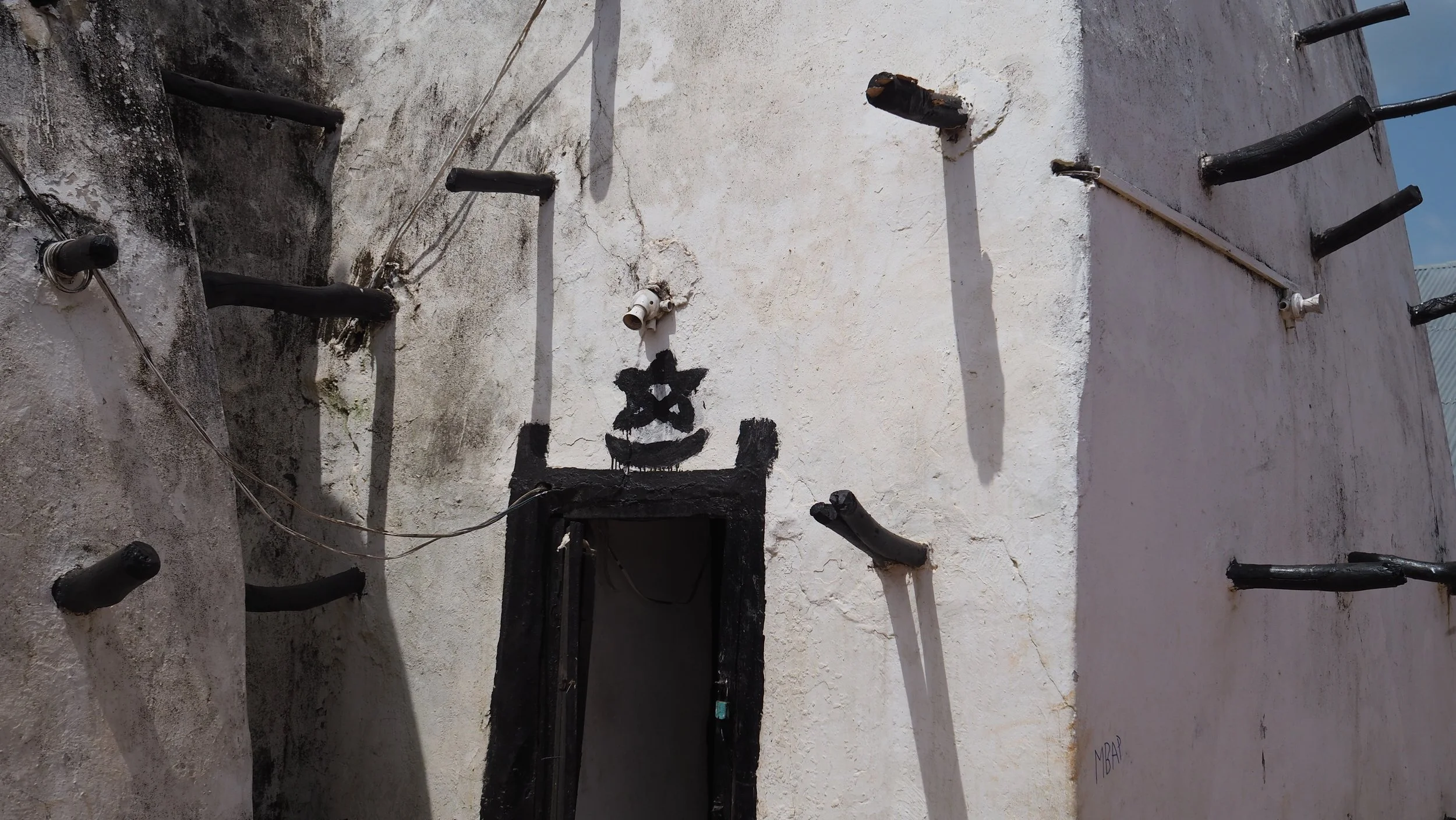
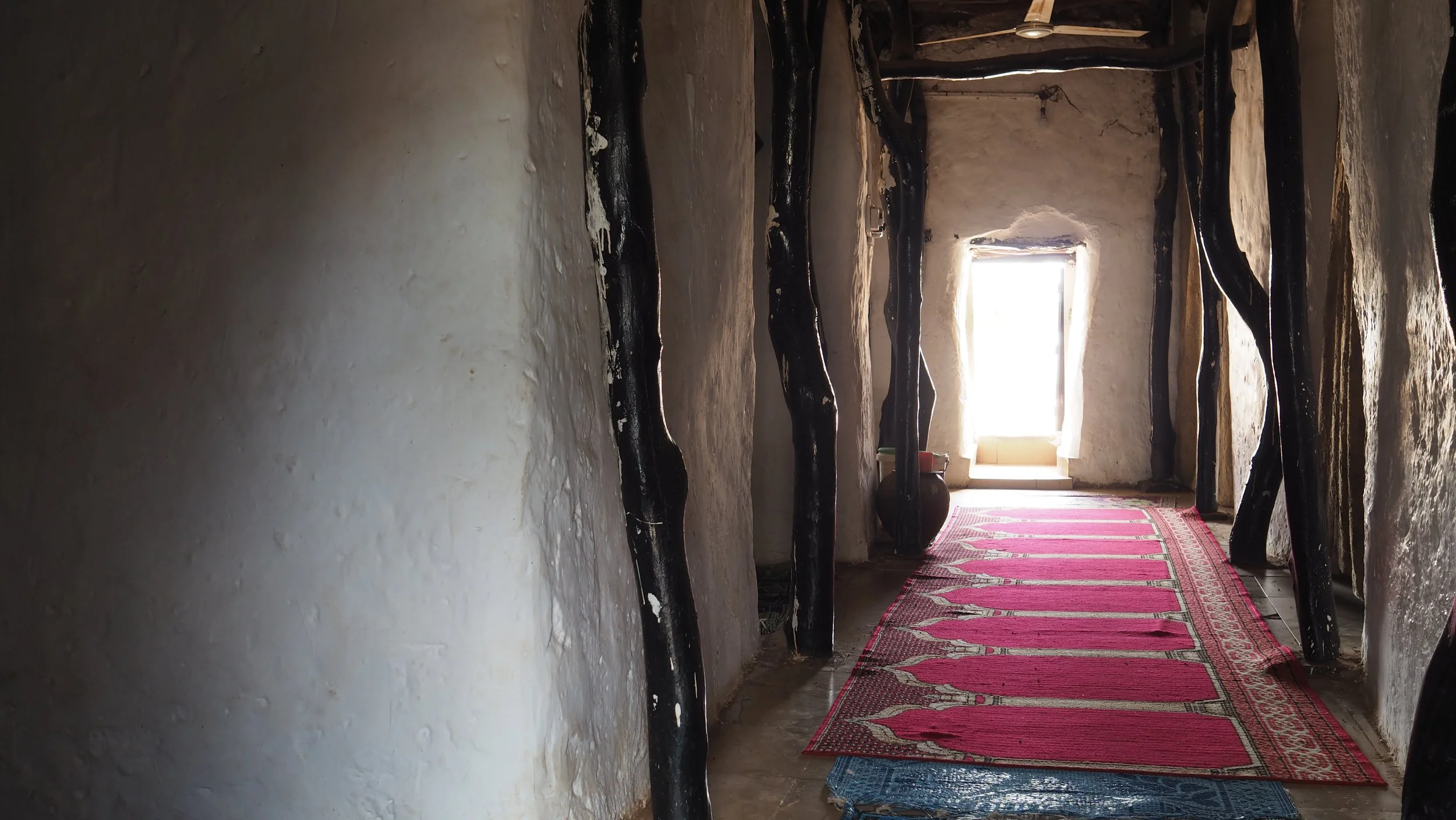
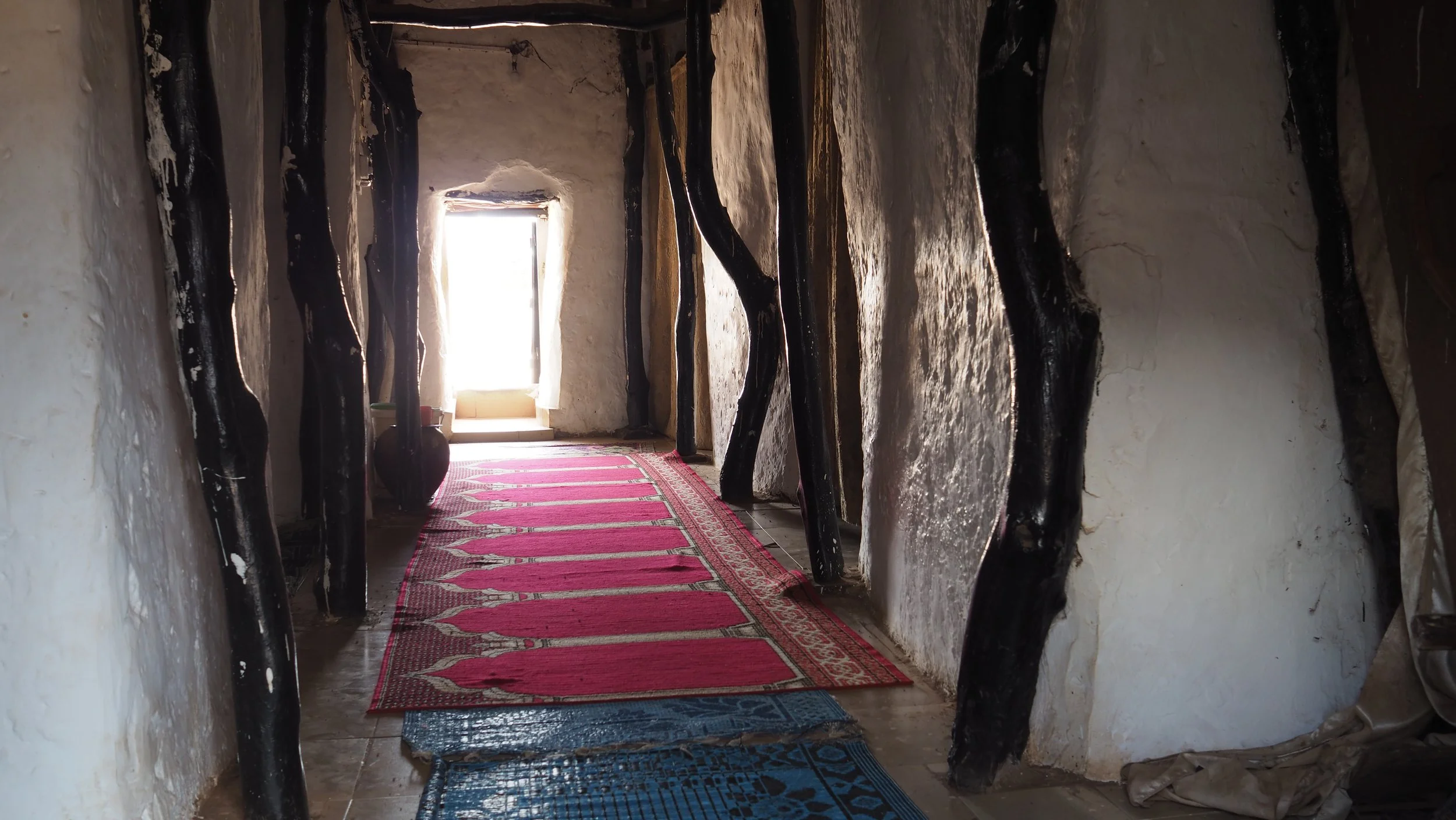
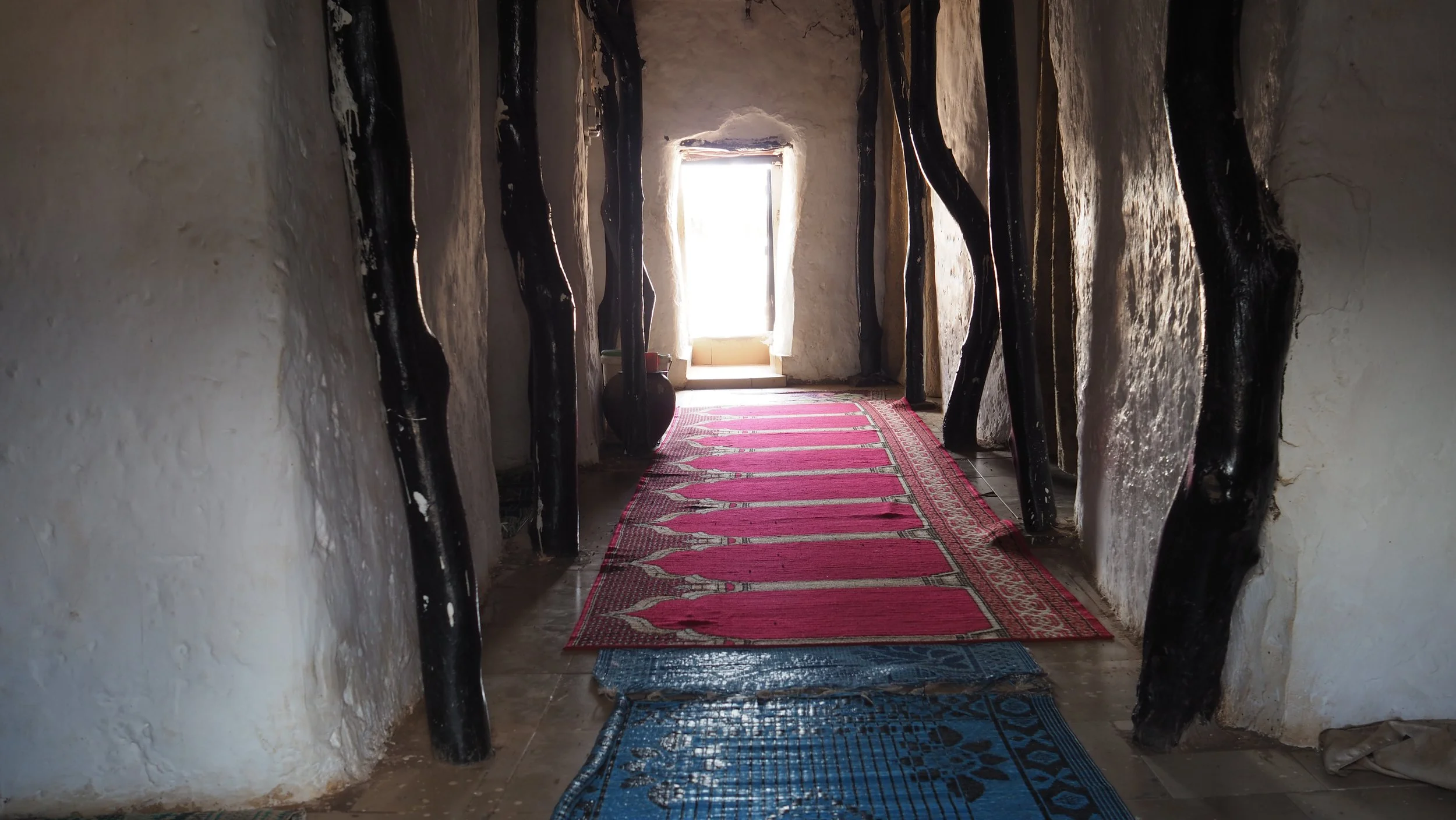
what i do have photos of, is our visit to the larabanga mosque. it is one of the oldest mosques in africa, likely the oldest mosque in ghana. the story goes that an islamic trader had a dream telling him to build a mosque here, and when he woke up the foundations were already in place. the large baobab tree next to the mosque supposedly grows on his grave, and locals still use its leaves for healing. a really fascinating place, built in traditional sudanese style and considered one of the most important islamic pilgrimage sites in west africa.
the people of larabanga are understandably proud of their mosque. visitors are welcomed and shown around (not in, unless you are muslim yourself). but there is another side to larabanga, which becomes apparent when talking to the locals.
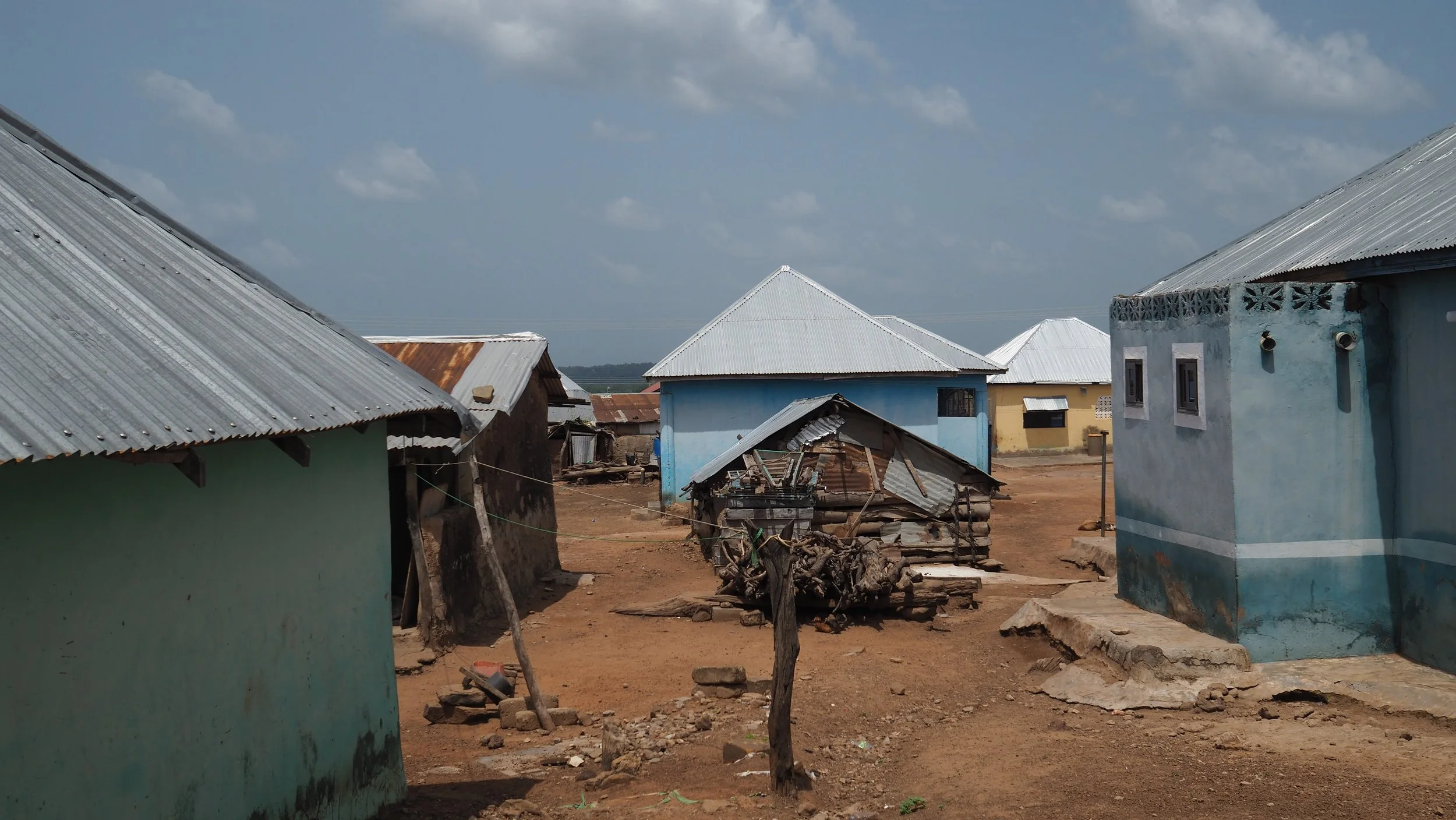
despite the historical significance of the mosque and the proximity to mole national park, the community of around 4,000 people remains rather poor.
a young local man involved in the larabanga empowerment project, shared a proposal with us outlining some of the challenges: schools in poor condition, children walking 5 km to school because they cannot afford a bicycle, limited access to clean drinking water and healthcare, and farmers struggling to make a living from their land, sometimes losing their crops to wildlife from the national park without compensation.
the community has some practical ideas about what would help: better schools and educational materials, a community learning centre offering vocational training and computer skills, functioning boreholes for clean drinking water, agricultural equipment and training for farmers, and support for women producing shea butter. some progress has already been made, with school supplies distributed to more than 50 children, over 15 bicycles donated and land secured for the proposed learning centre. and the yodec farm as a small addition, supported by rotary clubs and the german rotary volunteer doctors.
to reassure potential donors that their money actually reaches the intended beneficiaries, every donation is recorded in a visitors' book which is available for anyone to inspect. the idea is to make sure that none of the donations get ‘chopped’, as the locals would say when money disappears into someone's pocket.
in addition to the trip to larabanga and mole we also had a trip to the northern border of ghana. together with our friend ishmael from moringa travel & tours. in fact we set foot (no, wheels) into burkina faso or the nomansland between the two countries. then we turned and stopped shortly after to visit the ancestors of paga.
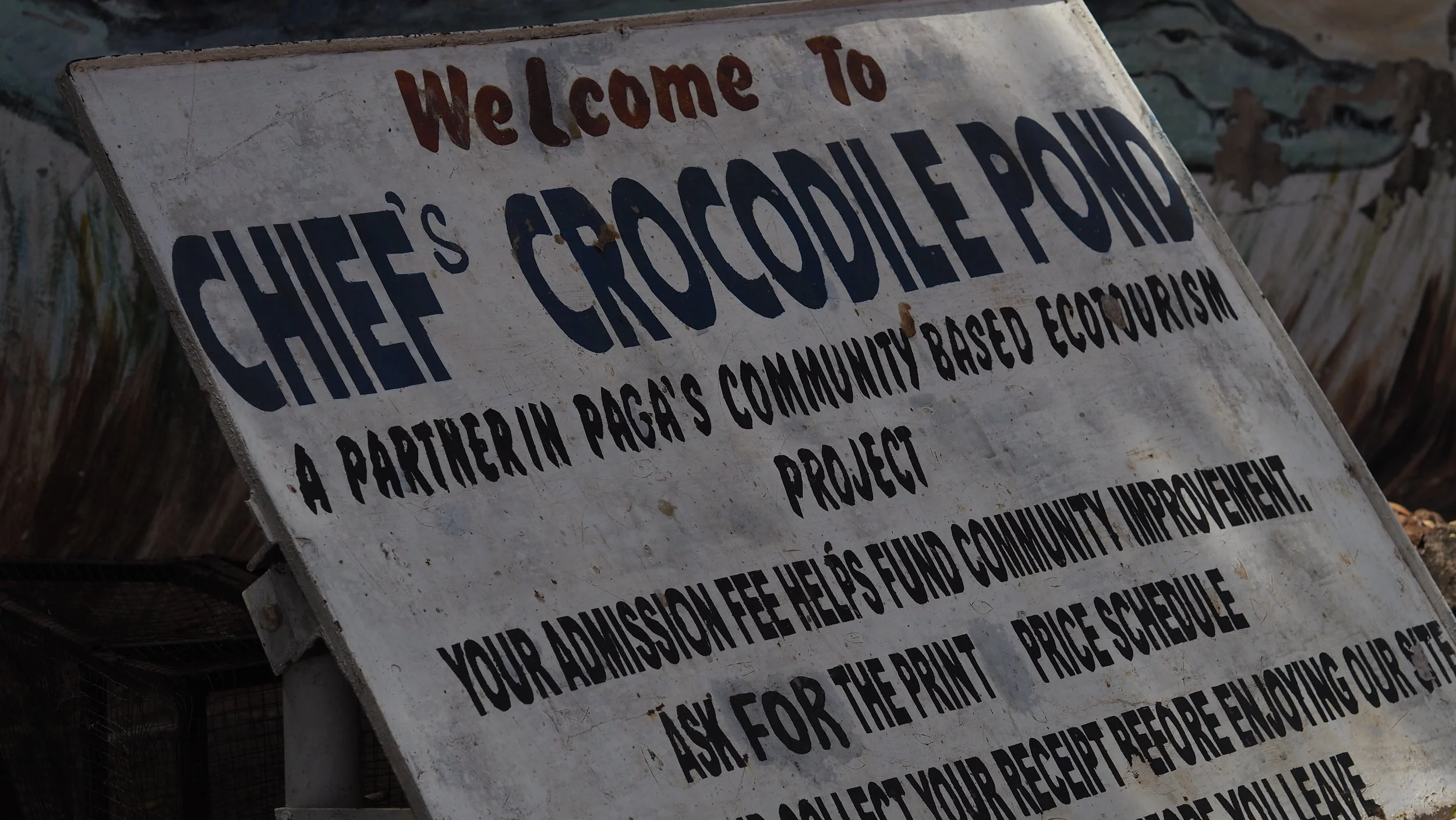
paga stands short for ayipaga - ‘the place i set my eyes on’. the founder of paga reportedly decided with this exclamation where his new home should be.
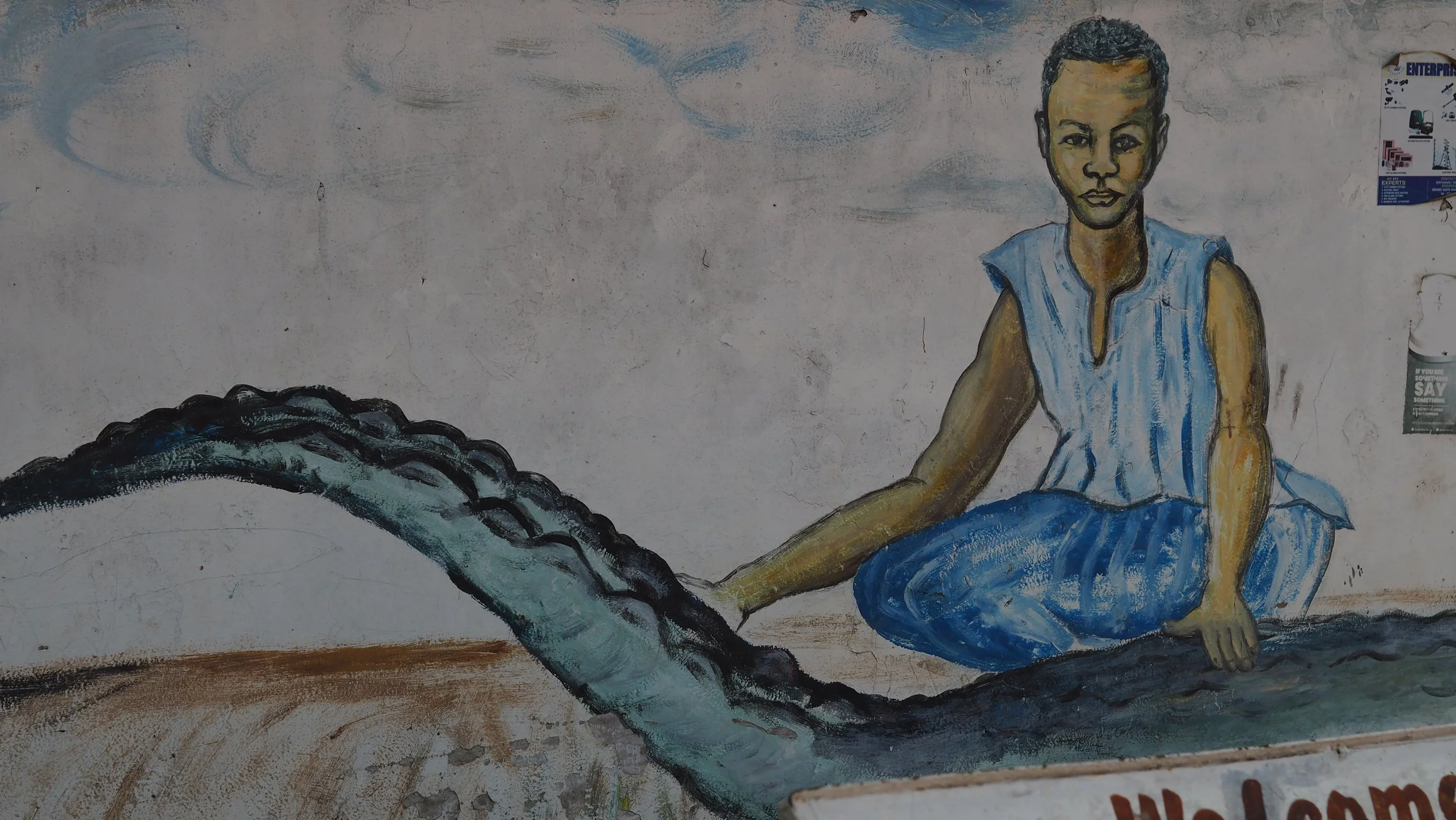
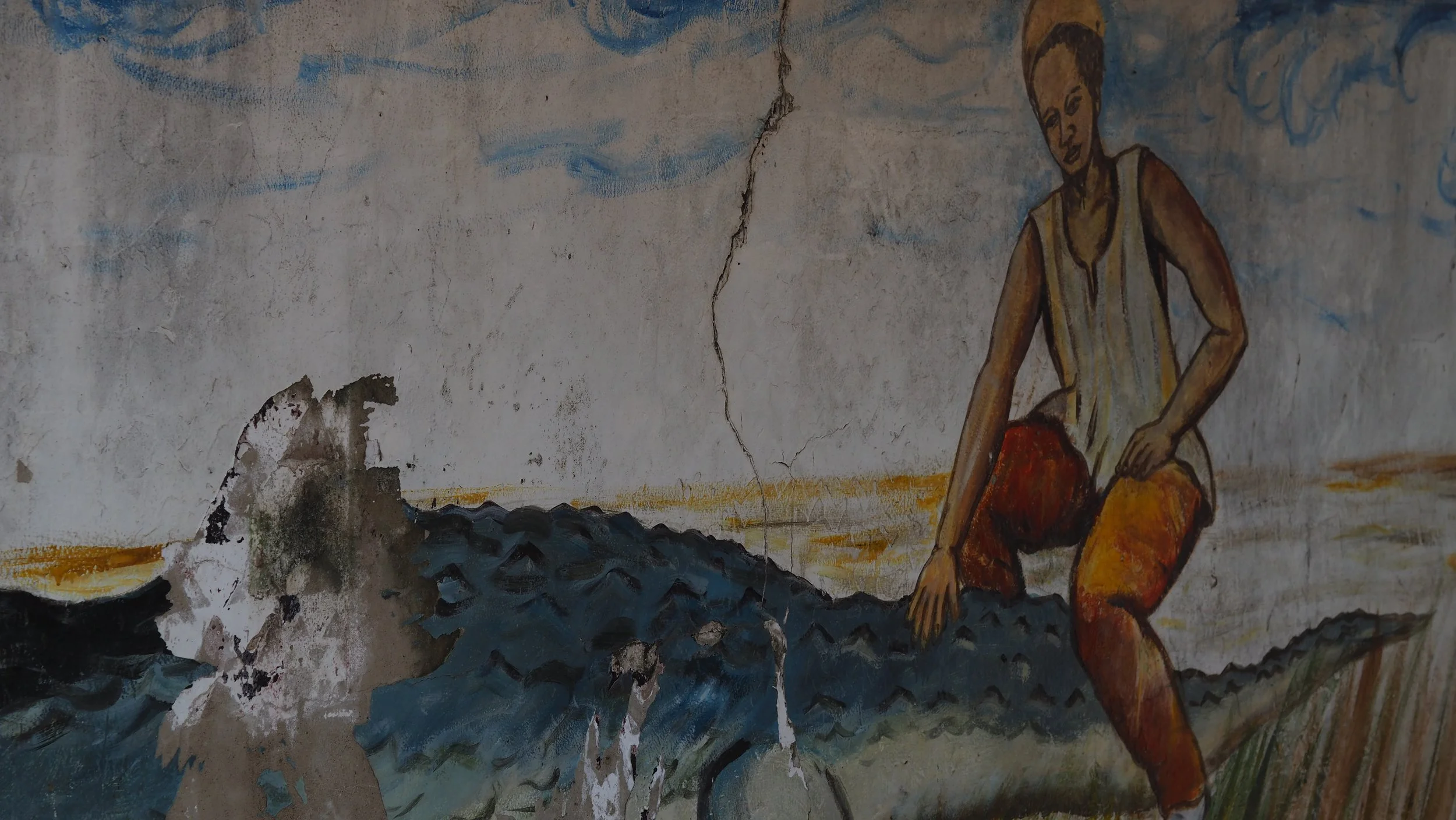
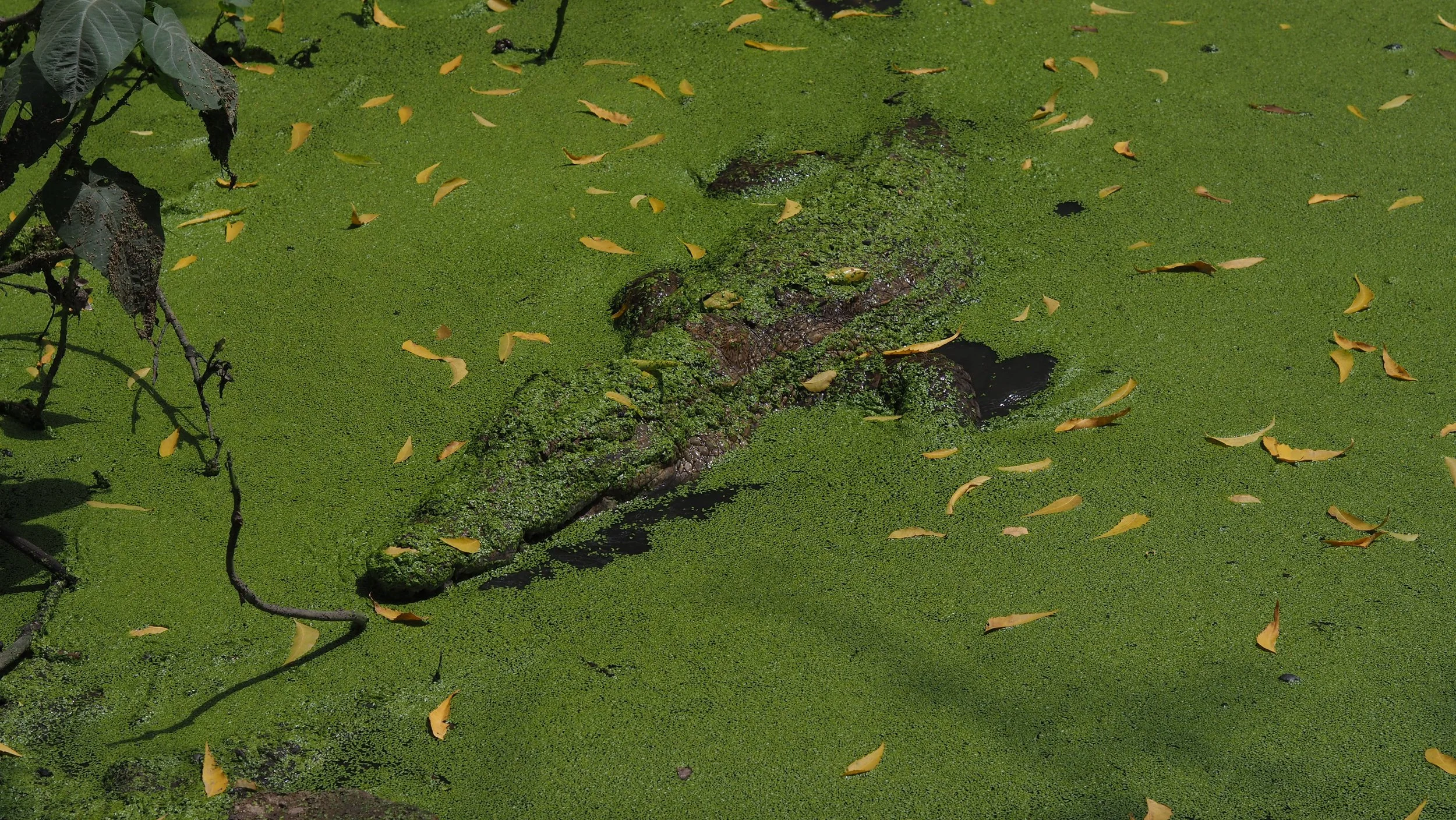
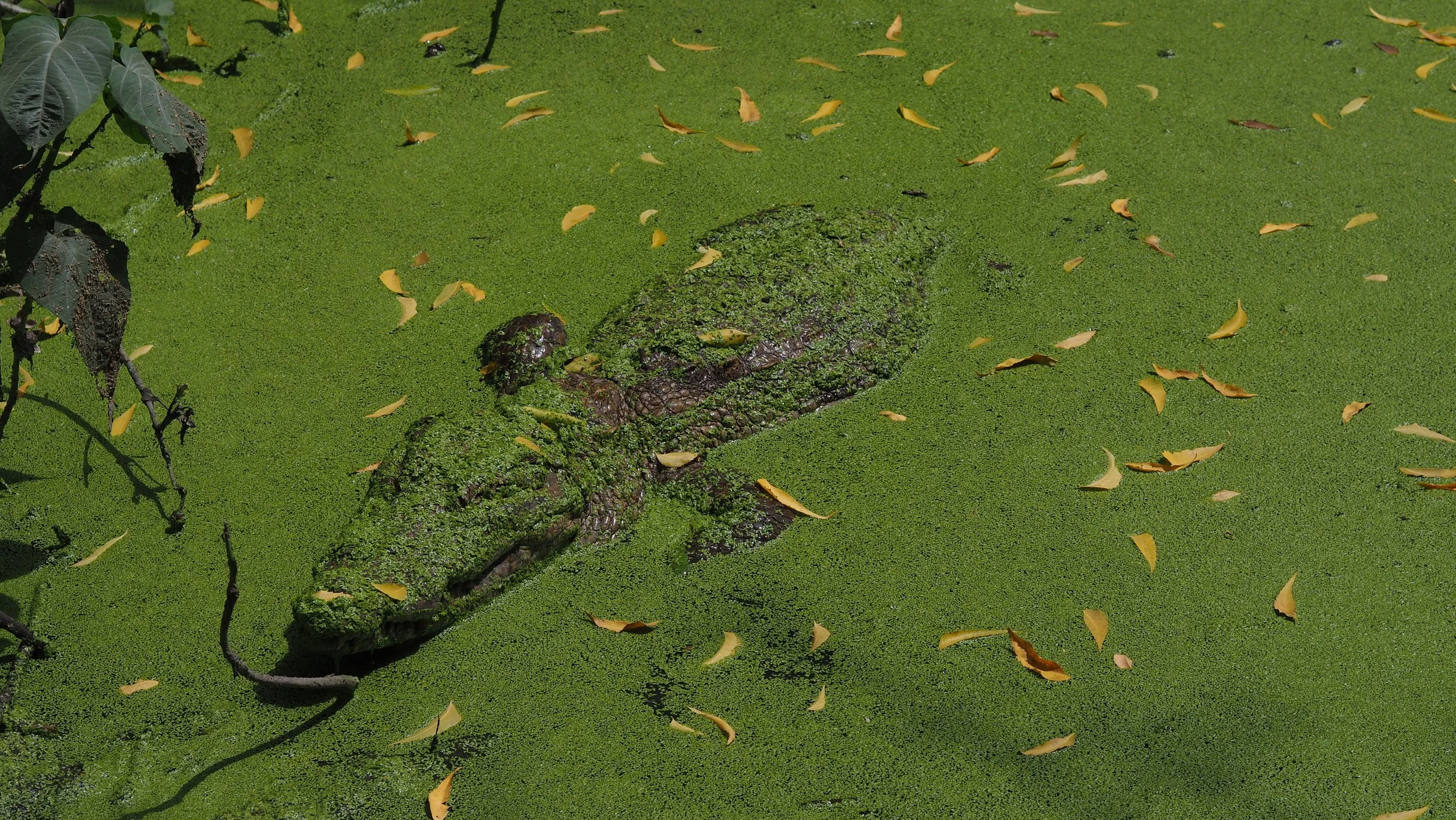
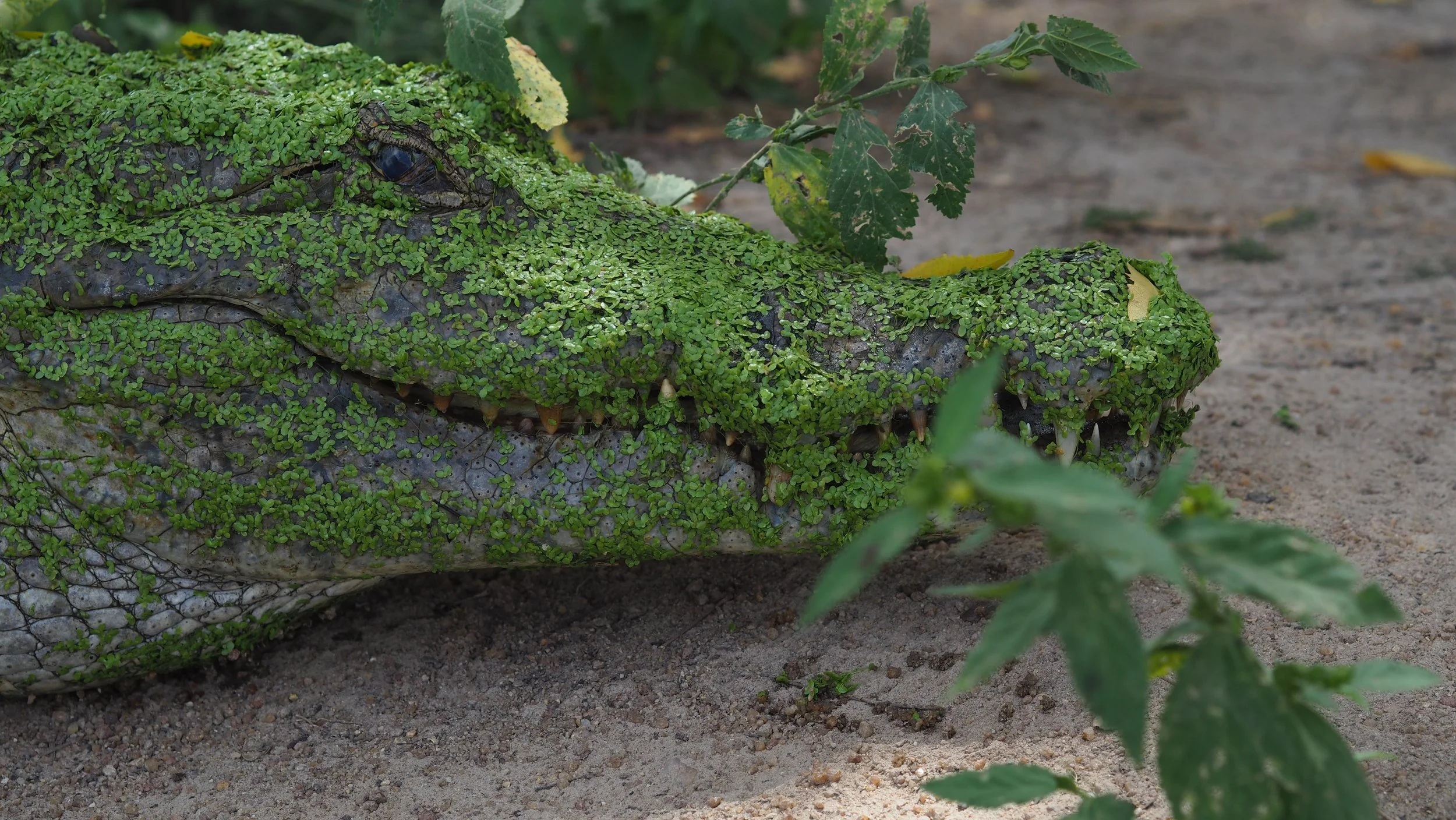
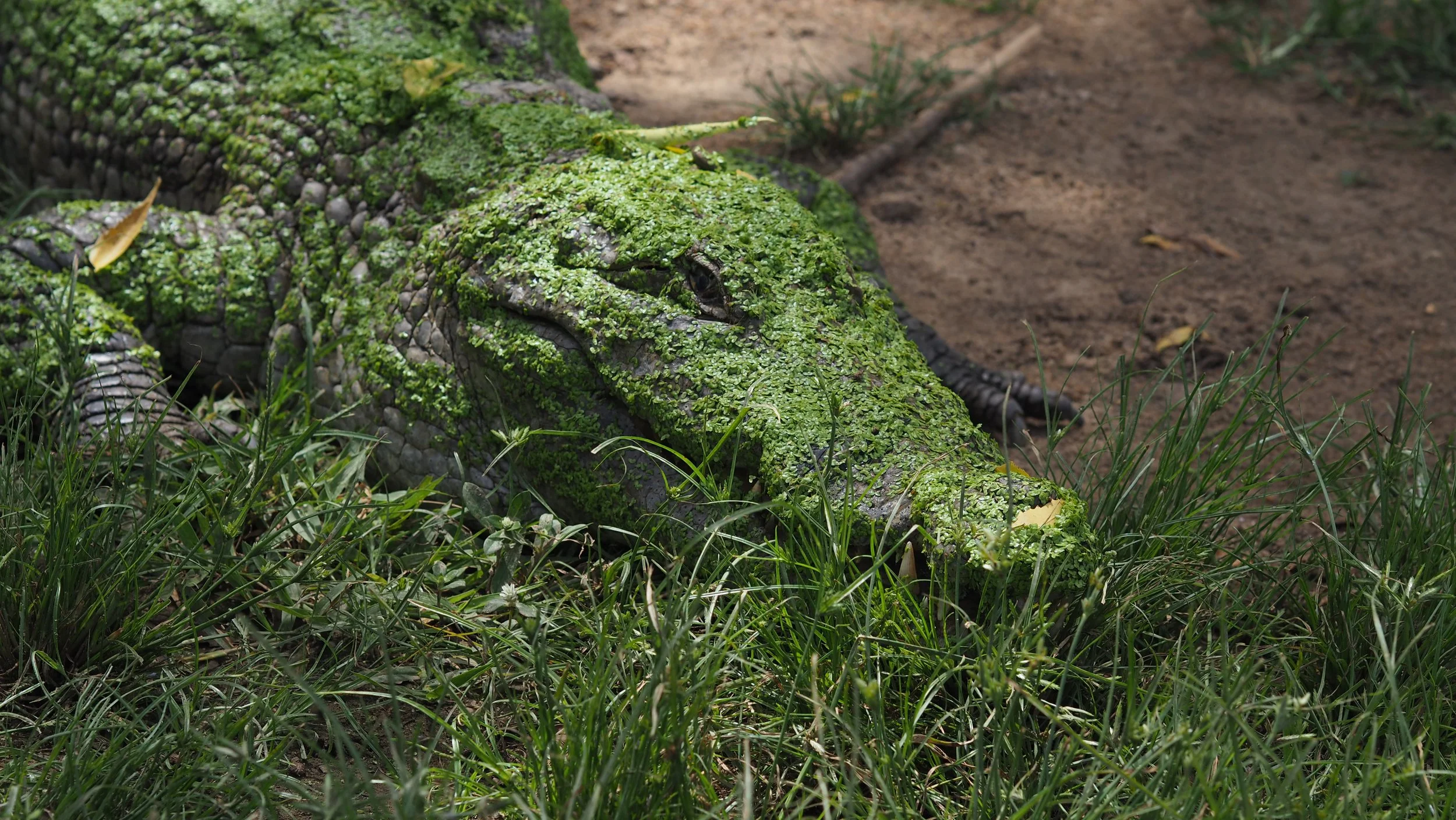
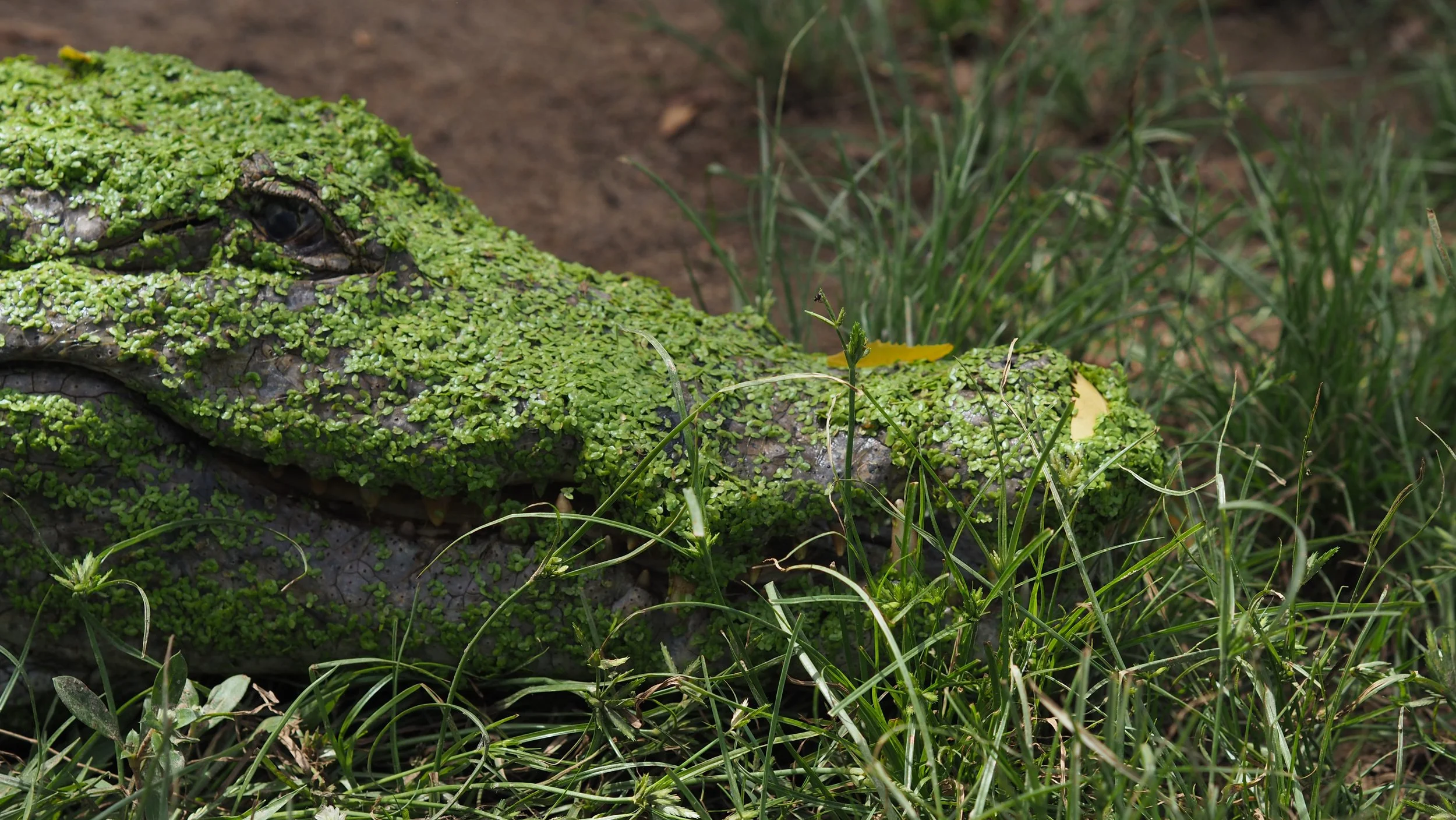
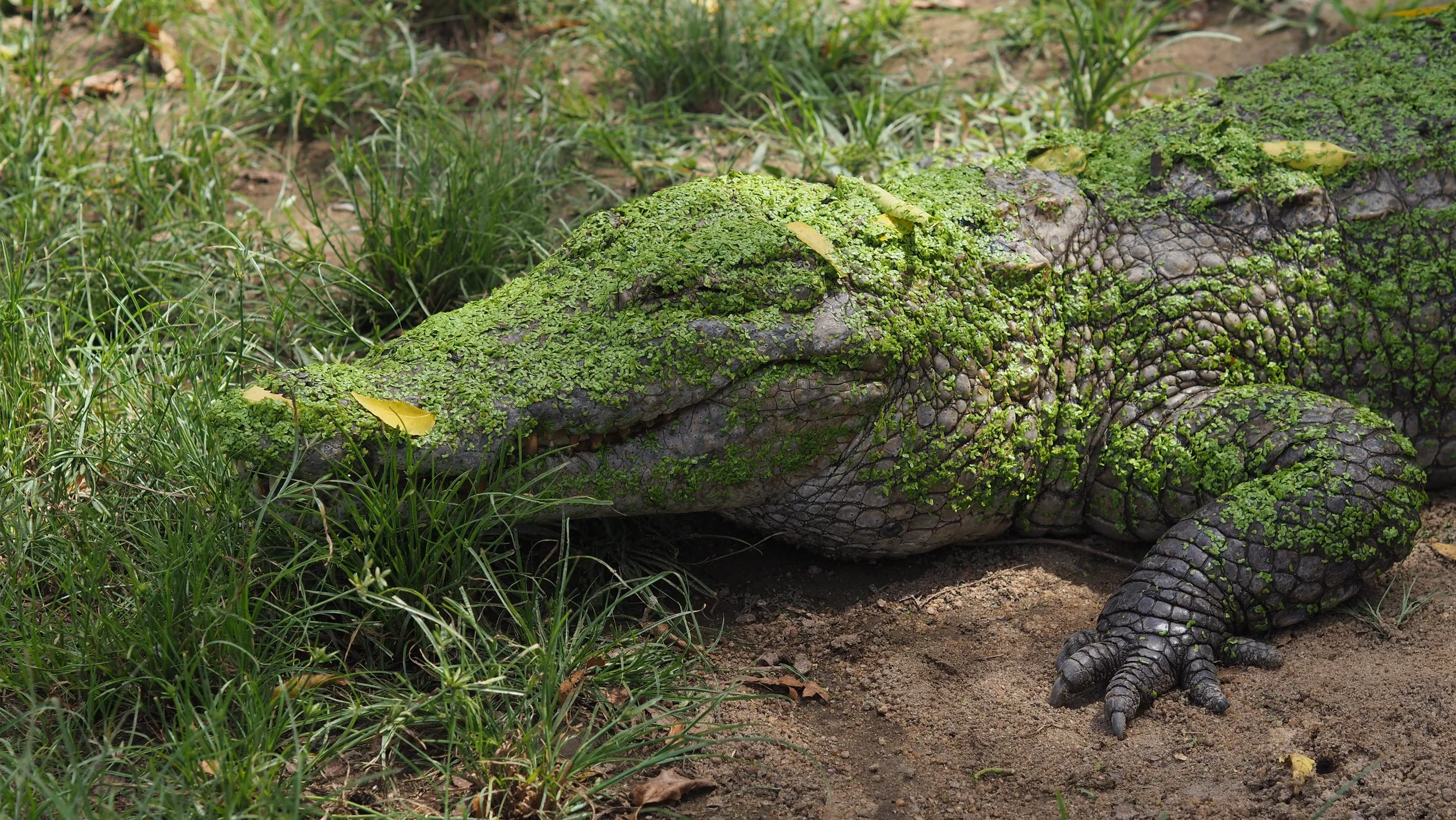
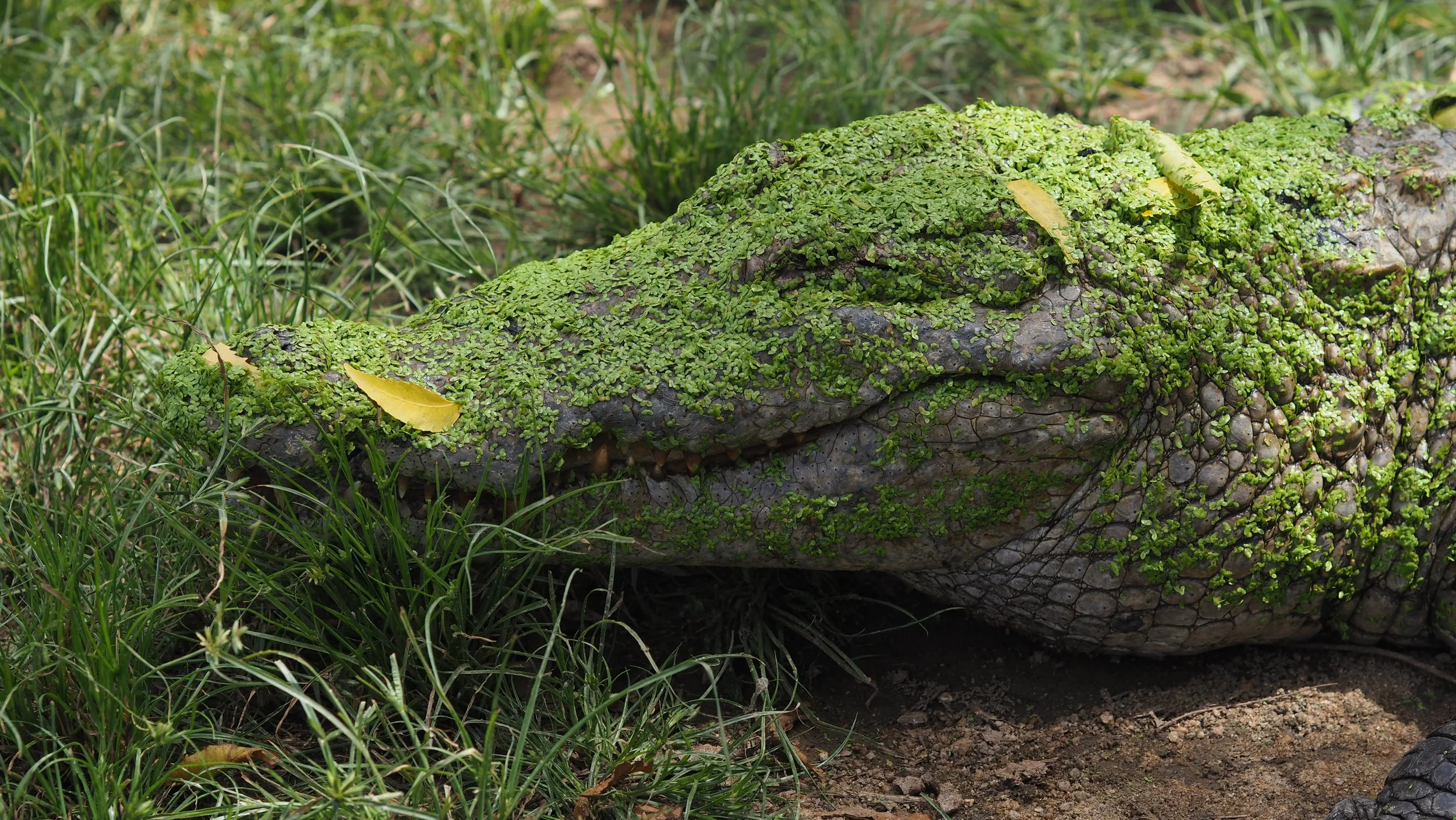
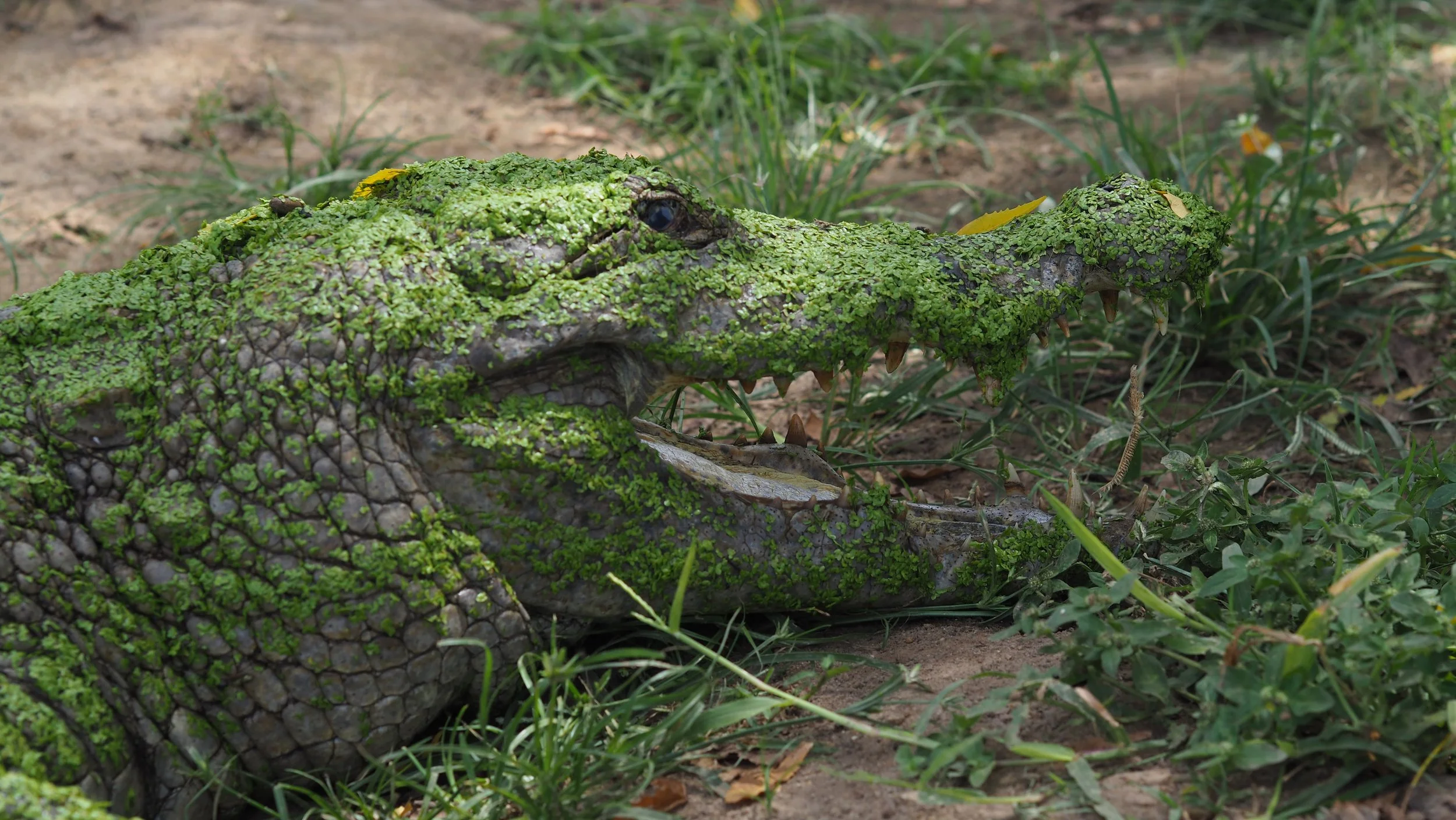
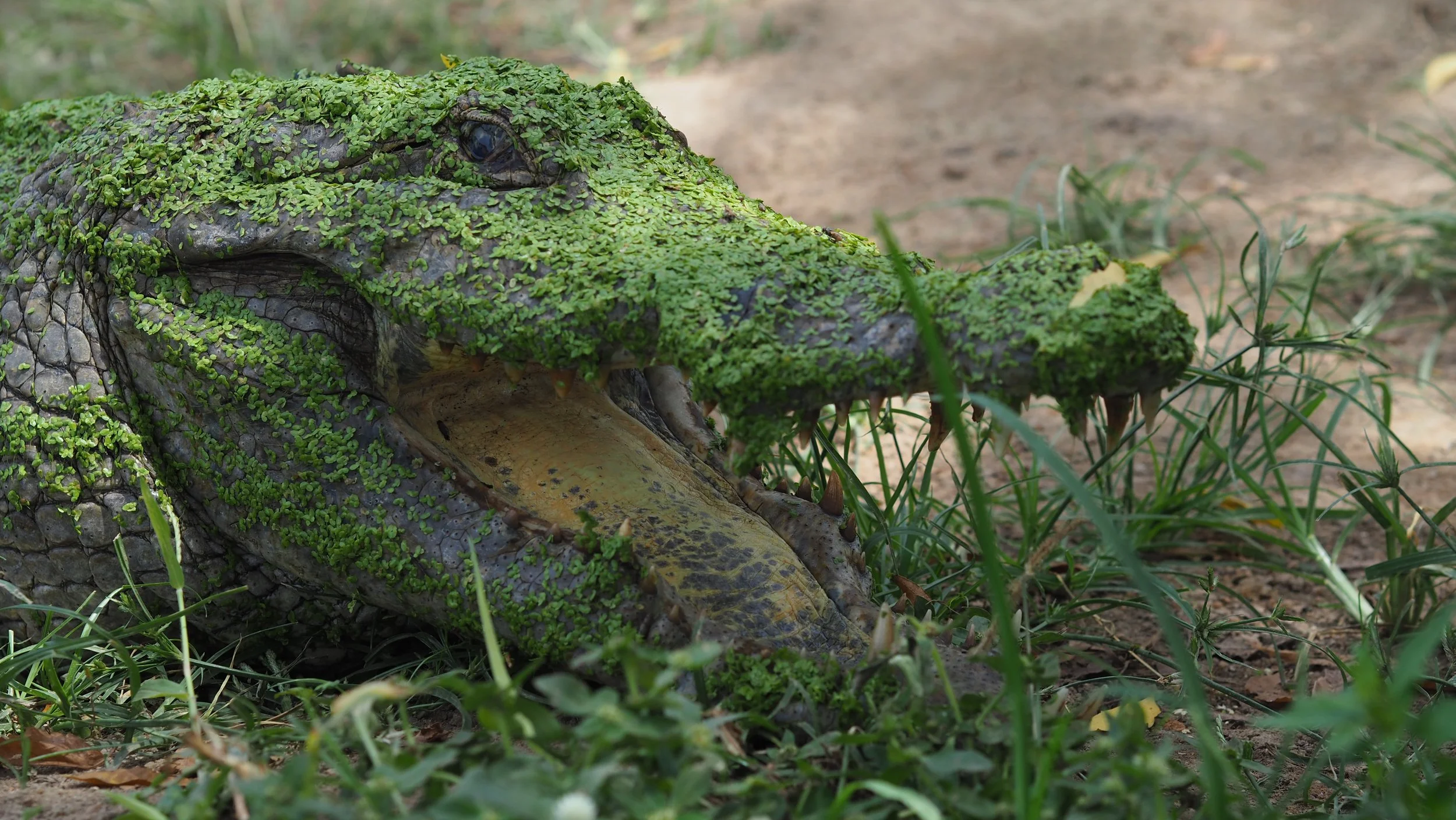
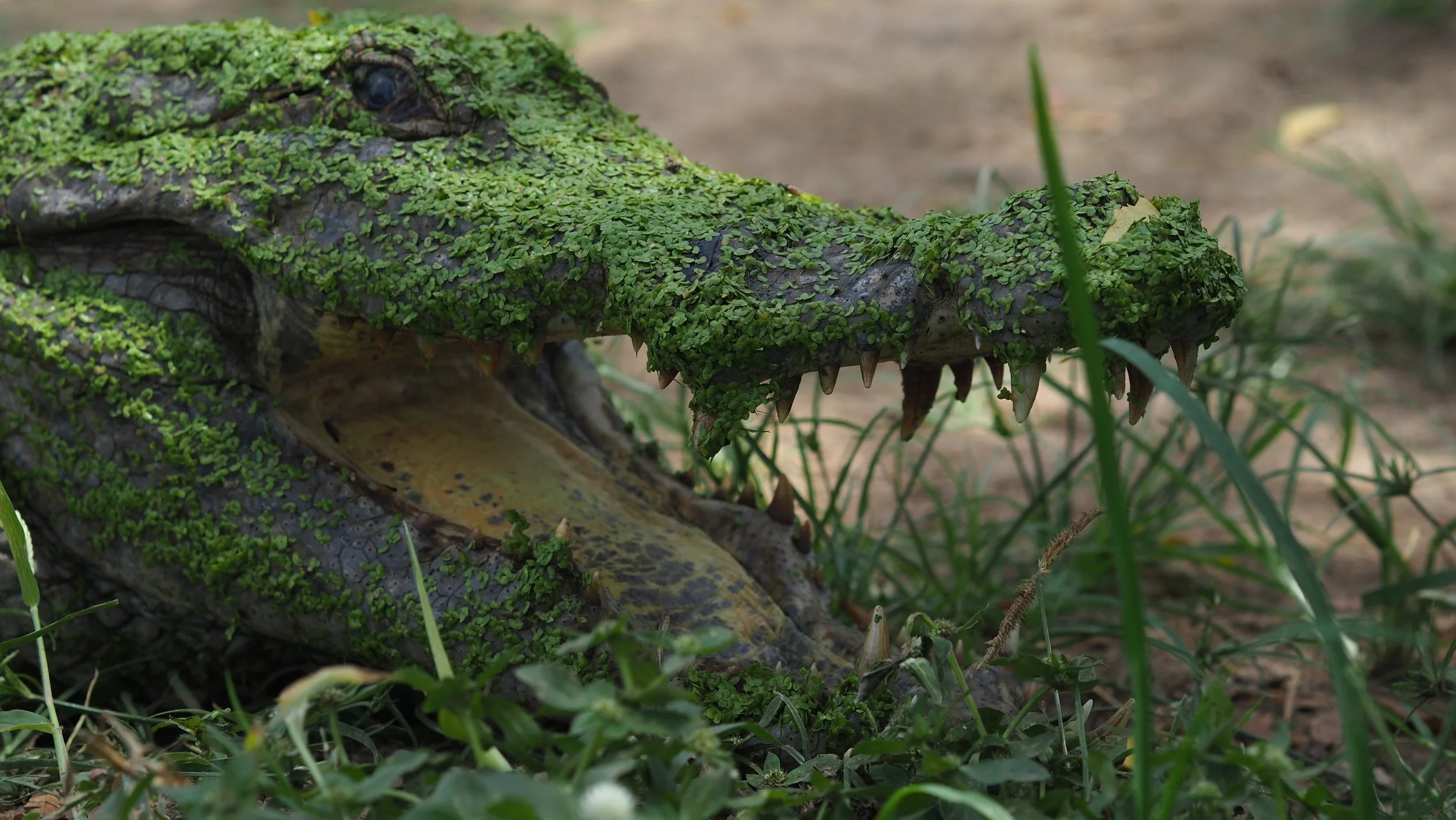
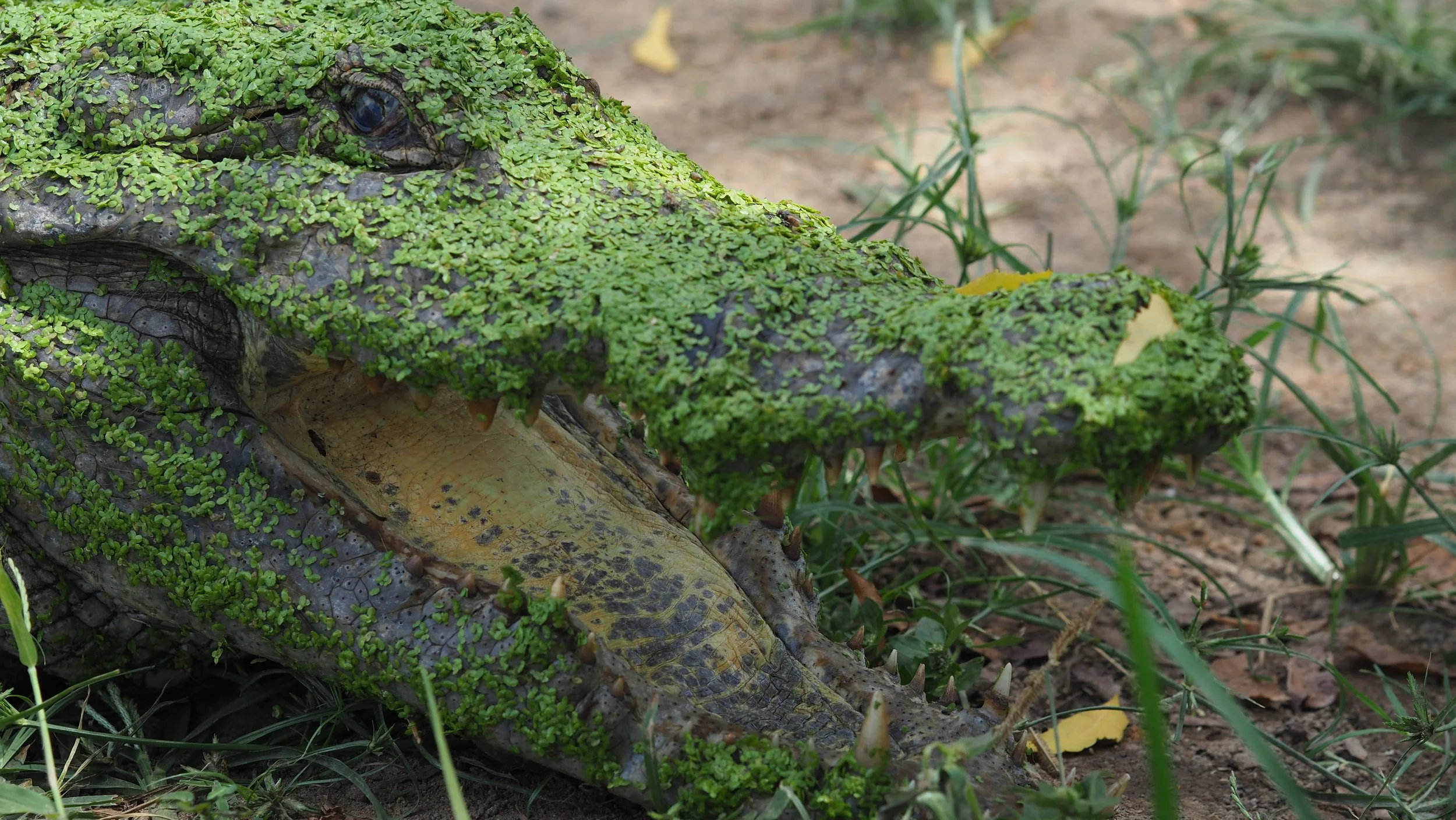
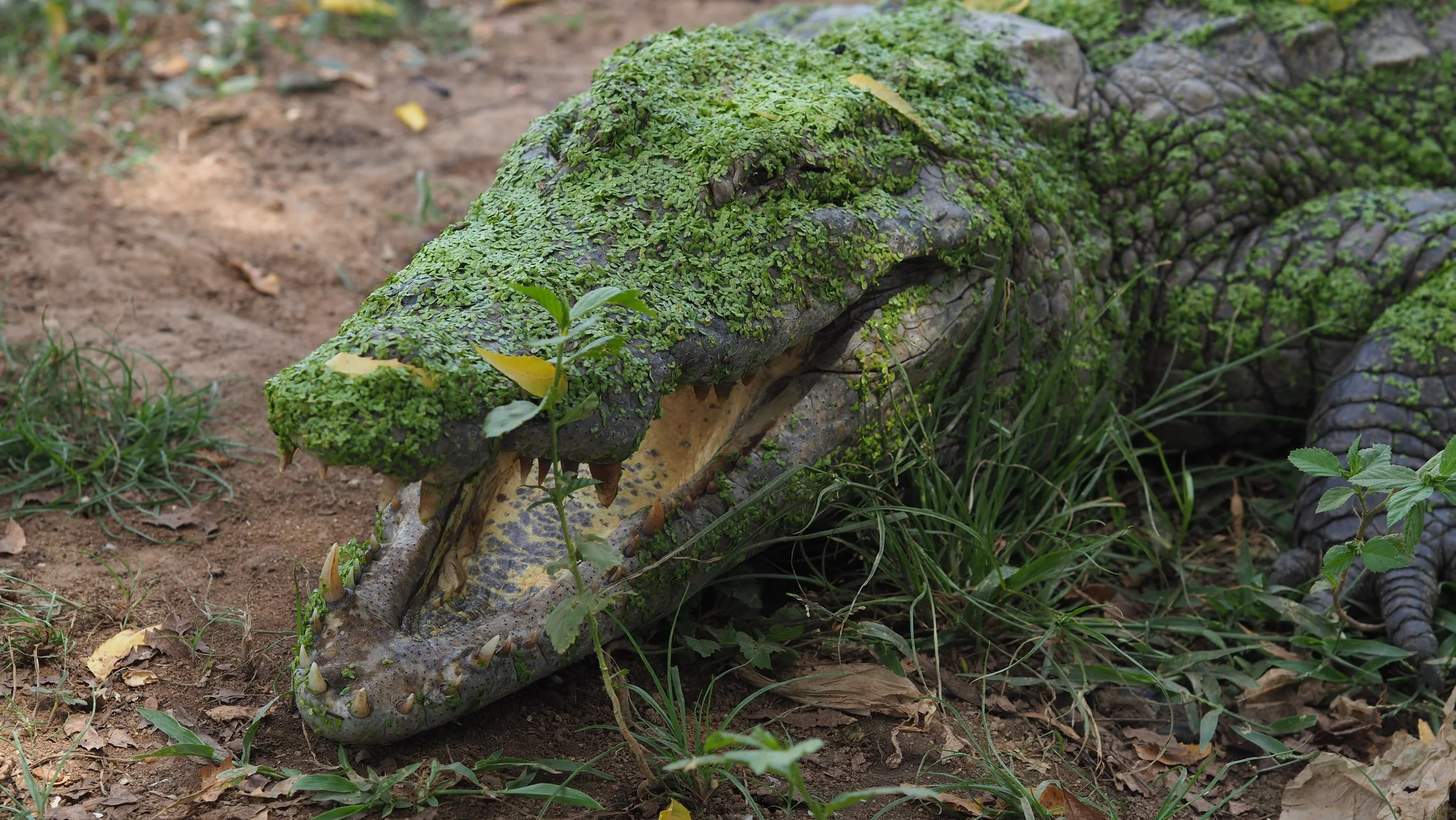
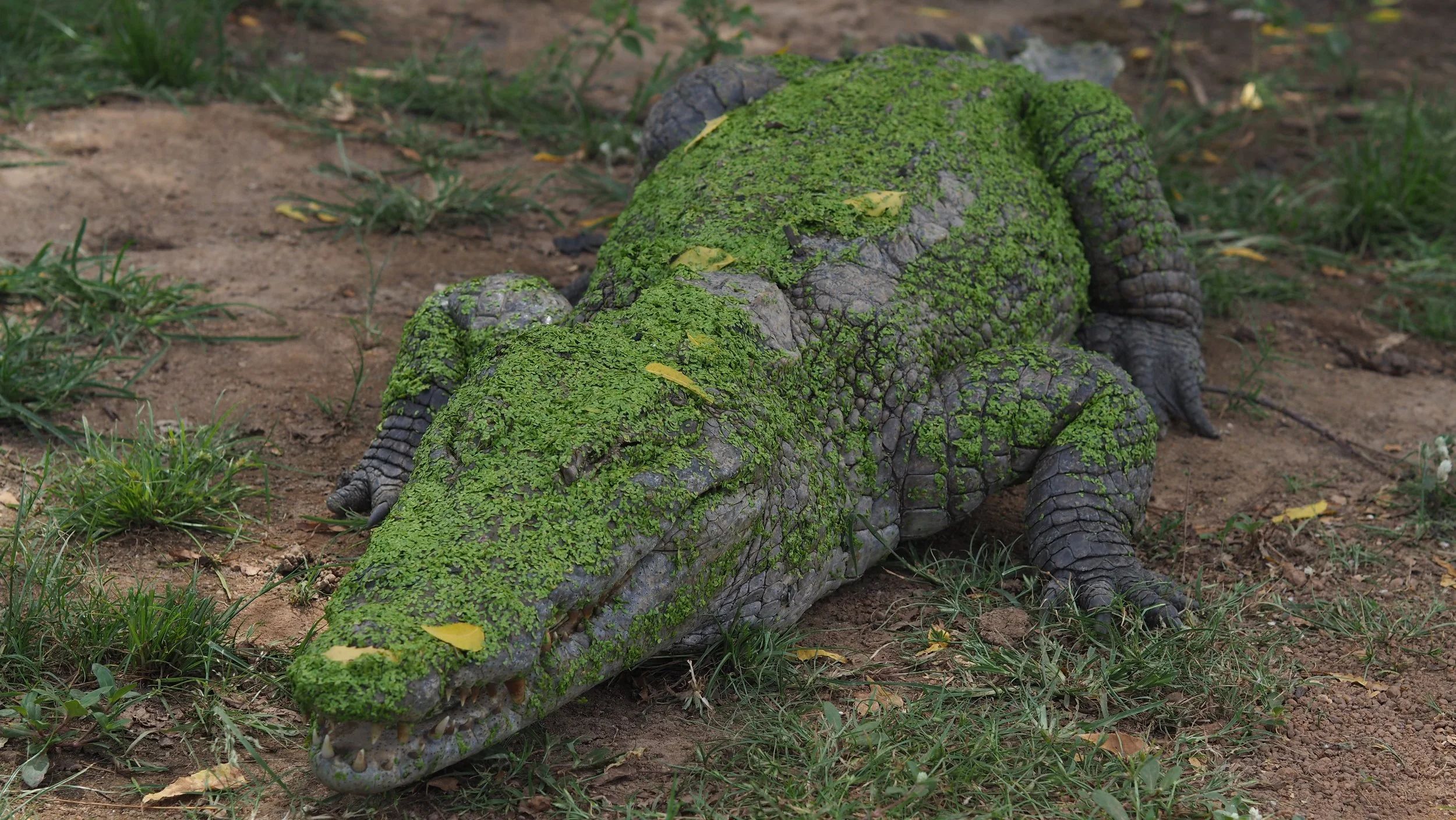
we cannot be sure if it was him or another ancestor we got to spend time with, but the local people believe the crocodiles that roam freely across the town and the ponds in its centre are their ancestors, and treat them accordingly.
these impressive reptiles seem quite happy to share their space with humans, allowing visitors to get remarkably close, to squat on them and stroke their scales. they don’t like to be tickled though, says the guide. watching the jaws and touching the tail is quite an experience, especially knowing how quickly these seemingly lazy creatures can move when they want to.
the locals, however, seem completely relaxed about it all - after all, you wouldn't expect your ancestors to eat you, would you? but maybe visitors?
on our way back south, our next stop was the pikworo slave camp, where we were confronted with a particularly dark chapter of the history of the slave trade along africa's ‘gold coast’, as it was known back then.
the camp was used as a ‘collection point’ for enslaved people who were sold to european slave traders (our ancestors, who we believe were not crocodiles, but some of whom were certainly something far worse). around 200 people at a time were held here under terrible conditions before being forced to walk barefoot for two to three months, first to salaga and then all the way to the coast, for example to elmina castle, which i had visited in 2020. from there they were shipped across the atlantic into slavery. many died during the trek across the savannah or the trip across the ocean.
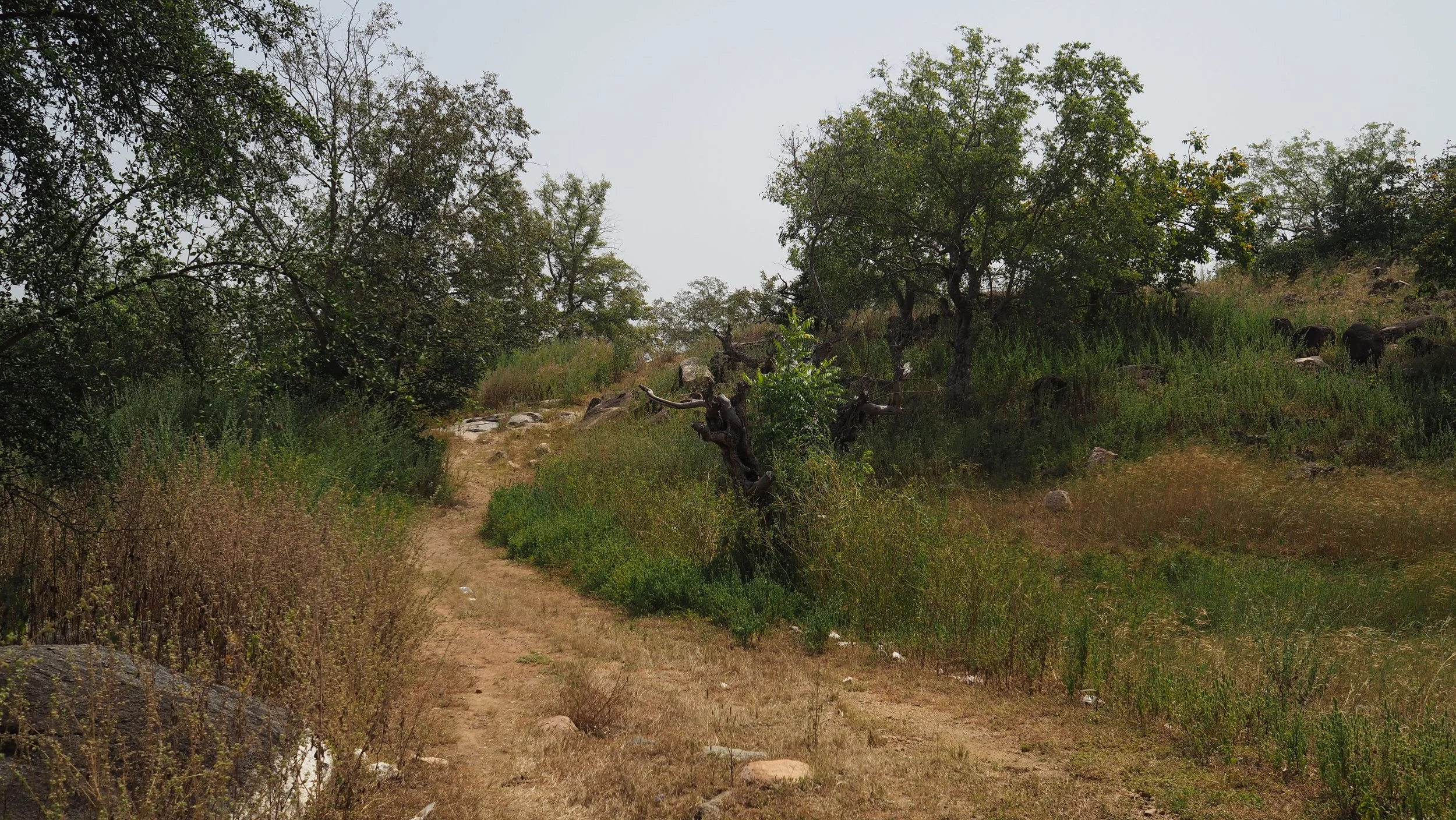
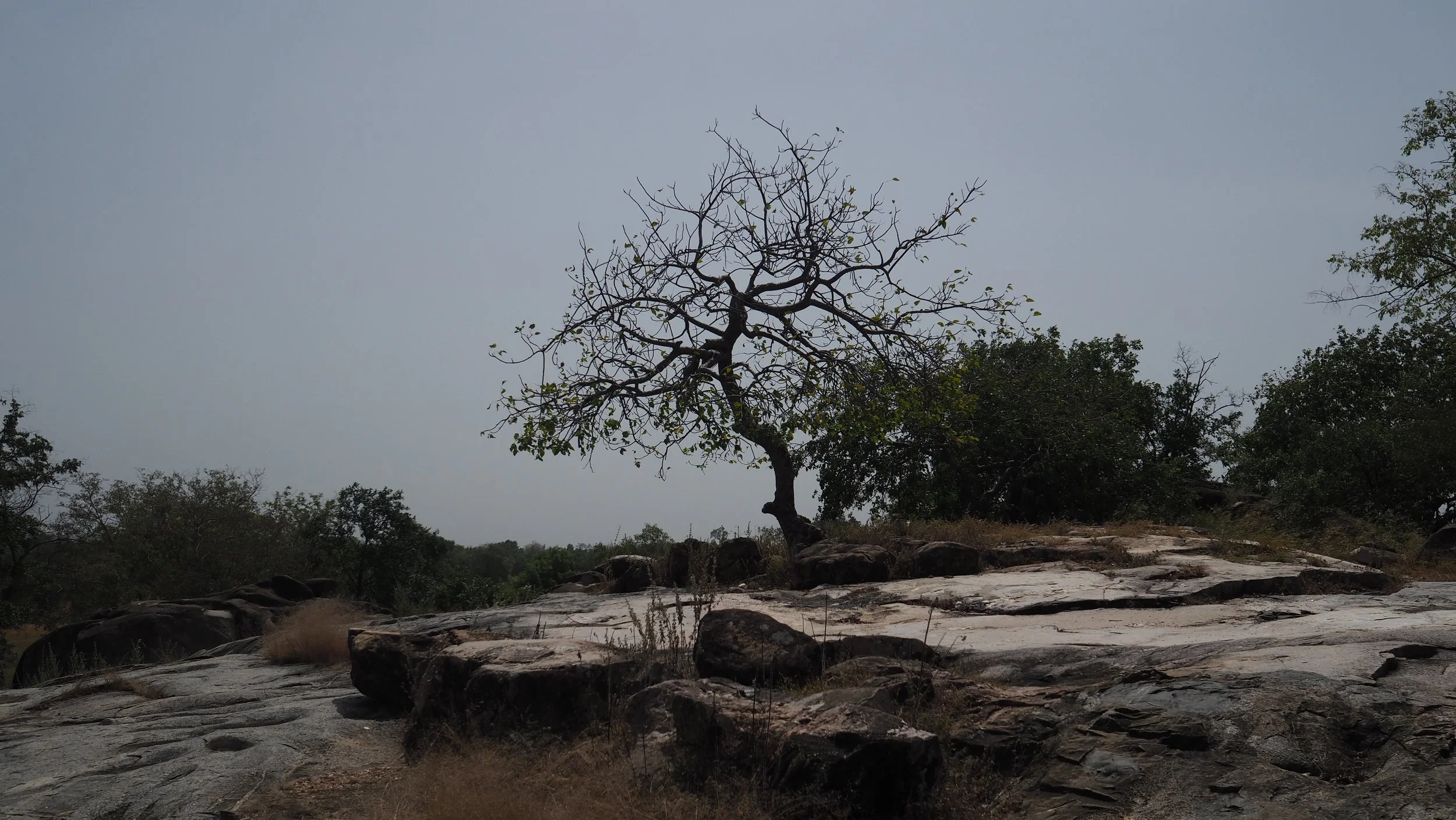
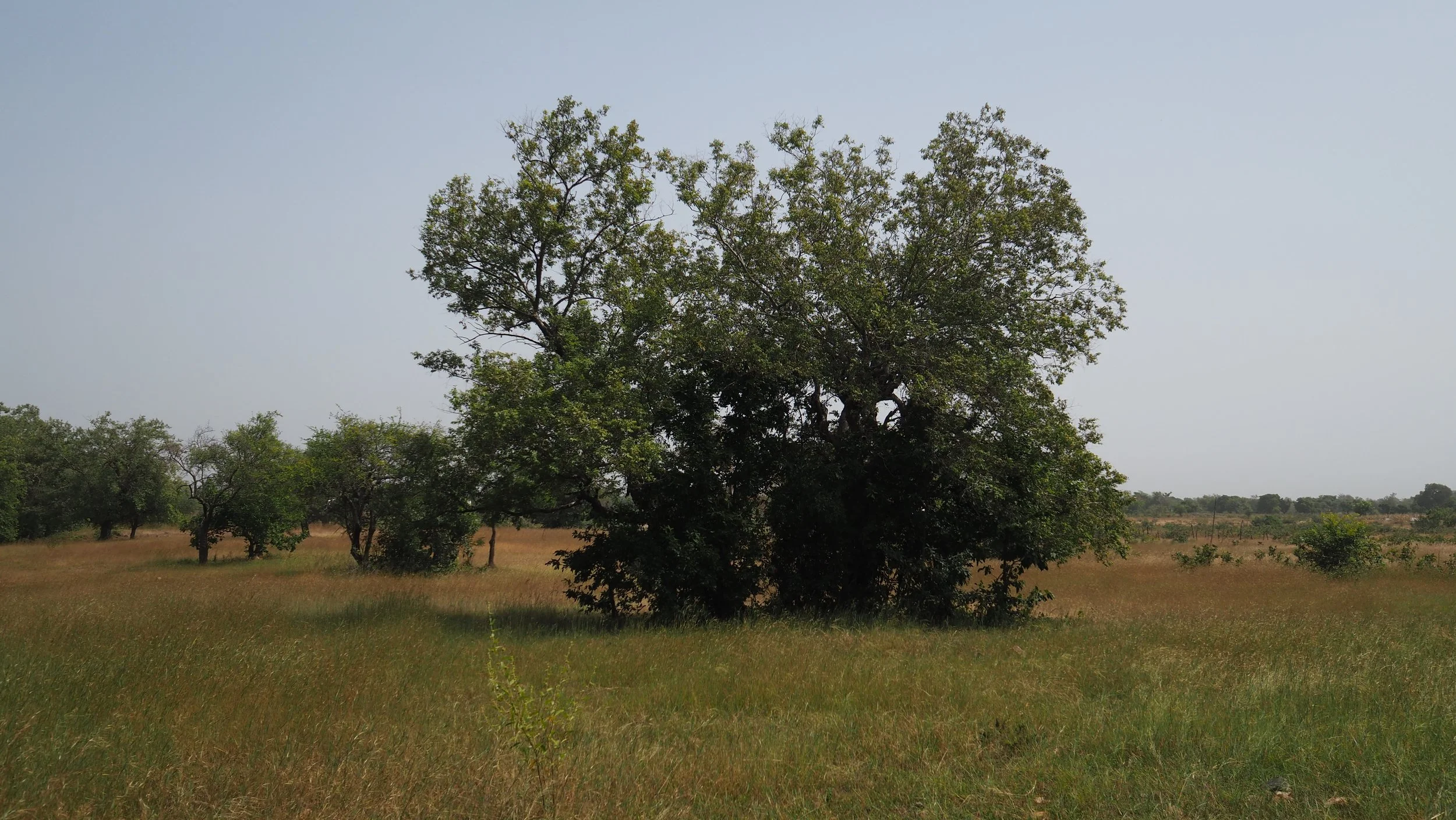
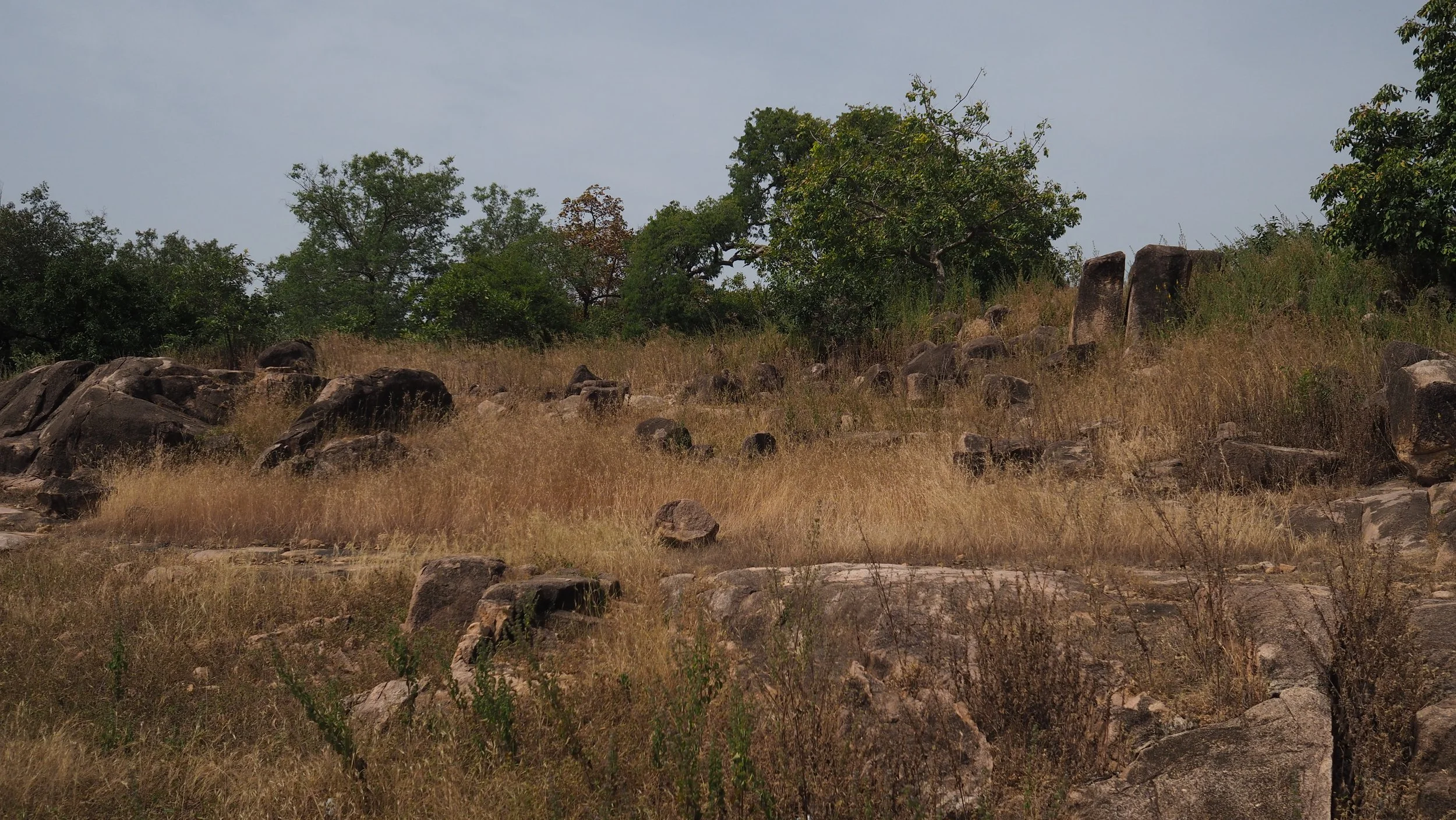
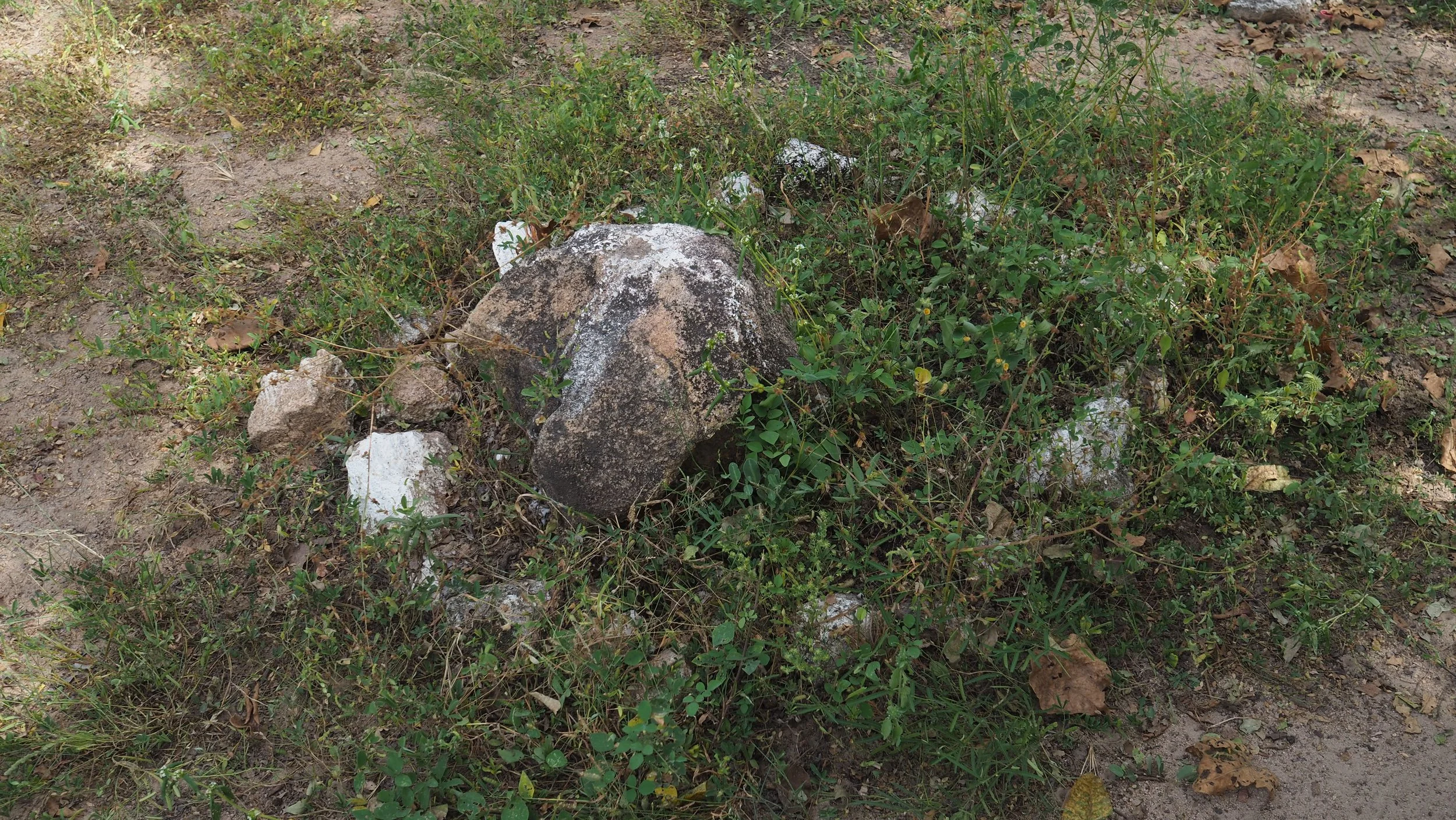
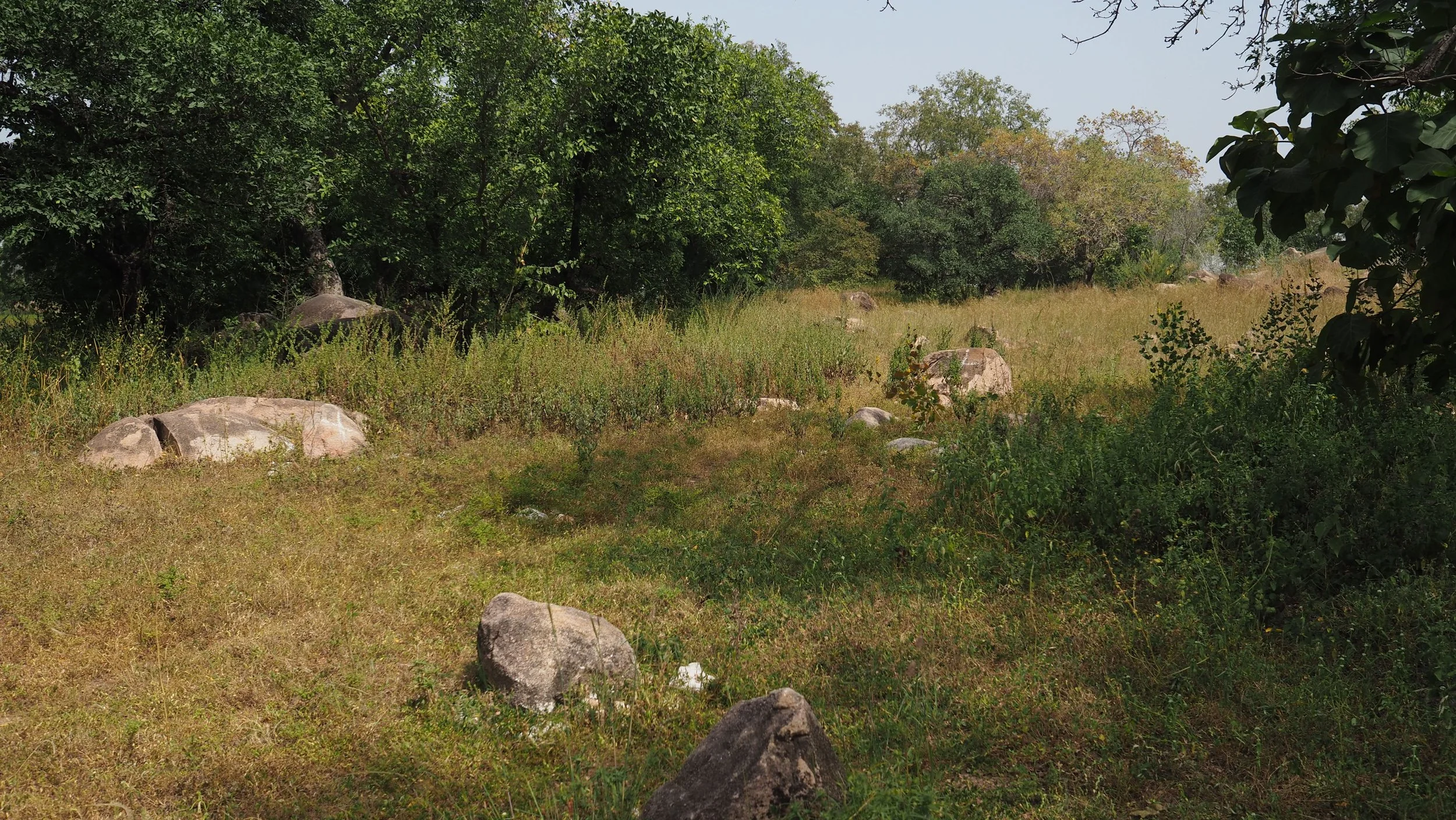
the guide and i did some rough maths and estimated that as many as 50,000 people may have passed through this camp during its few decades of operation. a staggering number, especially when standing in a place that, at first glance, looks like a beautiful landscape with a collection of rocks scattered across the place.
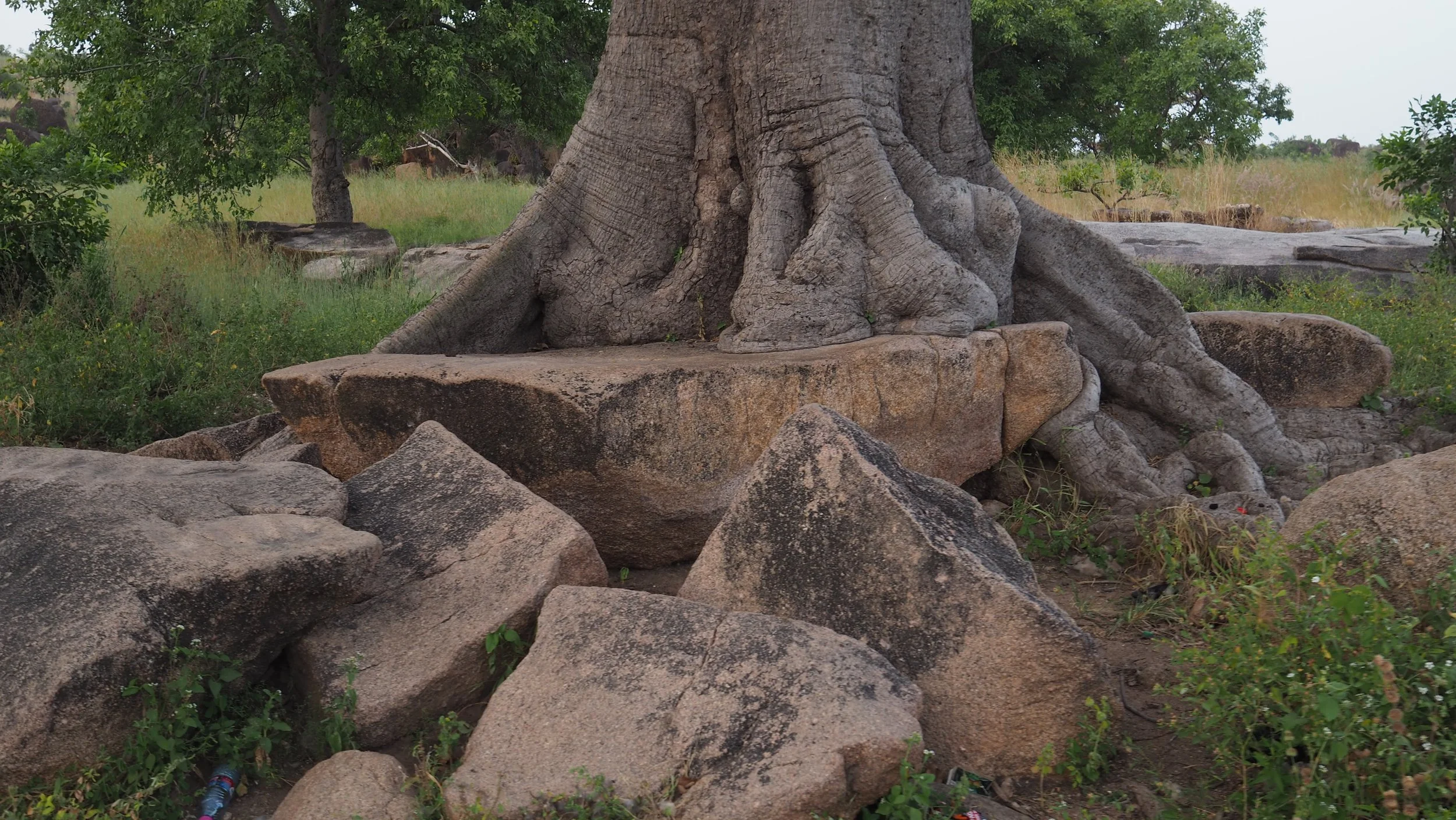
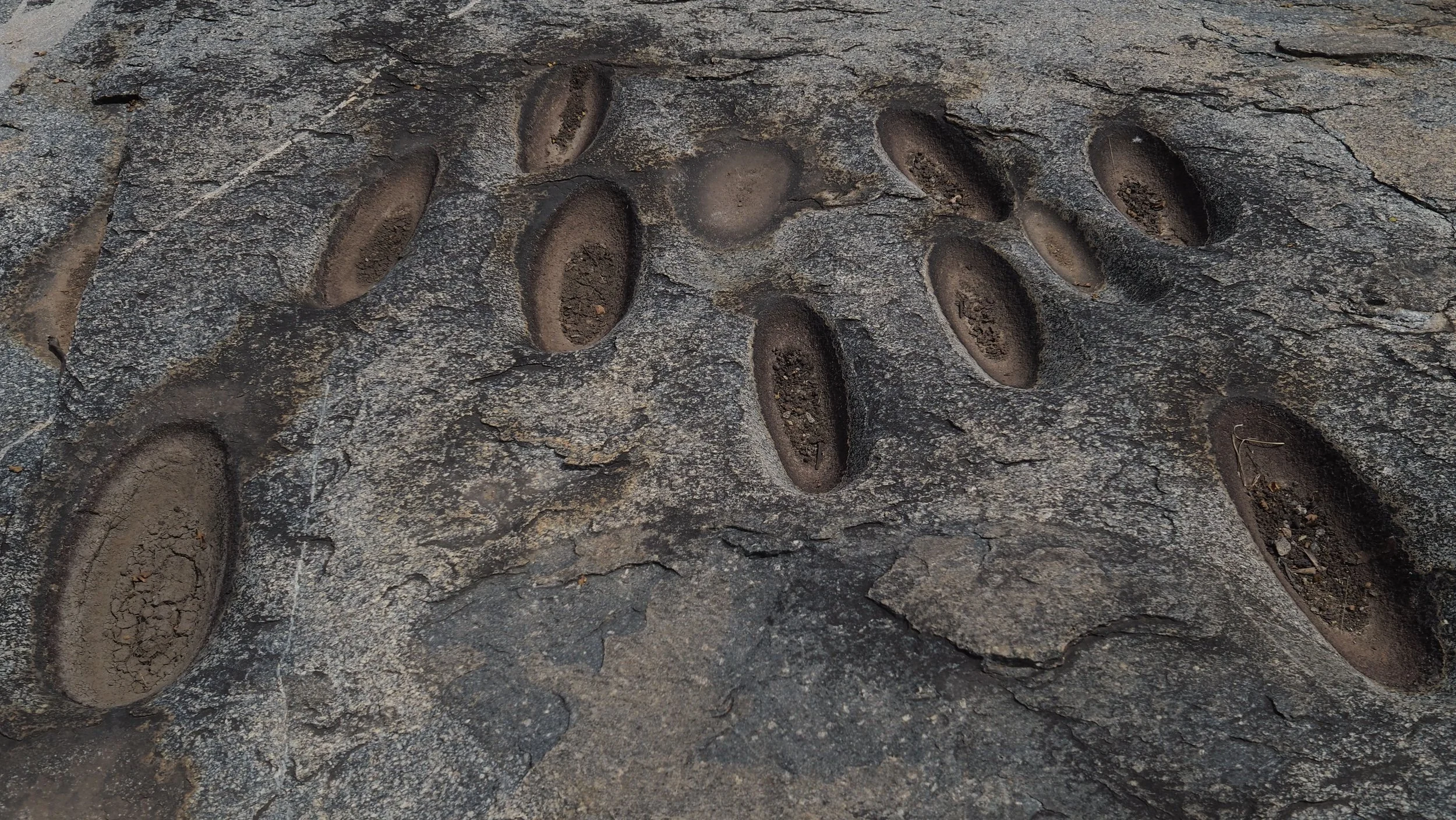
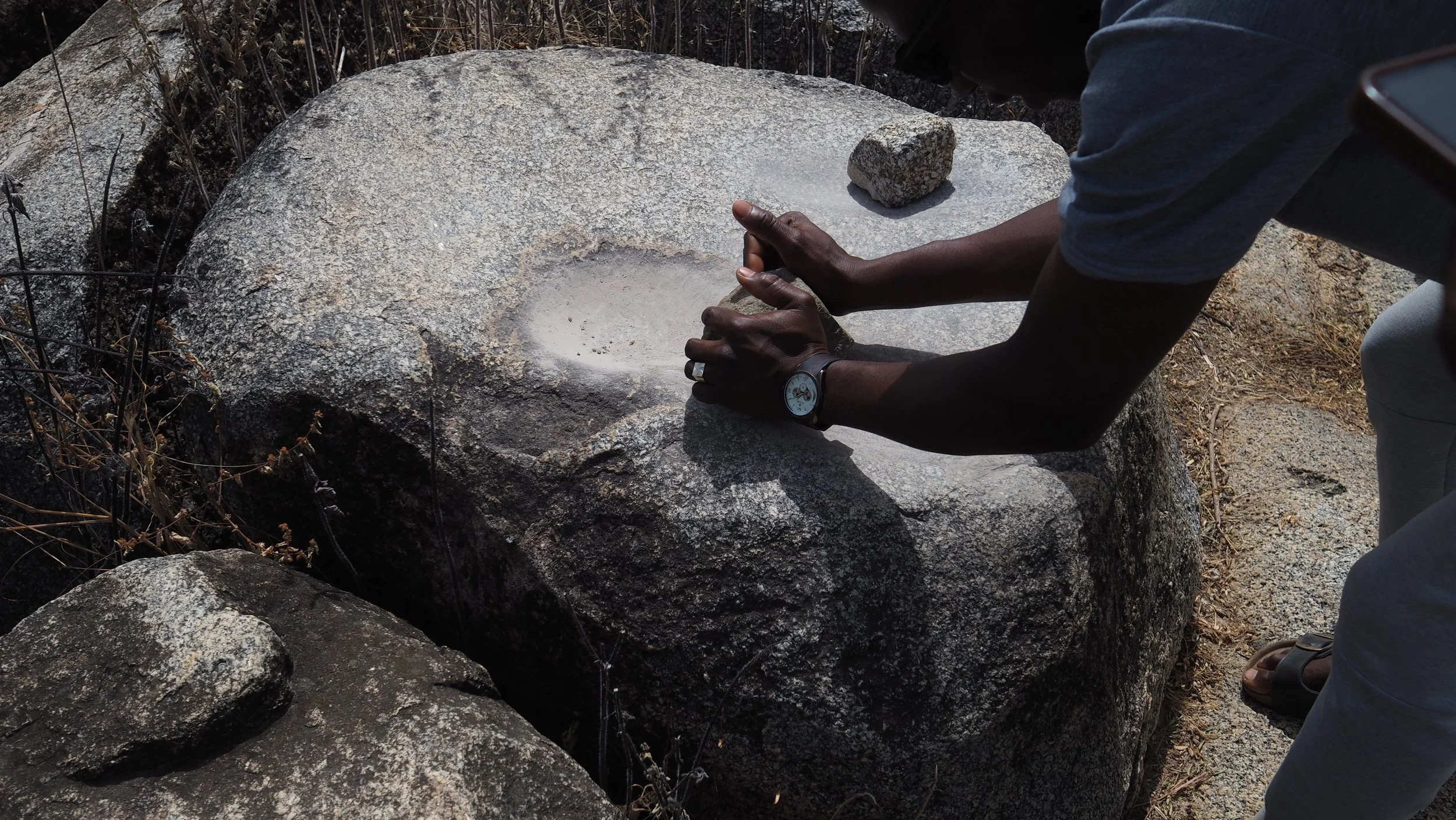
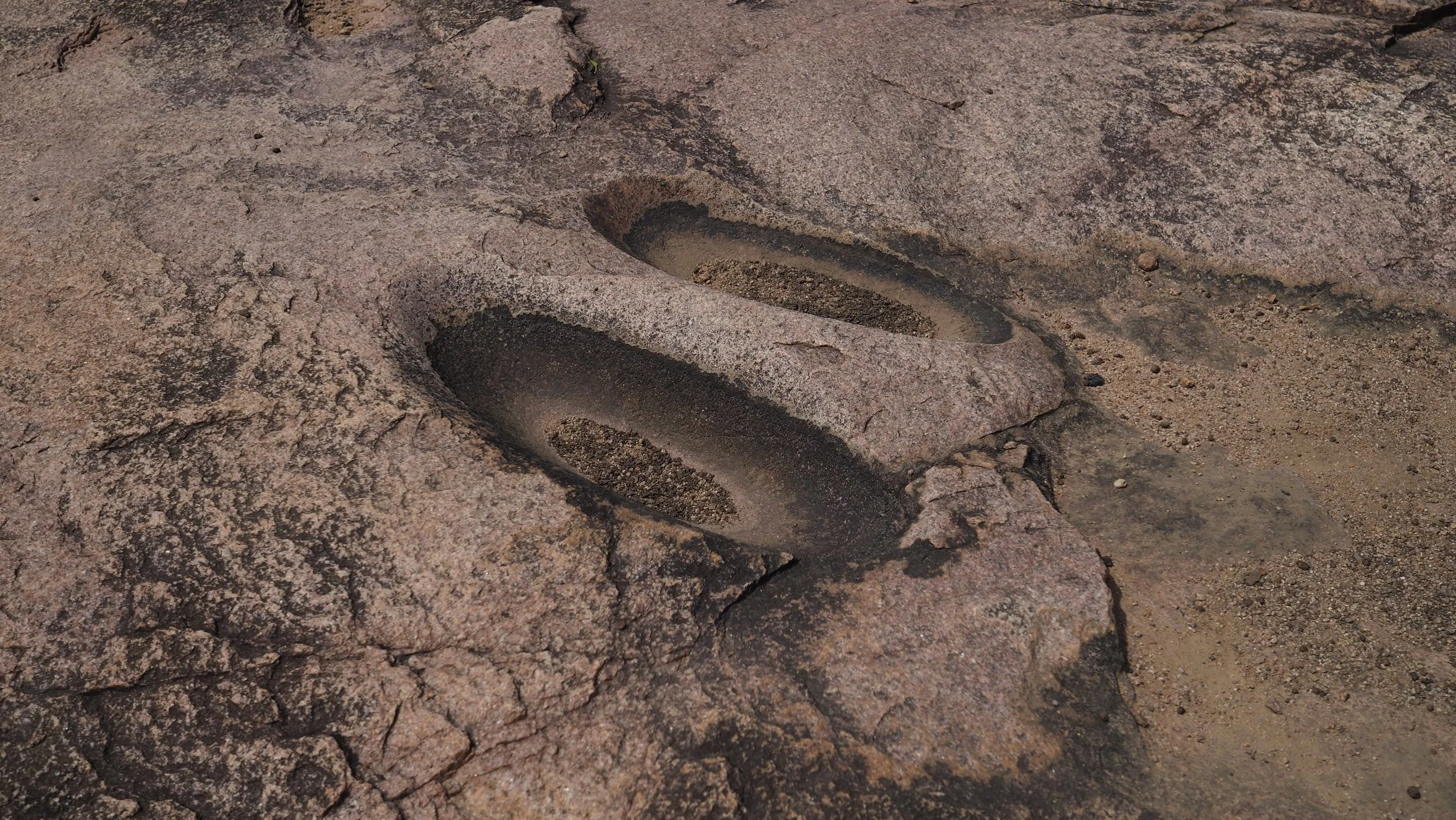
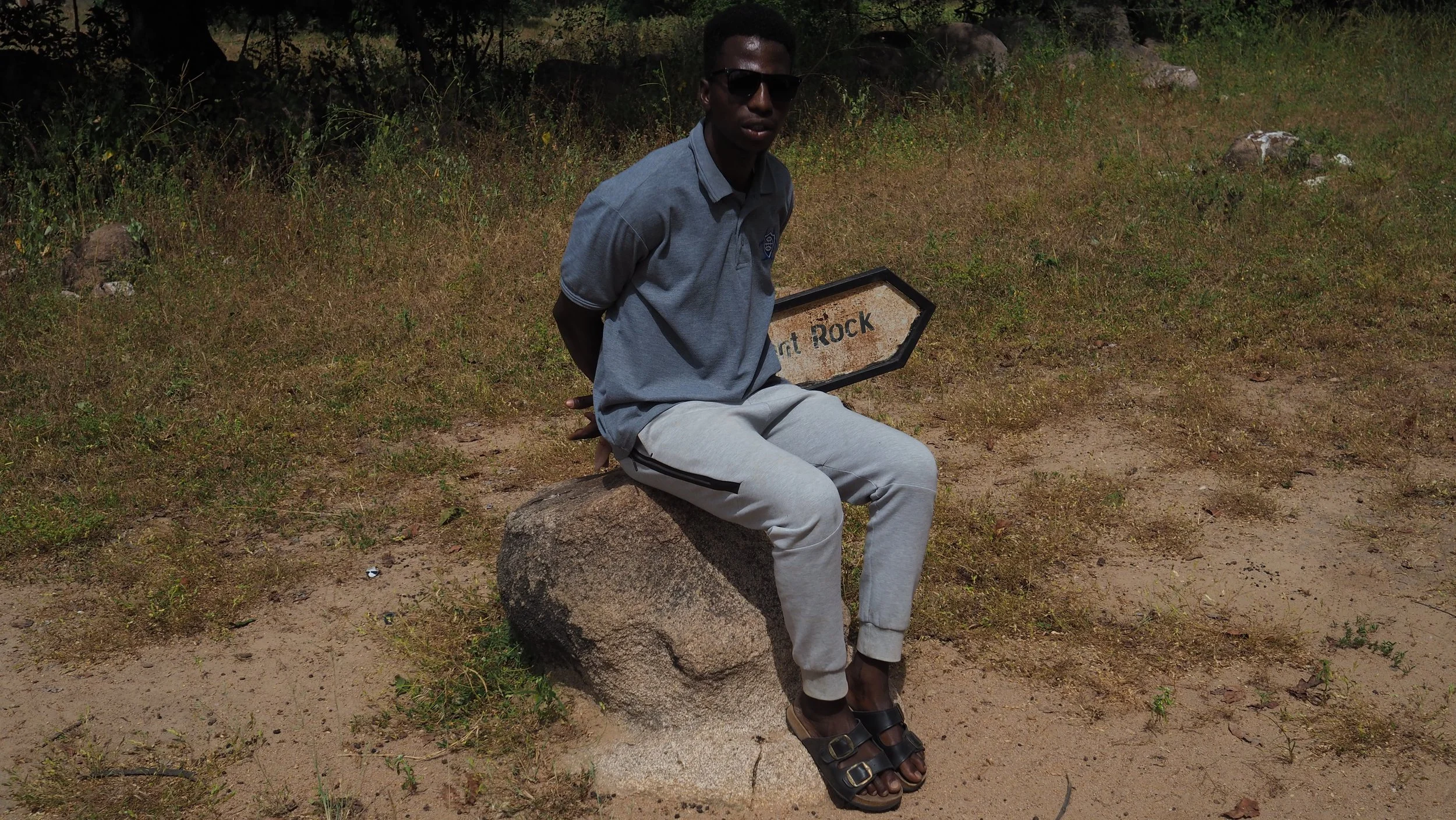
these rocks tell some rather gruesome stories. some still have bowls carved into them, from which the captives were made to eat. another was known as the ‘punishment rock’, where those who attempted to escape were tied up and forced to spend an entire day exposed to the scorching sun, without any shade or protection. the others were forced to watch to convince them that escape is not an option.
hard to imagine the suffering that took place here, and even harder to comprehend that human beings could treat other human beings this way.
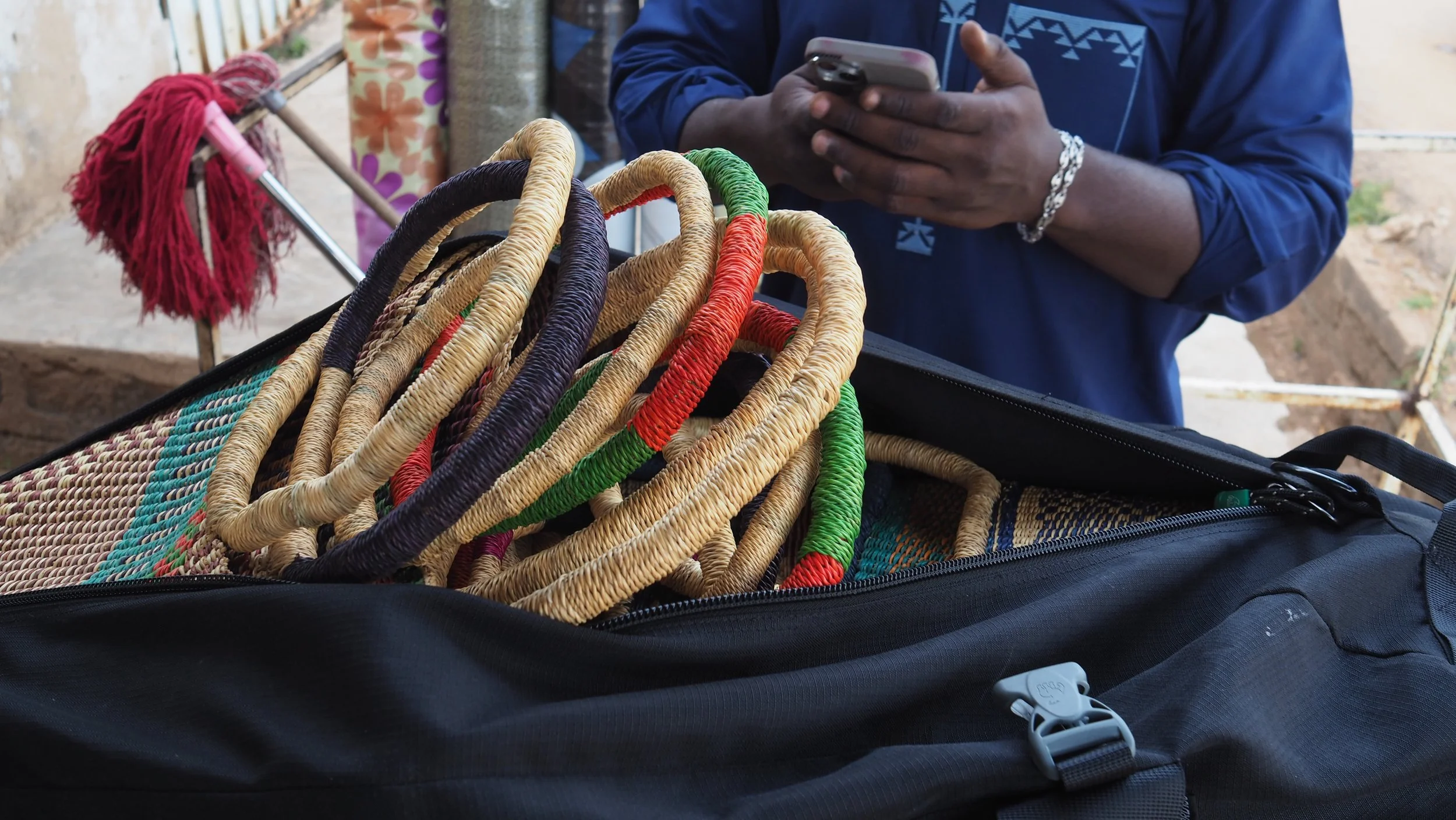
next stop bolgatanga, famous for its beautifully woven baskets. naturally, we couldn't leave without buying a few. so give me a shout if you'd like to reserve one of the limited 2026 edition for yourself - available for pickup in berlin or delivery to selected locations in germany and austria.
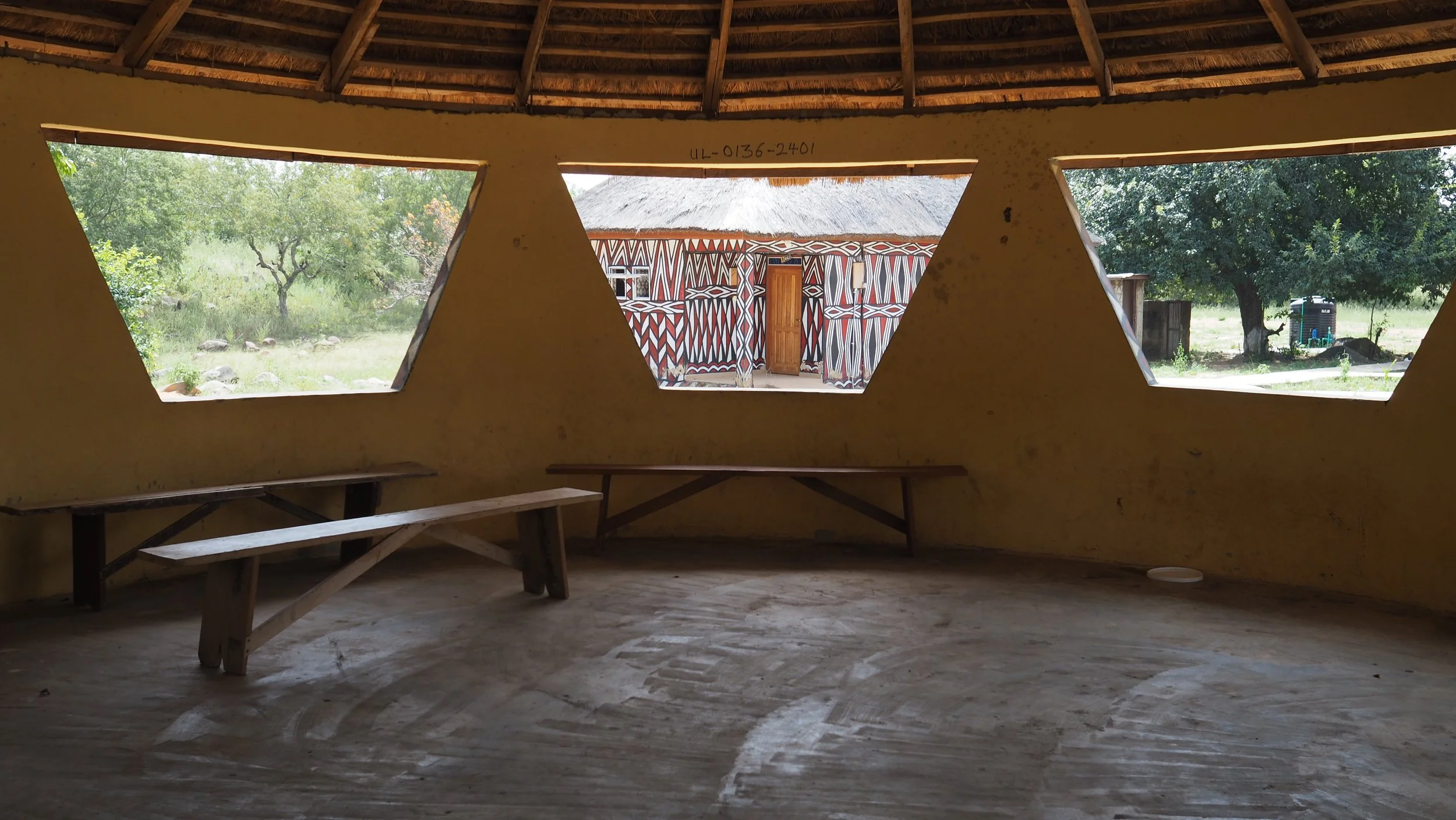
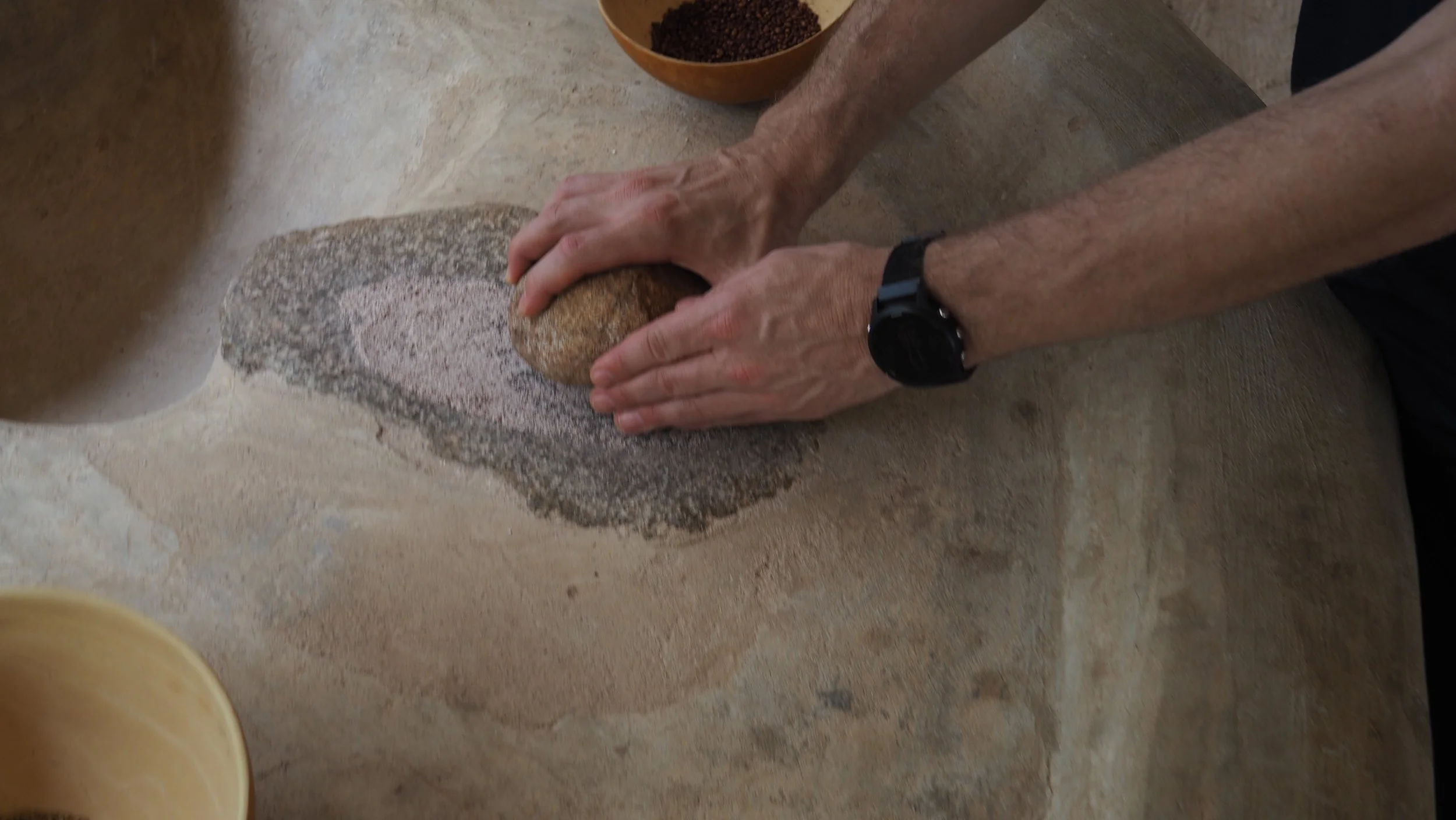
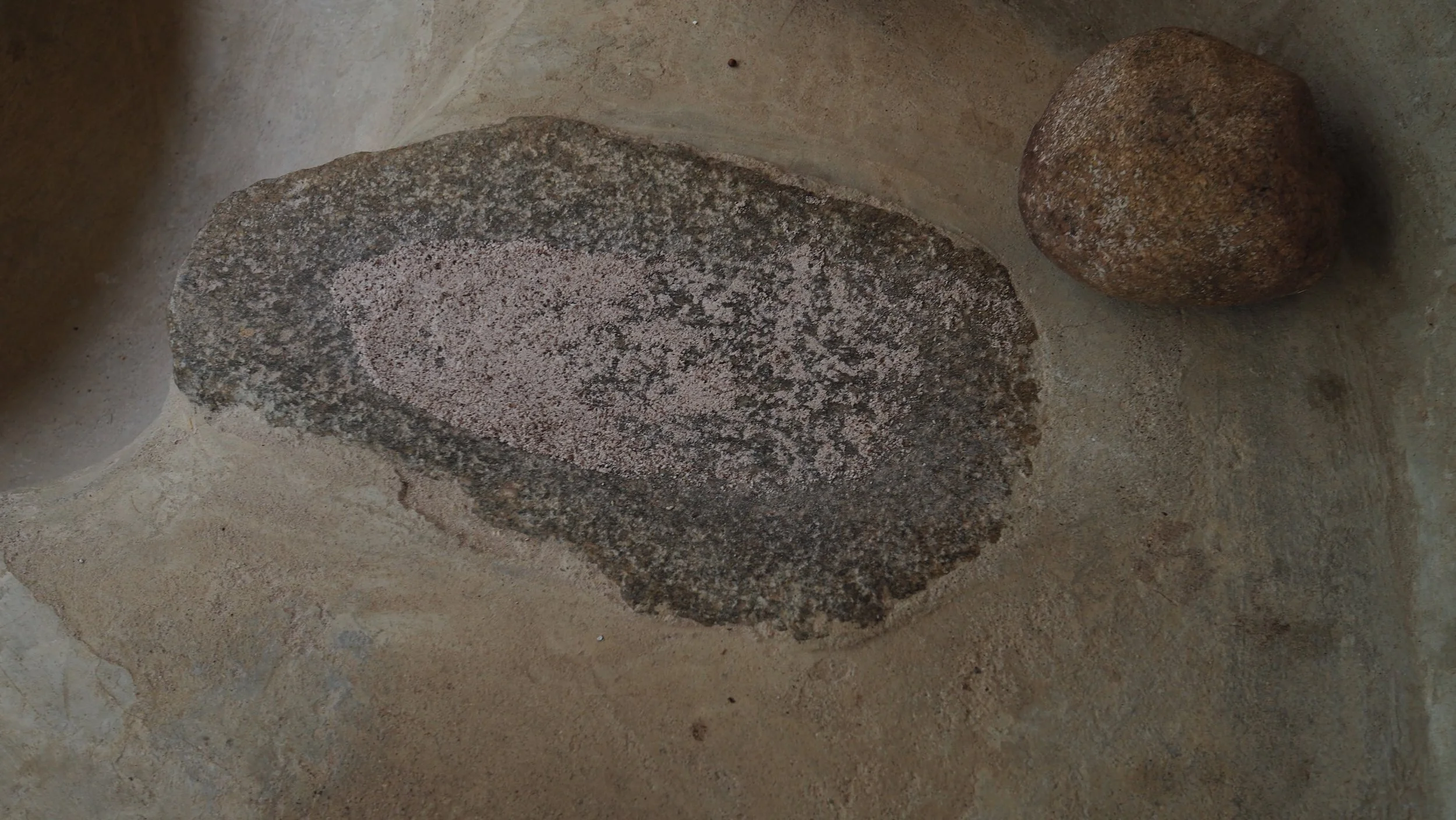
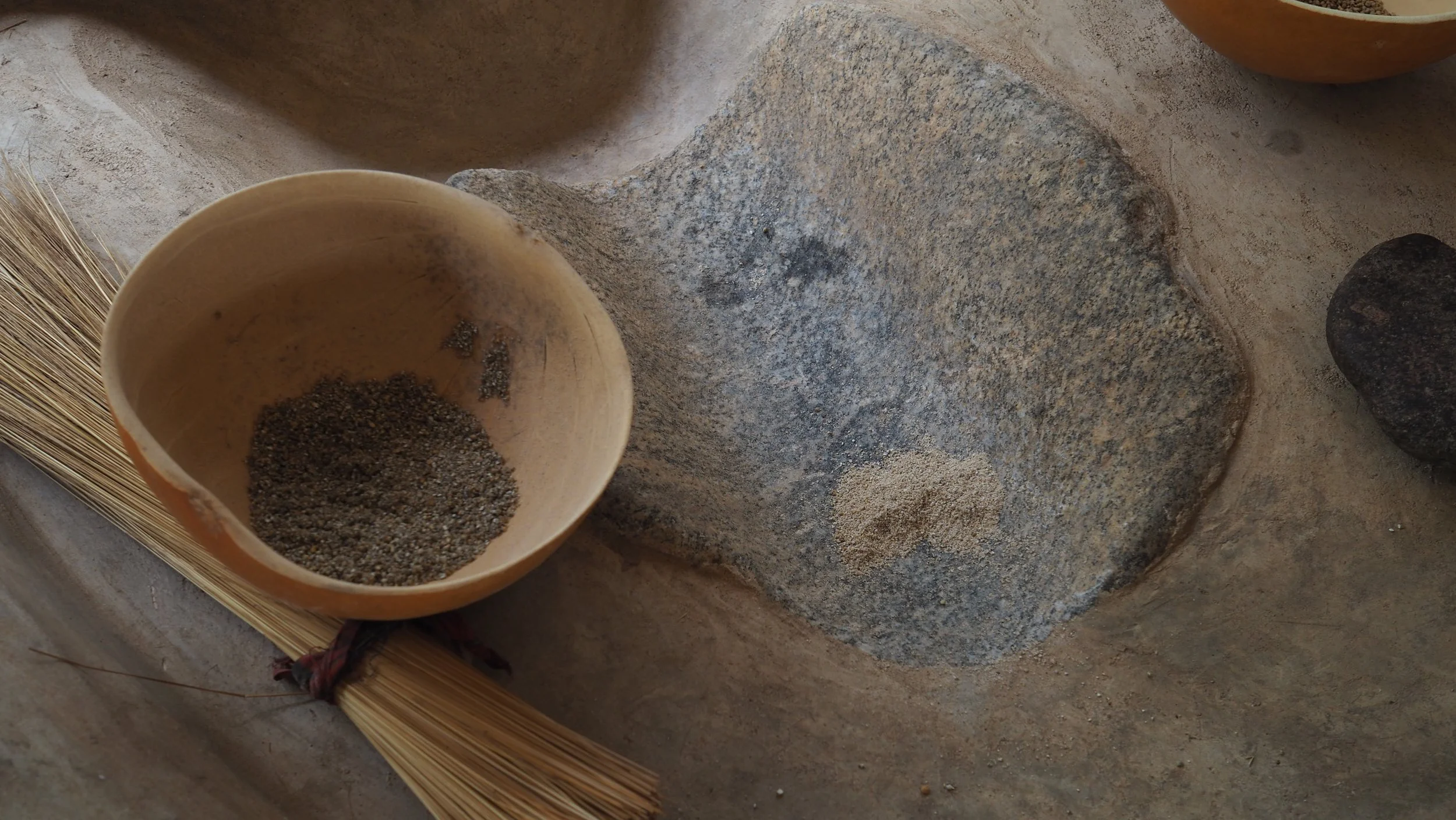
we also visited a small but very interesting museum, where we met miriam, co-president of the newly founded international women's association. we tried our hands at grinding sorghum and millet the traditional way and enjoyed some deliciously cool water from a clay pot.
joining us was another friend from a previous ghana trip, dr isaac, one of the relatively few eye care practitioners in ghana. he works in bawku, a town i have yet to visit. unfortunately, violent clashes in the area had made it impossible to go there on my previous trips. with the situation having improved since last year, bawku is now firmly on the list for one of my next visits to ghana.
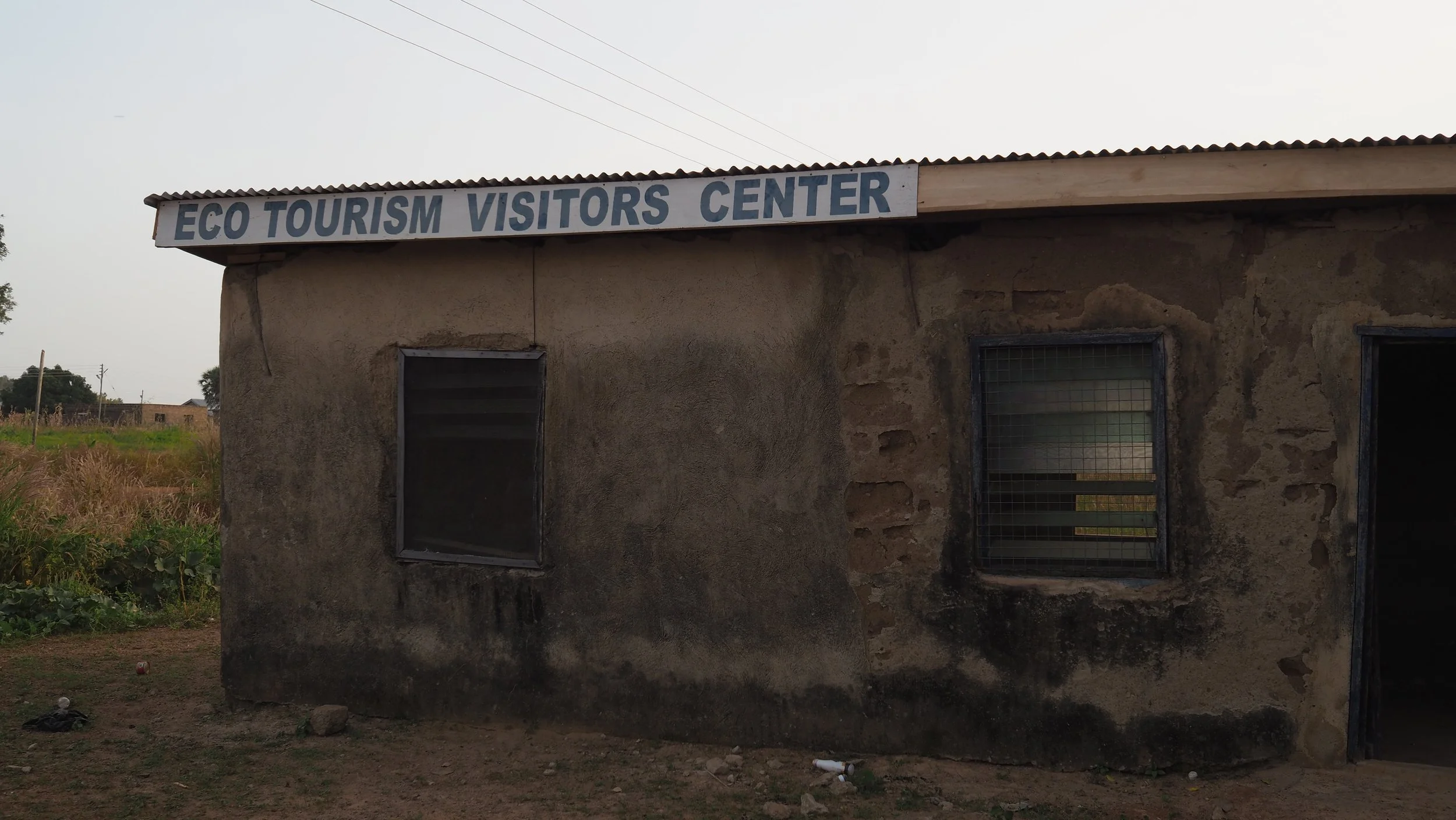
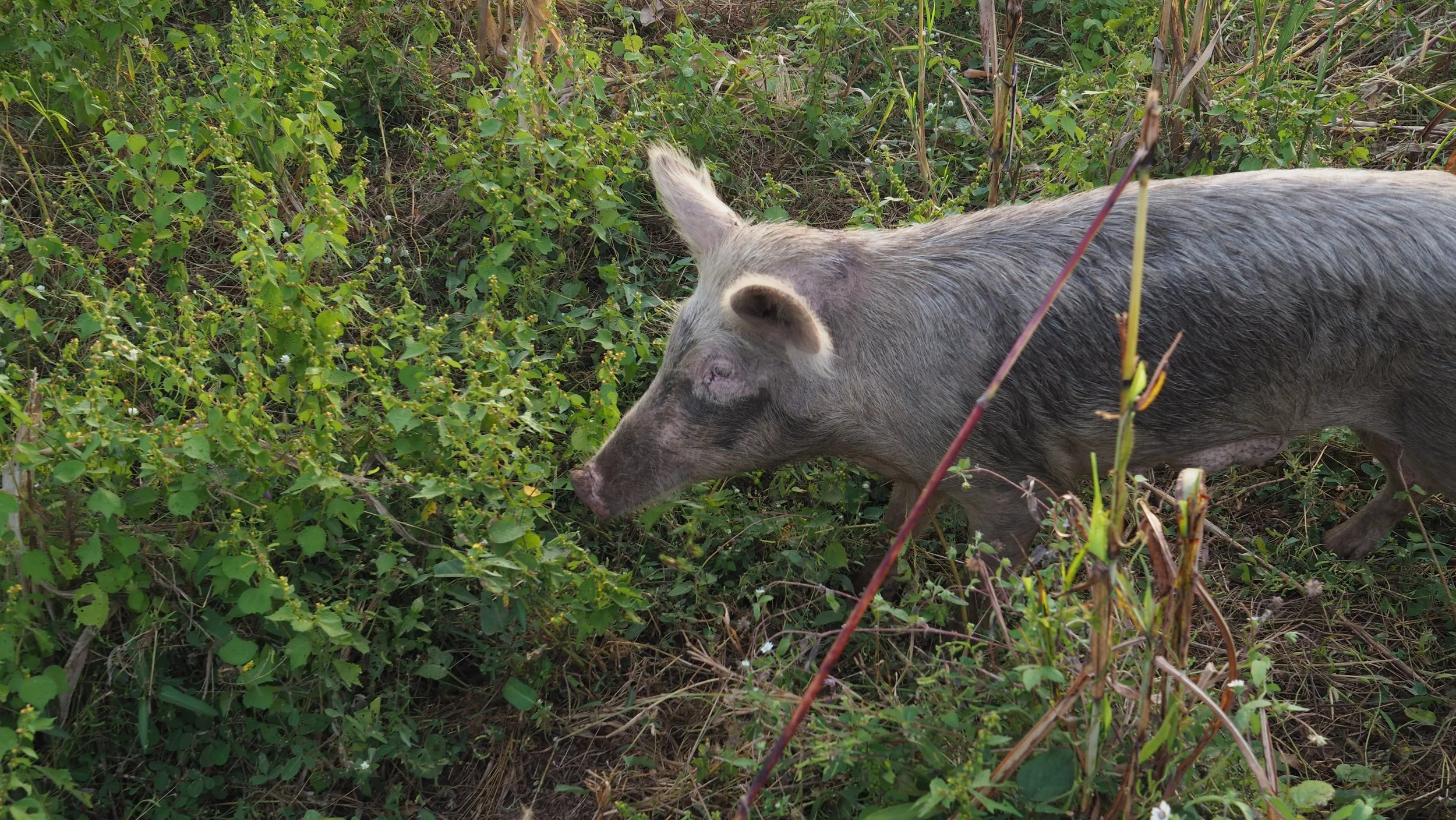
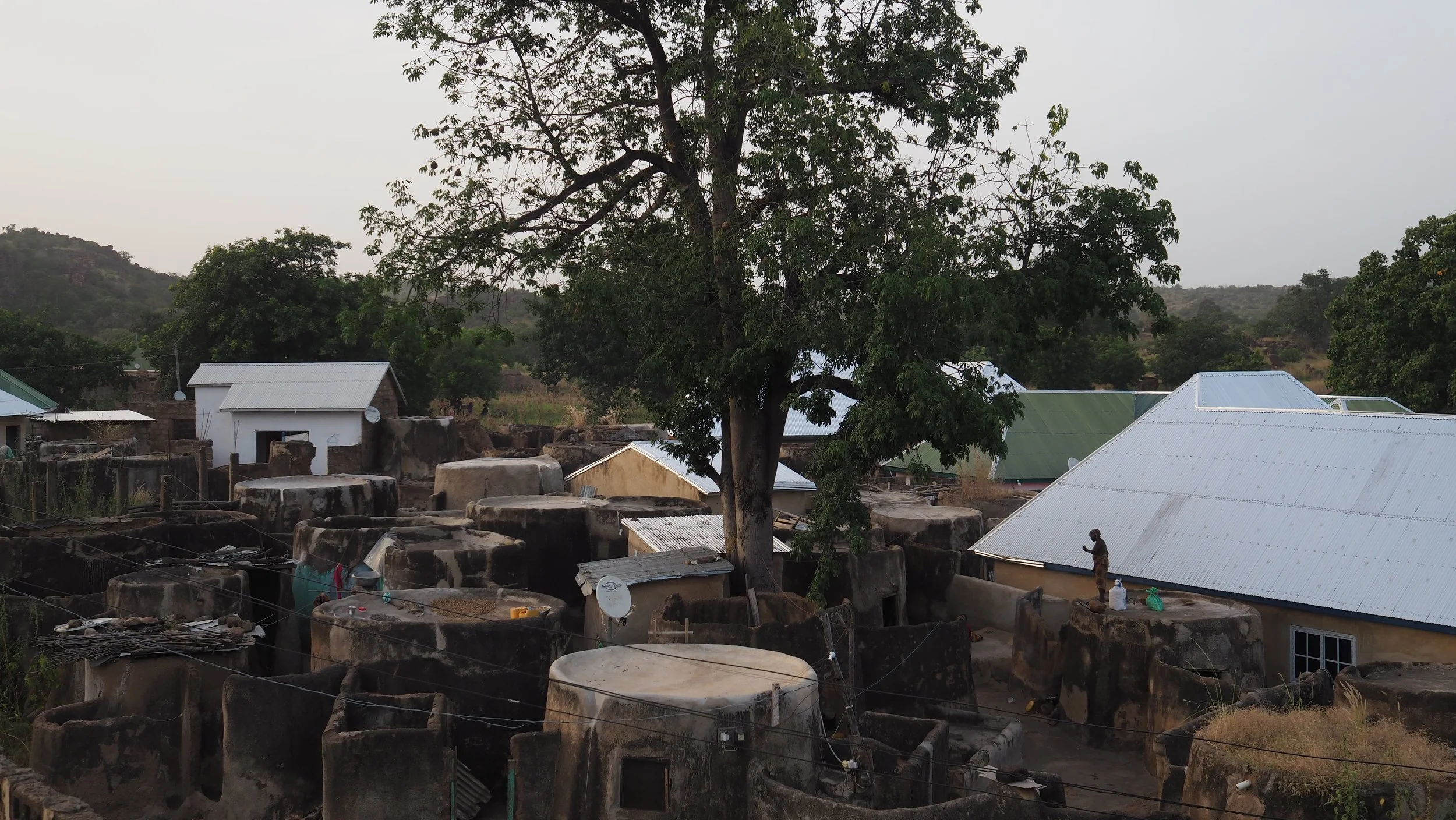
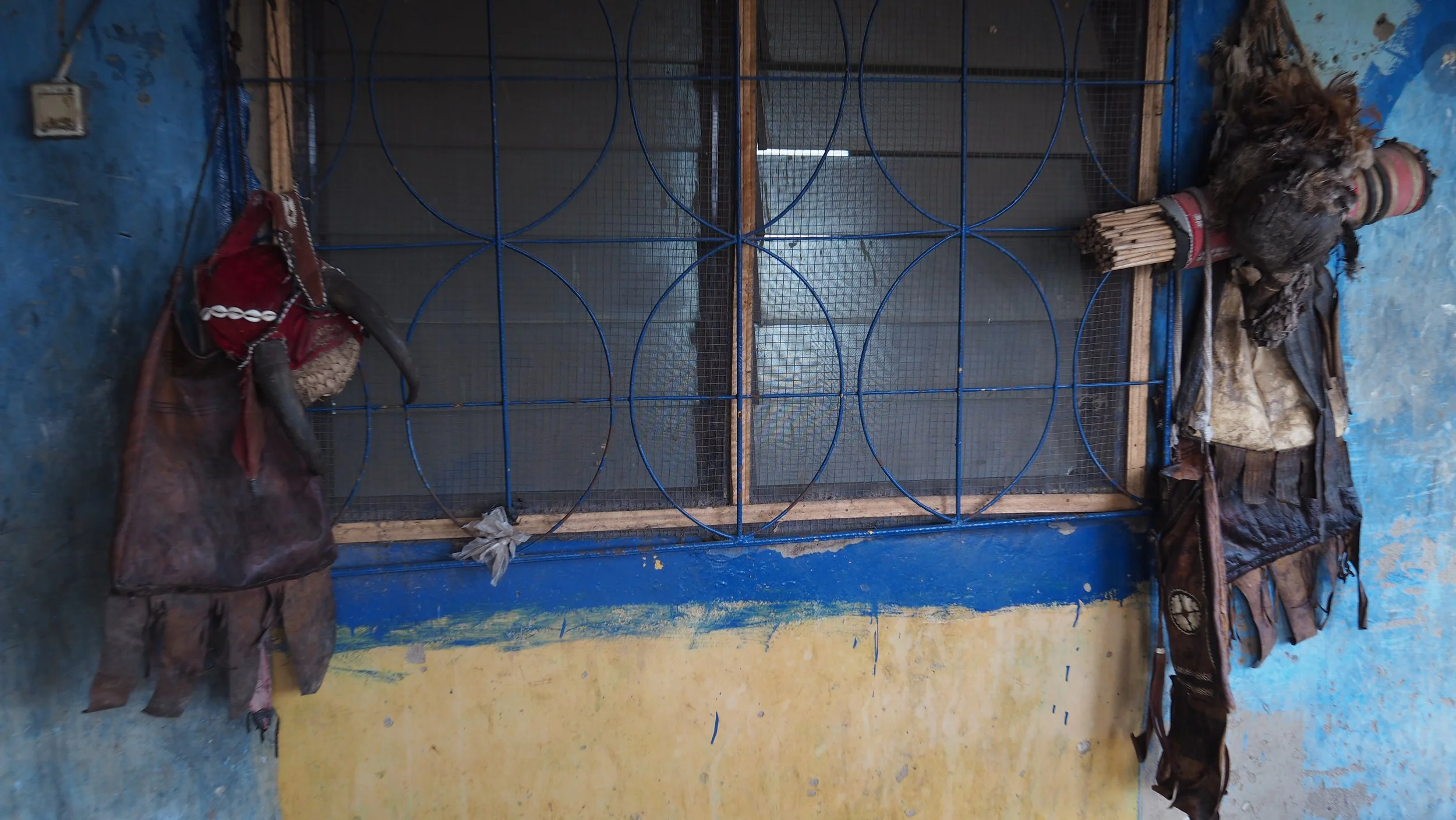
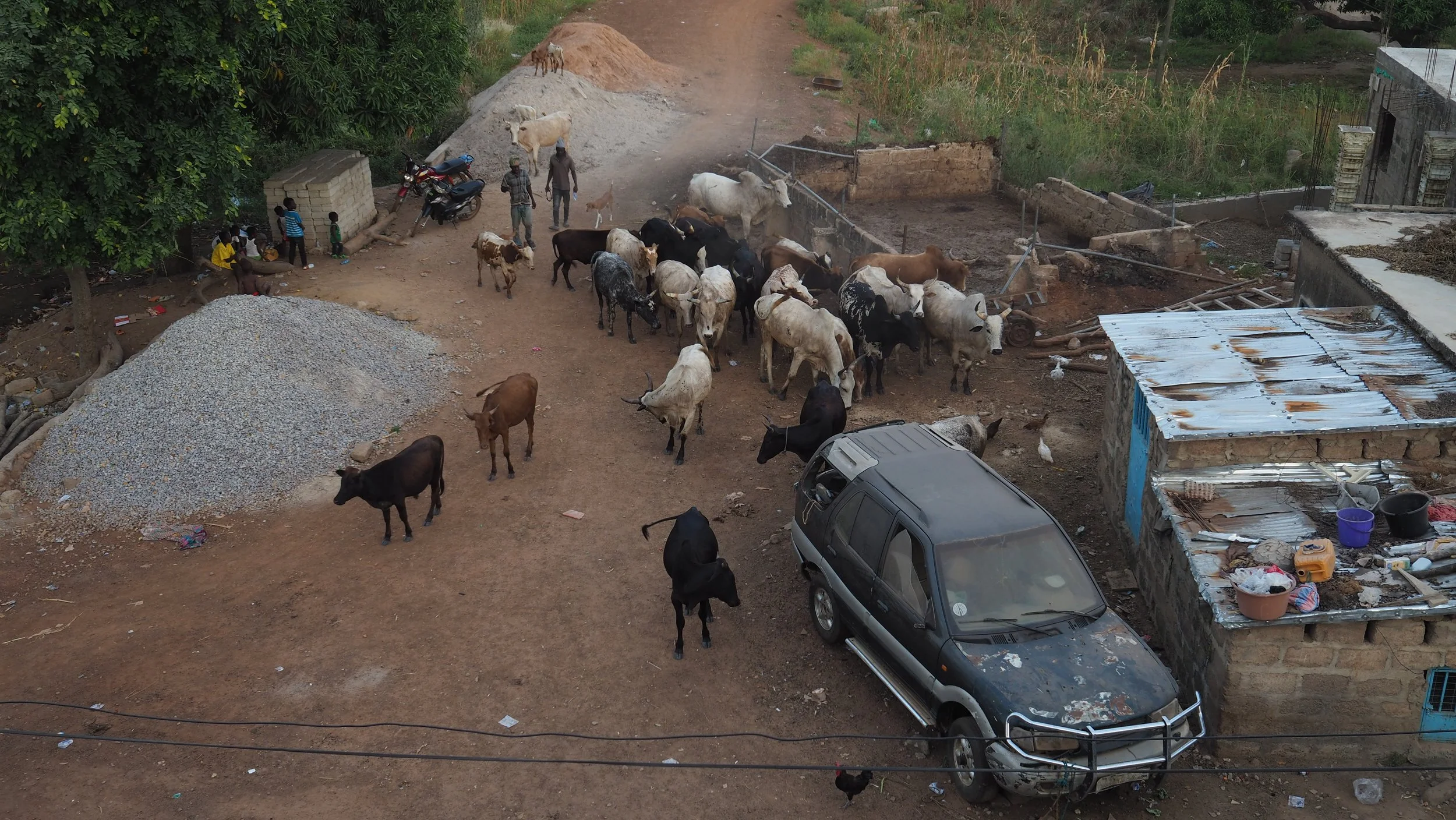
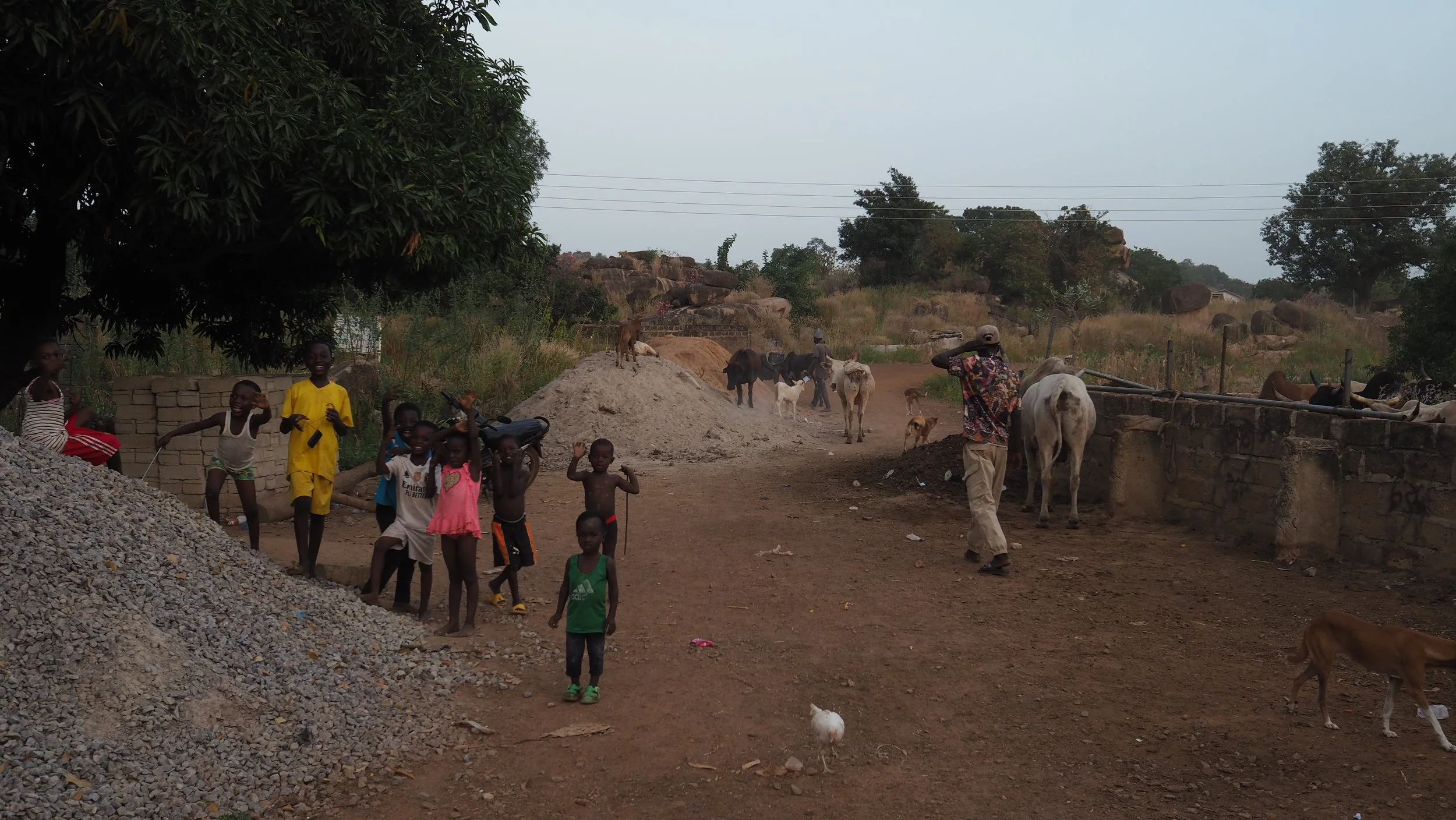
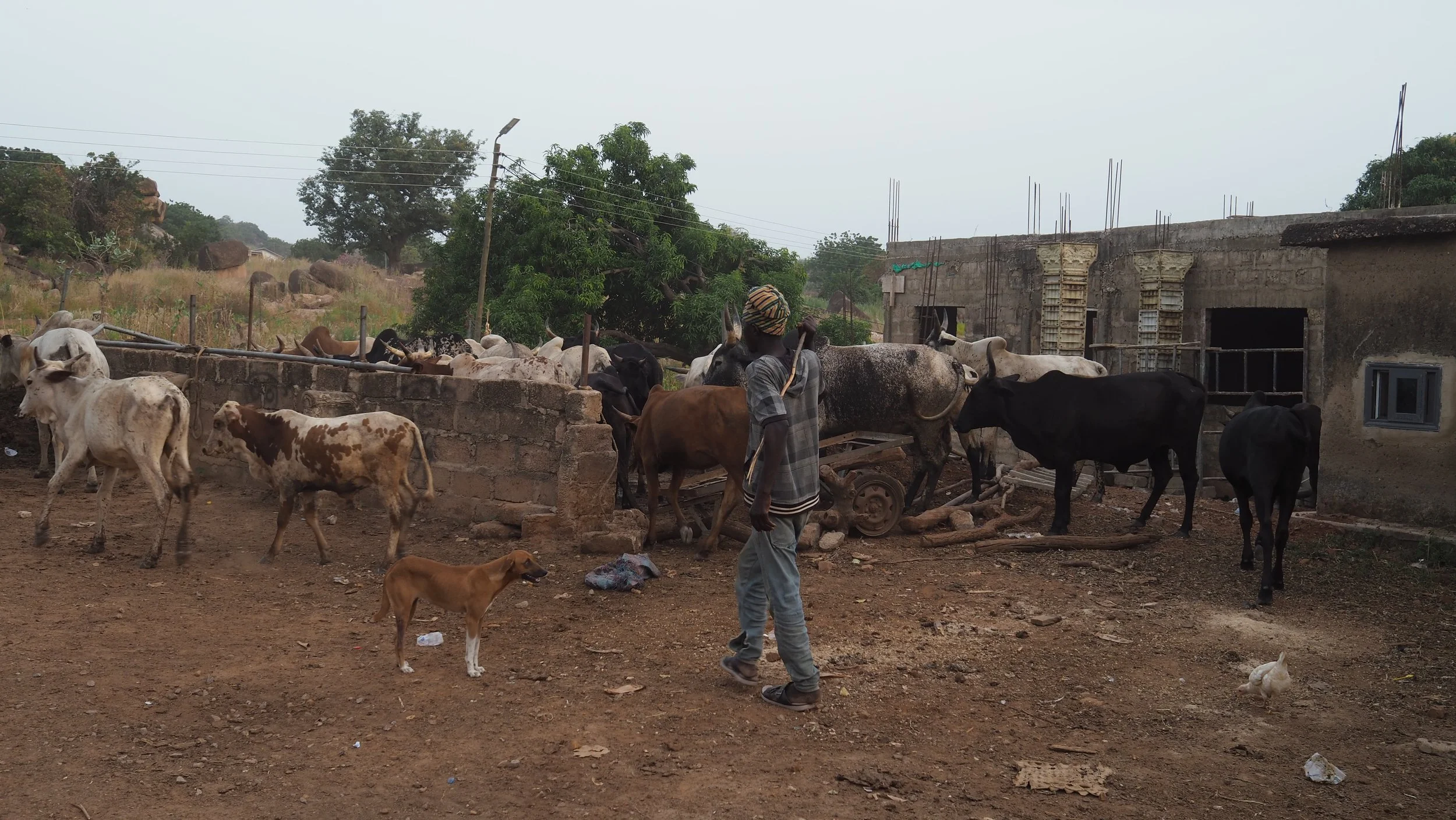
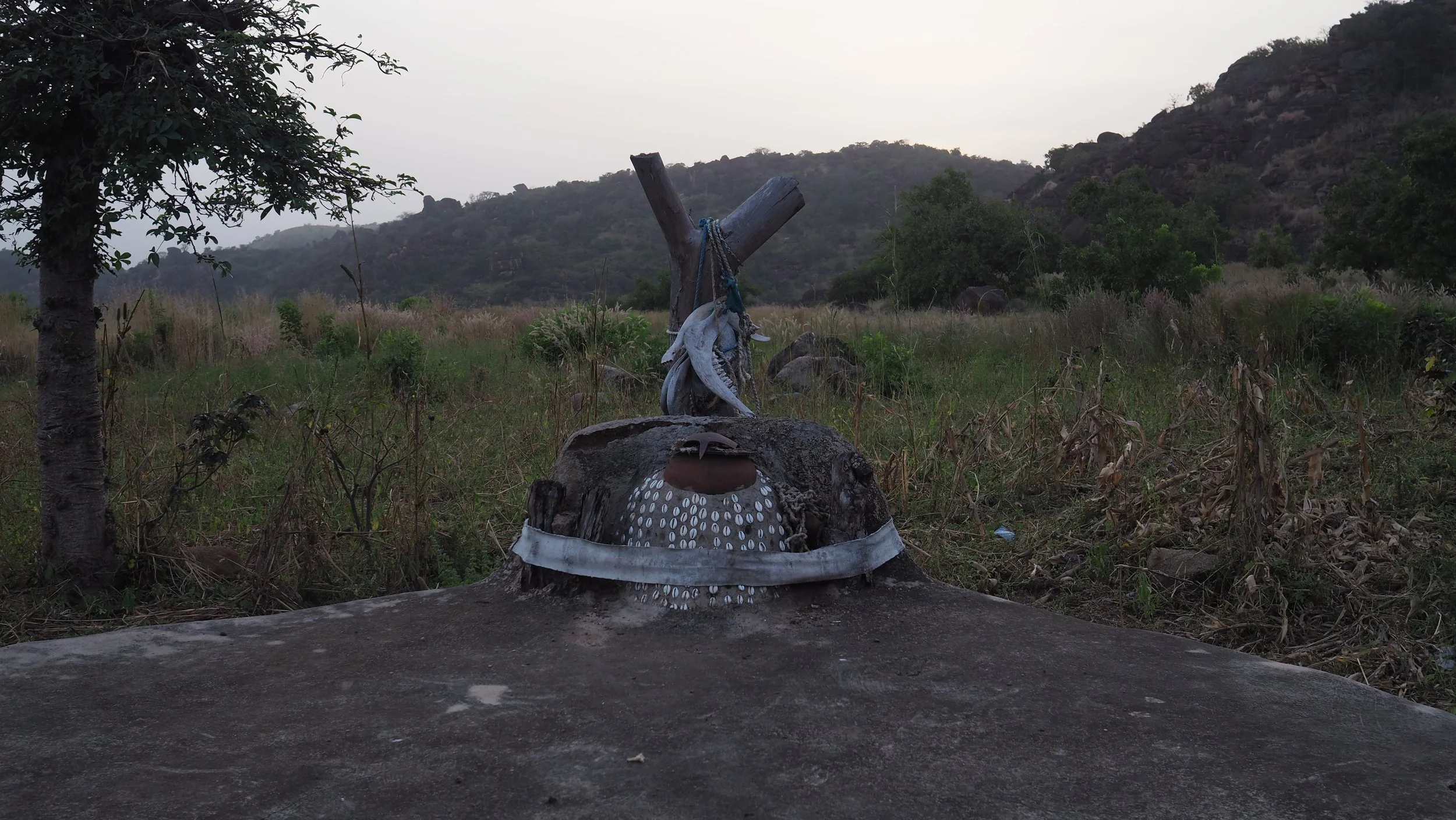
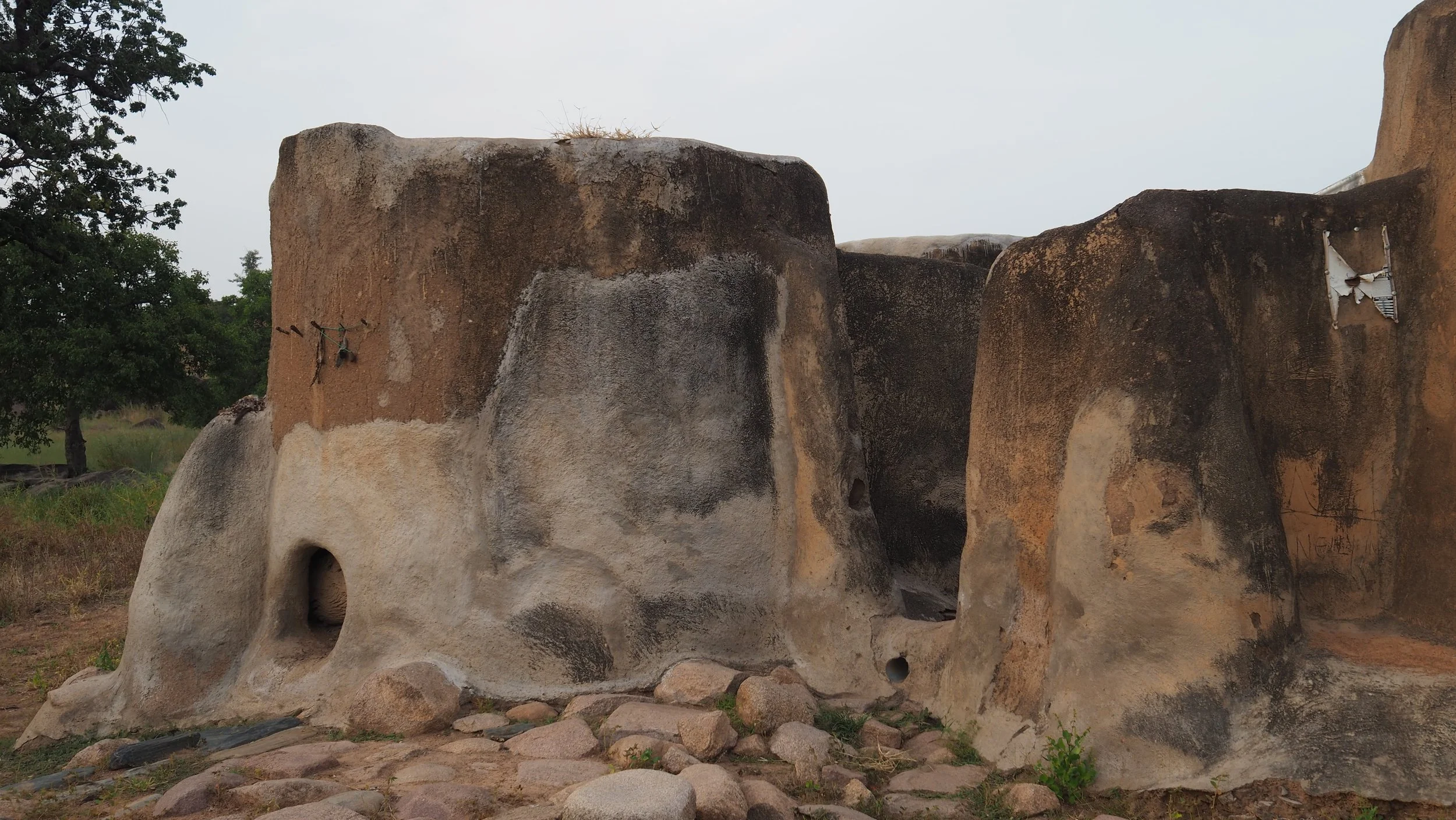
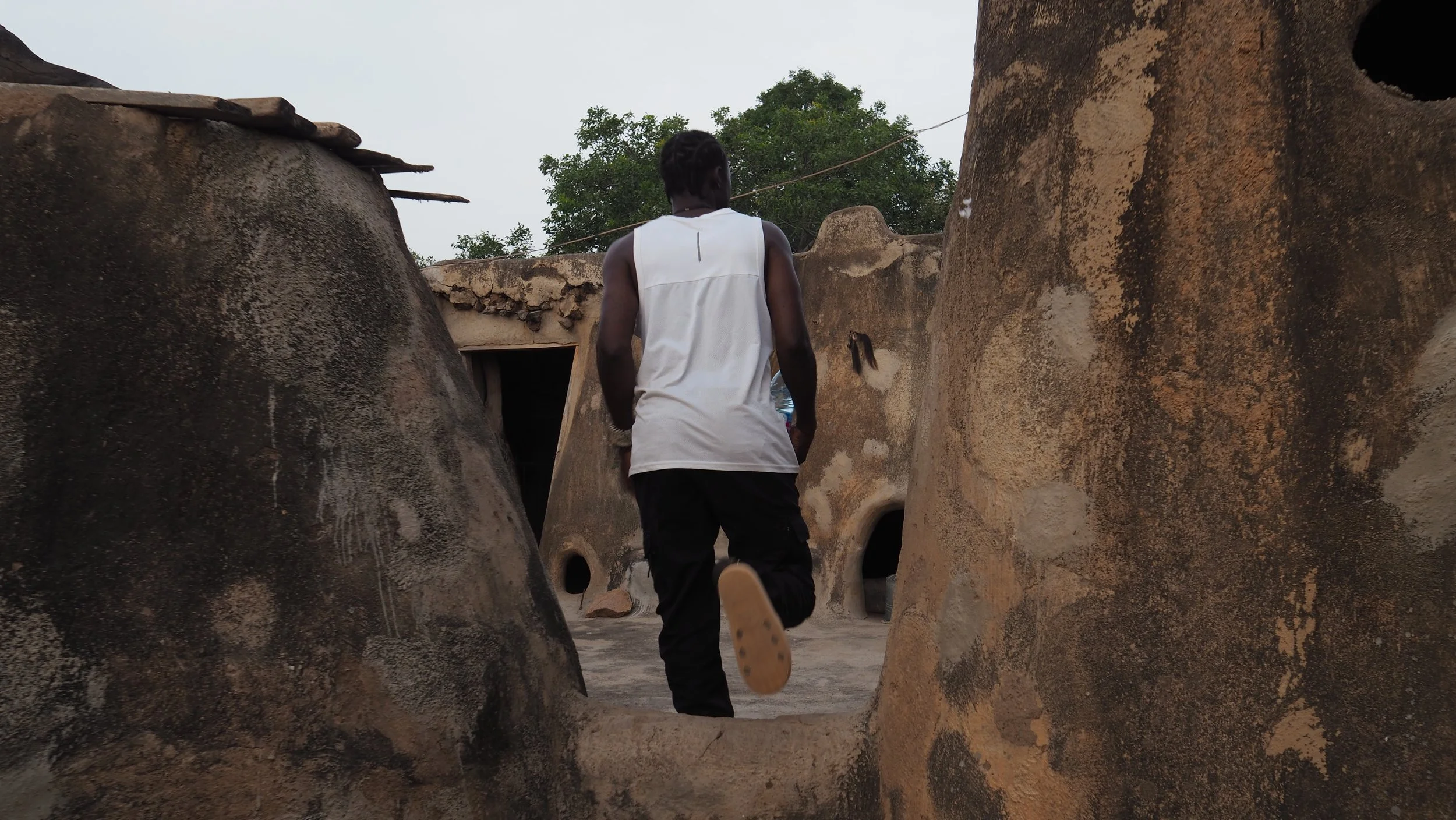
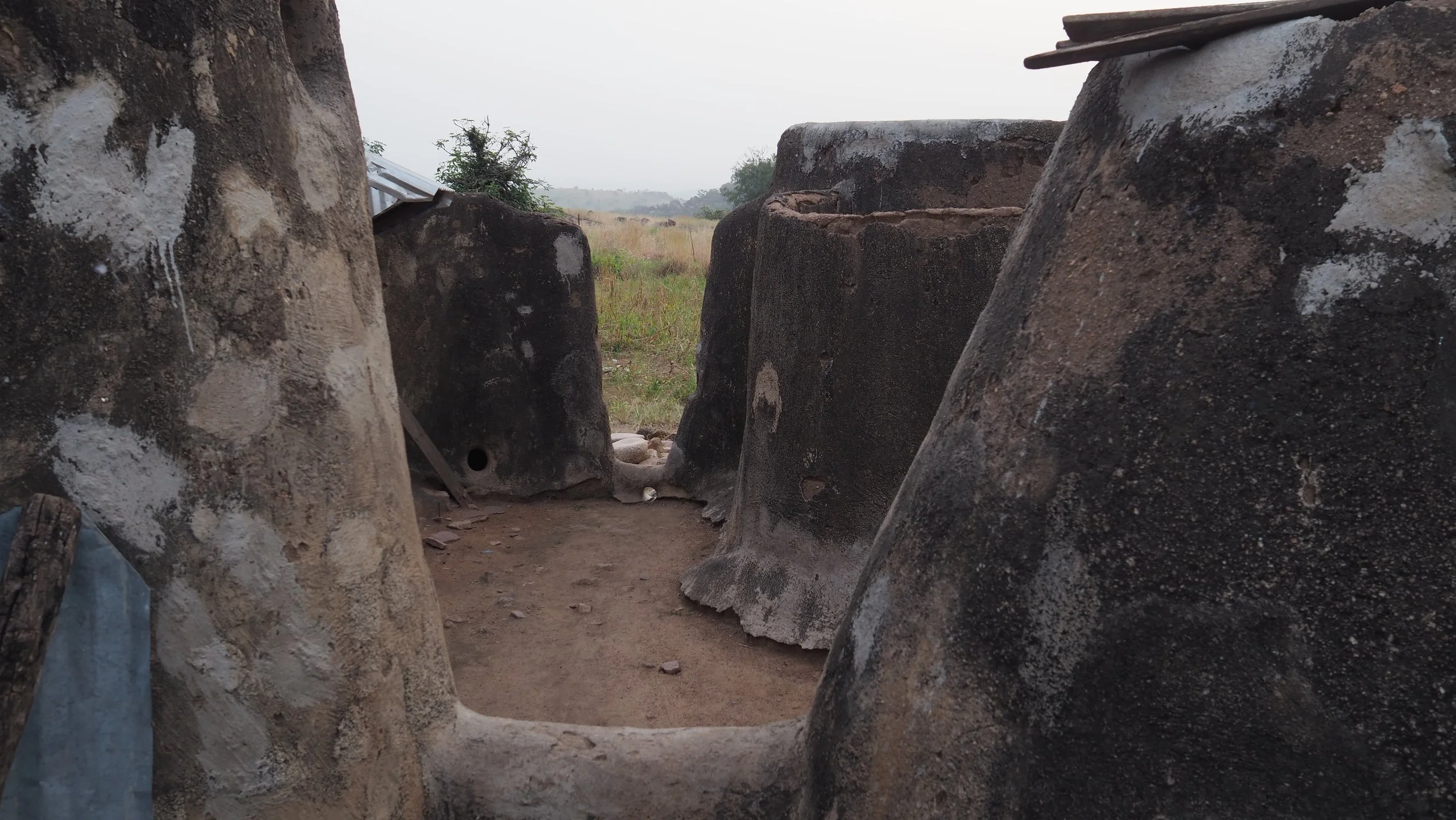
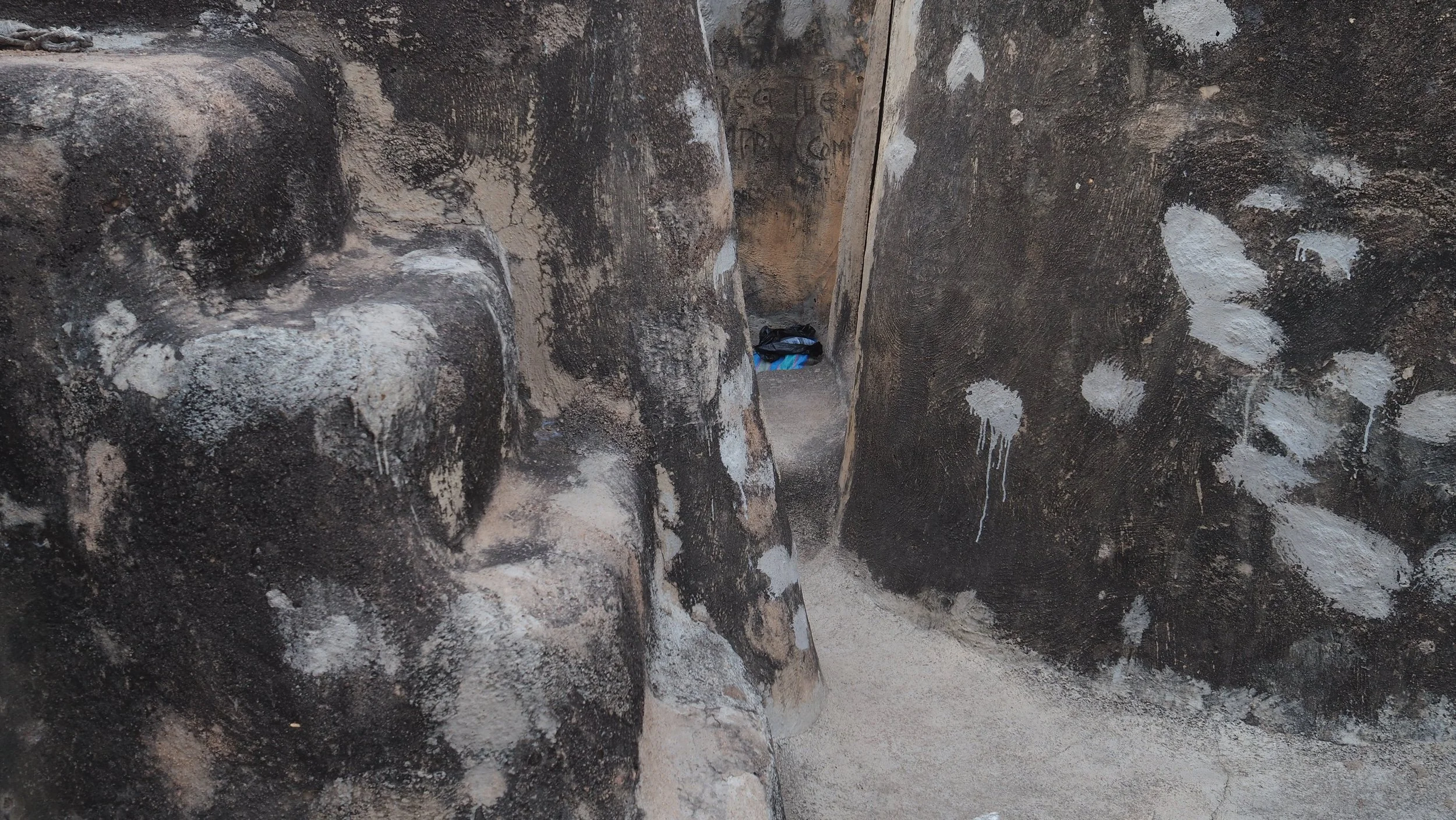
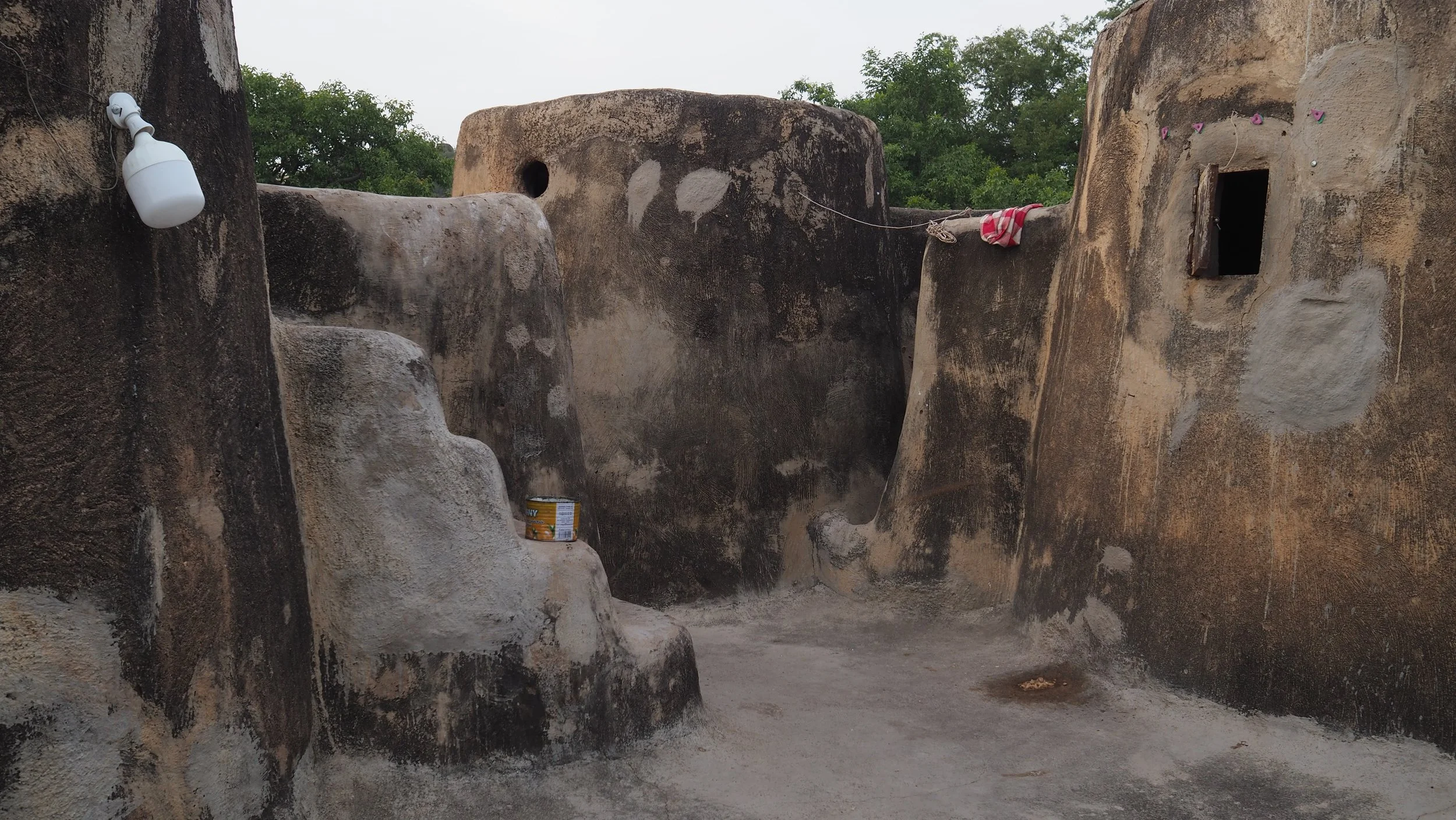
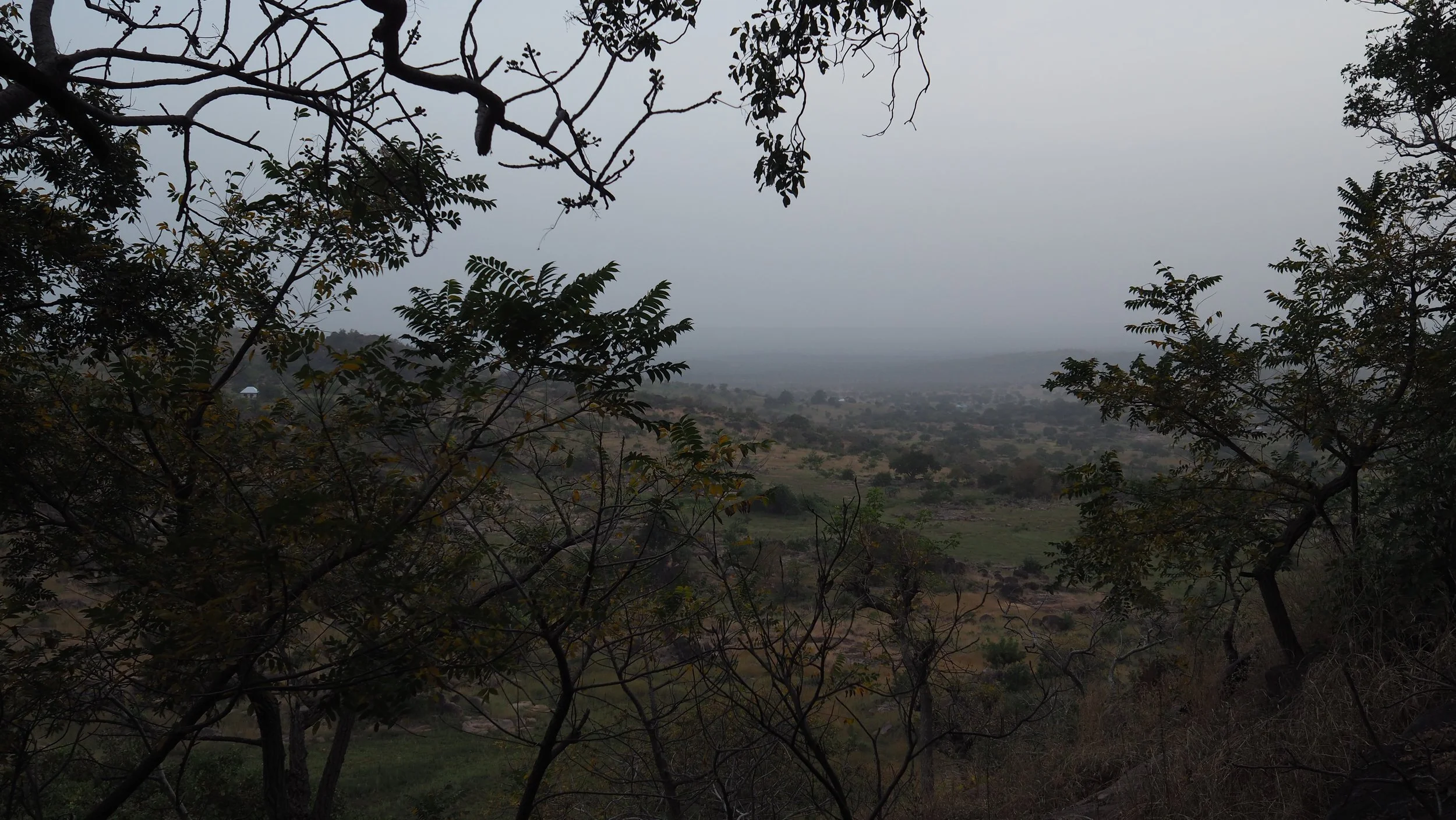
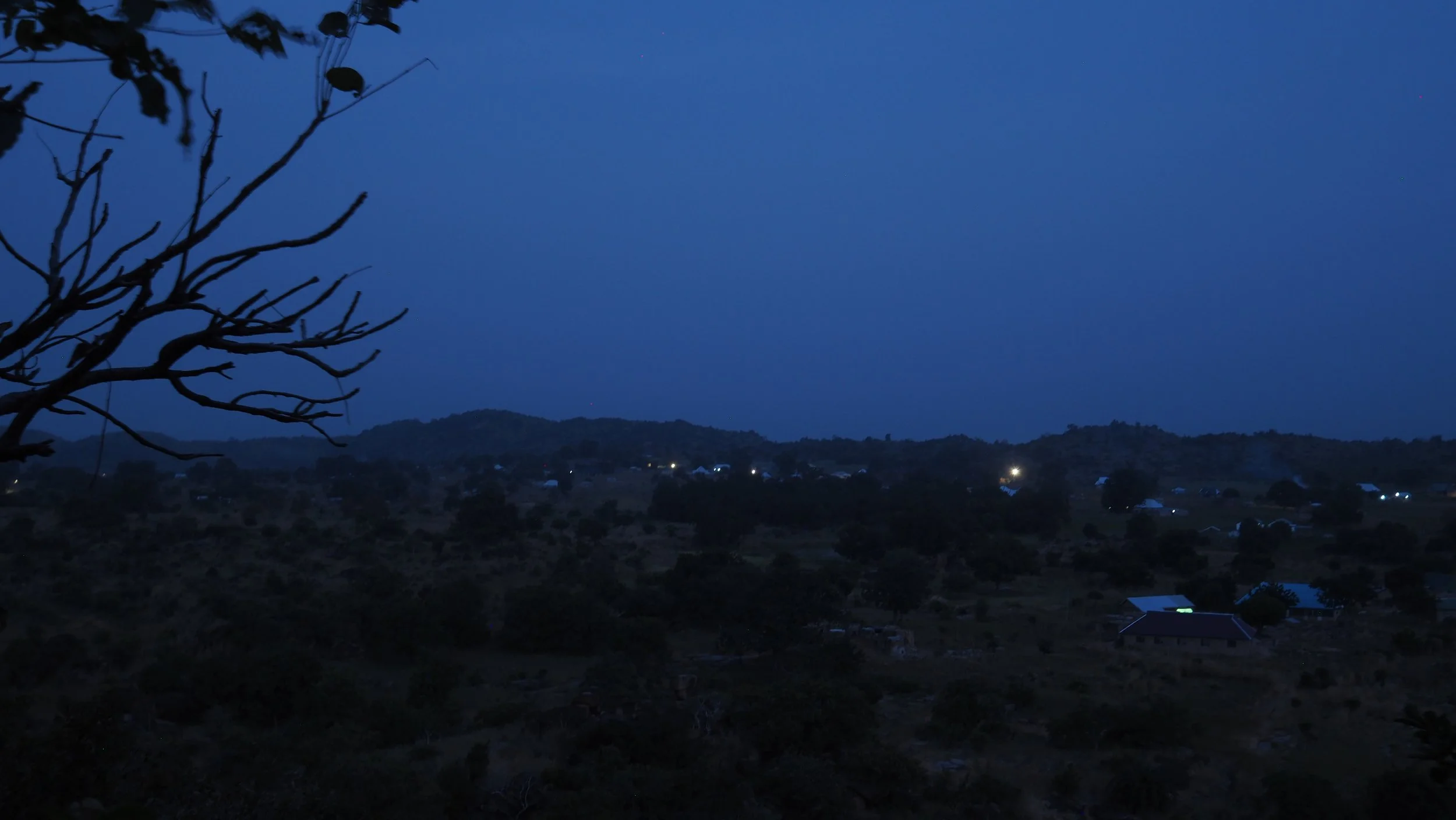
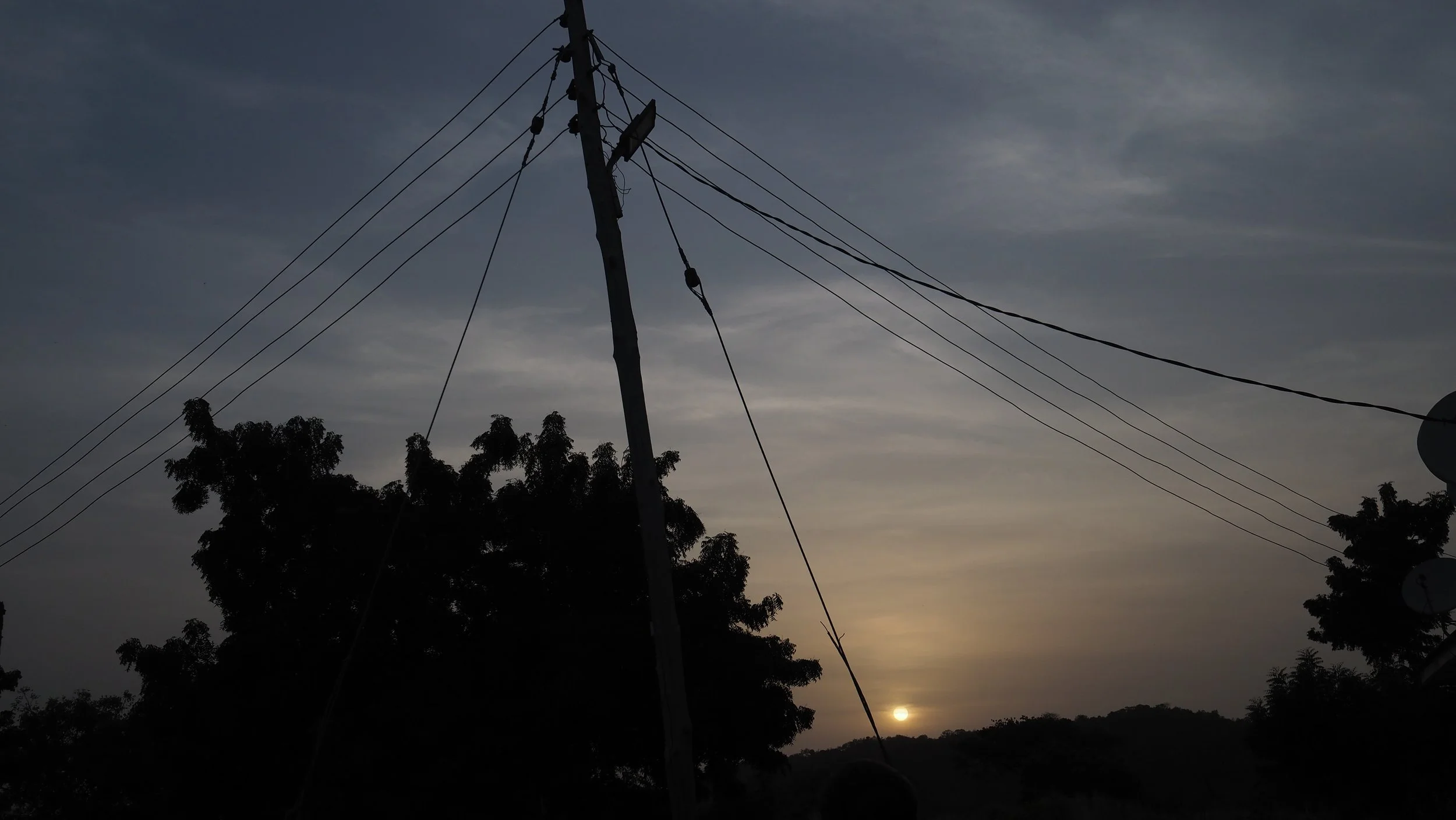
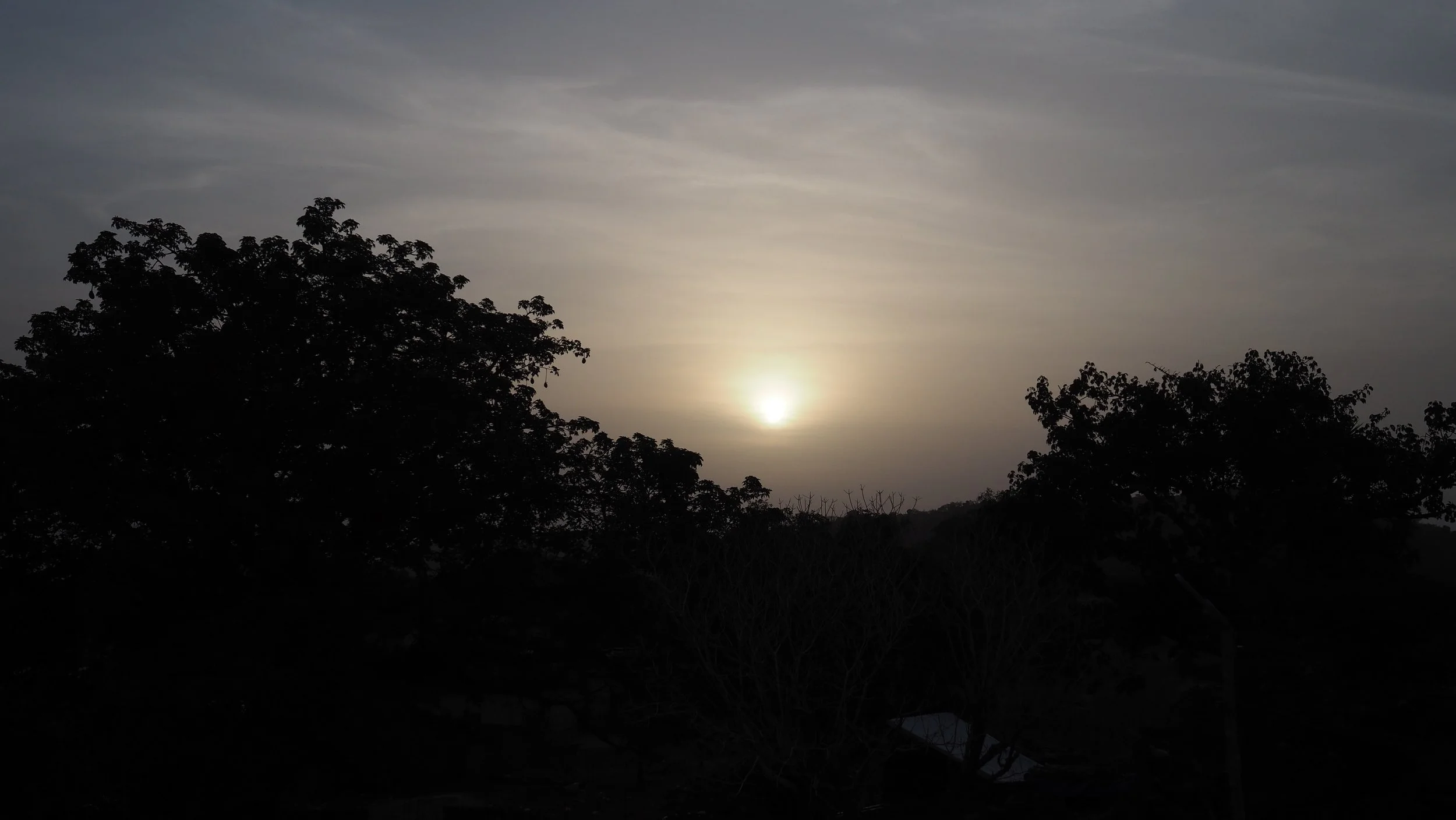
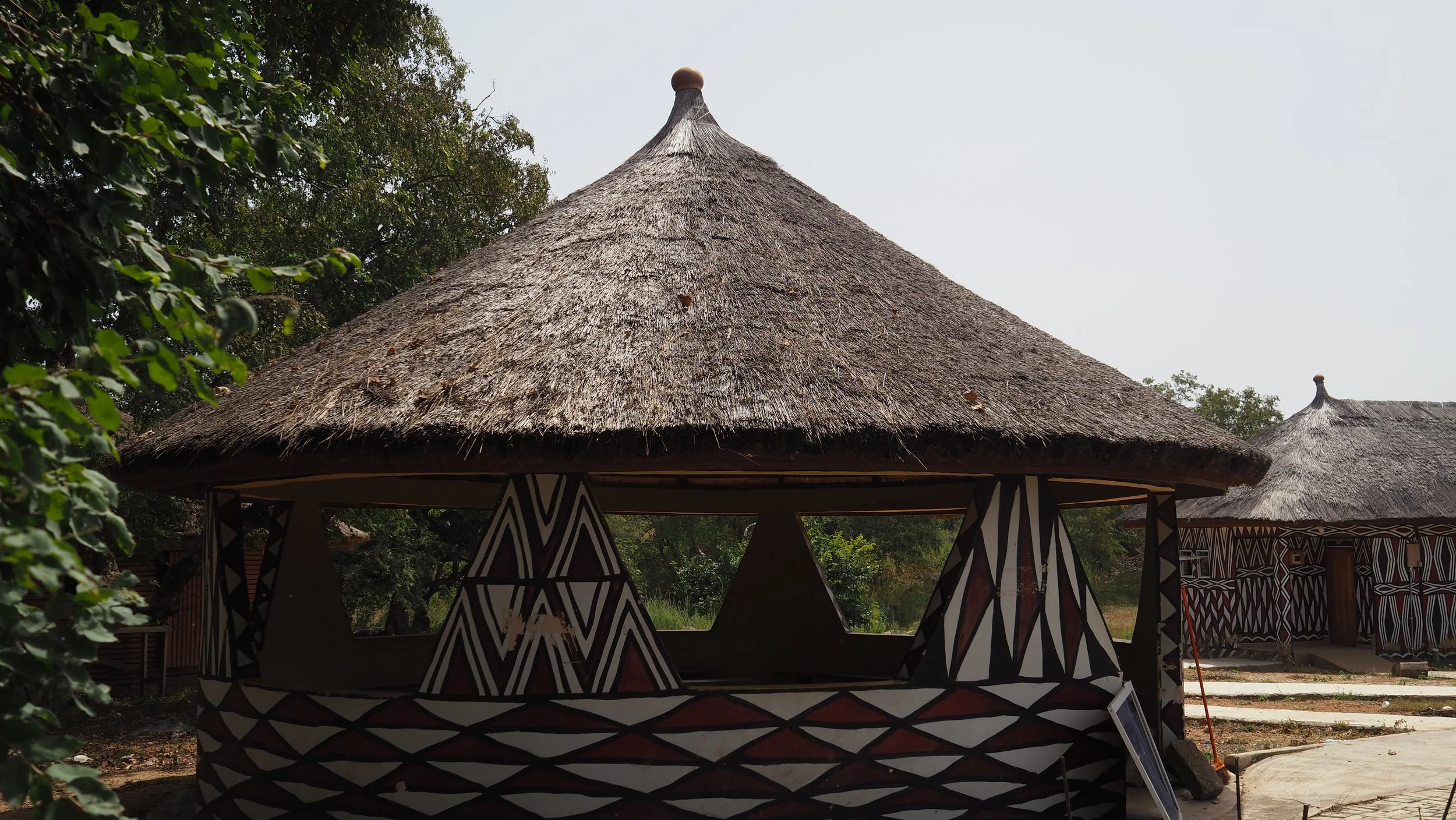
as the last highlight of our day trip up north we got to visit the traditional village of tengzug in the tongo hills. also met a swine, many cows, luckily no snakes during our walk through the bush, a few people and a priest, saw many rocks and bones, plus the typical mud hut compounds of a northern ghanaian village, and at the end a beautiful sunset.
thereafter it was another ghana road adventure, back to tamale in the dark, still with heavy traffic on the only major road to burkina faso.