comuna trece
life after death.
comuna 13 was rough, really rough. many people died here, or disappeared, never to be found.
what has changed? a whole lot.
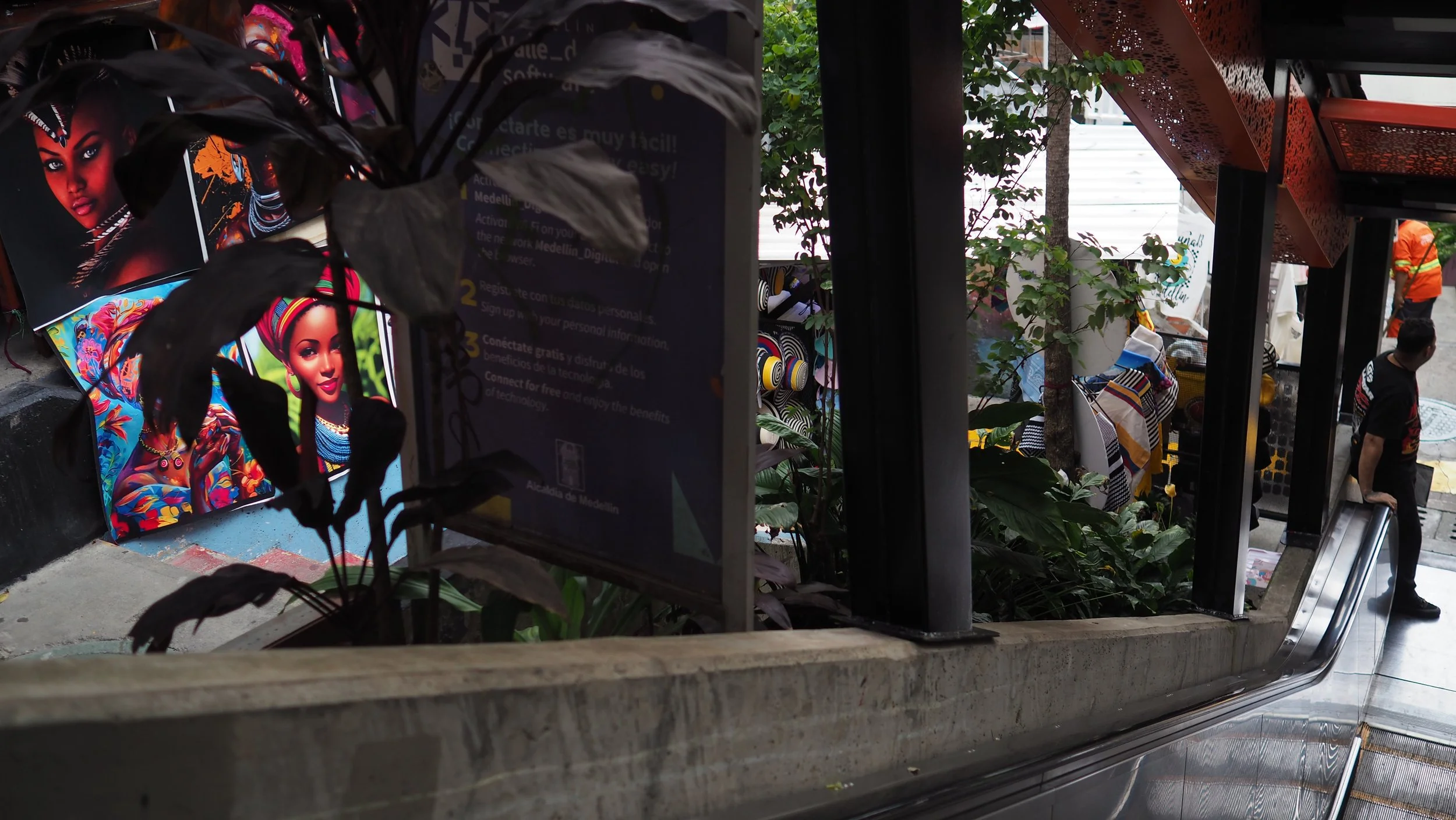
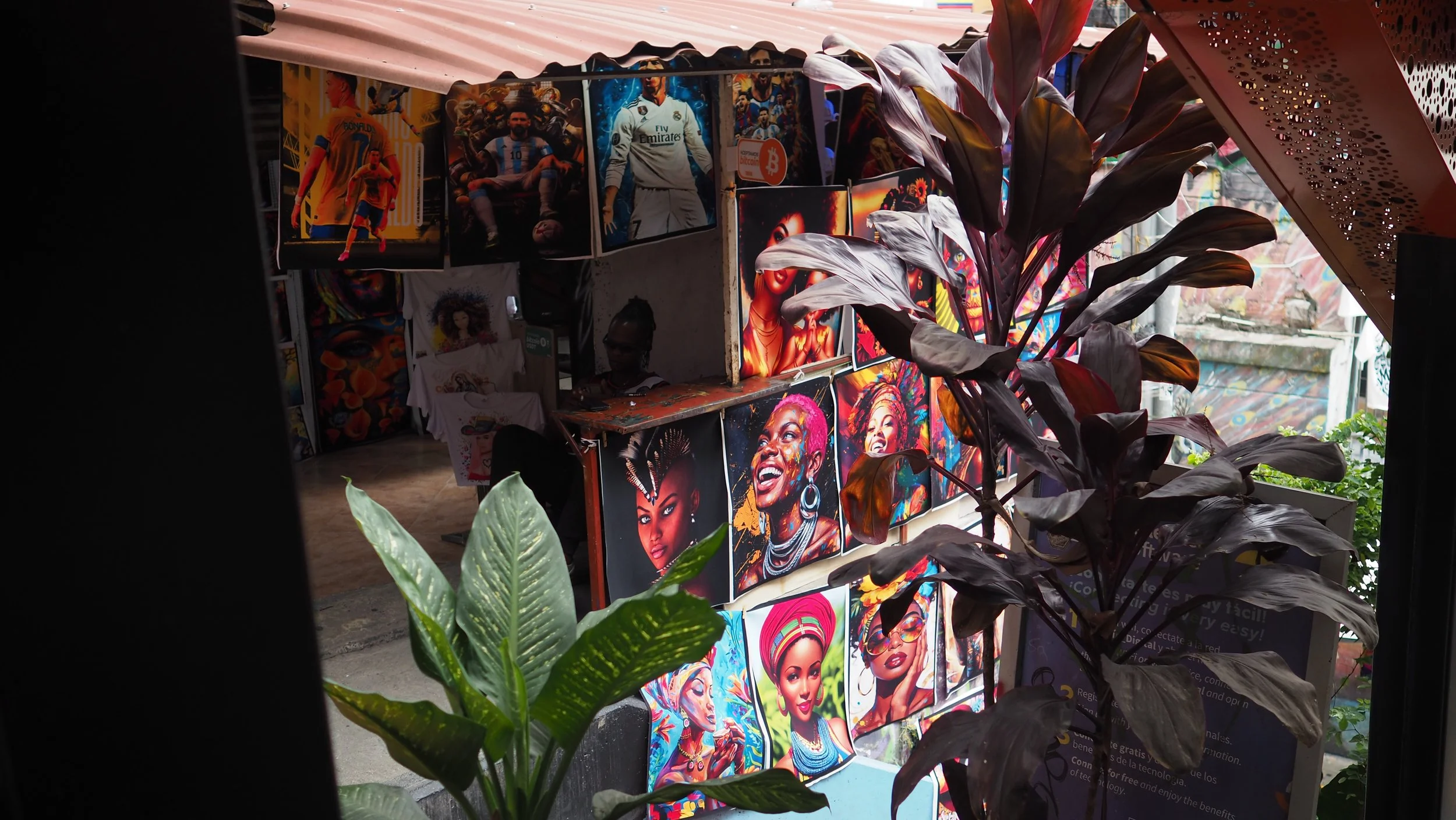
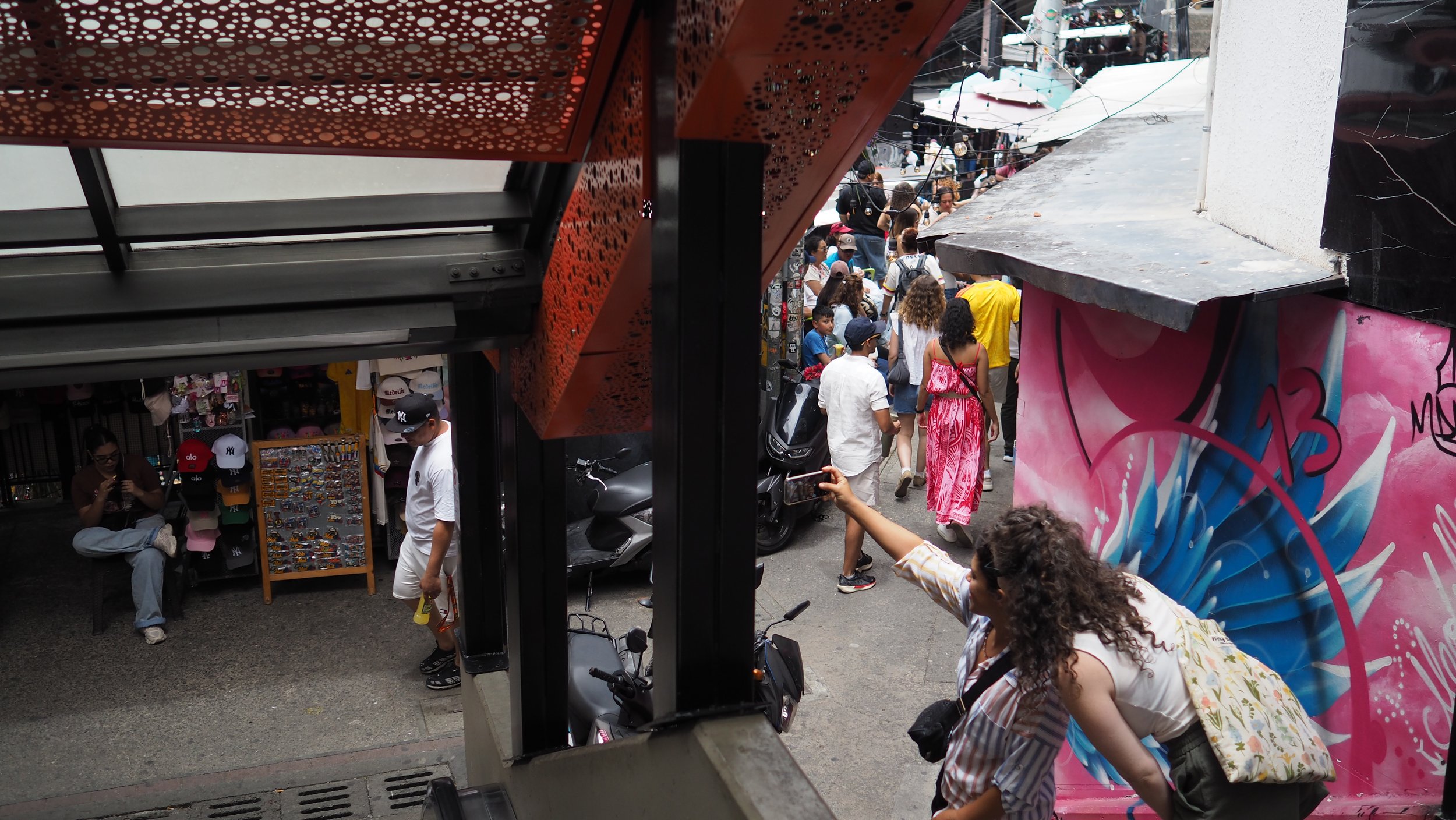
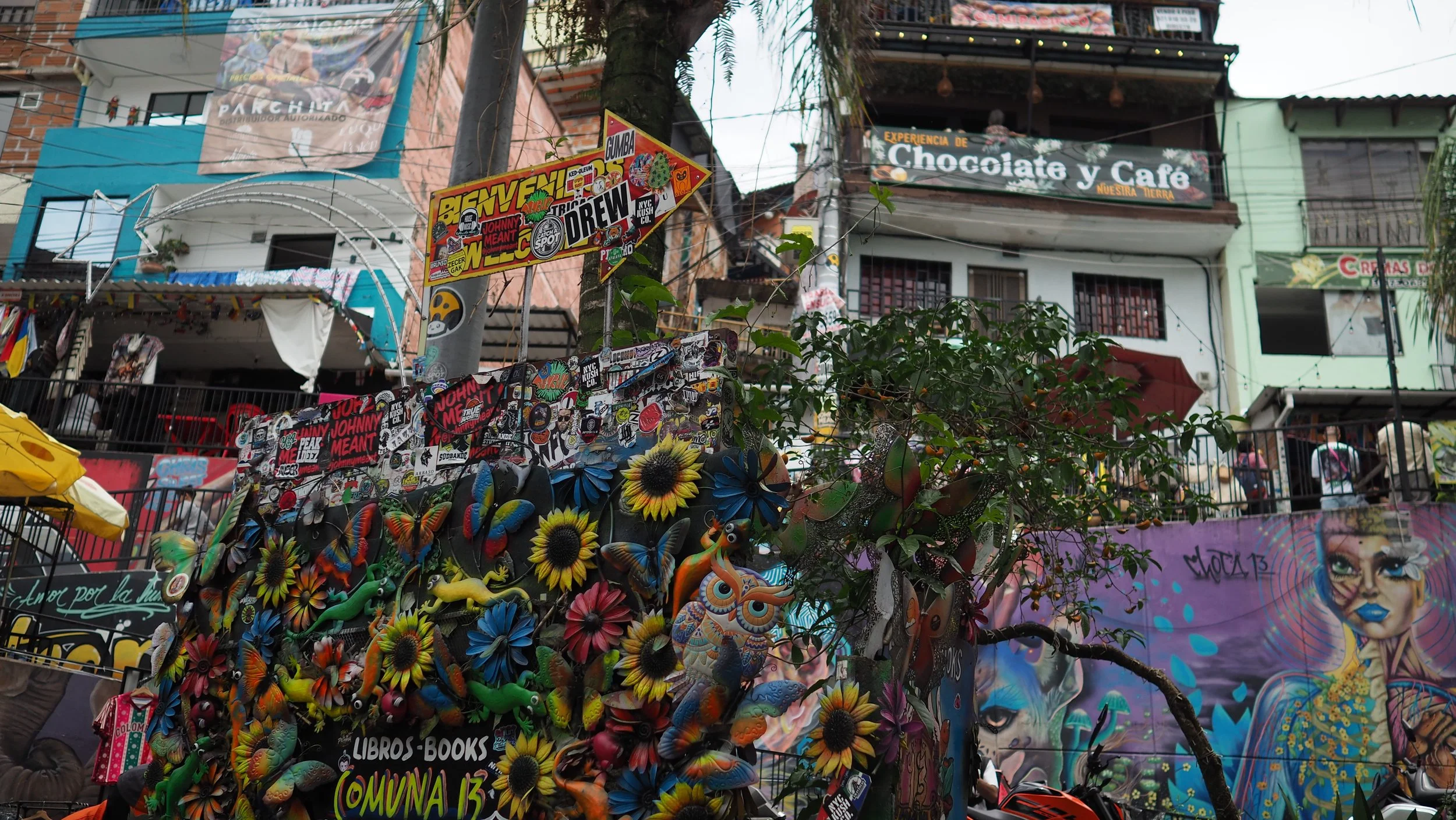
comuna 13 is a neighborhood of medellín, consisting of 17 barrios. most tourists get to visit just one. the one with the electric stairs or escalators, where the local vendors sell everything one can think of by way of souvenirs or things to consume.
that experience is very far from what life was back in the day, when outsiders couldn’t enter these barrios and residents were subject to the rule of gangs, be it the leftist militias around farc and eln, or rightwing auc, or the narco gangs.
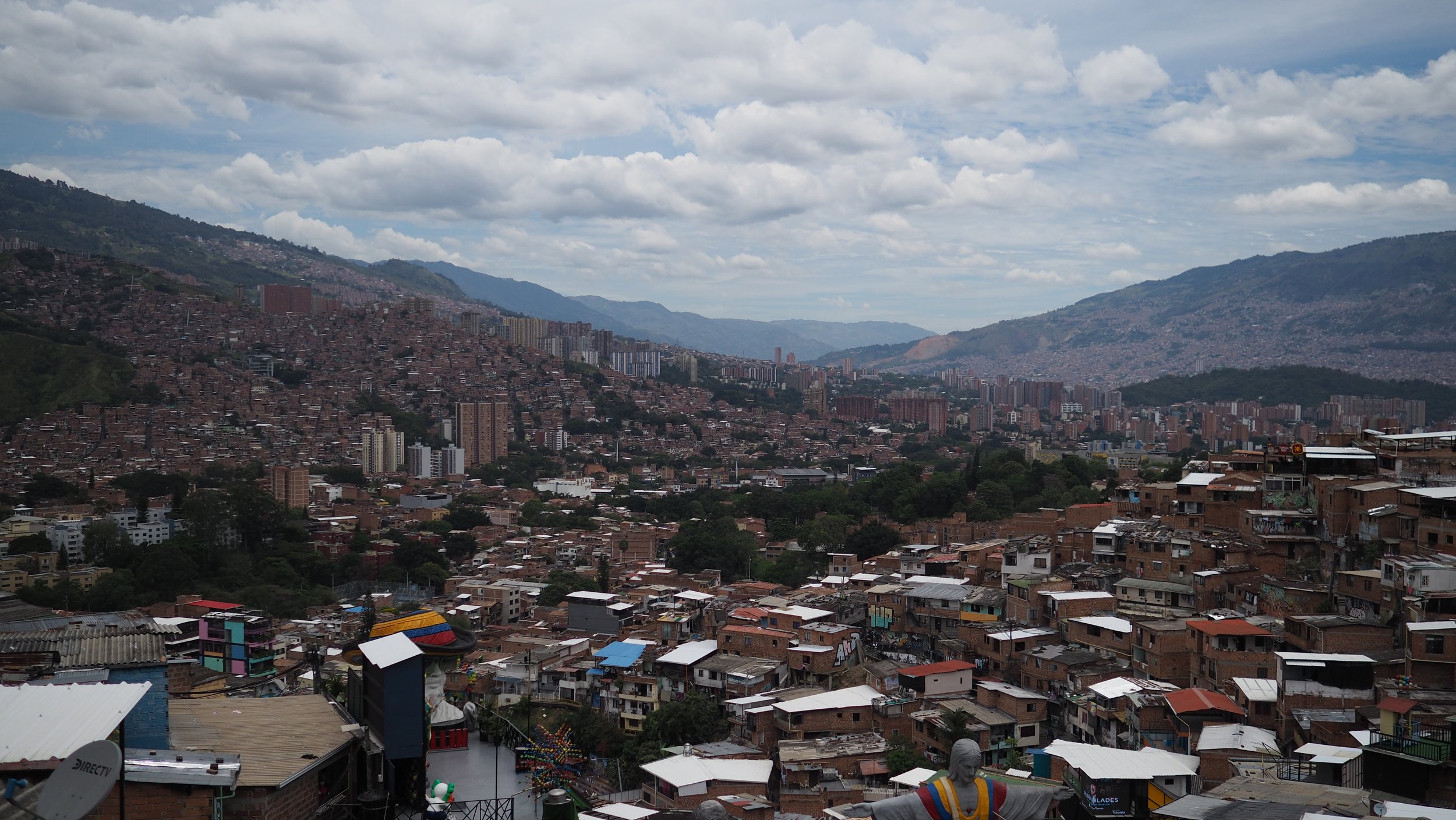
comuna 13 was settled in the 1960s by people fleeing violence in the countryside, but arriving to more violence. without public utilities and very basic building materials the steep western hills above medellín transformed into a labyrinth of alleys, stairs and shacks. like a favela.
this environment was ideal for the ingress of drugs and the people behind it.
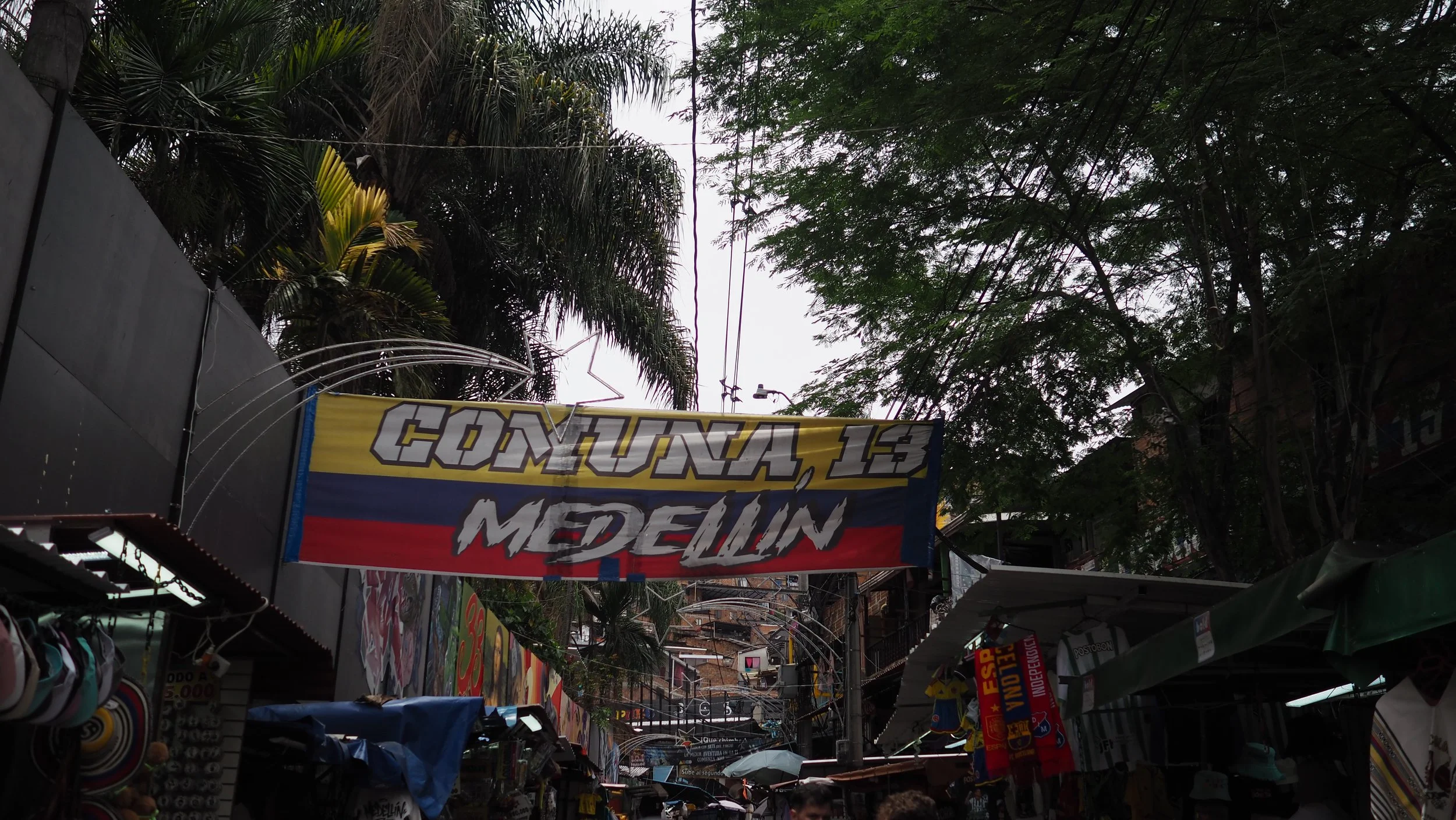
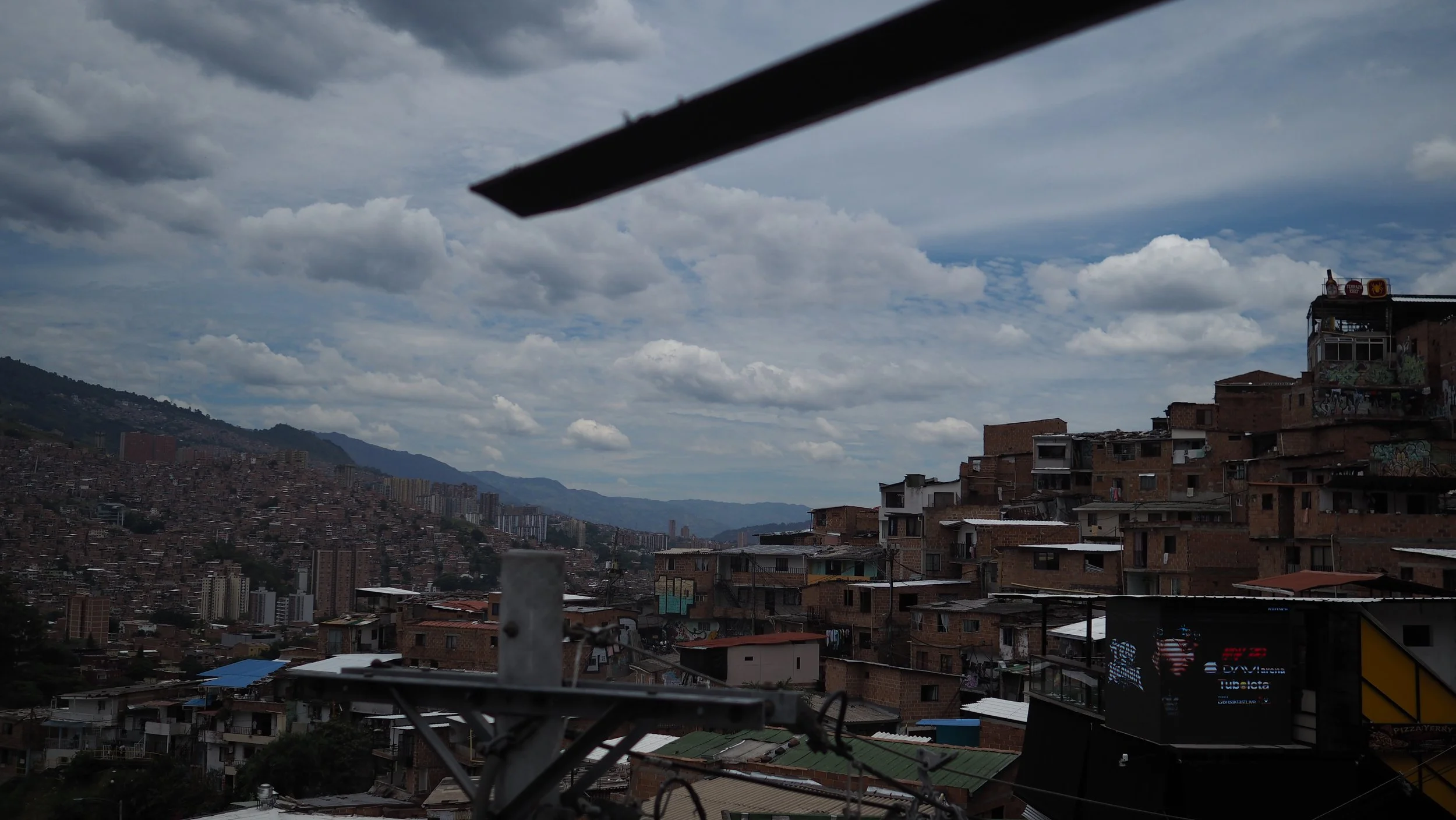
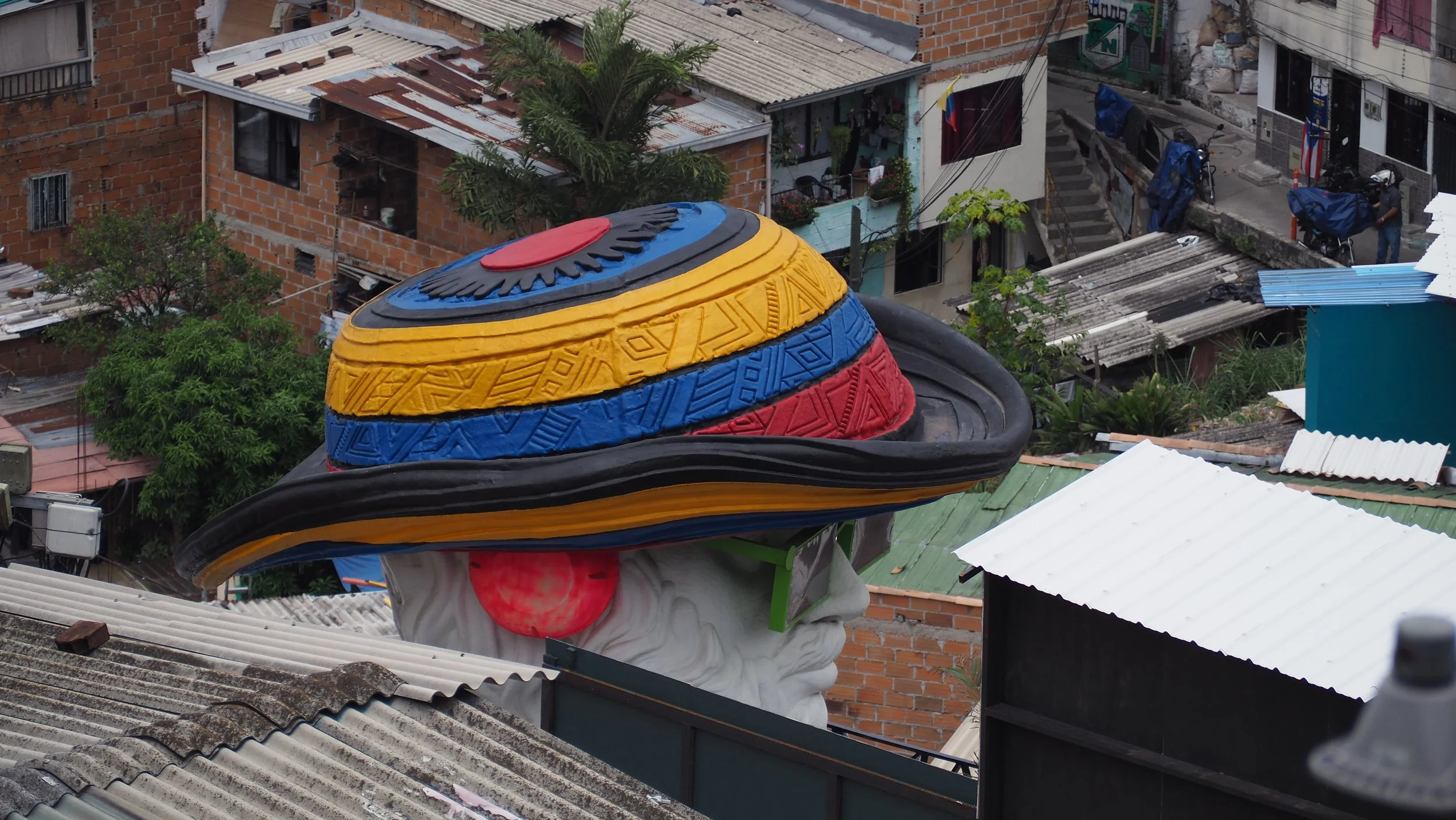
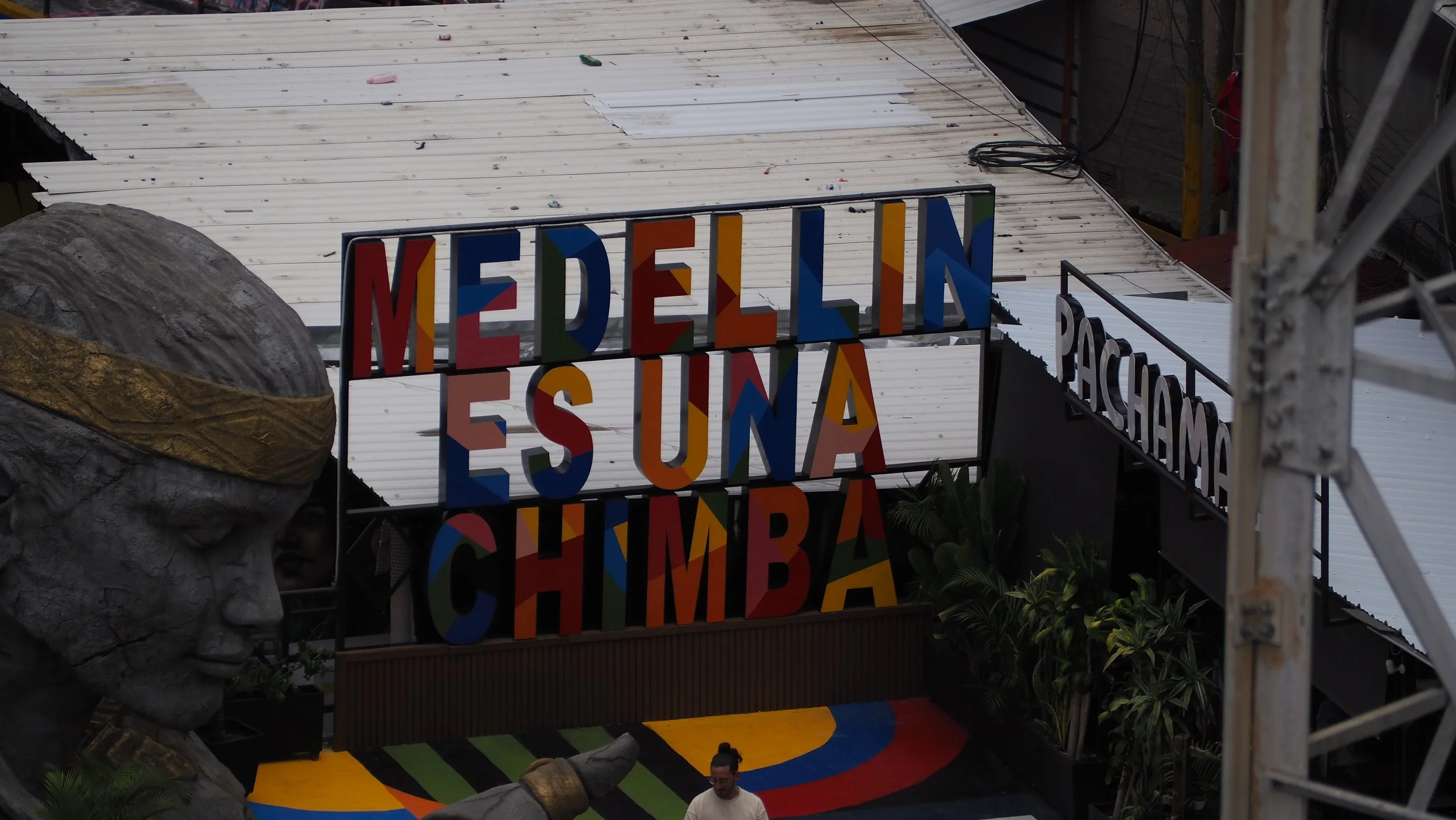
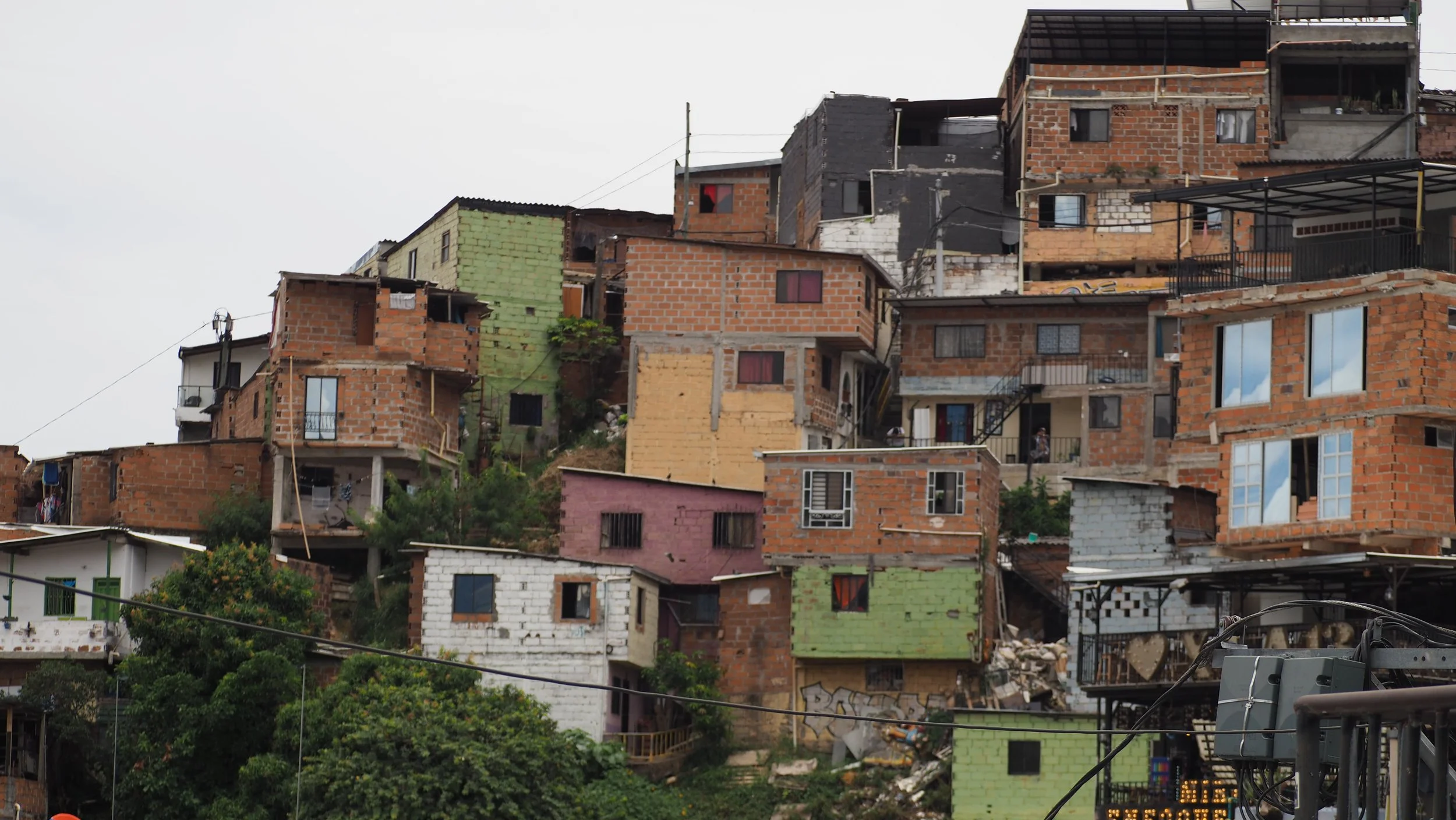
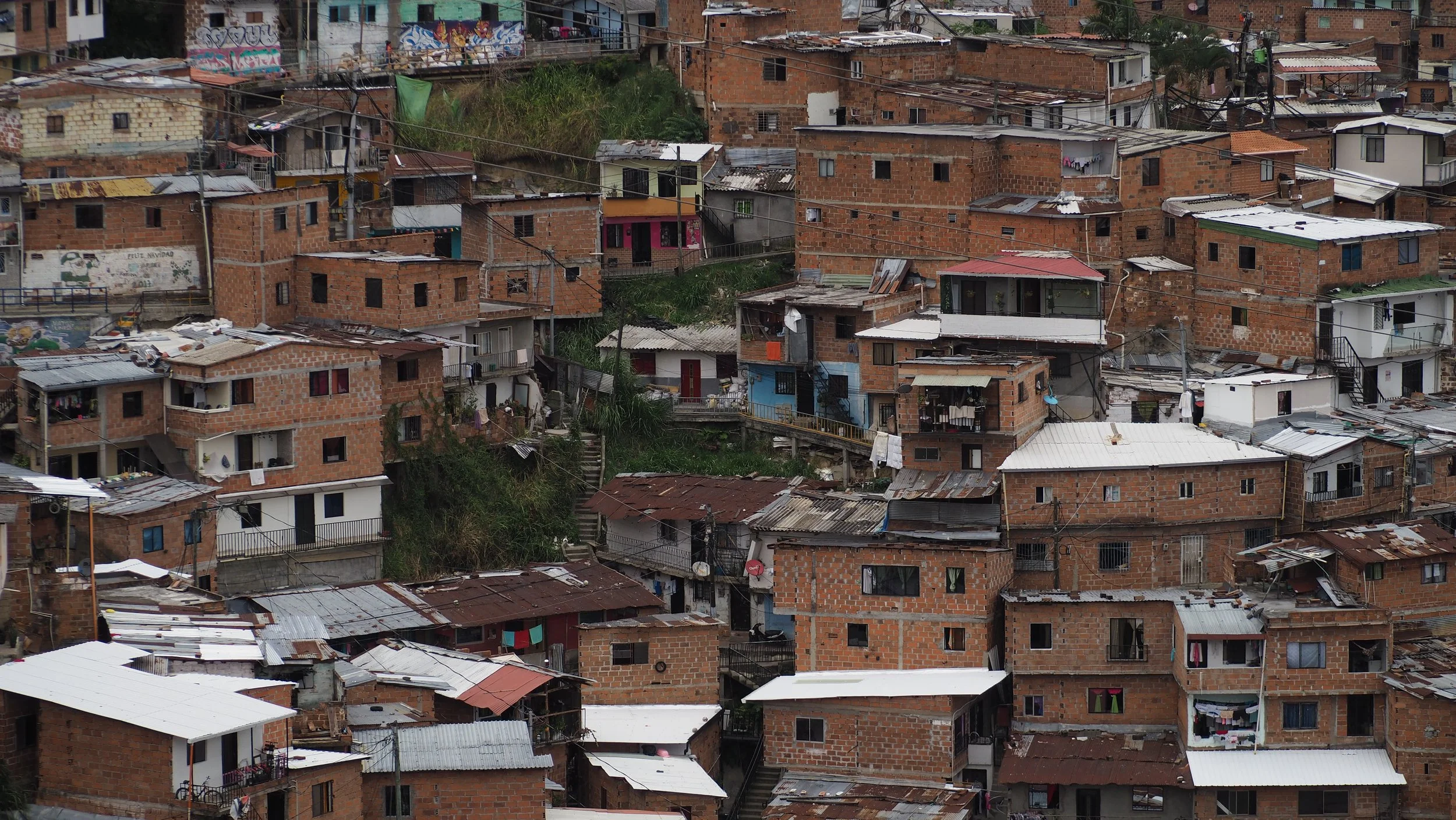
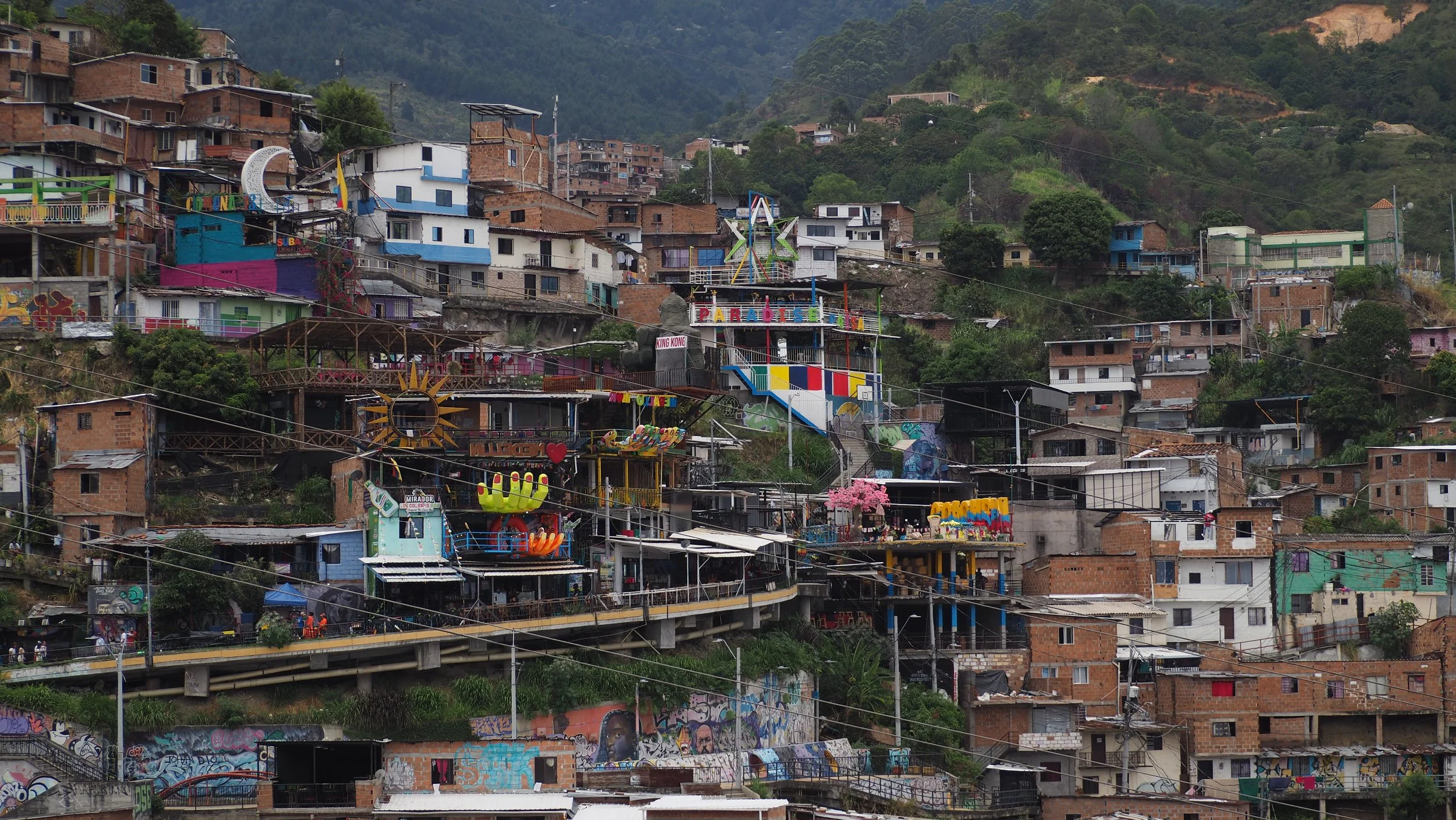
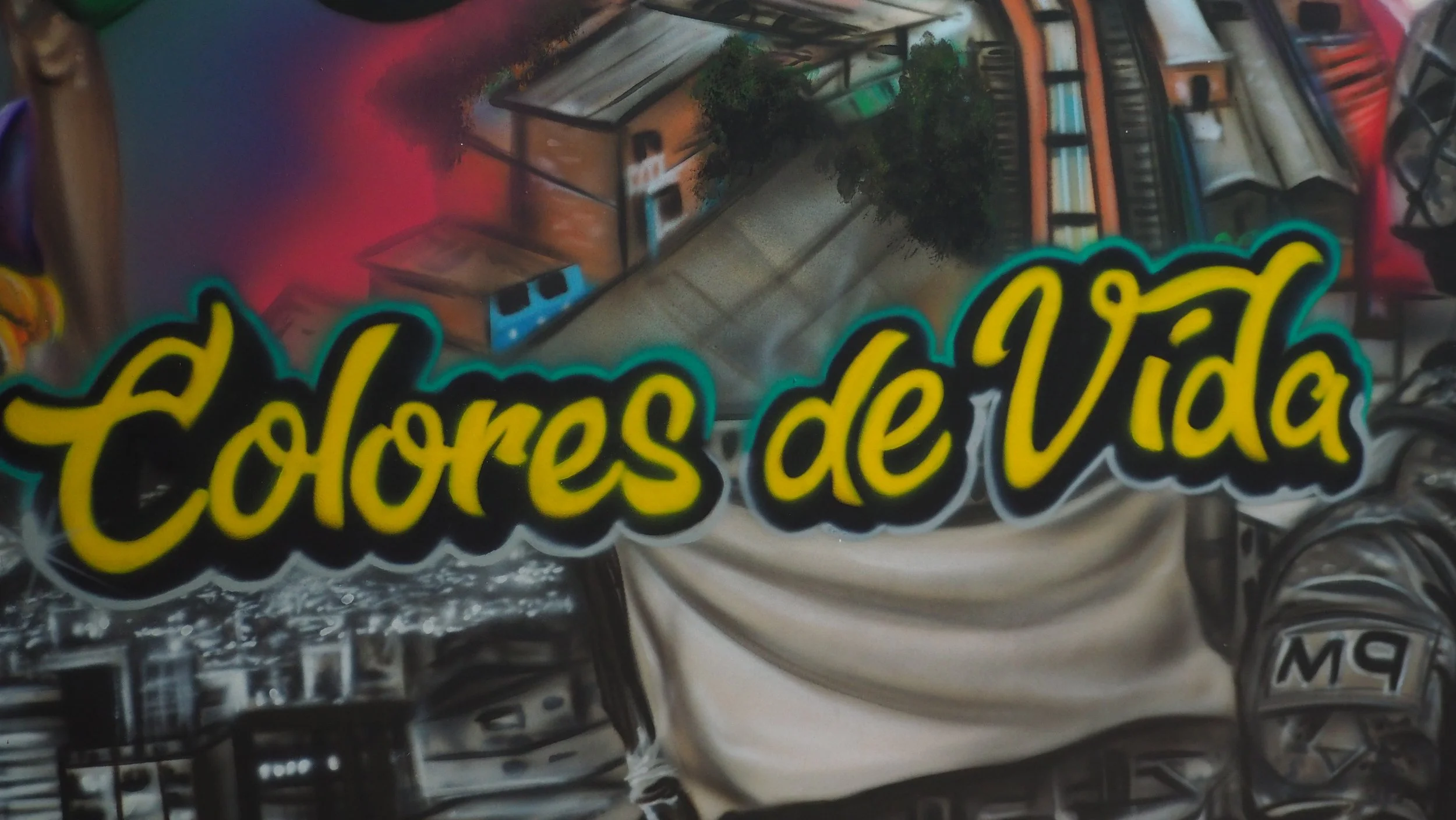
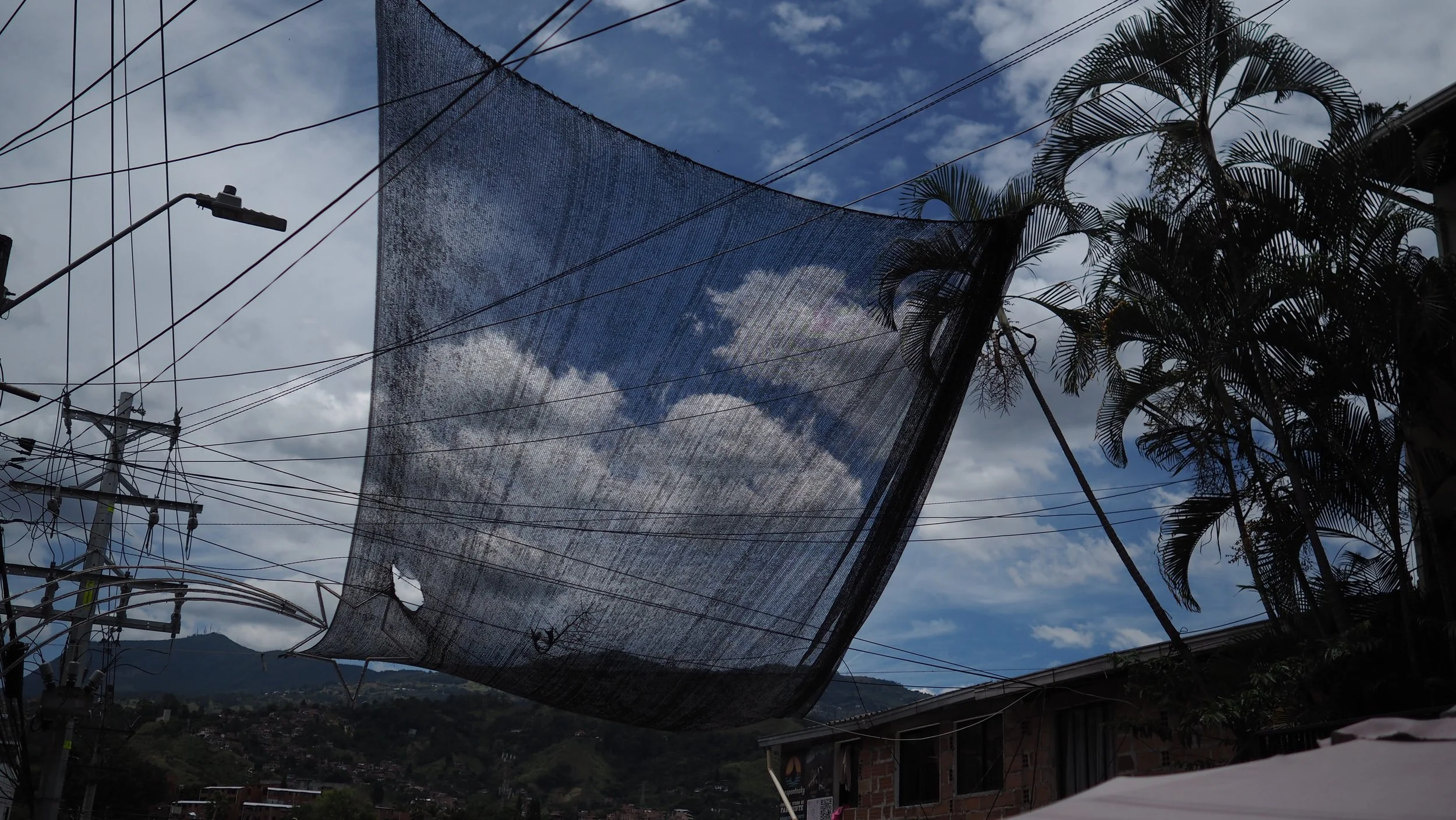
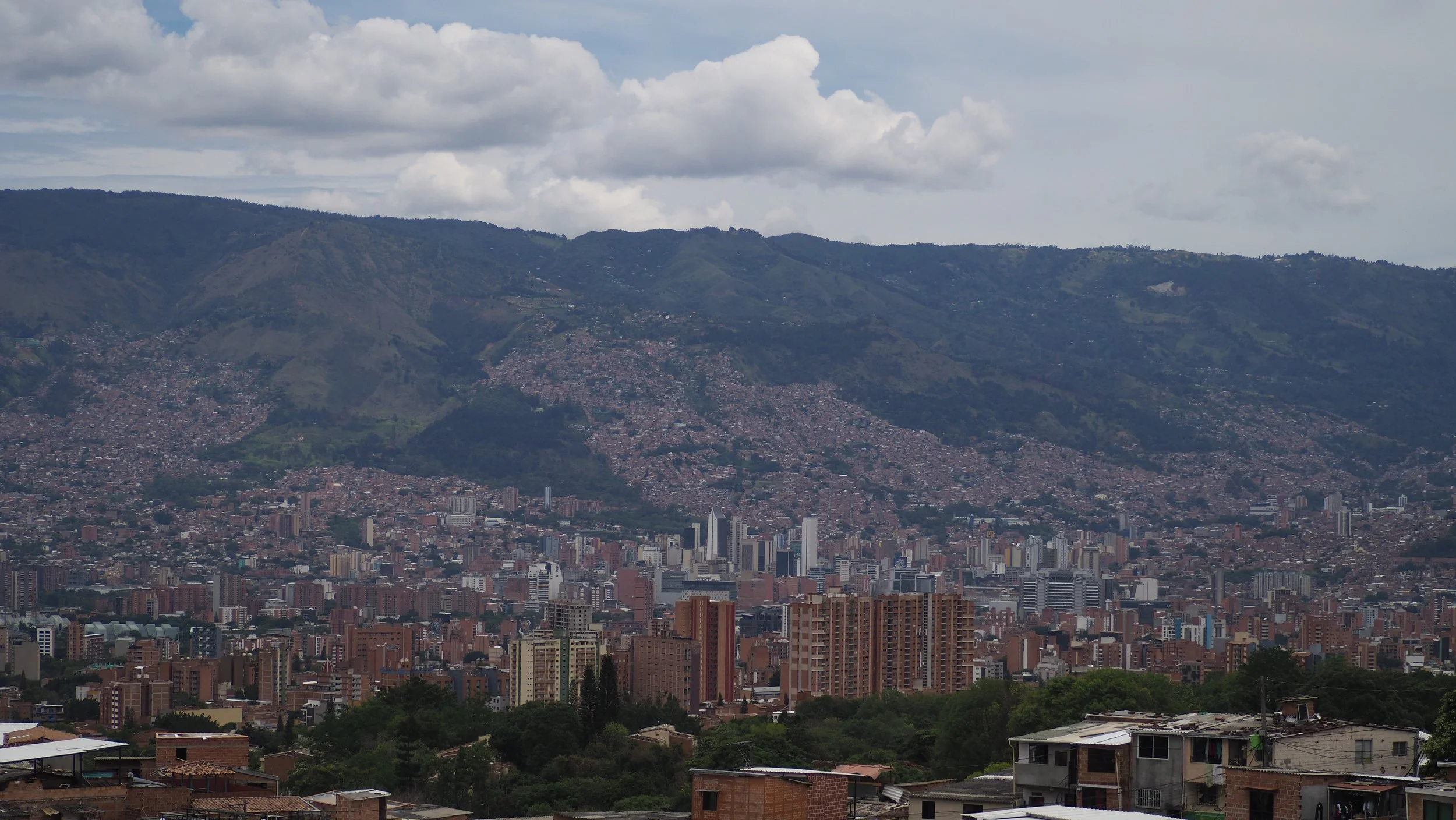
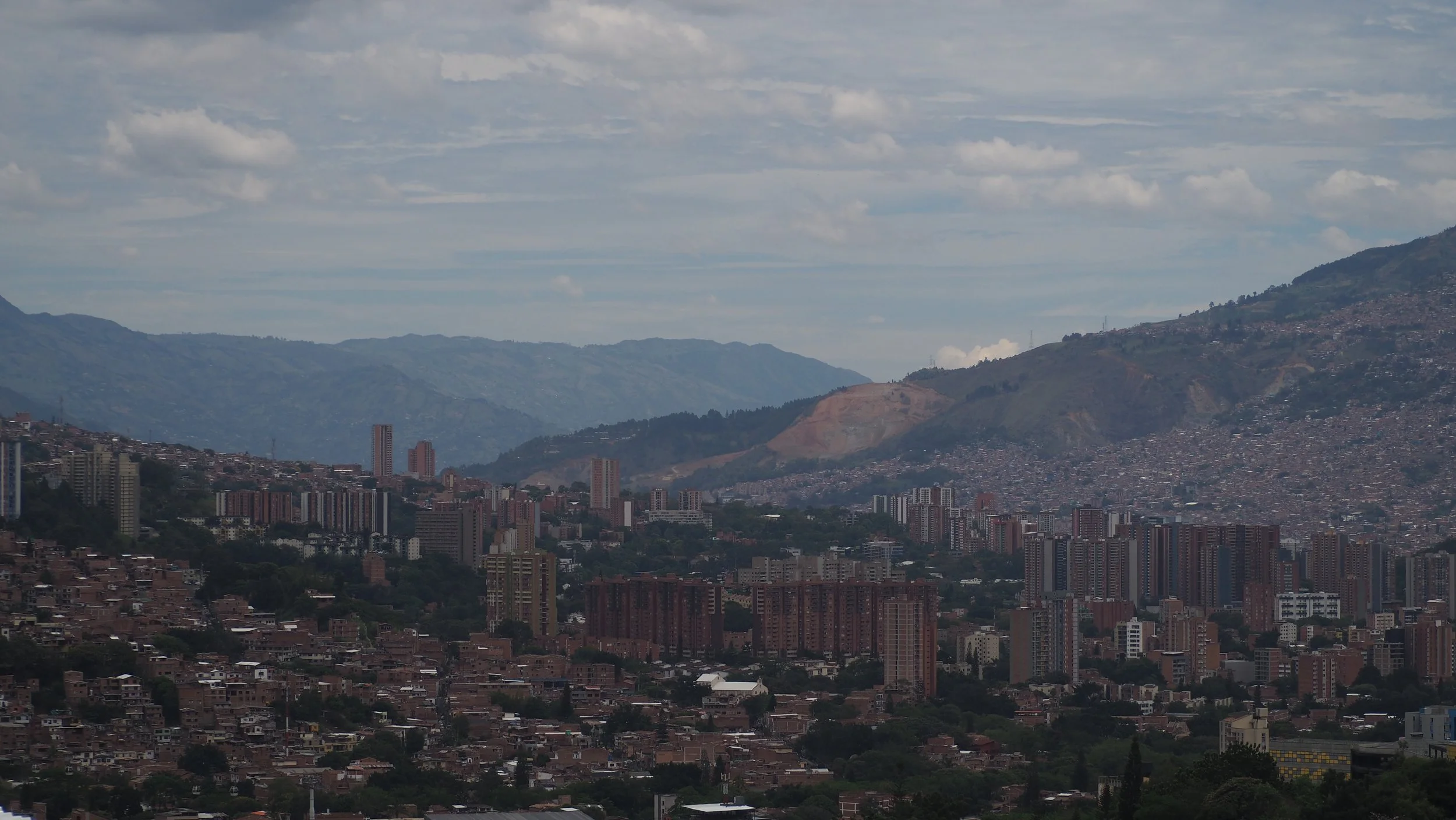
then came even more violence. this time state-sanctioned. the 2002 operation orion with 1,500 heavily armed elite soldiers left in it’s wake more death and deep scars in the barrios and in society in general.
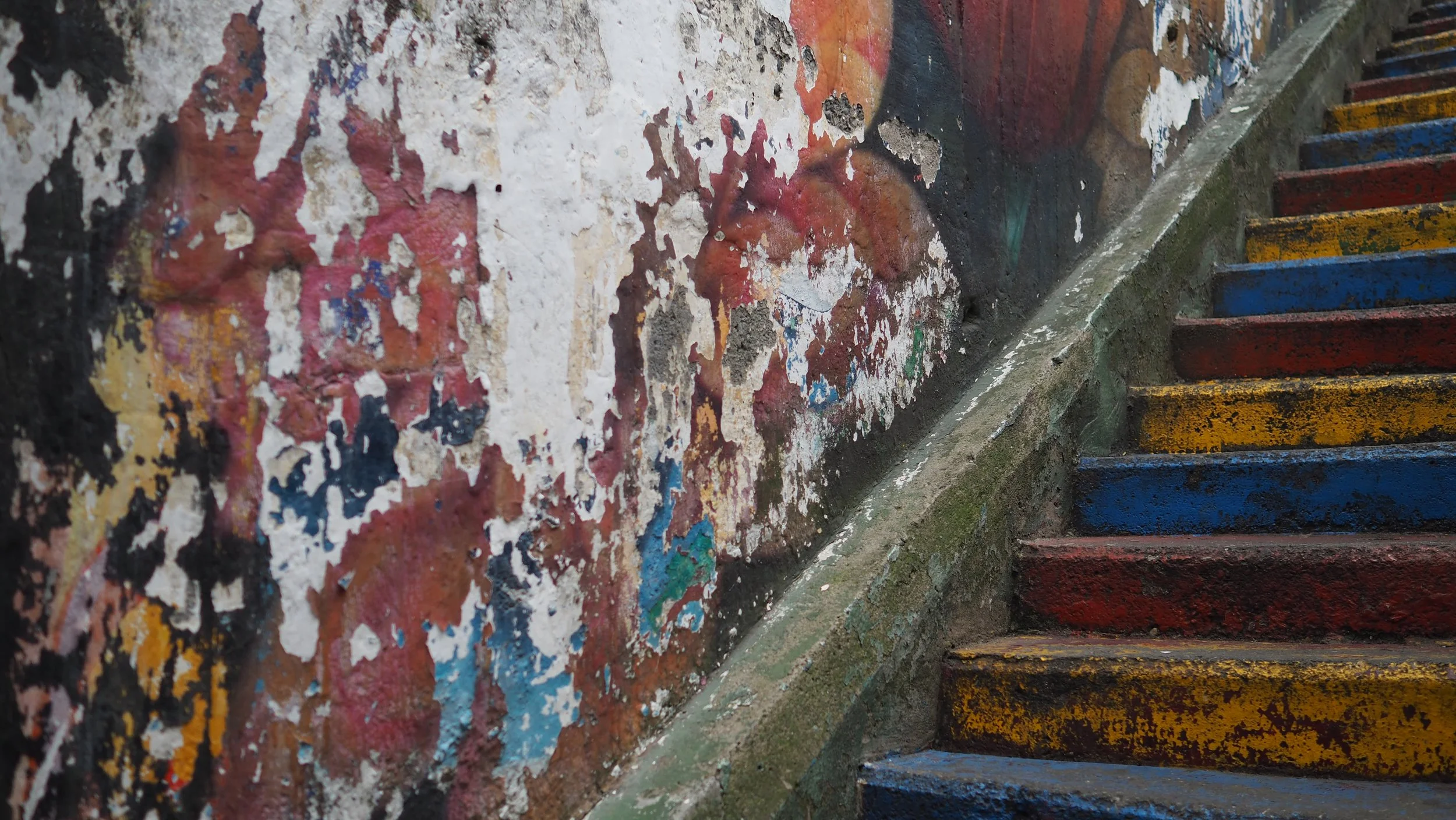
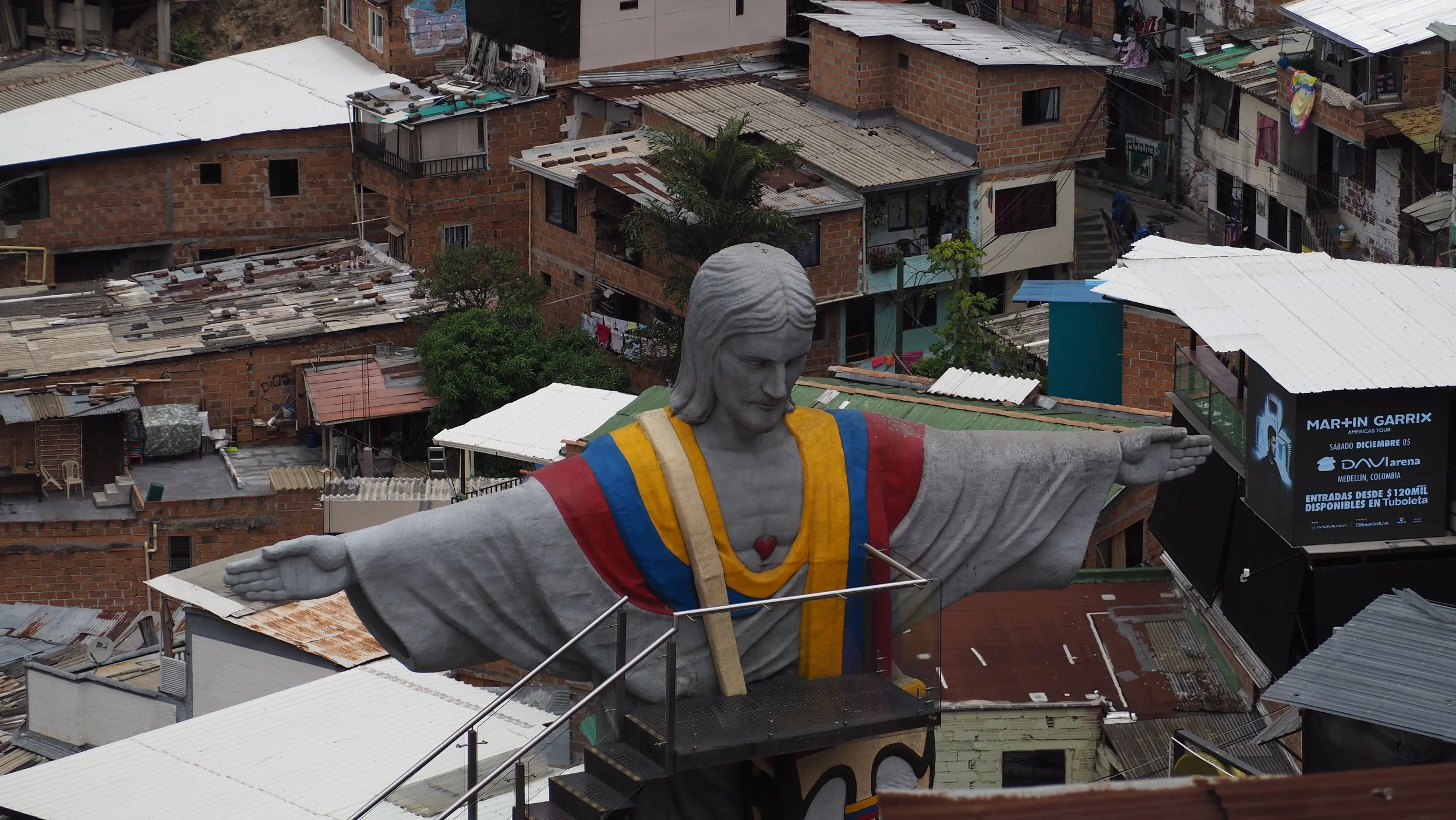
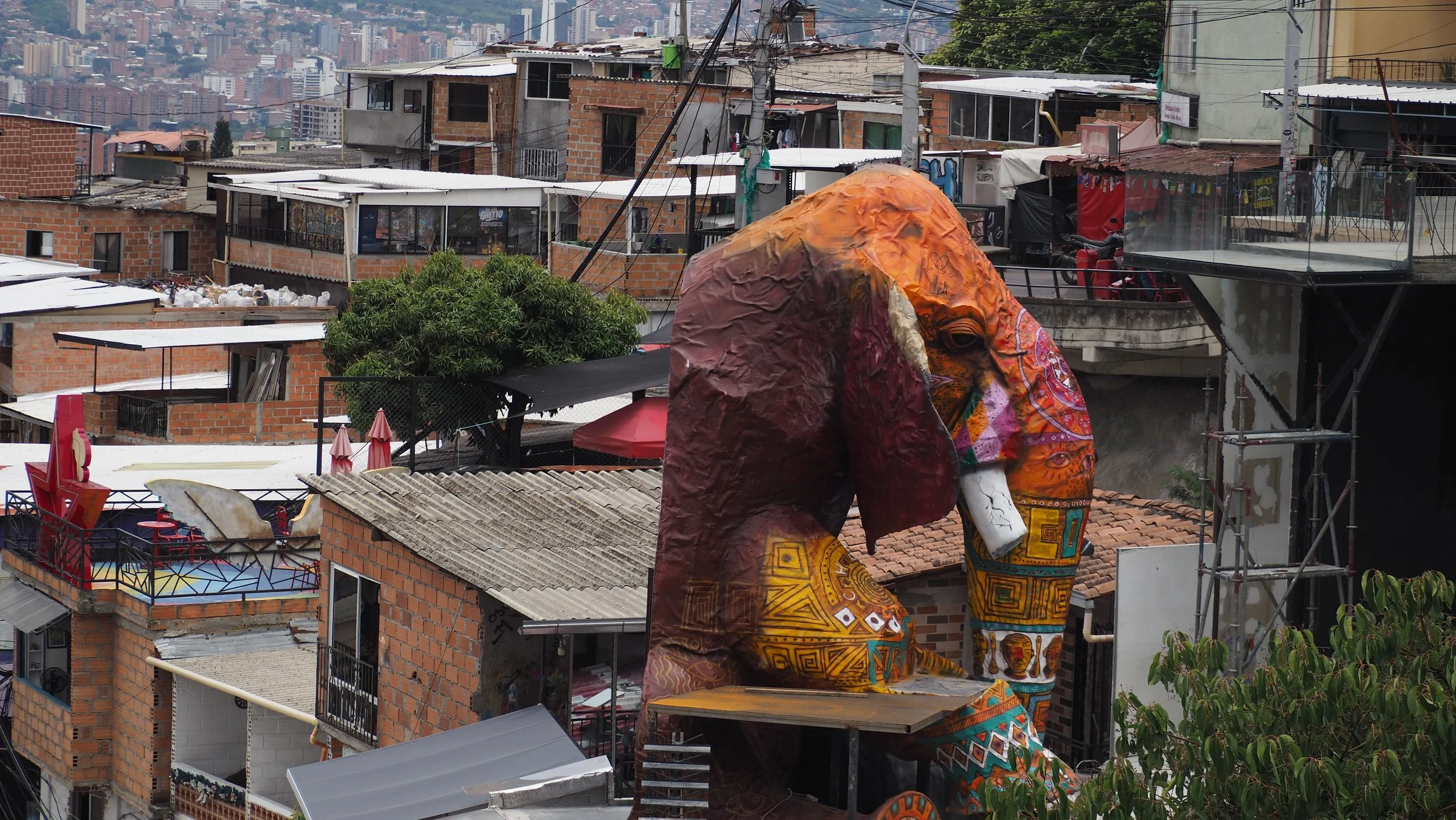
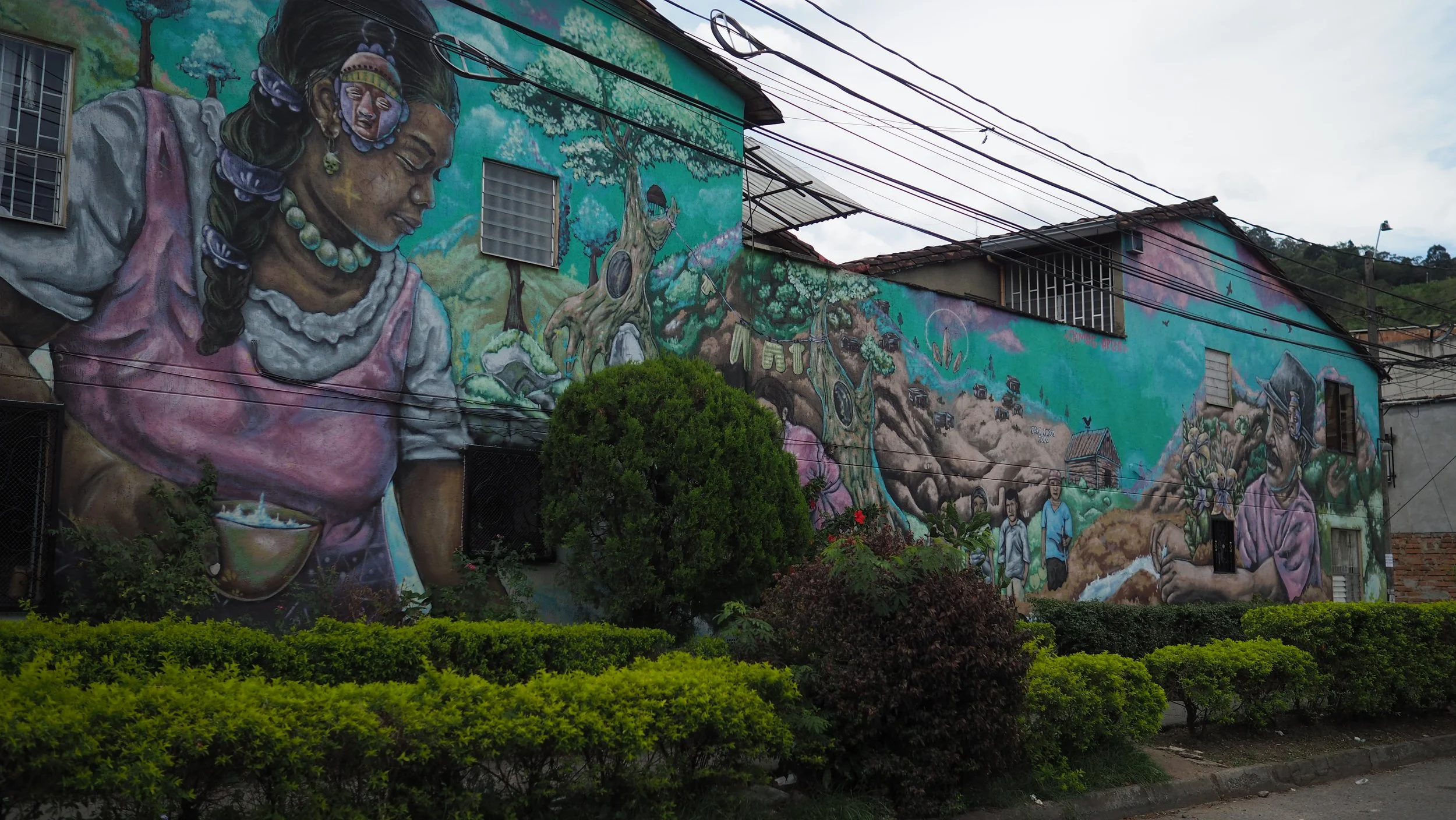
then finally, things started to change with investment in infrastructure, education, art, parks, community projects. the metro cable arrived, and then as a smart addition to public transport, six electrified escalators over 350 metres in length made it easier to overcome the steep inclines on which comuna 13 sits.
these investments have been ongoing for some time. currently more infrastructure is being built to connect the higher parts of the barrios better and enlarge the area for commerce.
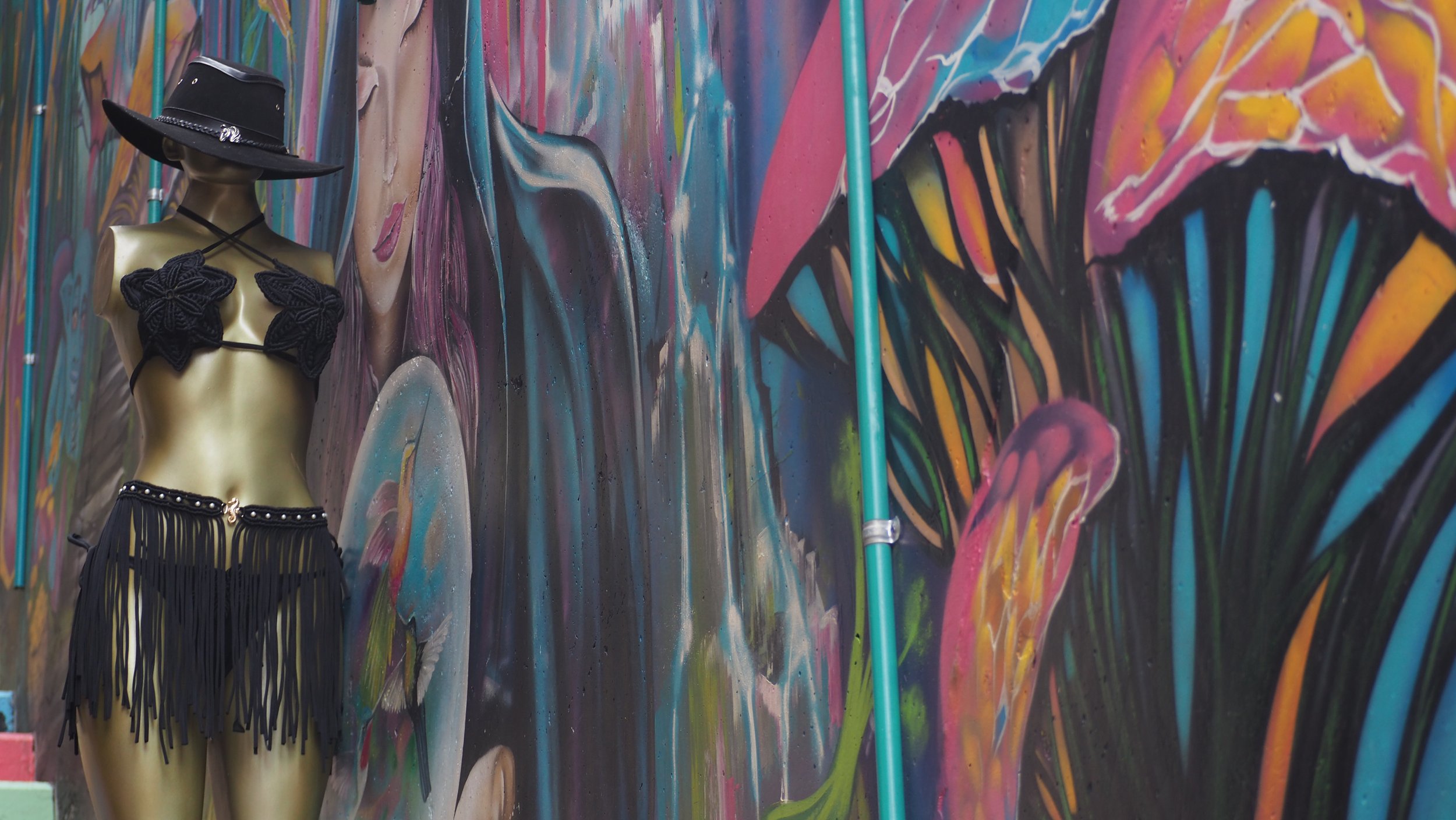
commerce that has arrived with tourism. tourism that is always a bit of a mixed bag, but in this case the interest of tourists in the dark past of medellín comes with economic benefits to the colourful present of these barrios.
no more violence these days, thankfully.