medellín
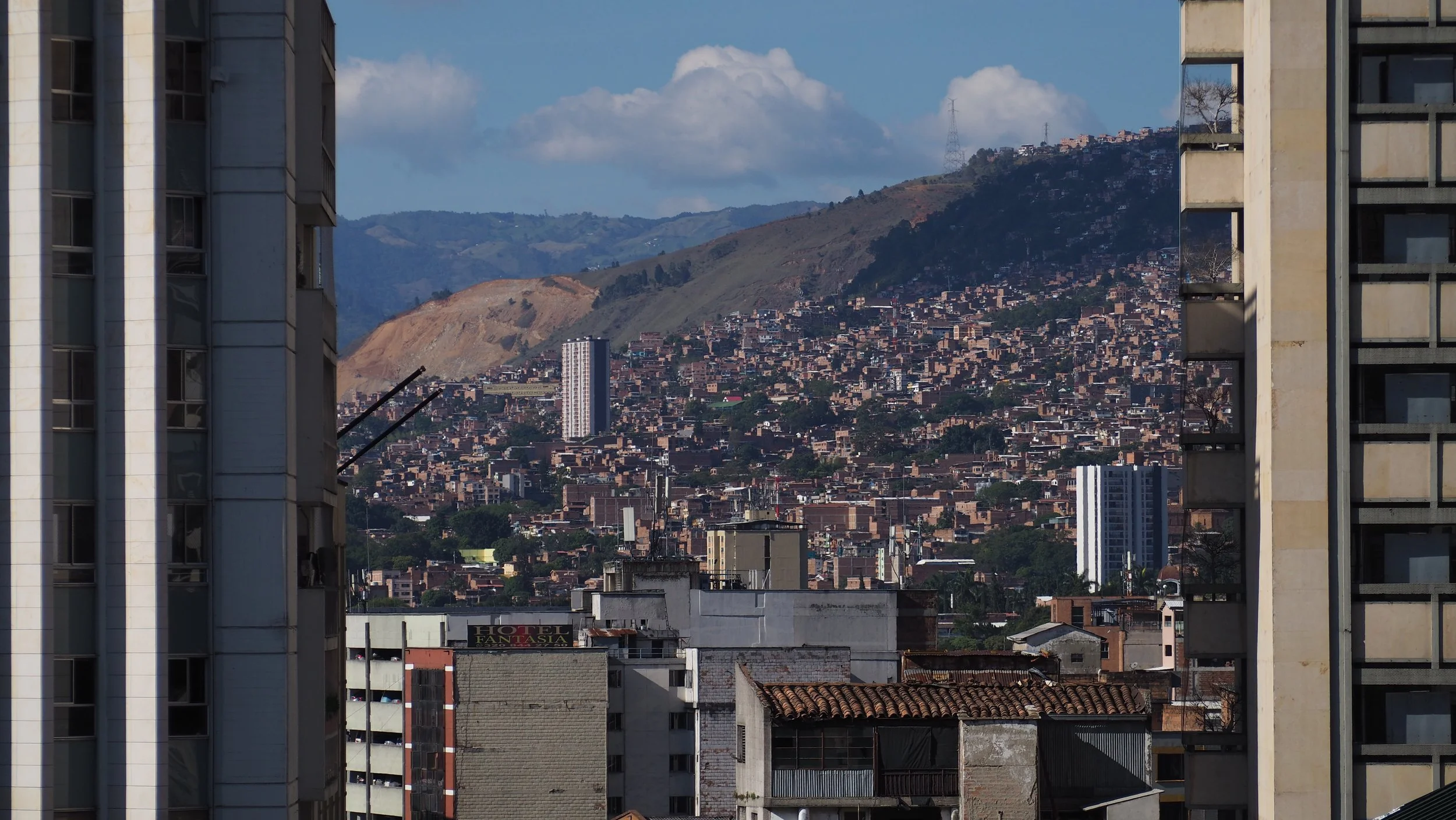
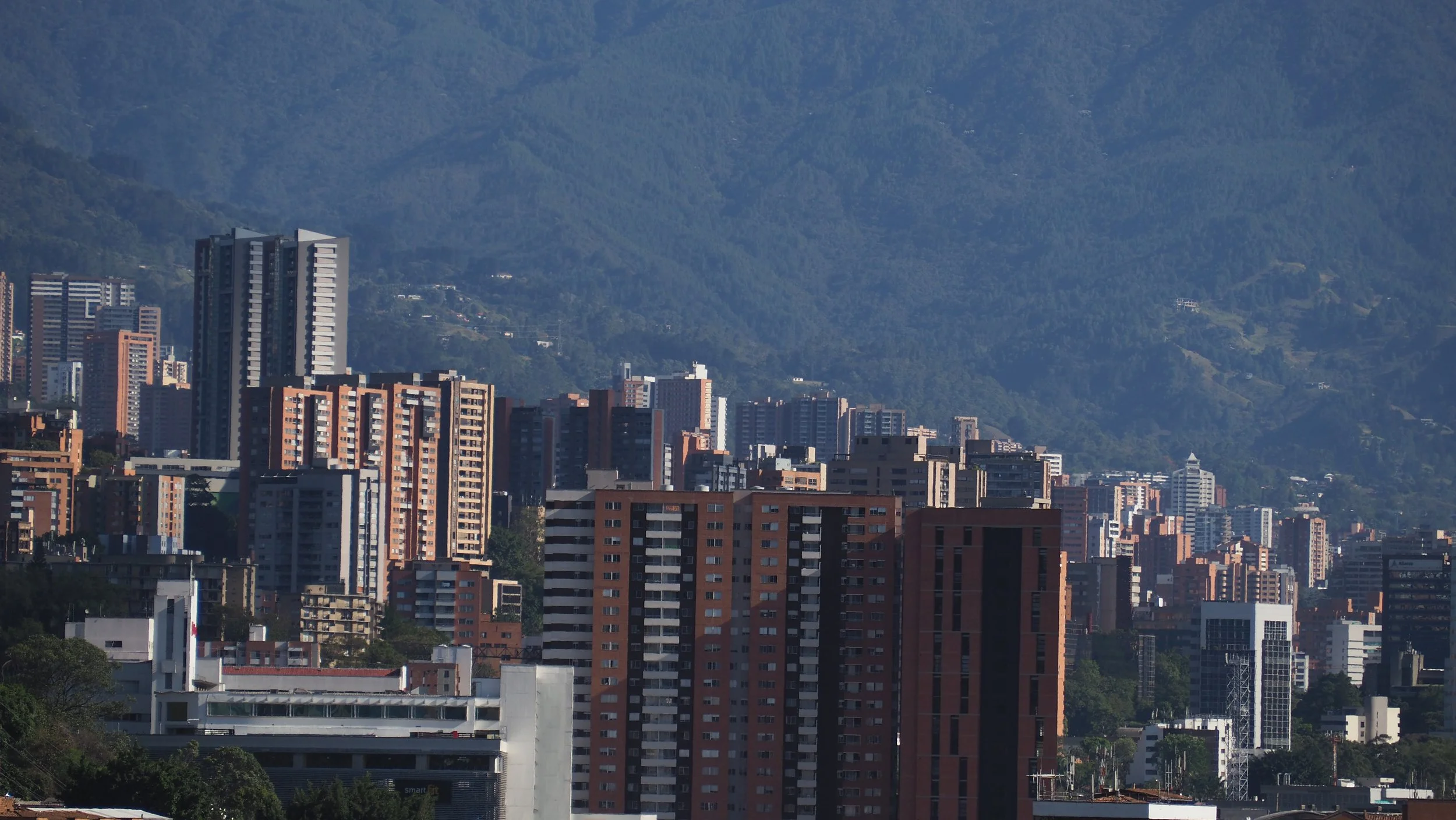
medellín begins with mountains. steep flanks. green rising on either side of a narrow valley. a city poured into the space between them. brick climbing the slopes. glass reaching upward. roads folding into roads. cables stretched across the sky. from above, it is beautiful.
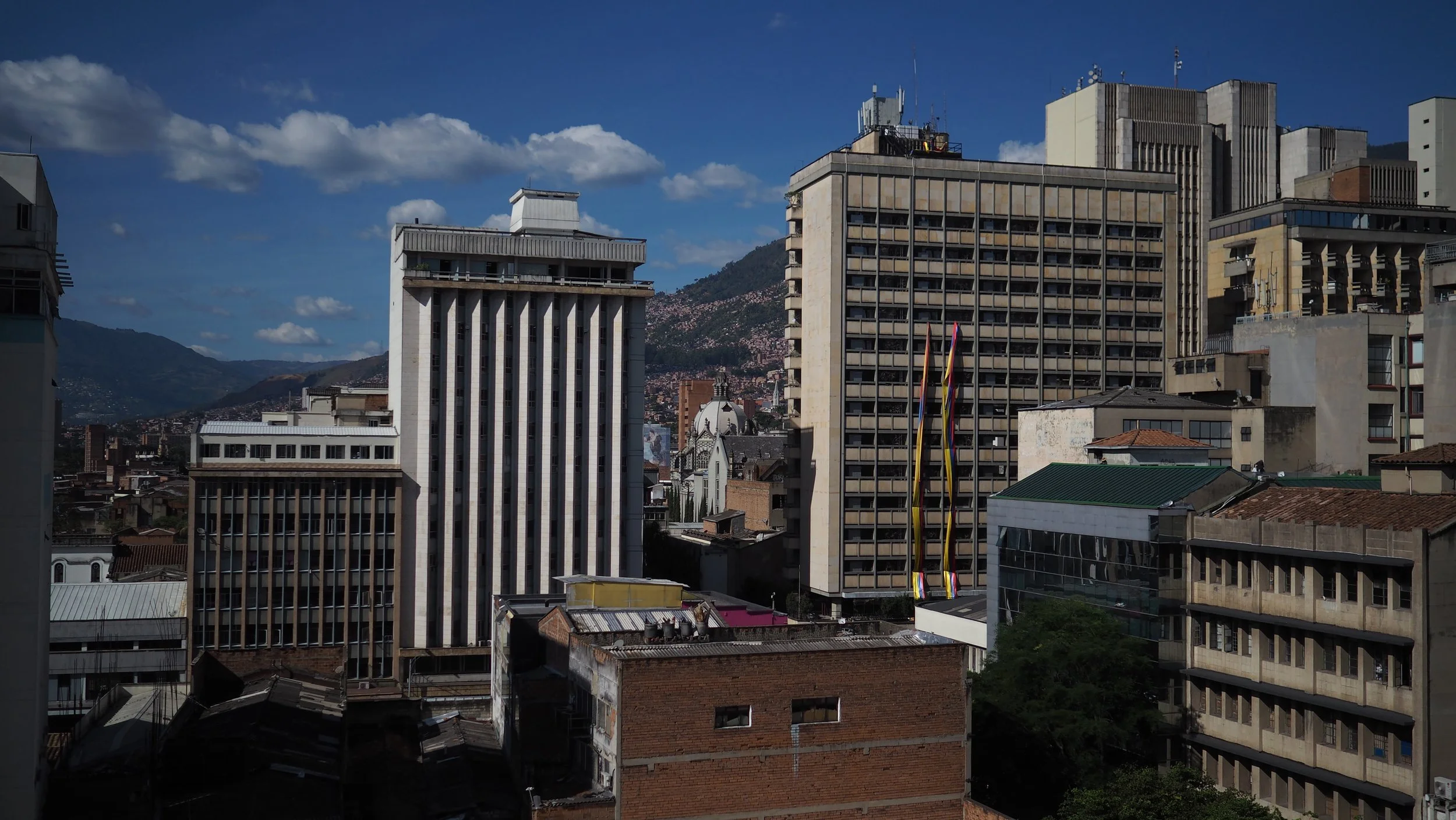
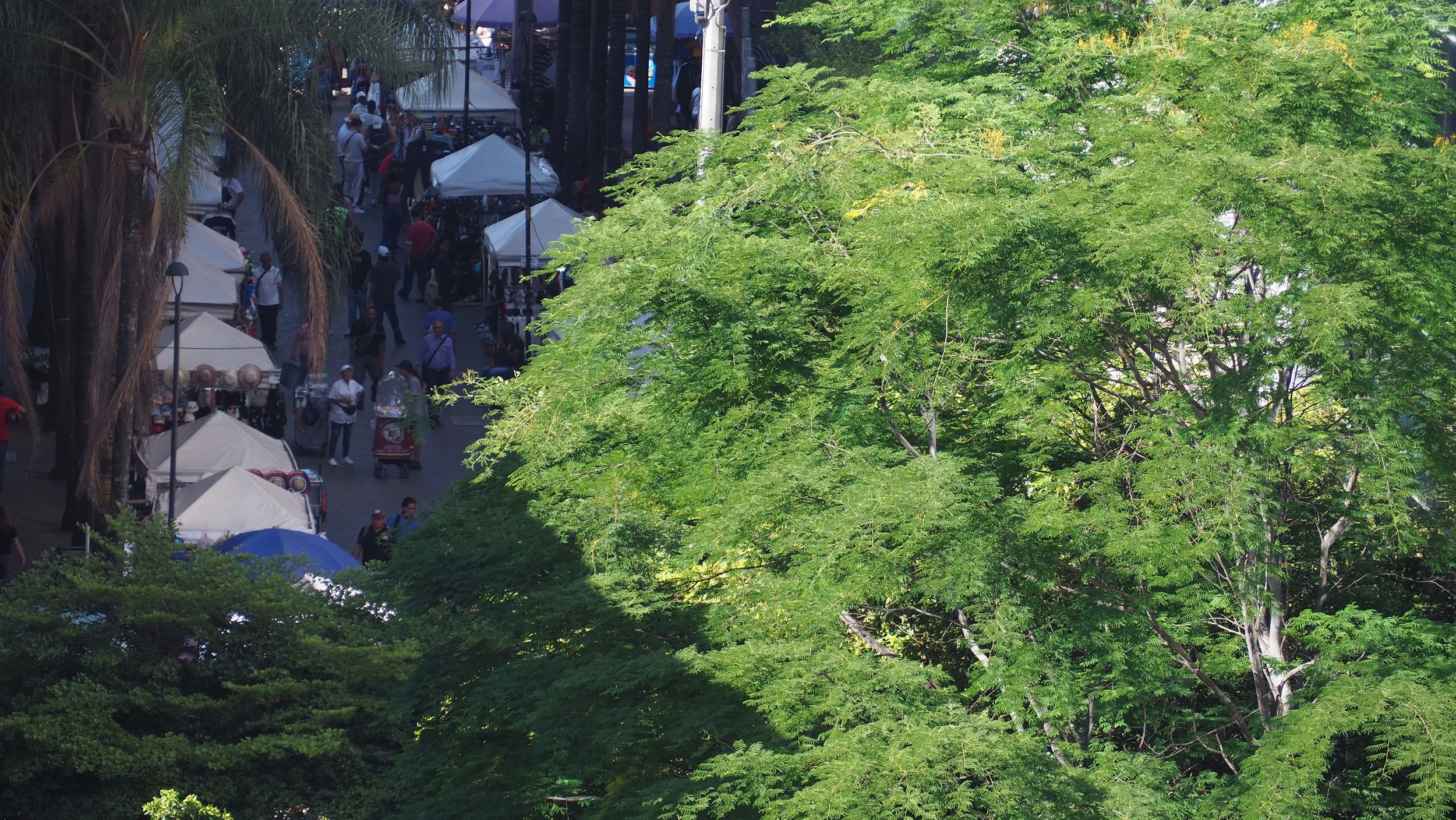
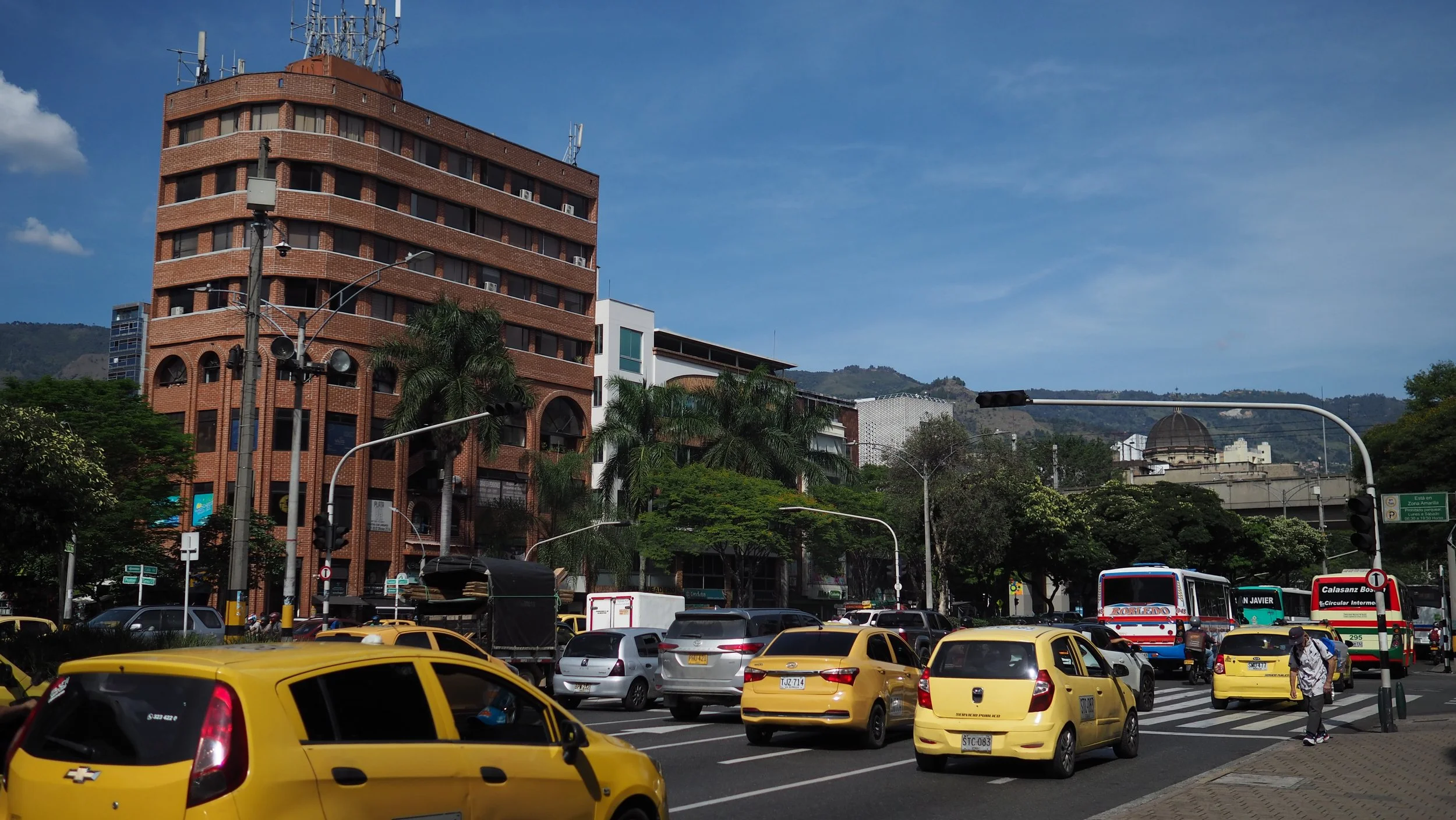
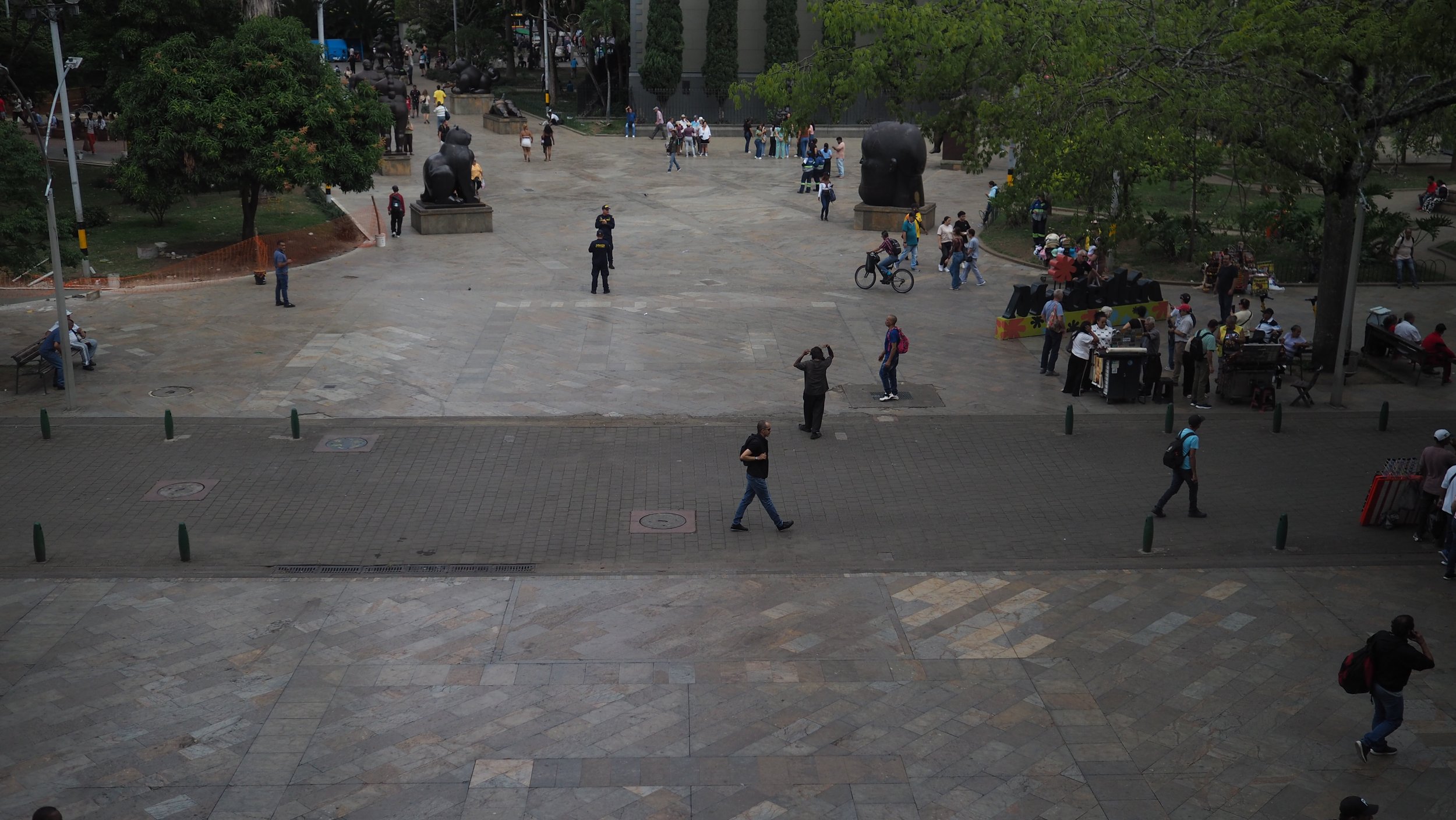
then you come down to the city. heat trapped between buildings. motorcycles threading through heavy and noisy traffic. shacks under road bridges. roofs made from corrugated iron. traders shouting. a coconut cut open on a plastic table. flowers spilling over a concrete wall. exhaust. dust. honking. snipets of music flying by. a man asleep beneath an awning while the afternoon moves around him. young chicos smoking something in plastic pipes, having conversations with themselves in a language nobody else understands. mucha gente - lots of people, from many backgrounds, indigenous, afro-caribean, mestiza, few europeans, all mixed.
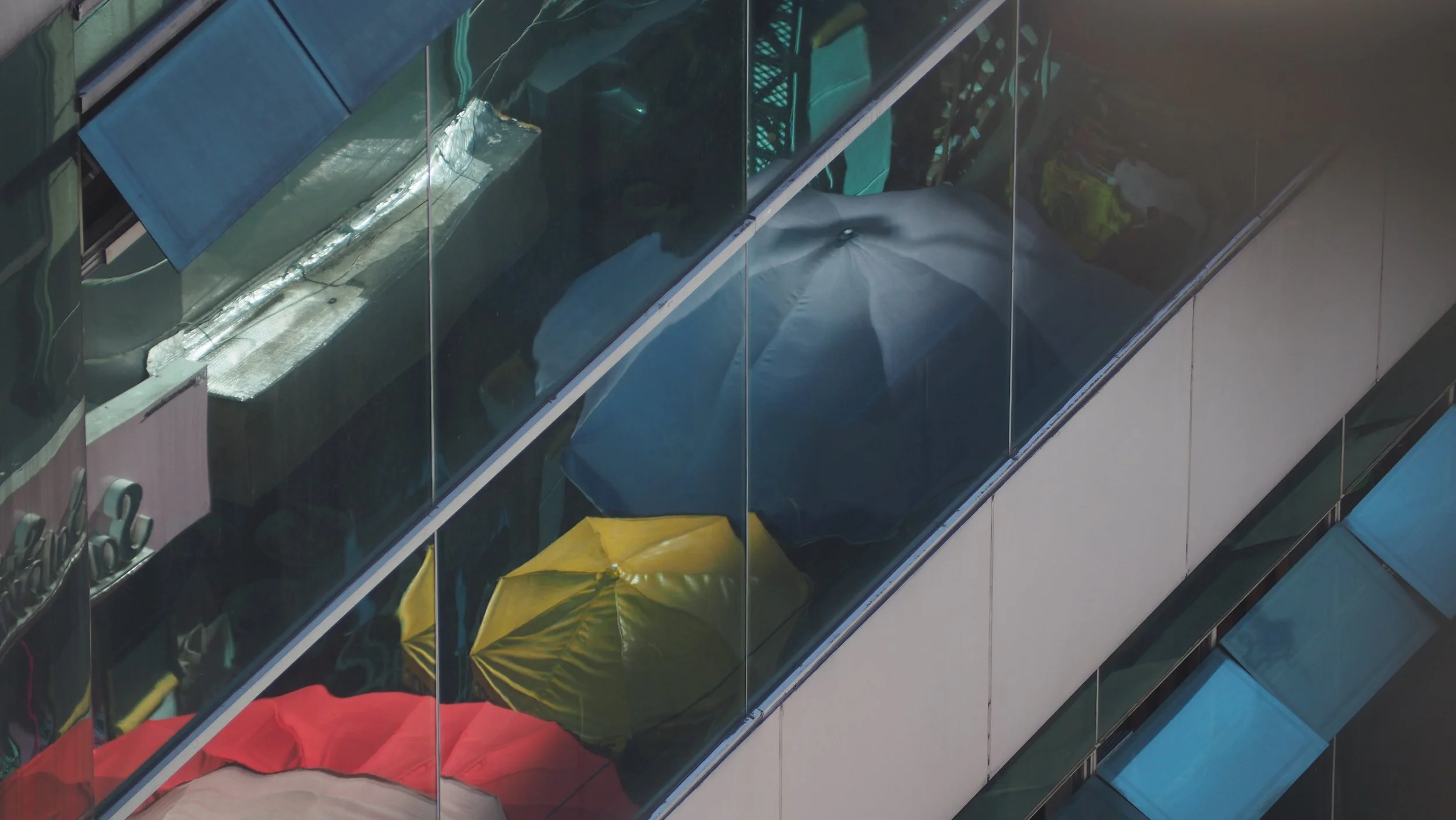
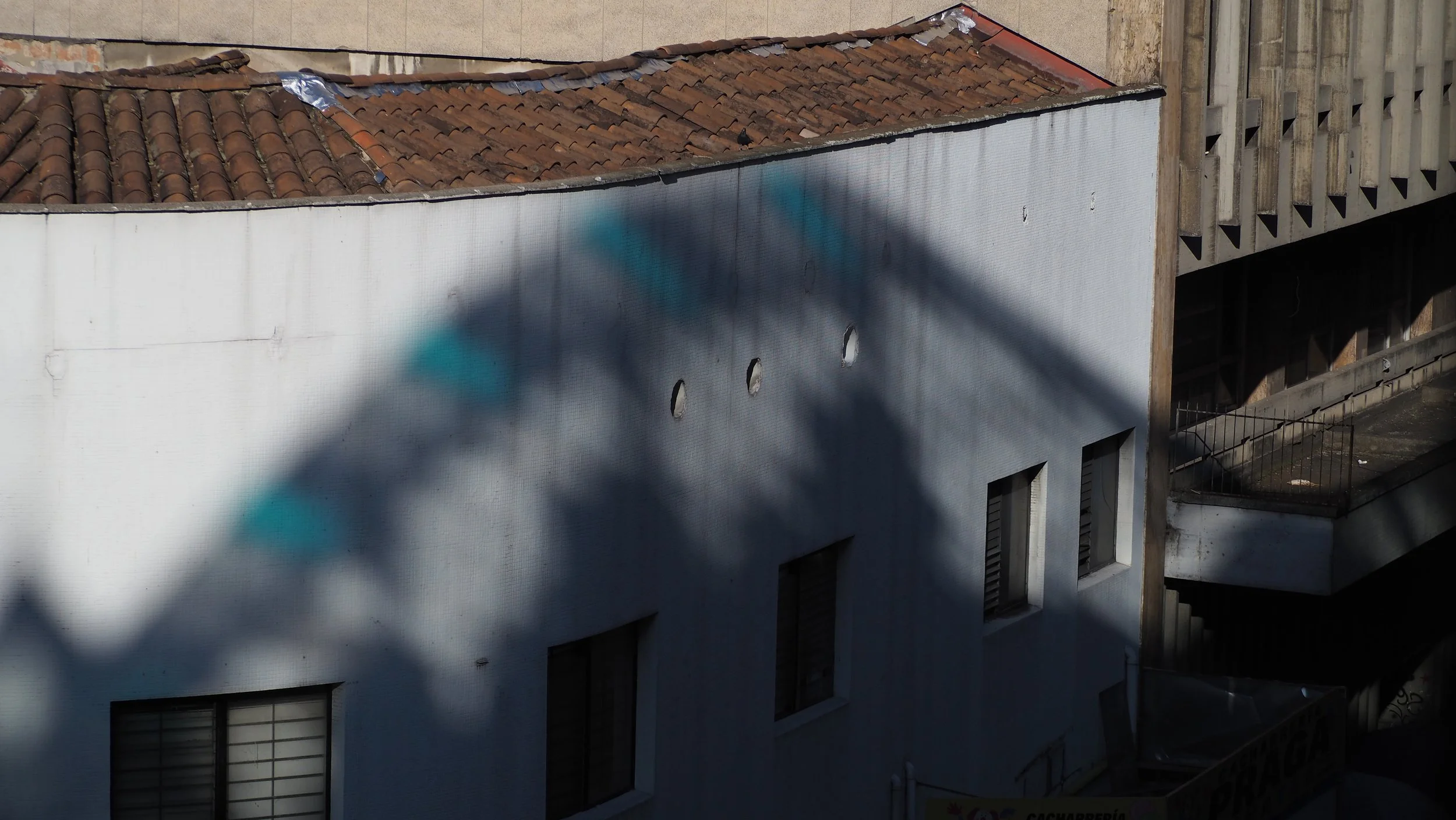
nothing matches. everything belongs together. beauty here often has something broken beside it.
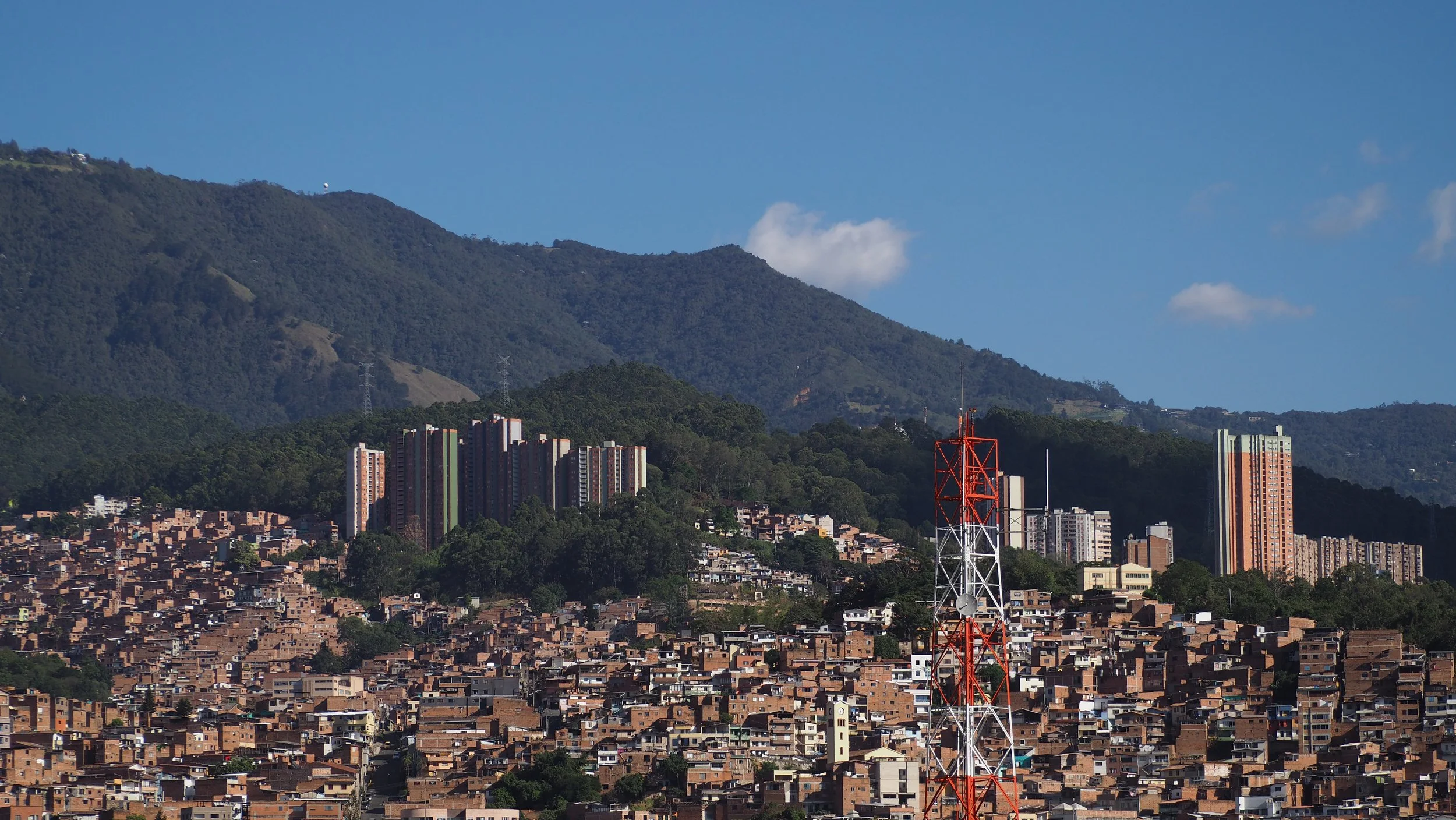
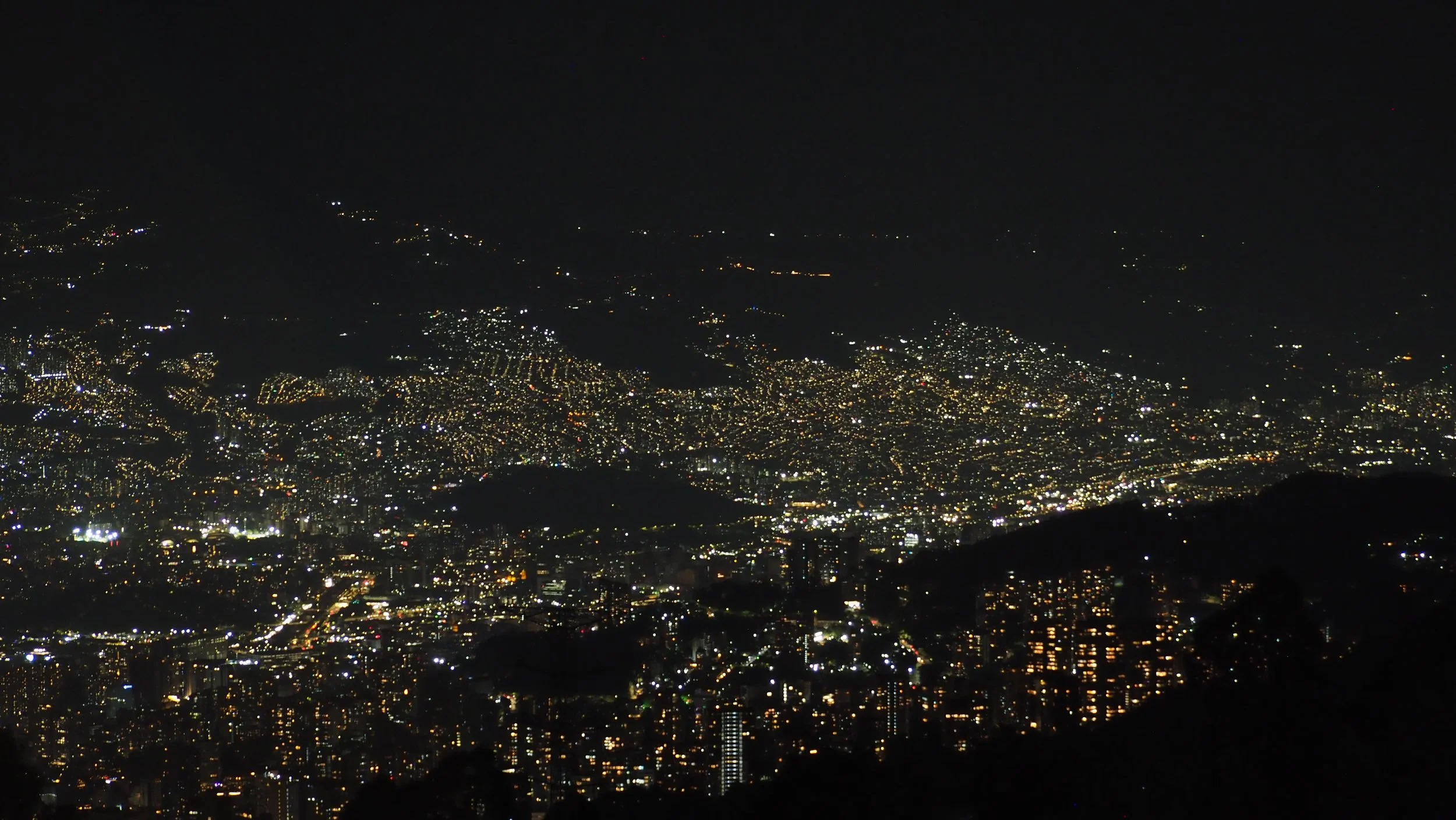
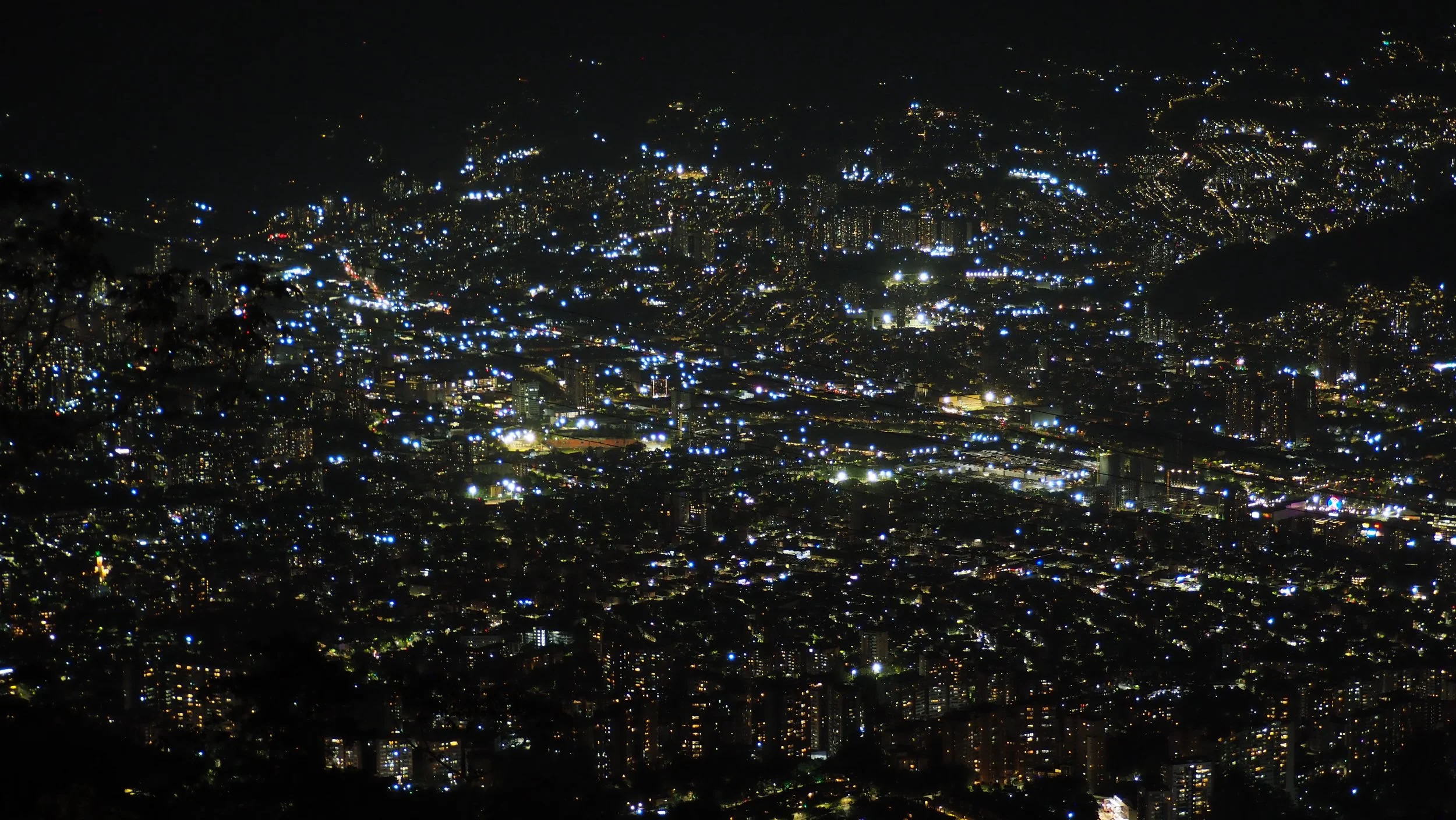
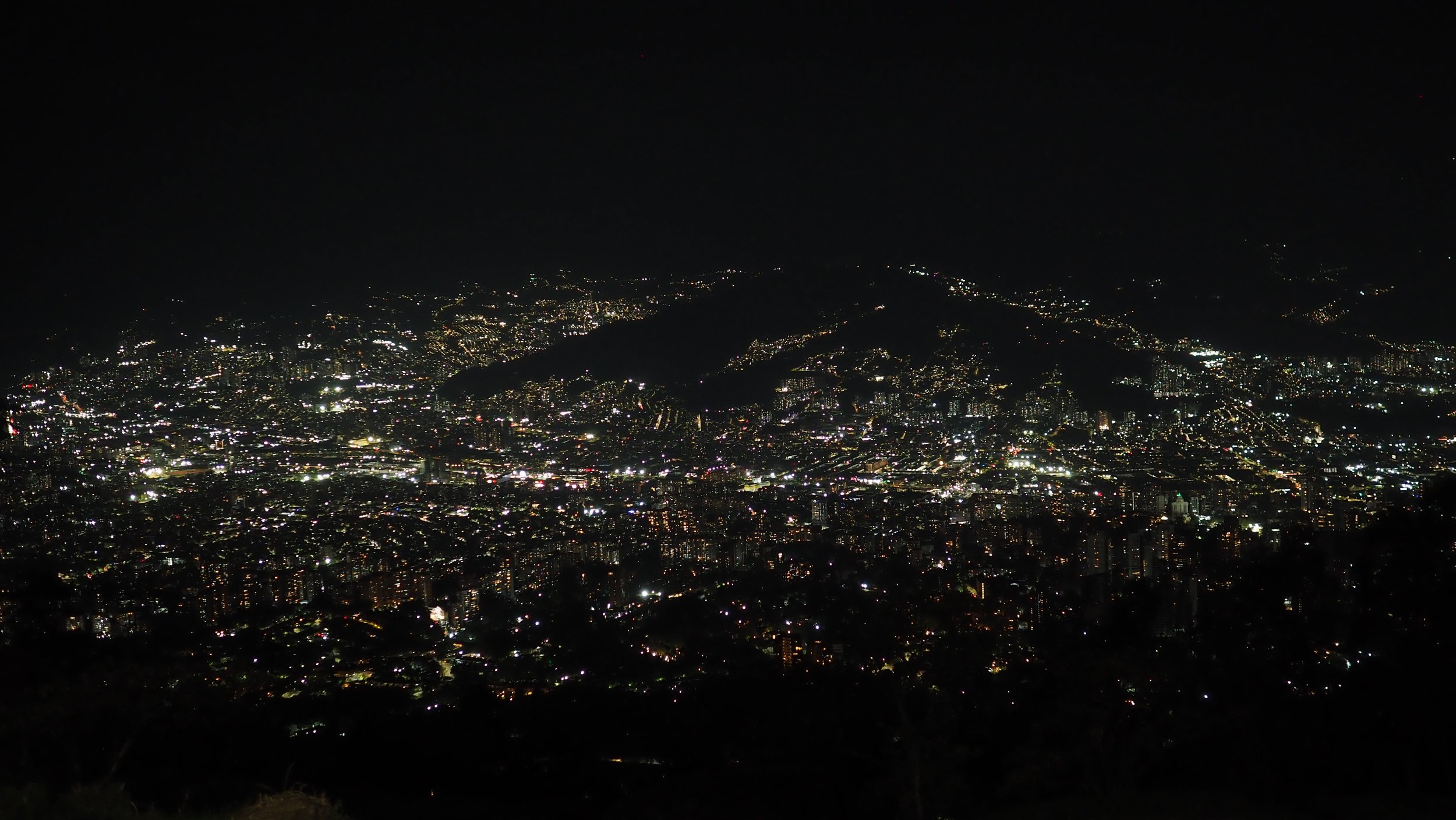
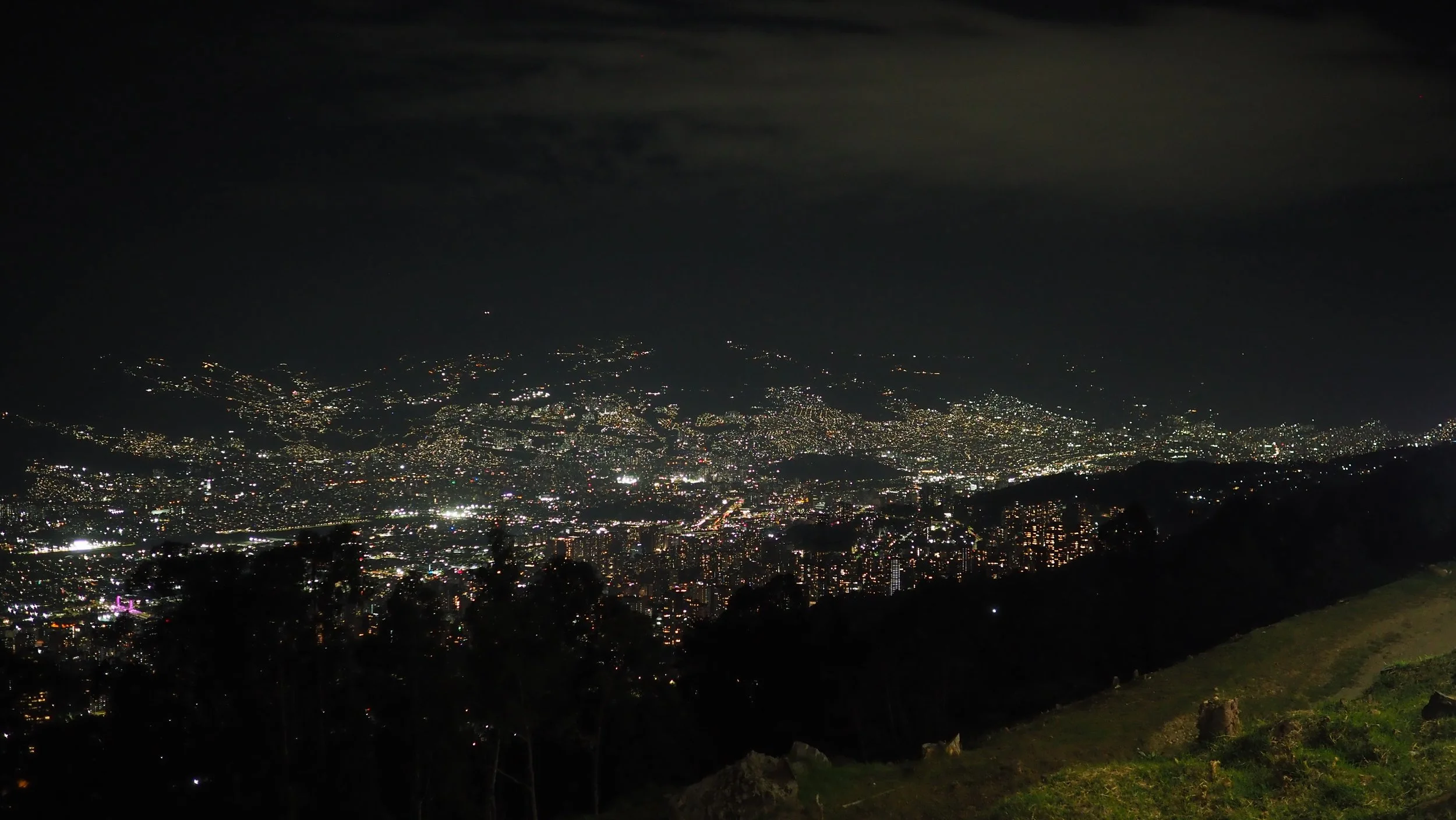
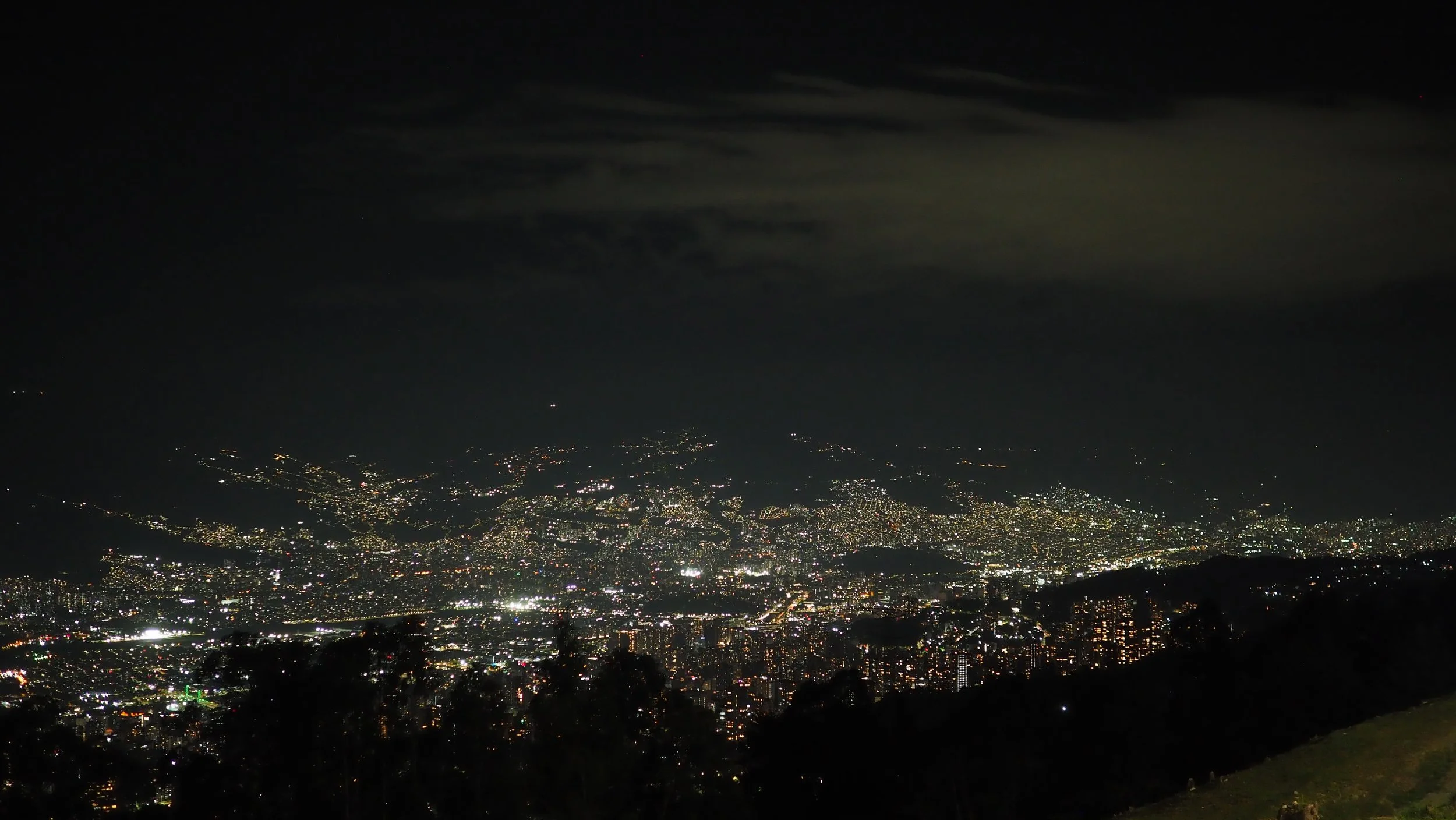
in the afternoon the mountains surround you. by night, they kind of disappear. first the green fades. then the ridgelines. then everything beyond the street becomes black.
who switched off the sun so suddenly? the lights begin. window after window. street after street. houses high on the hillside. the mountains return as constellations. thousands of lights suspended in darkness.
from across the valley, medellín looks like the sky has fallen to earth. beautiful. seductive even. and somewhere beneath those lights, unknowable. because i dare not go there on day one. and two. maybe never, i don’t know.
daylight says: come. walk. look. night says: notice, watch out, stay away.
the distance between those two is short, in terms of time and space. there are places where you want to wander without purpose. music through doorways. laughter from somewhere. fruit stacked in rich colours.
and then a corner. a change in light. a feeling. nothing dramatic. just that it may be better to turn around. my friend tell me that there are barrios i cannot enter, that i must not enter. so i won’t.
the city has another shadow. older and heavier. one that arrived before i did and still lingers. for decades, much of the world knew the name medellín without knowing the city. violence. cartels. narcos. a few brutal chapters became the entire book.
let's shine some light, shall we?
it's not fair to reduce a place to its worst years. the past remains. even in someone who is younger than all the bad history or someone who hasn't lived through it. of course it does. memories can be like bad dreams, but memory is not the same as destiny.
what counts is the present. even in the present there are shadows. in the more afluent barrio el poblado the bars and restaurants are upmarket and attract an international crowd. many tourists from estados unidos and europe that are looking to have a good time, crossing too many lines along the way.
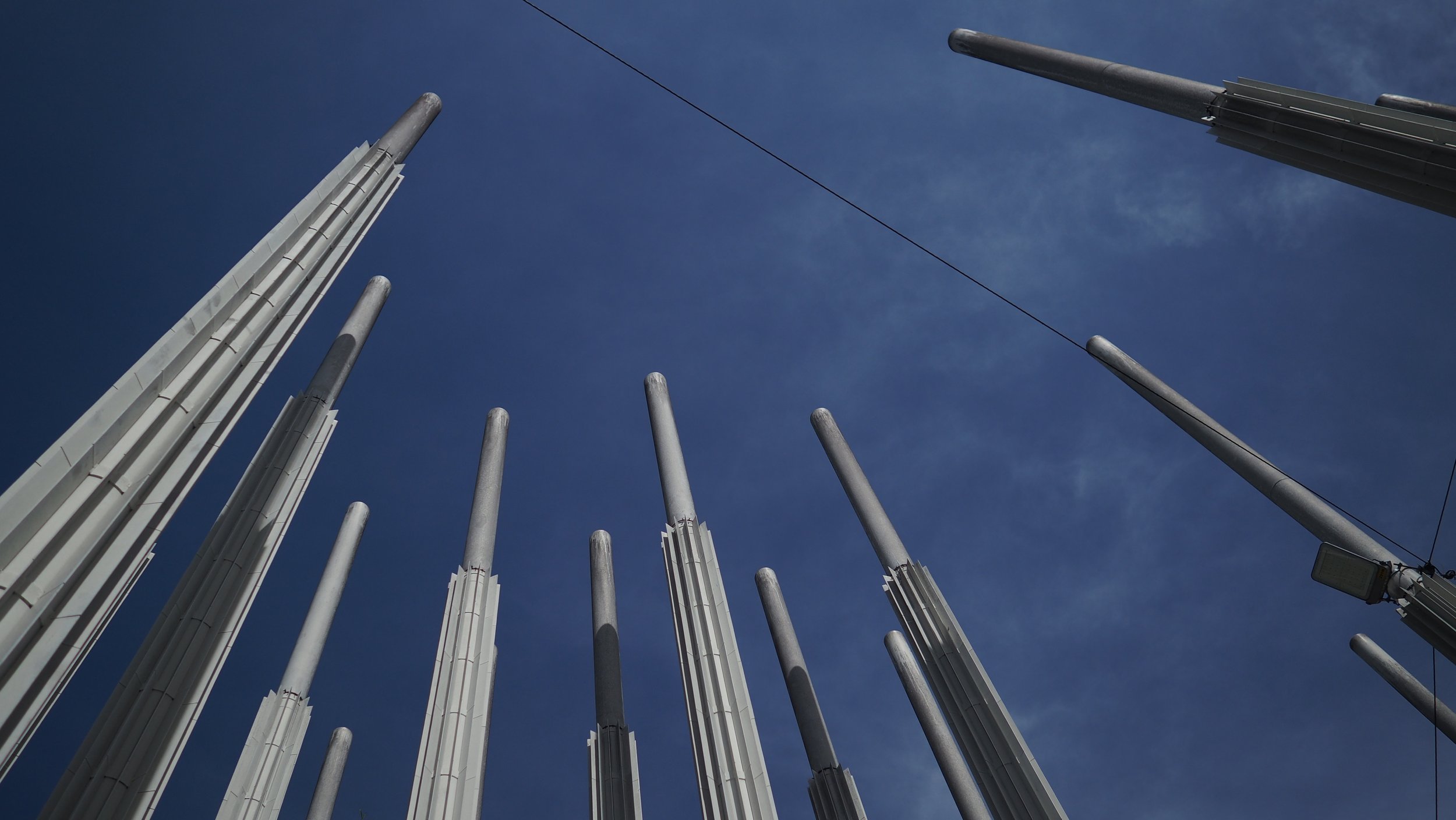
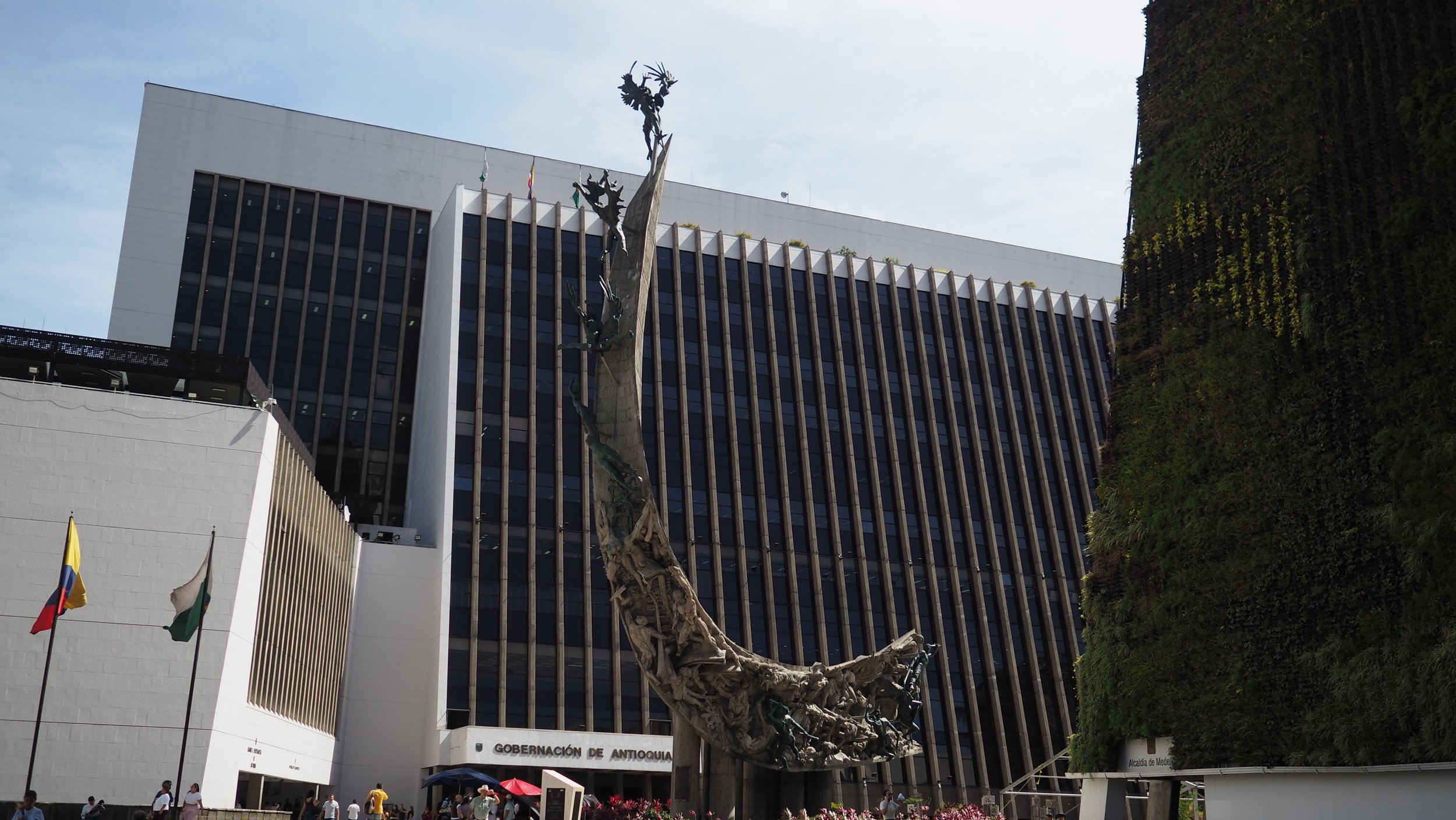
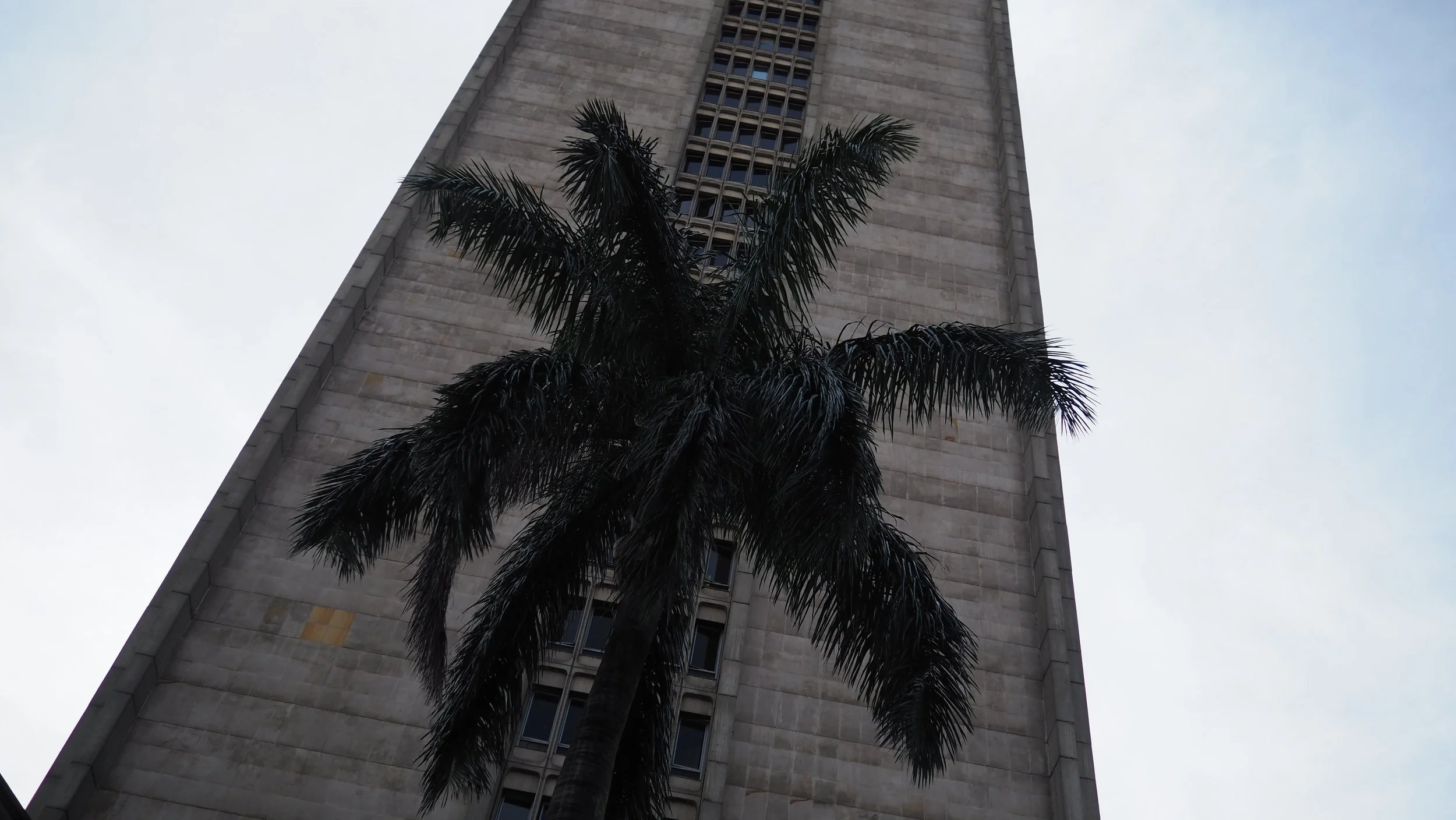
above the rooftops, cable cars move people across the city, through the sky. below them, brick houses climb toward the clouds. walls carry enormous faces painted in beautiful colours. people talk about the transformation of medellín. the word is everywhere. transformation. innovation. creative destruction.
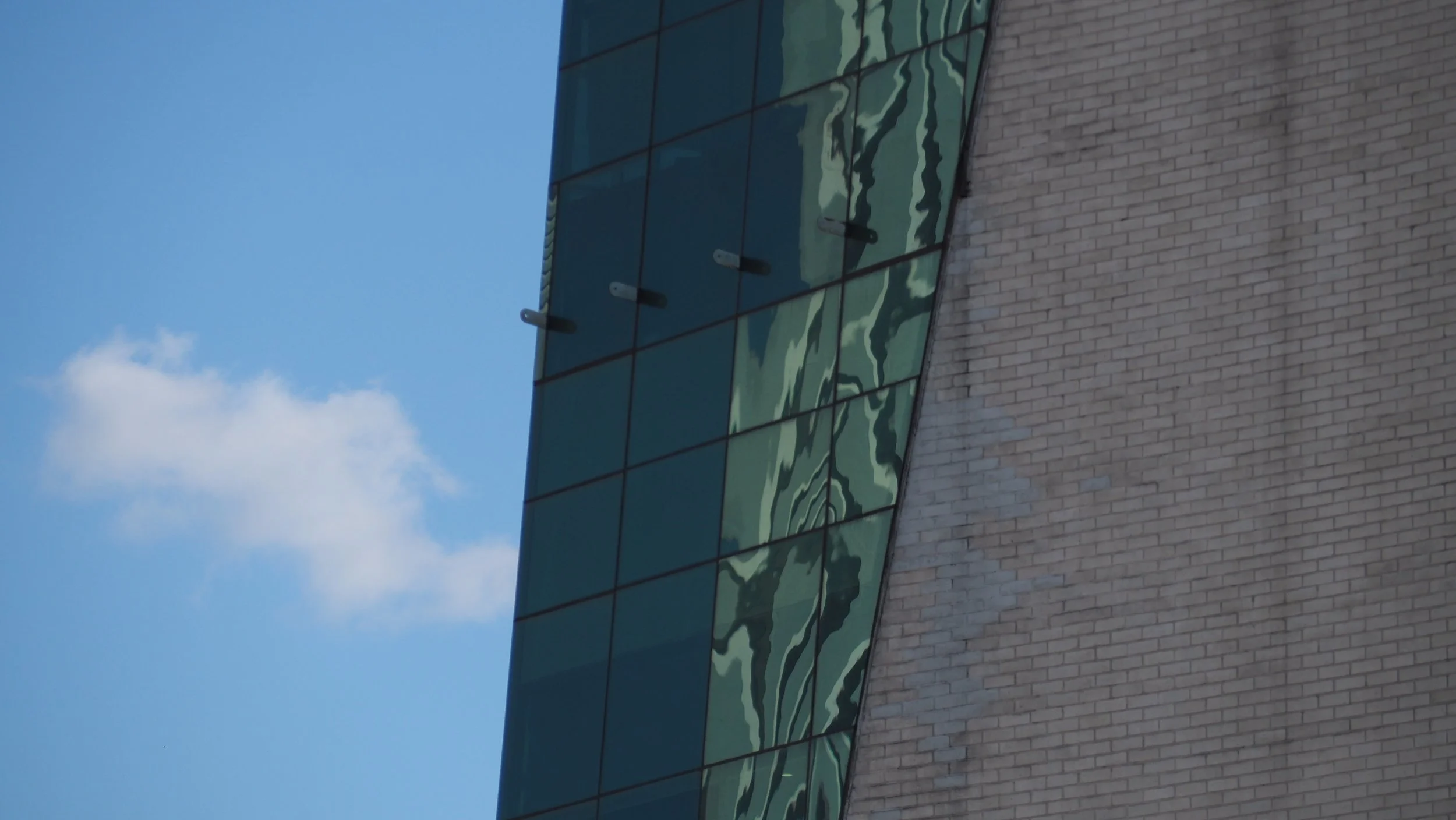
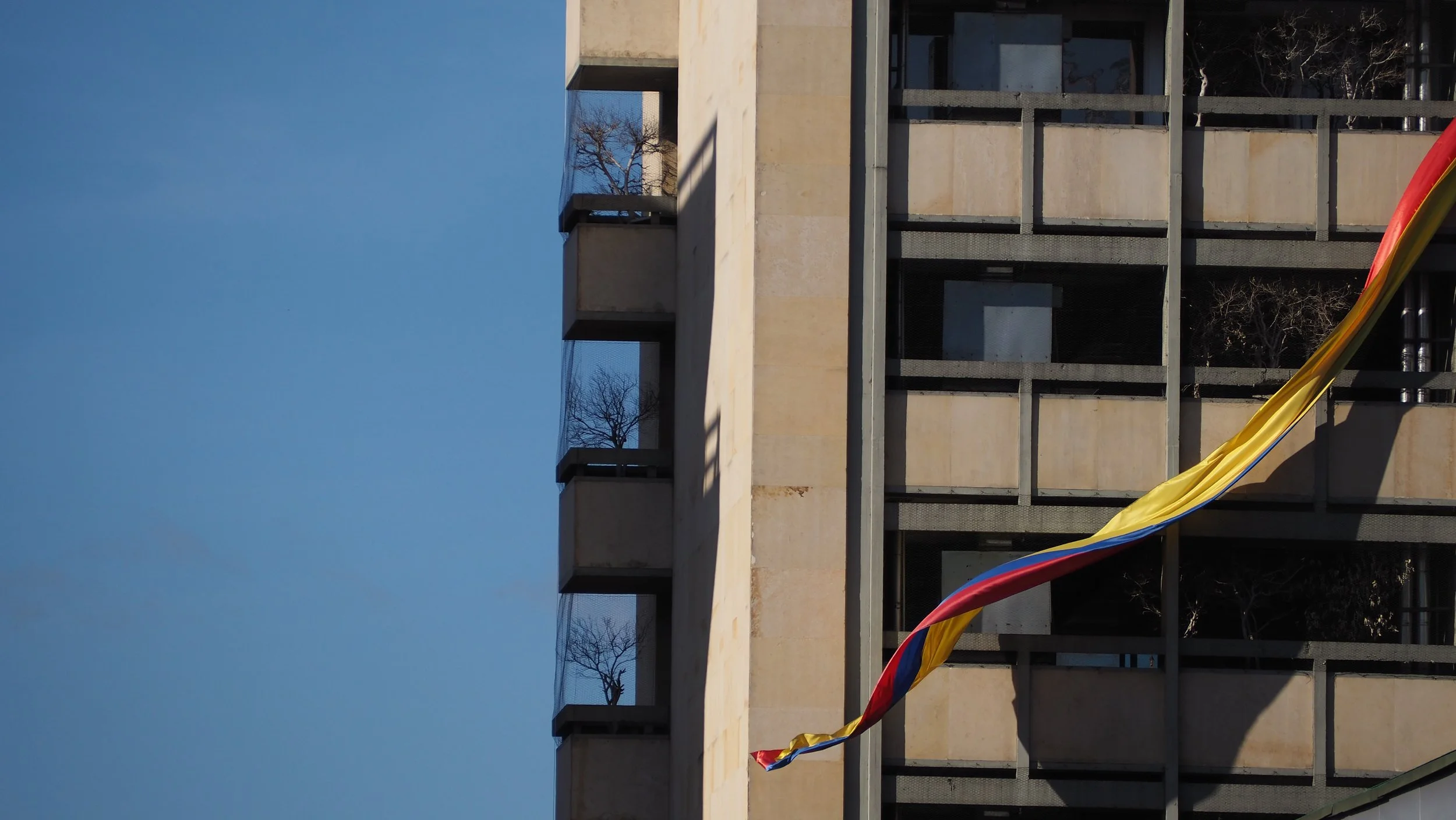
glass towers catch the afternoon sun. unfinished brick climbs the mountains behind them. a modern train moves through the valley. beneath it, traffic barely moves at all. rooftop bars look toward barrios their customers may never enter.
the future is arriving. just unevenly.
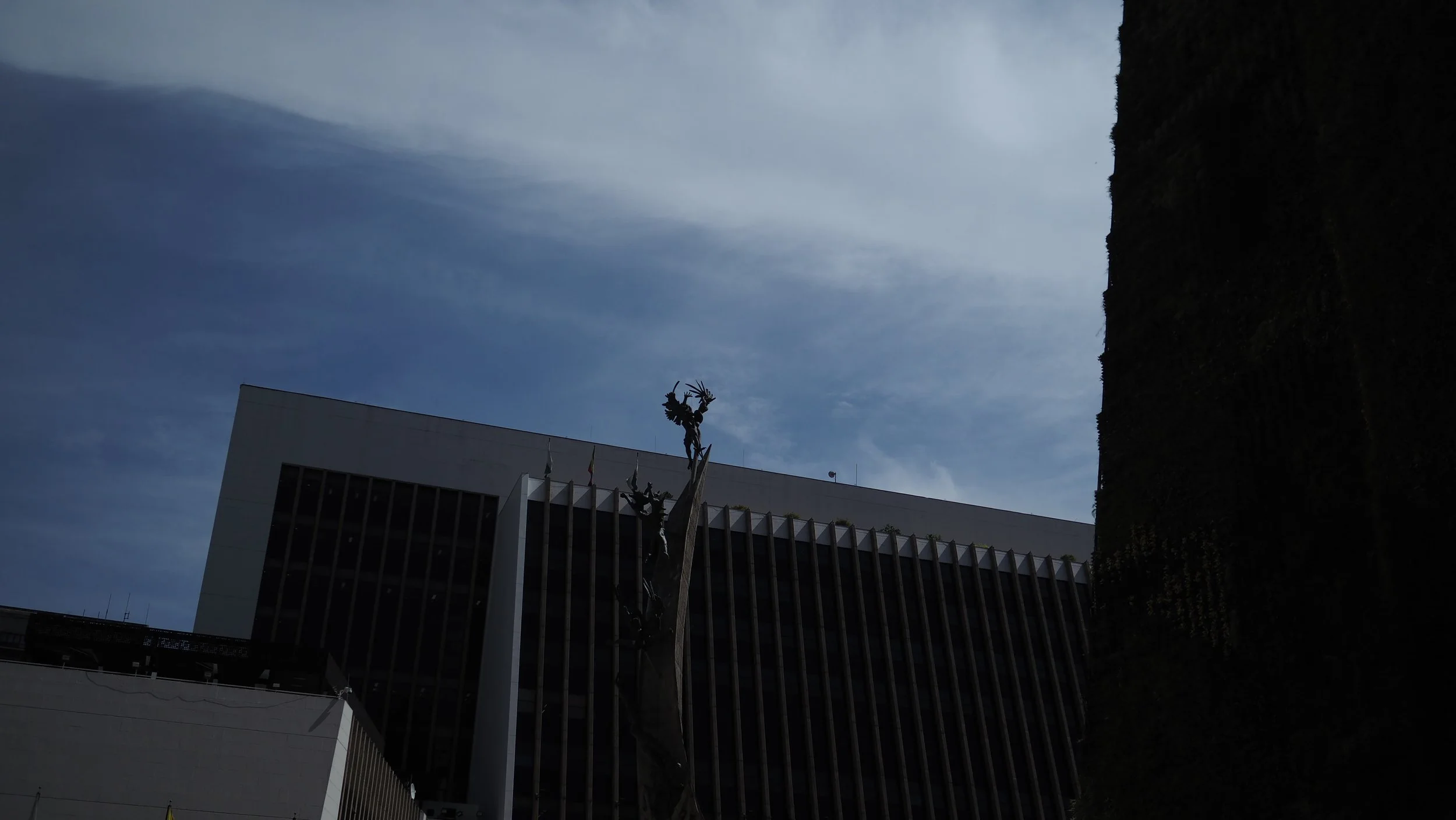
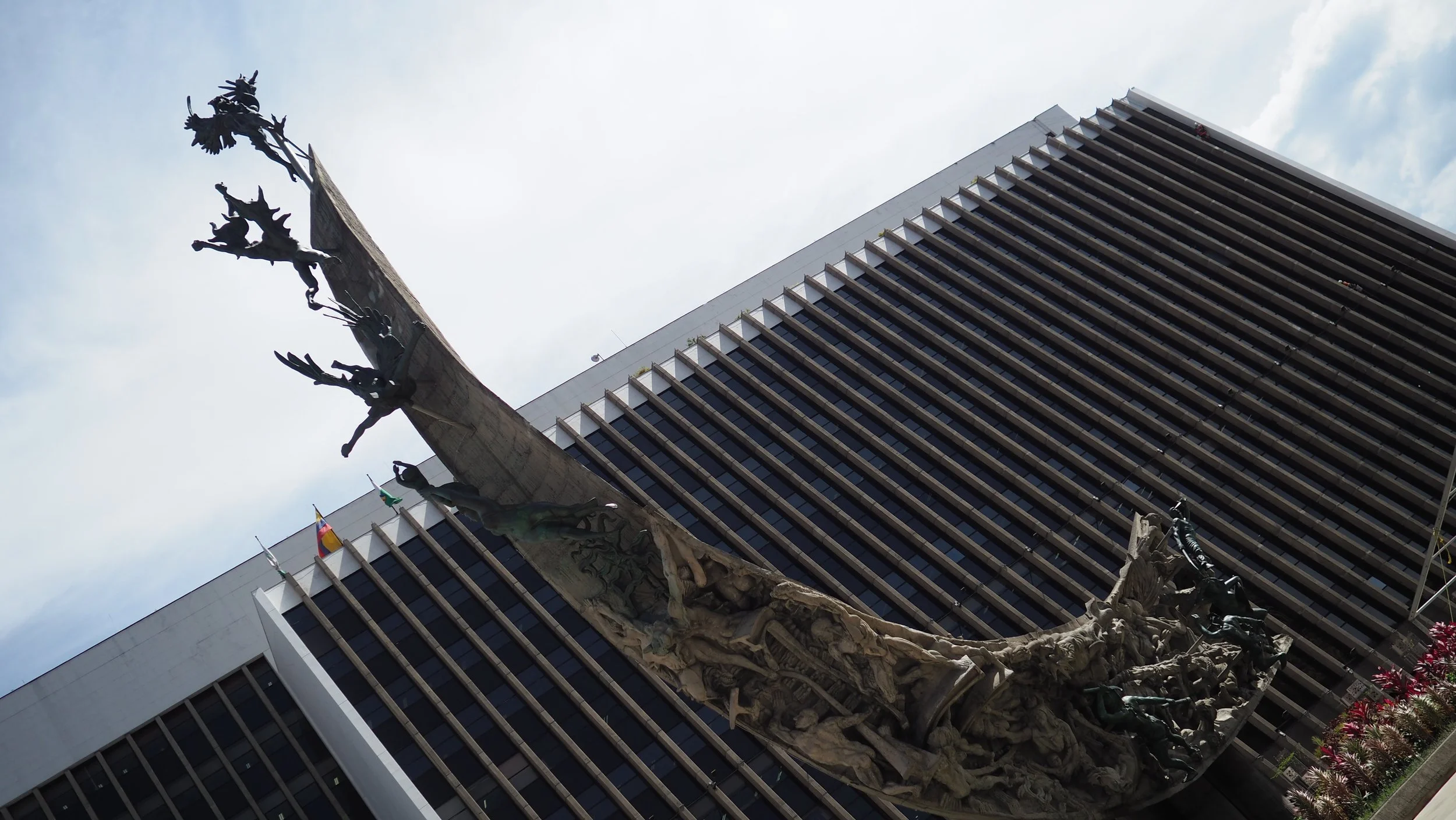
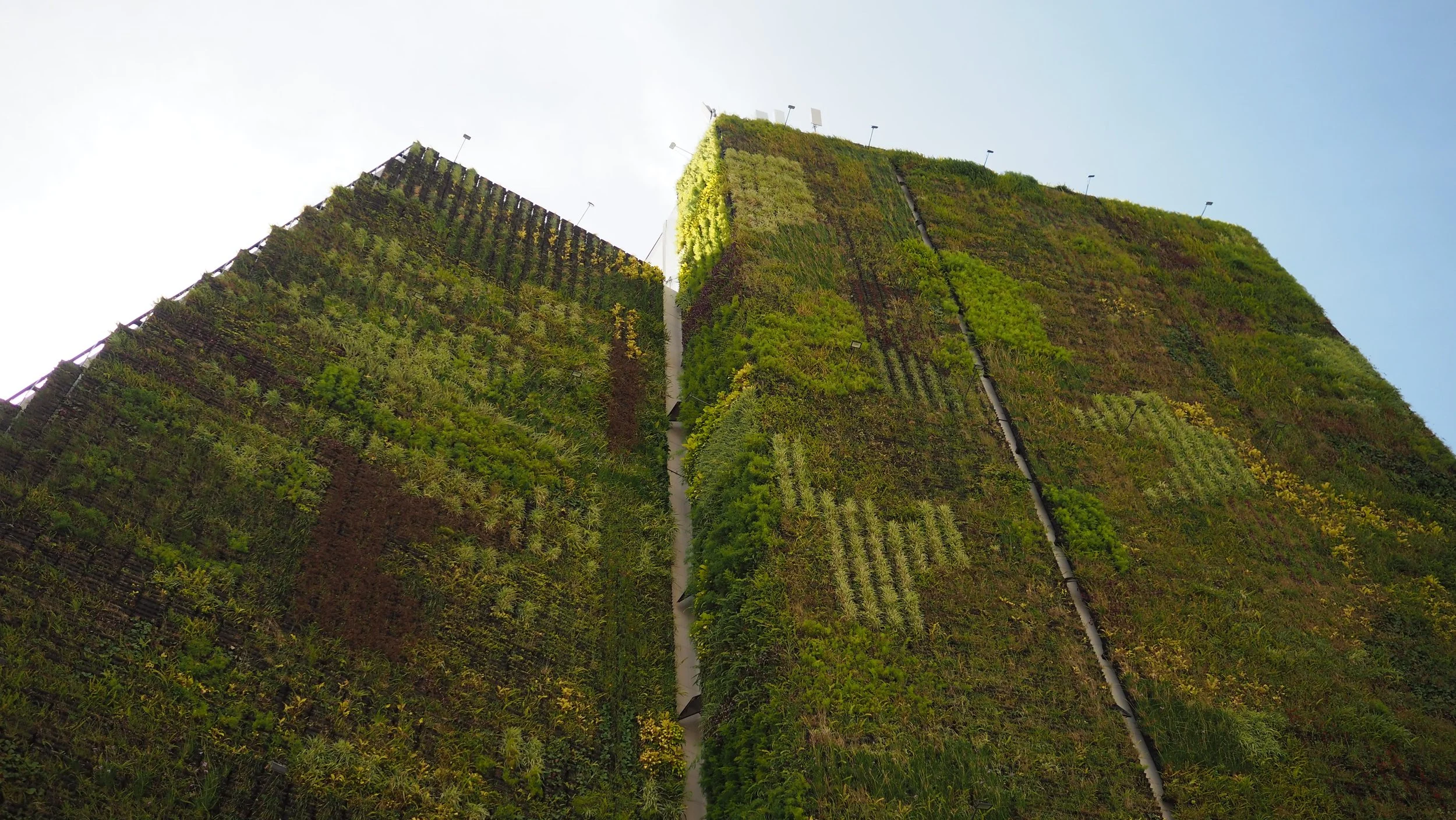
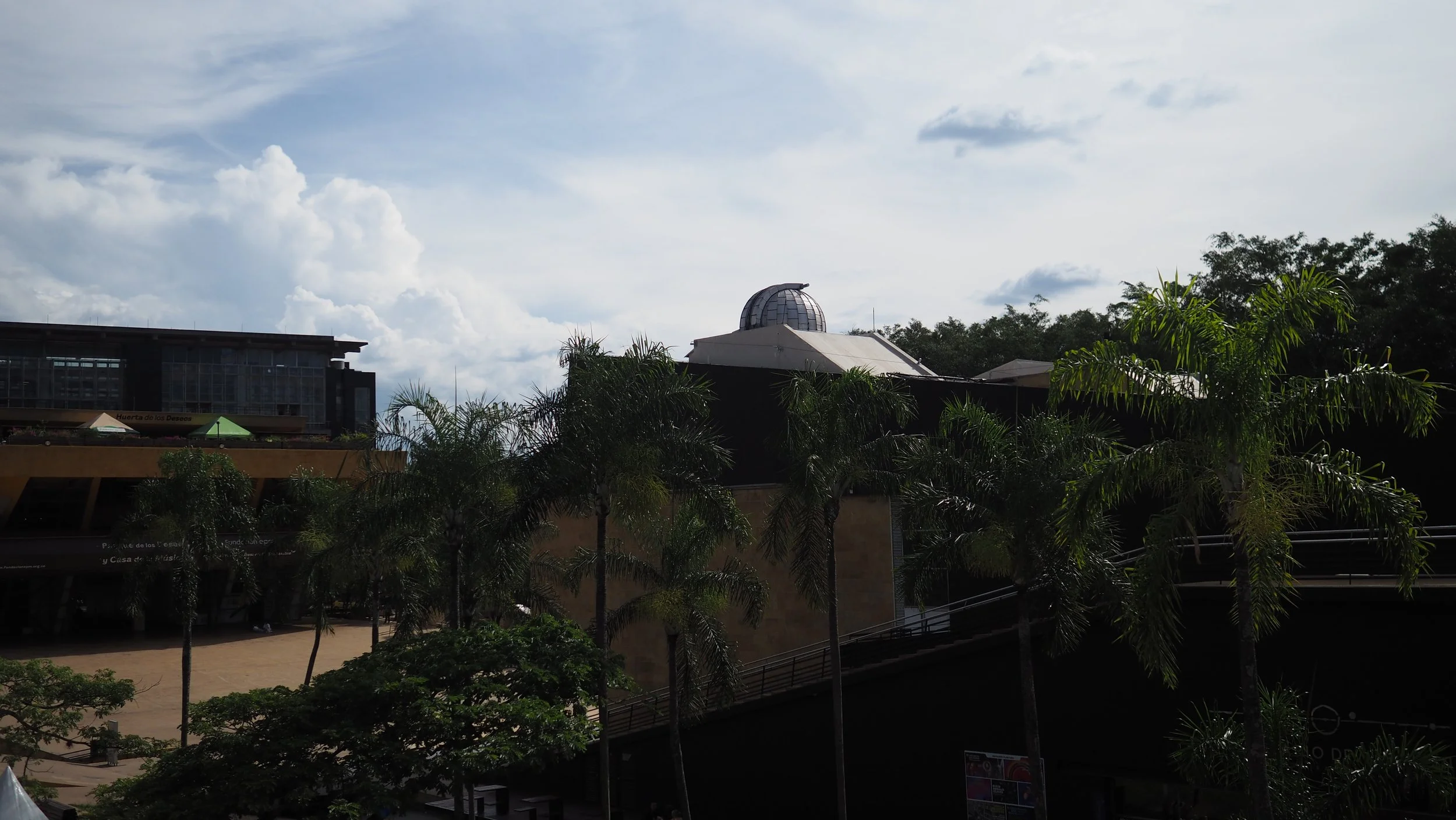
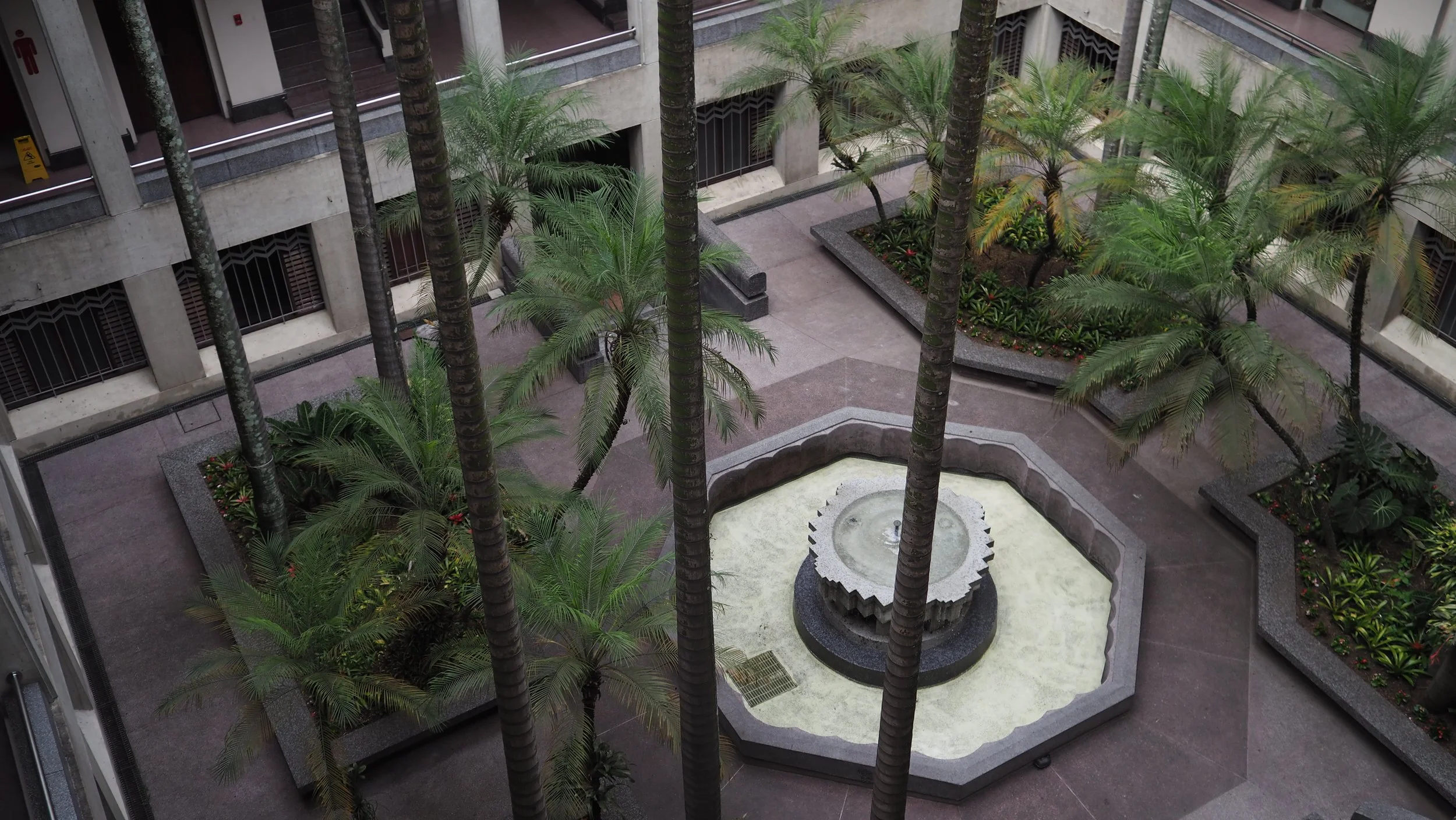
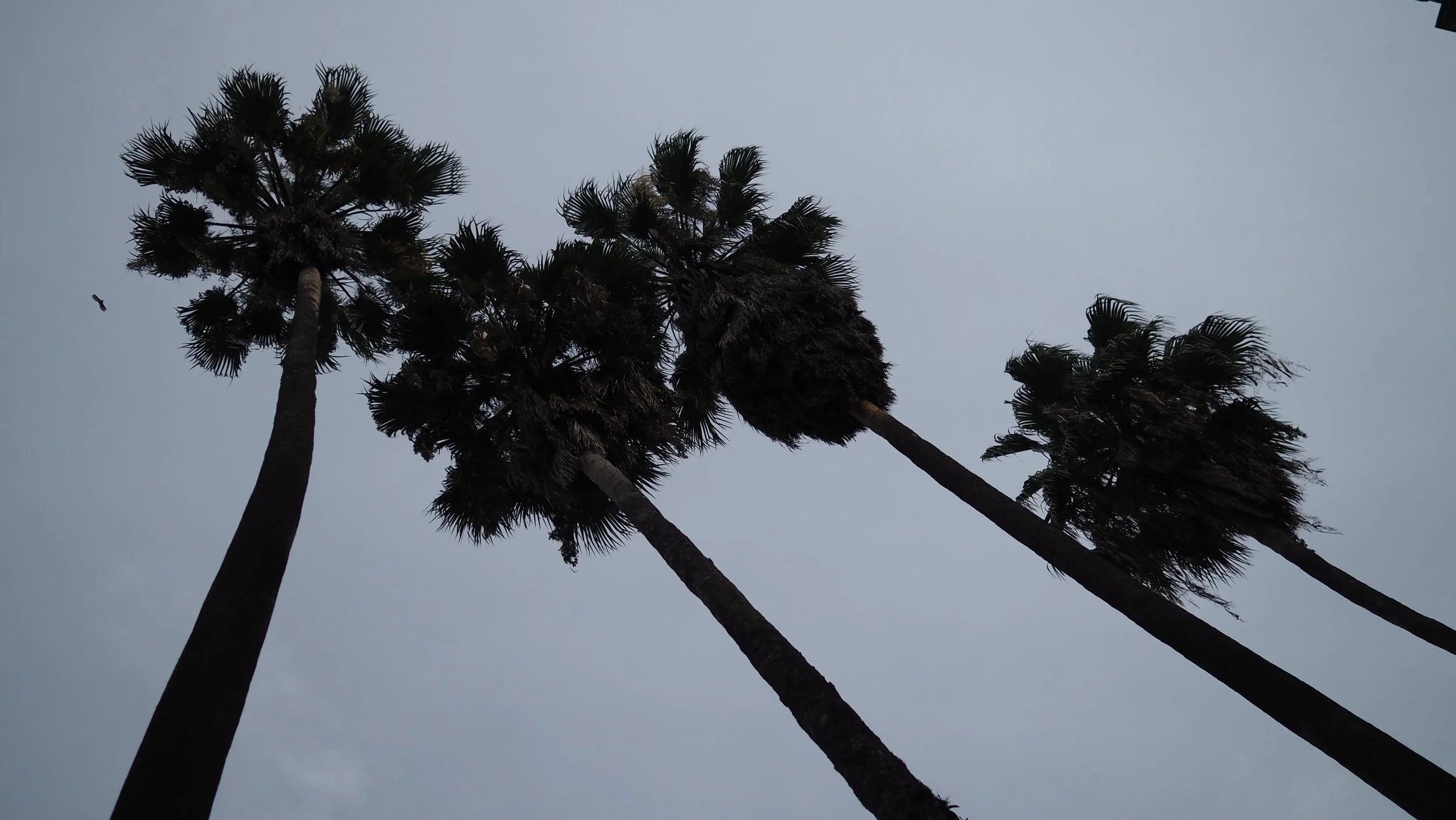
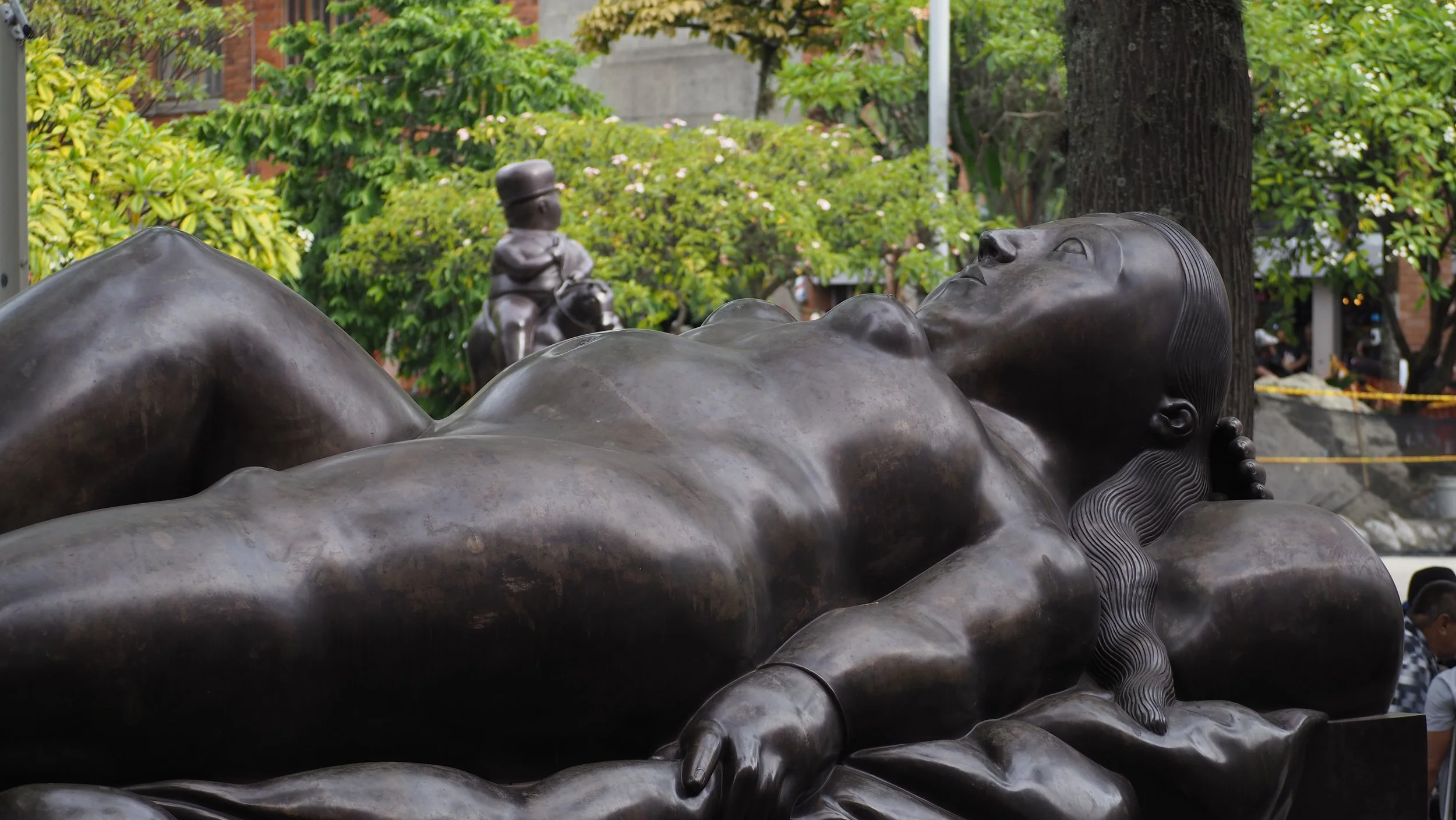
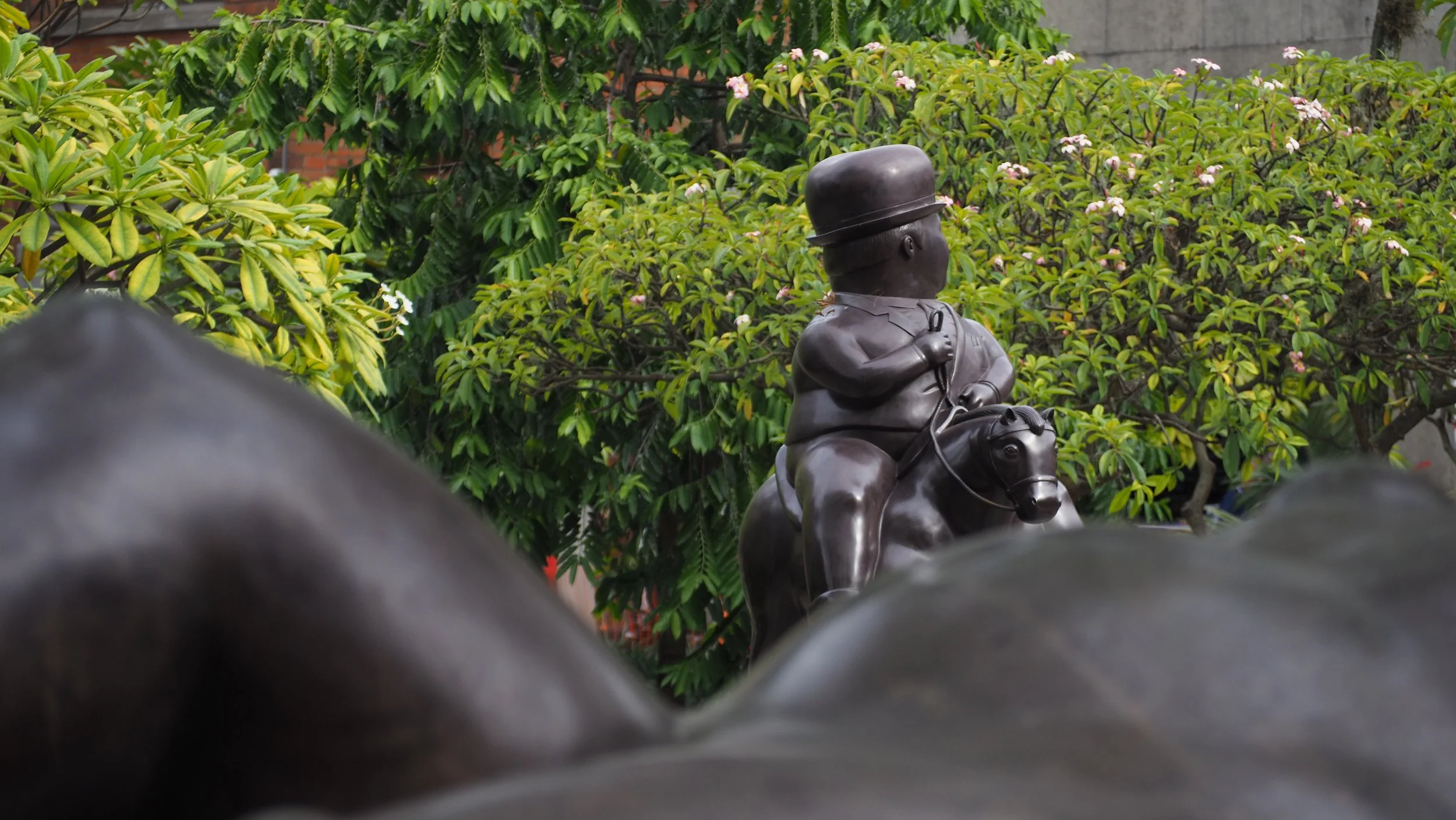
that is what makes medellín easy and difficult to photograph.
to capture one thing is easy: beauty, poverty, colour.
but how about danger, progress, decay, smells, atmosphere, promise, creativity?
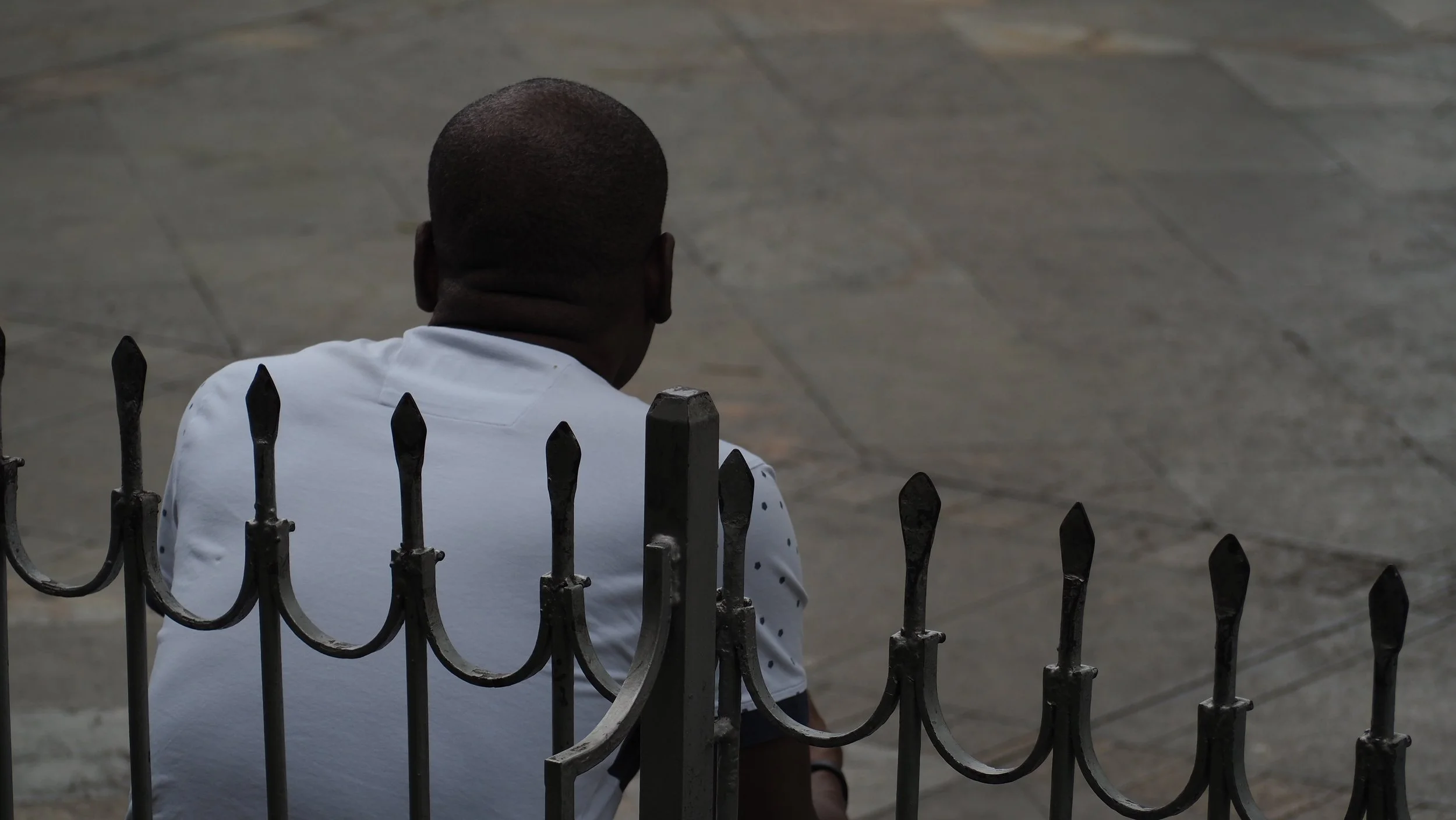
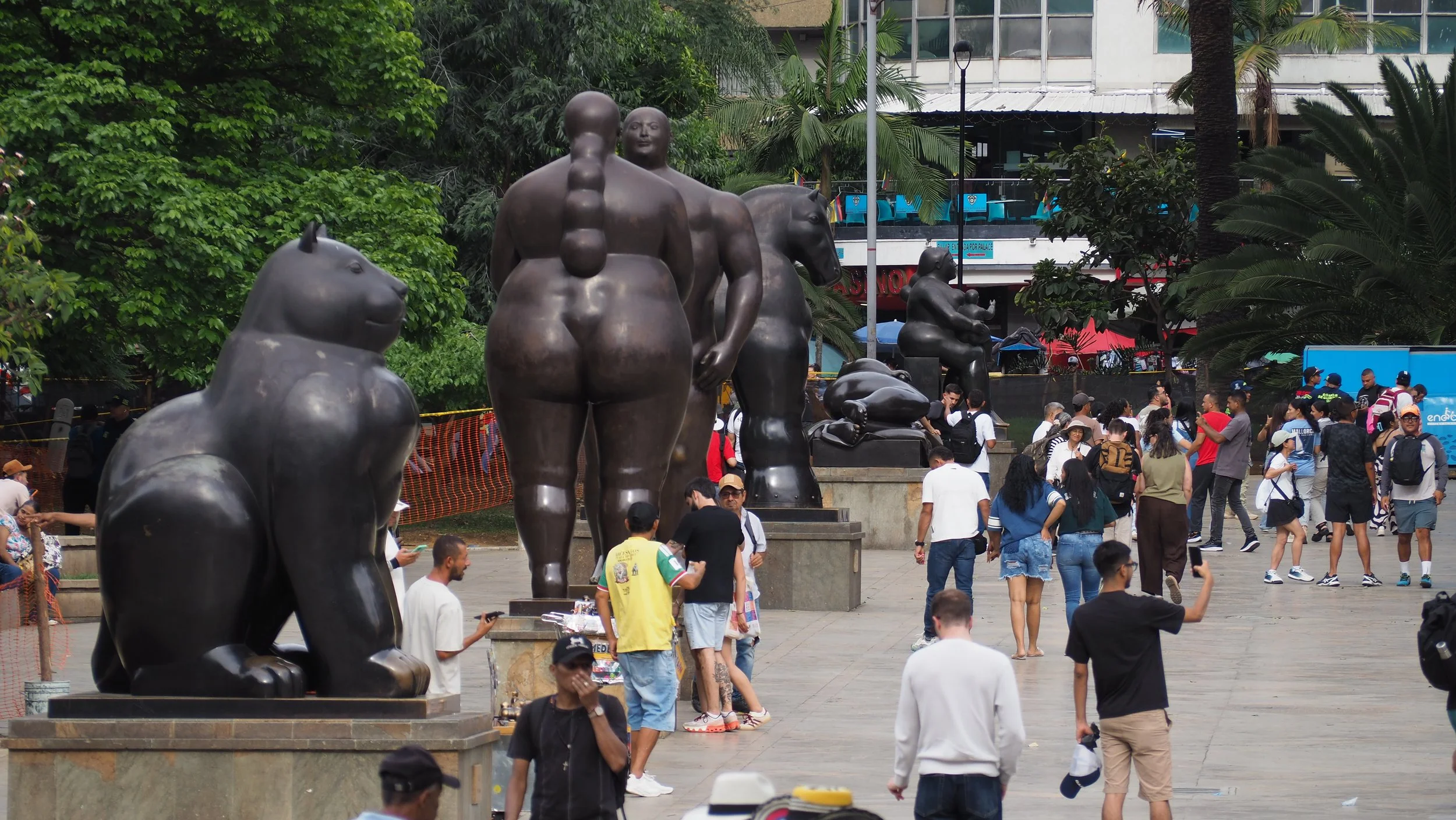
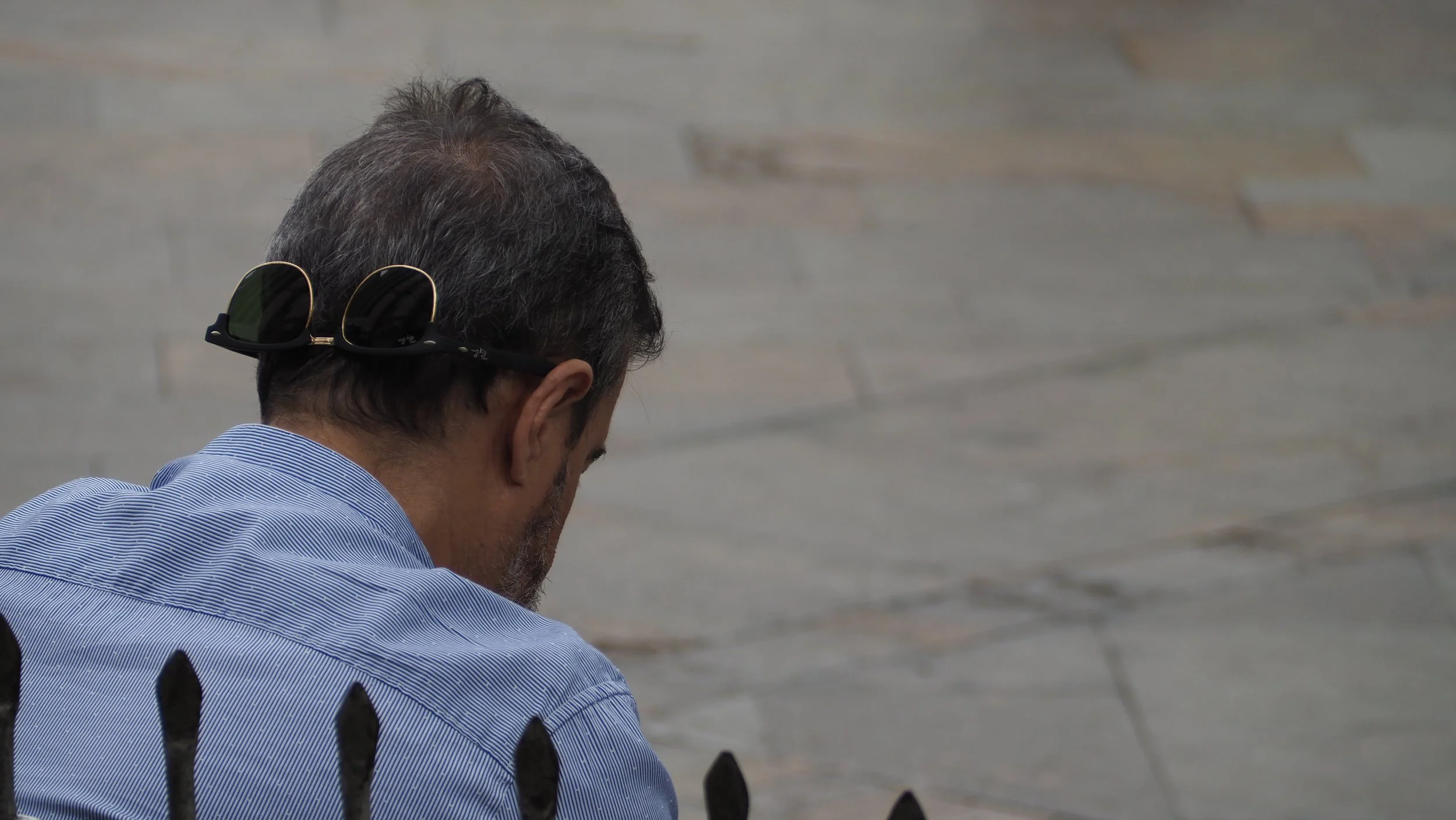
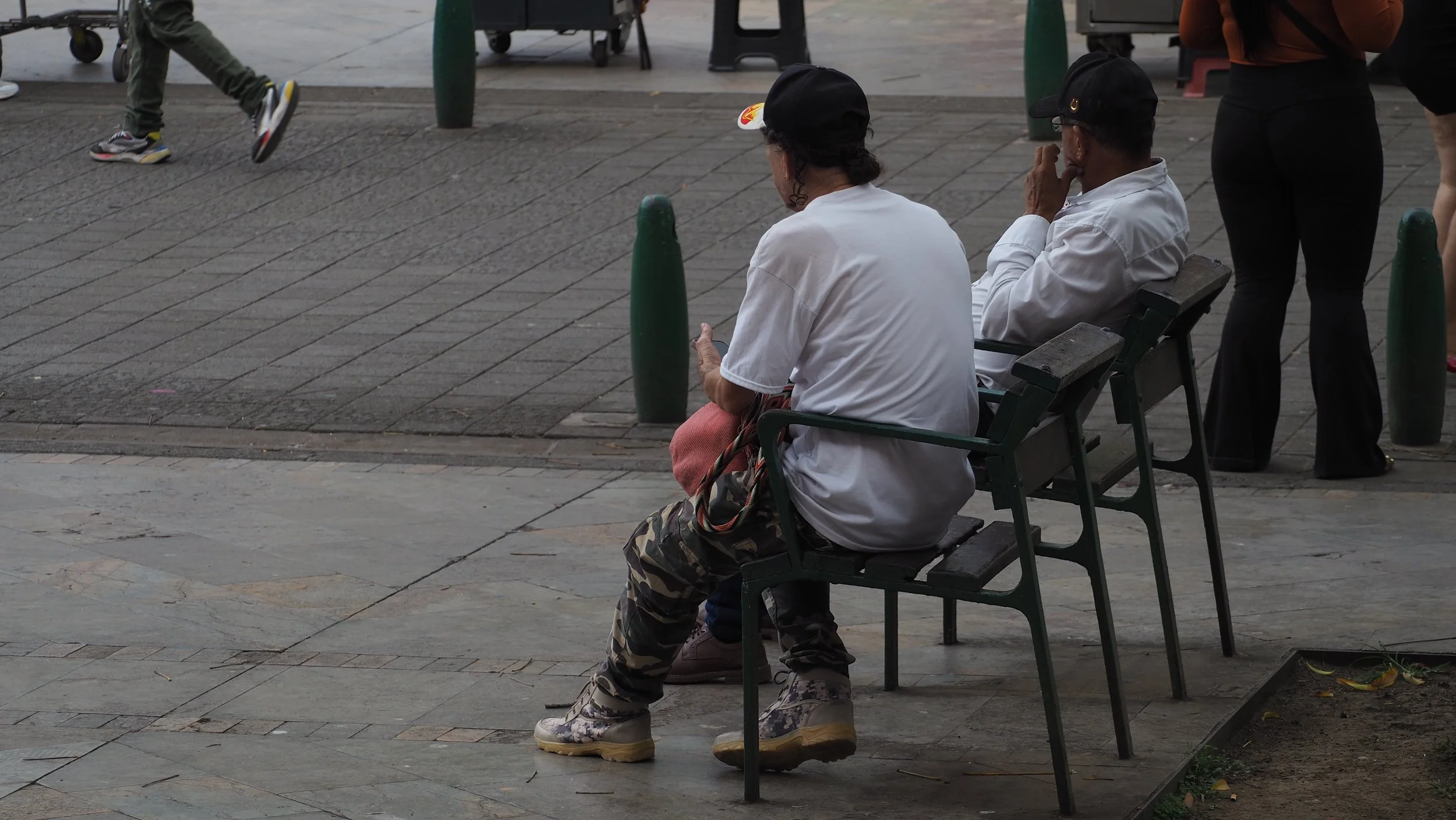
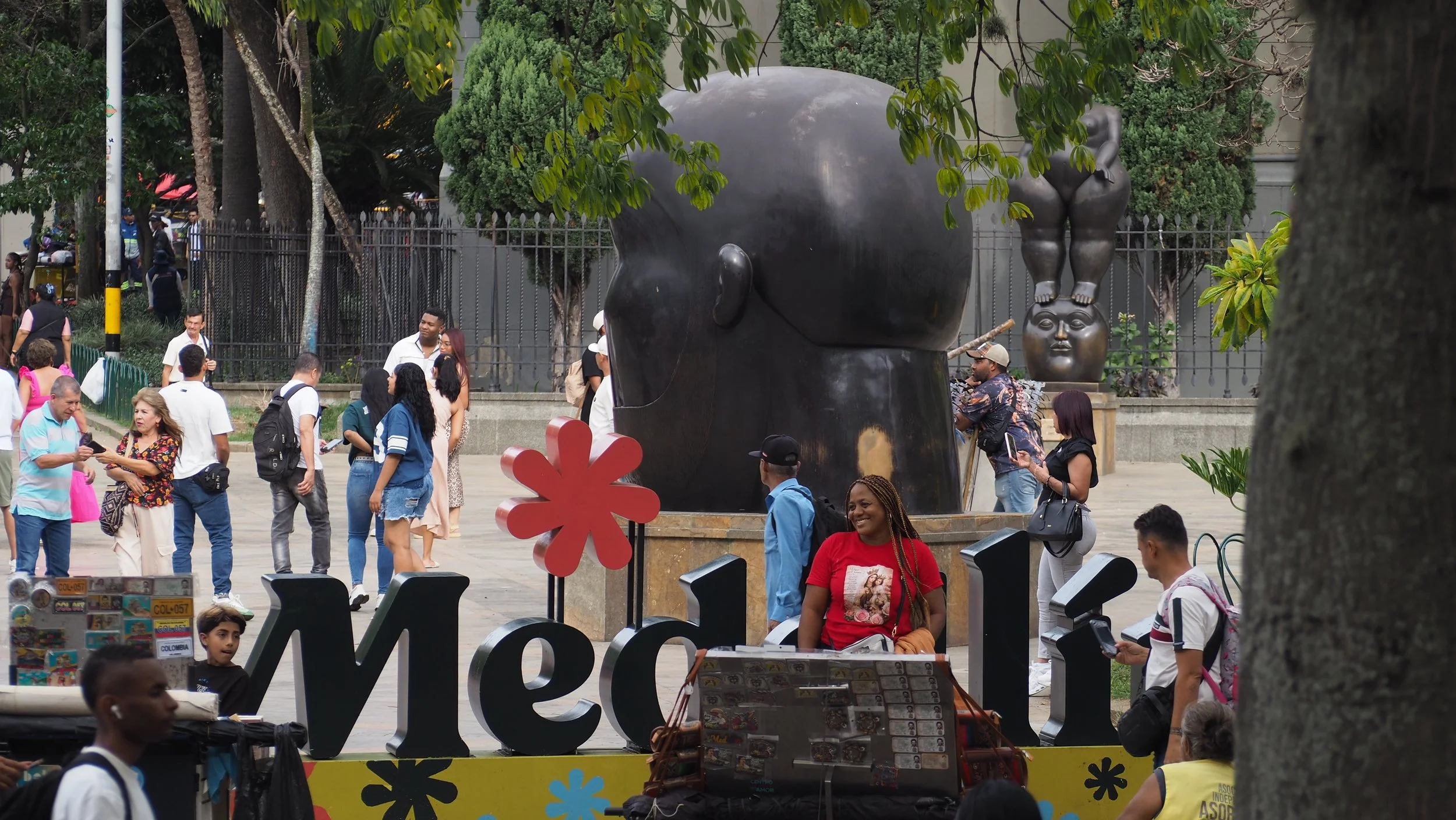
the same happens to me as a traveller:
before arriving, you already carry a version of medellín with you. assembled from headlines. television. warnings. instagram. friends of friends. stories told by people who once knew someone who went somewhere they probably shouldn't have gone. as i did sometimes in my past. you arrive with your own expectations of a place.
then you arrive, truly. and the city hits you with everything at once. what to remember, how to make sense of anything when it is so bright and dark at the same time, so loud and rough, so forbidding and inviting, so colourful and filthy, green and grey?
and the imaginary city begins to fracture. this is what travel is supposed to do. not provide answers but remove them. to discover that the place you thought you knew something about from a distance becomes harder to describe the closer you get.