the other grave
maría del pilar was a small, beautiful woman with short black hair, carrying with her ancient knowledge of her colombian ancestors. she came into our family in the 1980s, around 86.
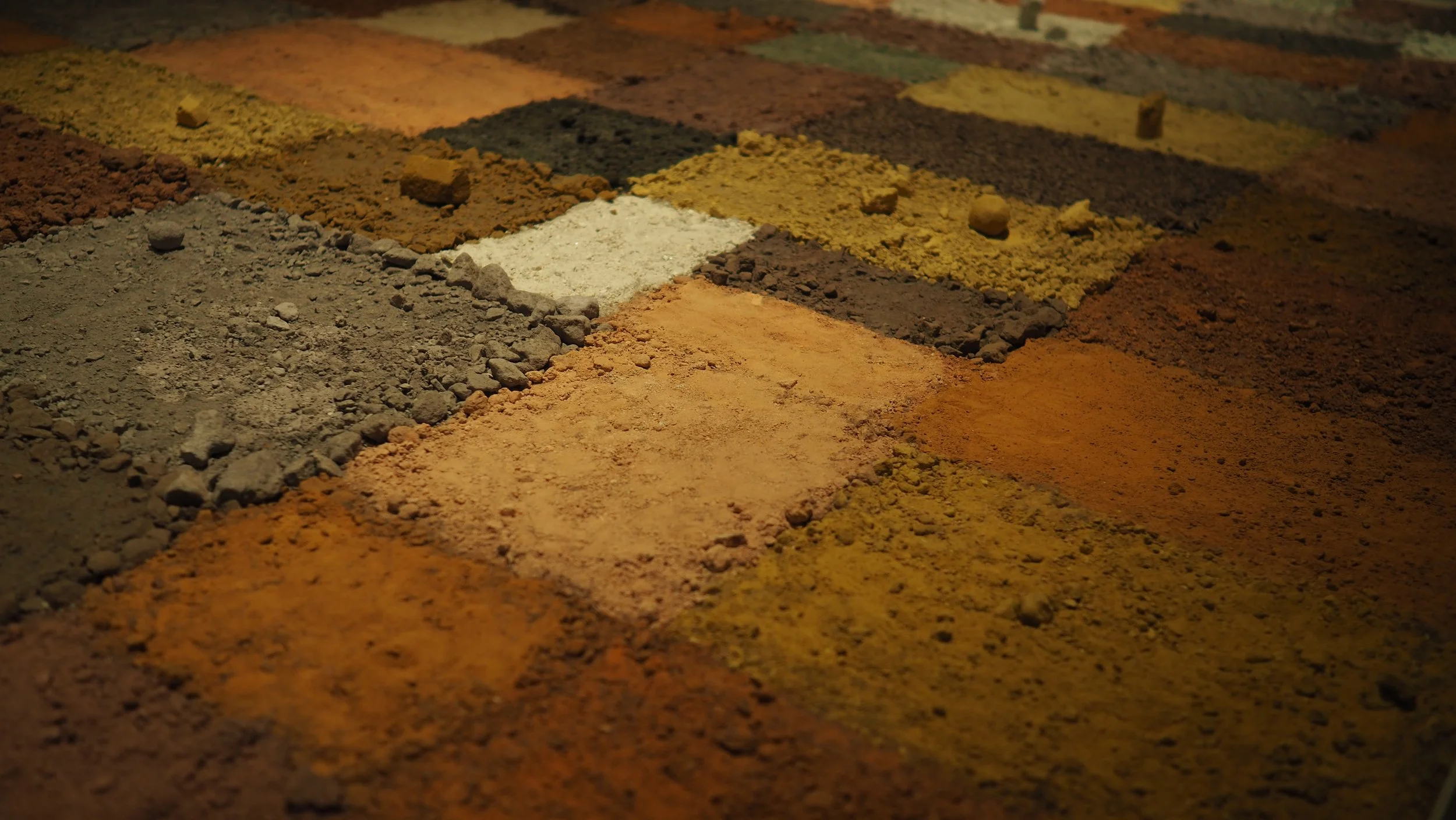
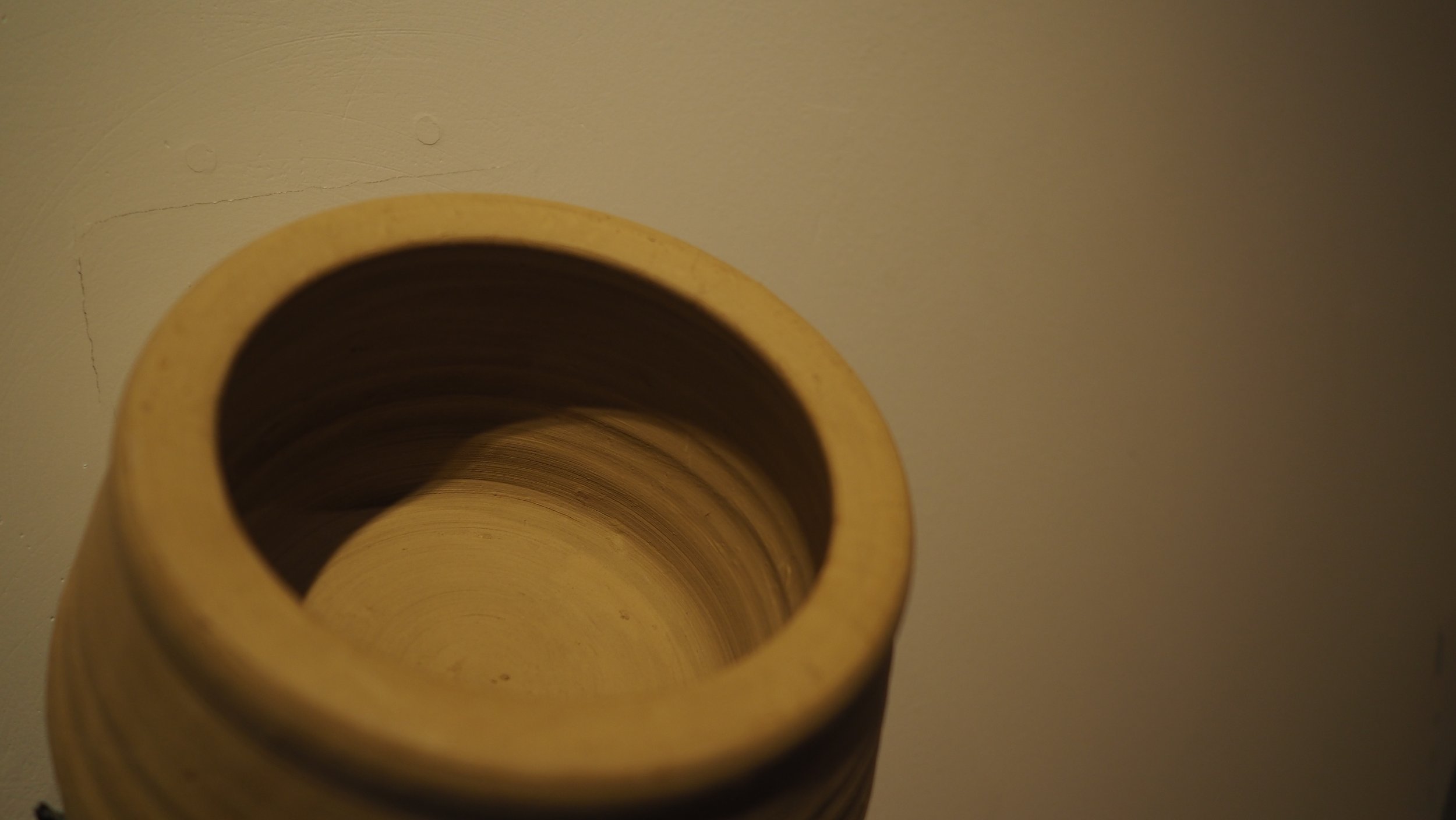
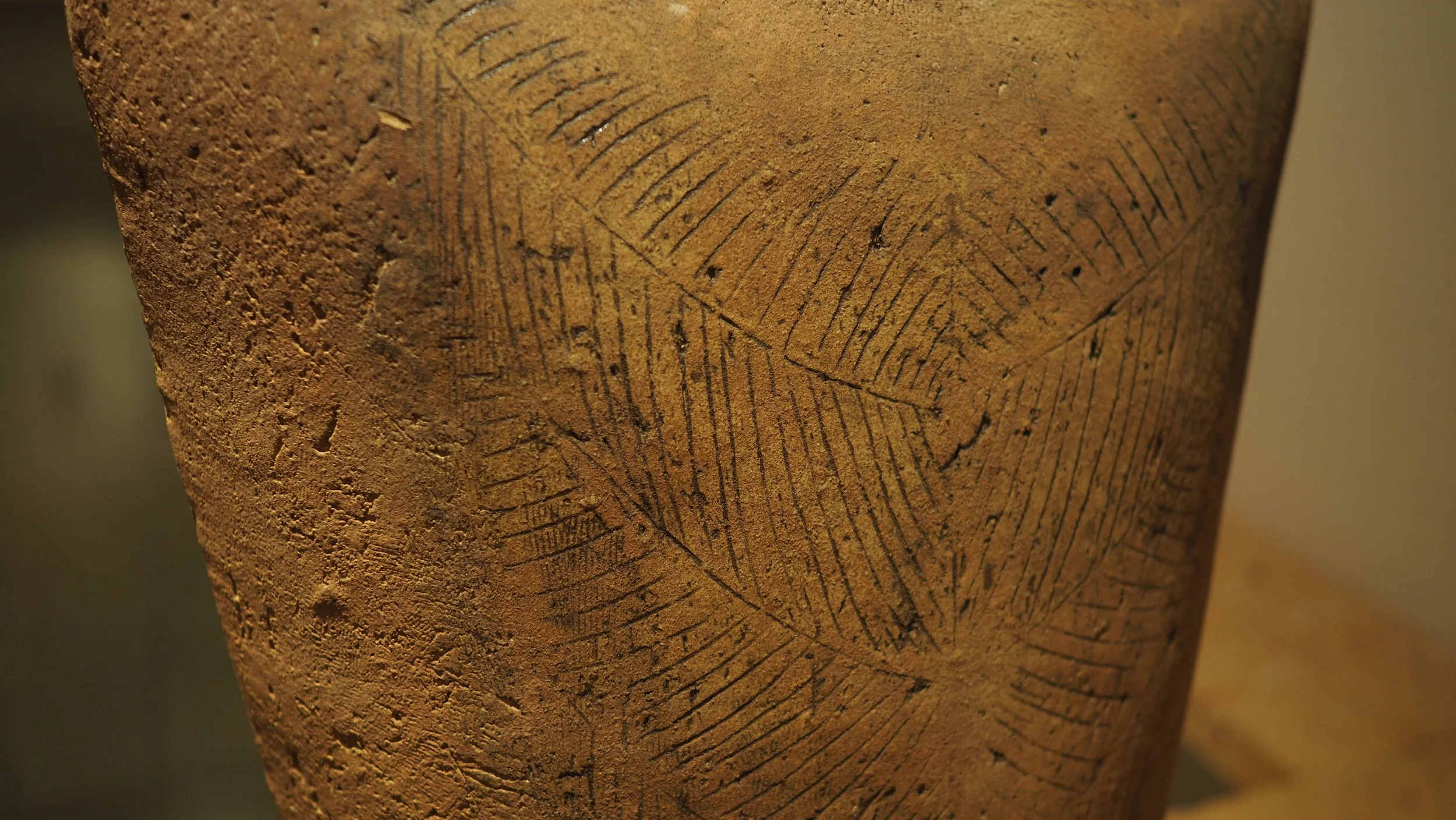
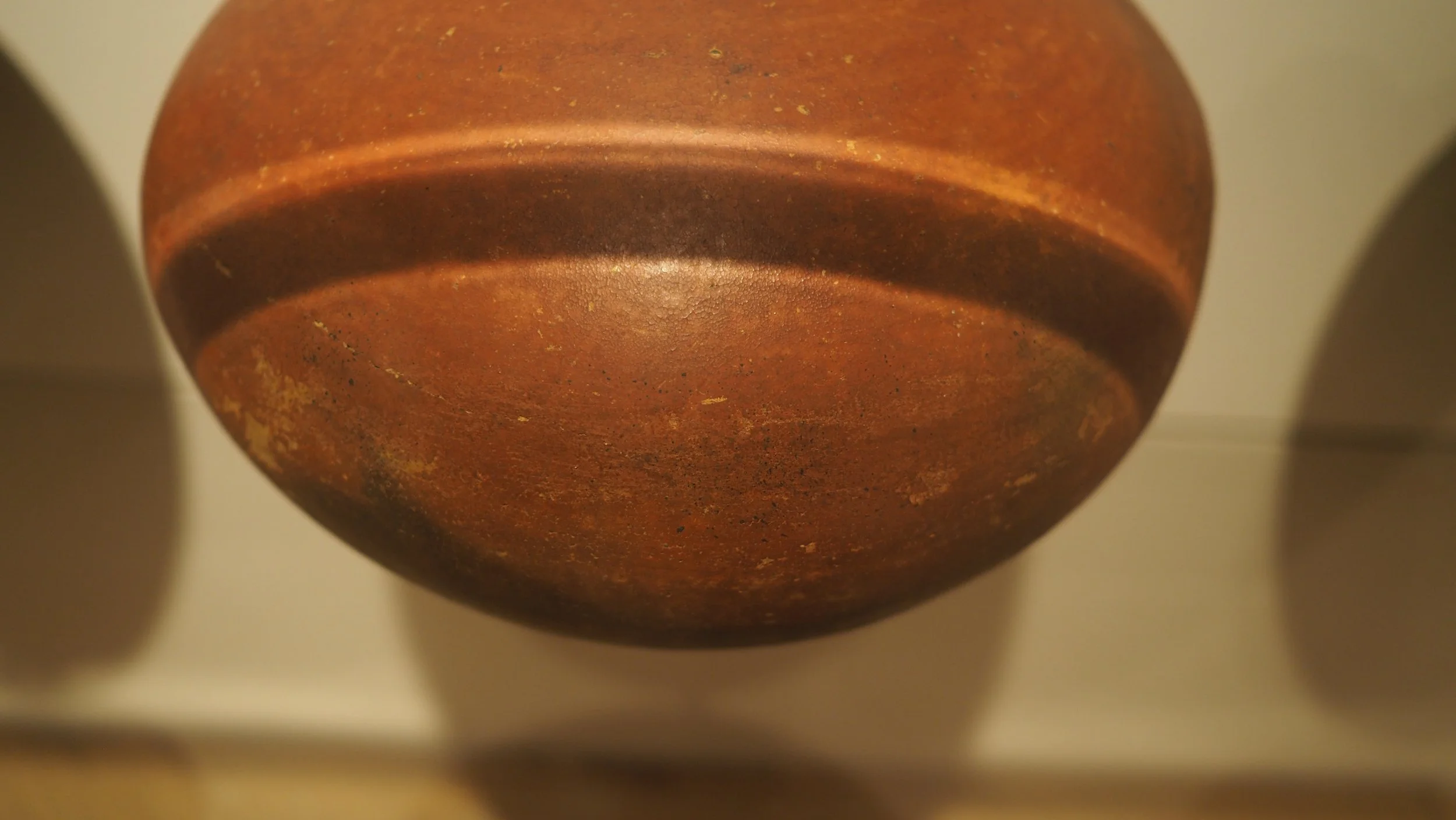
with her bare hands she coiled and smoothed the wet earth, making vessels that can hold water. wherever she went - from colombia to italy, and finally into the austrian alps in tyrol - she carried something of the earth of her homeland with her.
clay is water and dust. combine it, form it, shape it, and for a while it will hold together. add fire and it becomes something more permanent, until one day it breaks into shards and returns to dust again.
many years ago, in an austrian workshop, two women sat across from one another, translating their worlds. my mother tought pilar german - a language of hard corners and precise rules. pilar, in return, spoke to my mother in another language: the language of clay, round, soft and creative - more like a language of the soul.
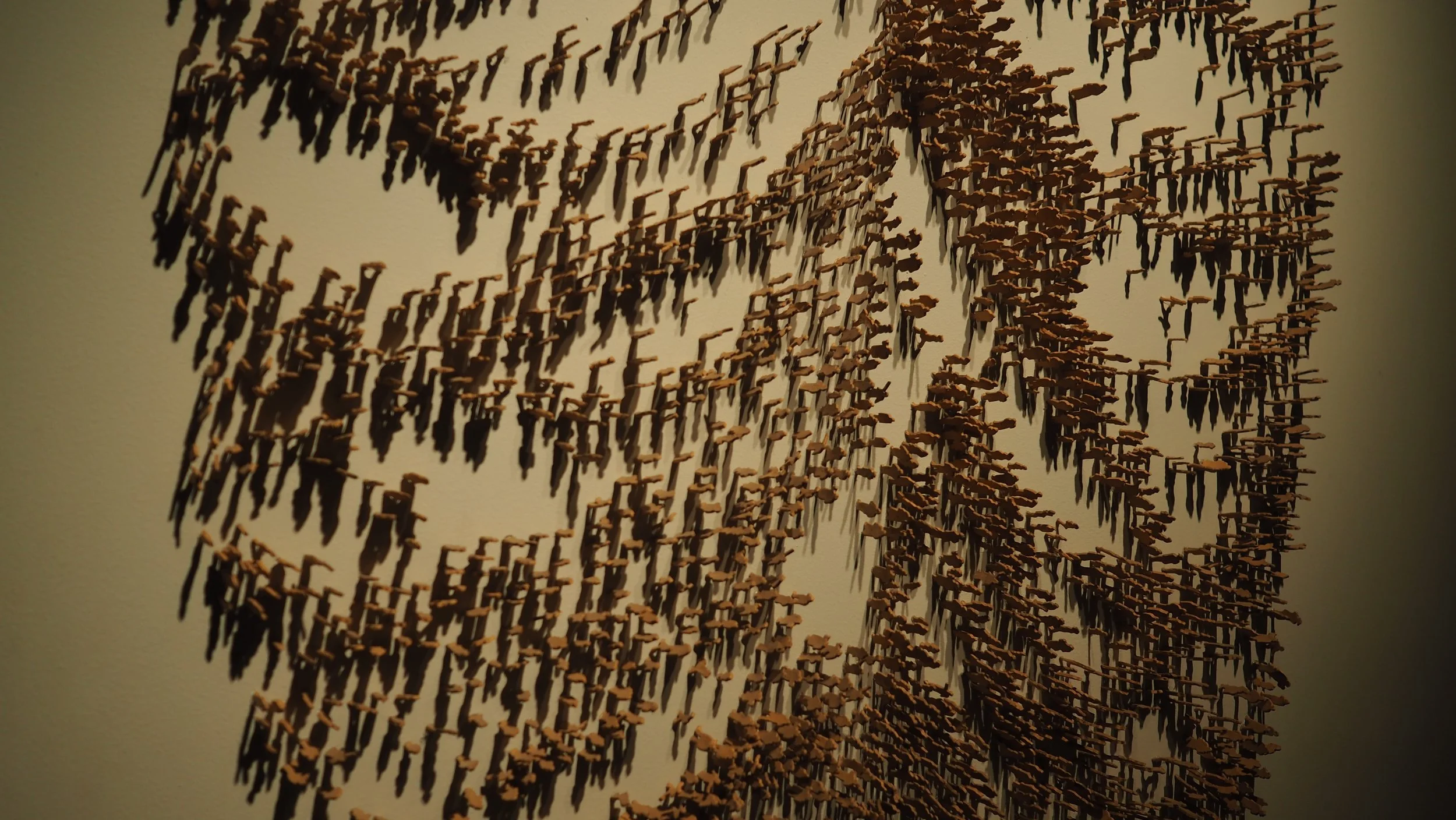
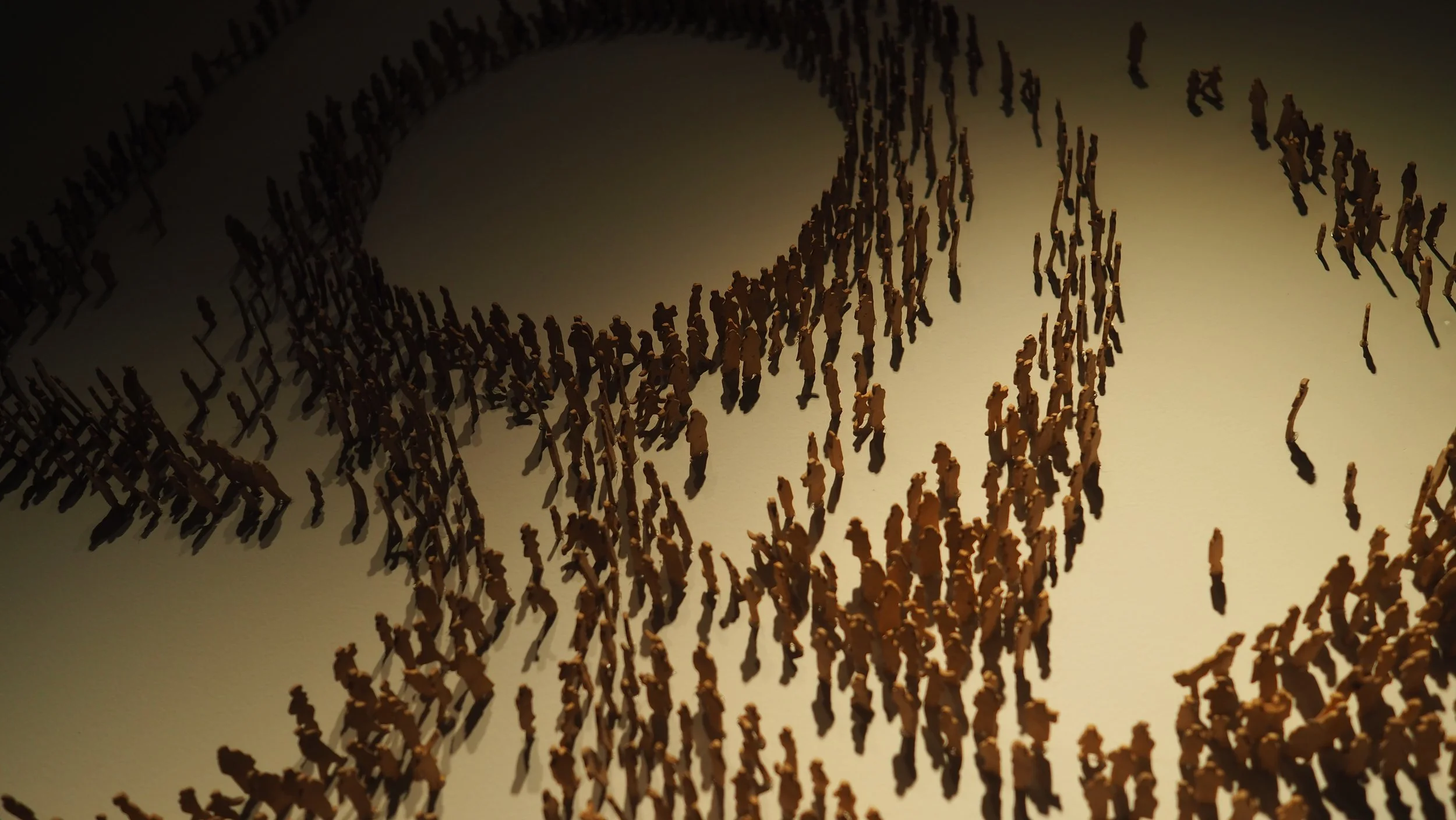
for my mother, pilar's friendship and the clay became something more. her hands pressed into the wet earth as if trying to rebuild or reshape something: a family that sometimes seemed to be breaking apart, crumbling down, back to dust. pilar showed her that dust can be given water and shaped again.
but clay has its price. for years pilar breathed the fine silica dust of her work. the earth she shaped with her hands settled inside her cells, until the dust began, in turn, to shape her.
in 1997, pilar was only forty-two when she died.
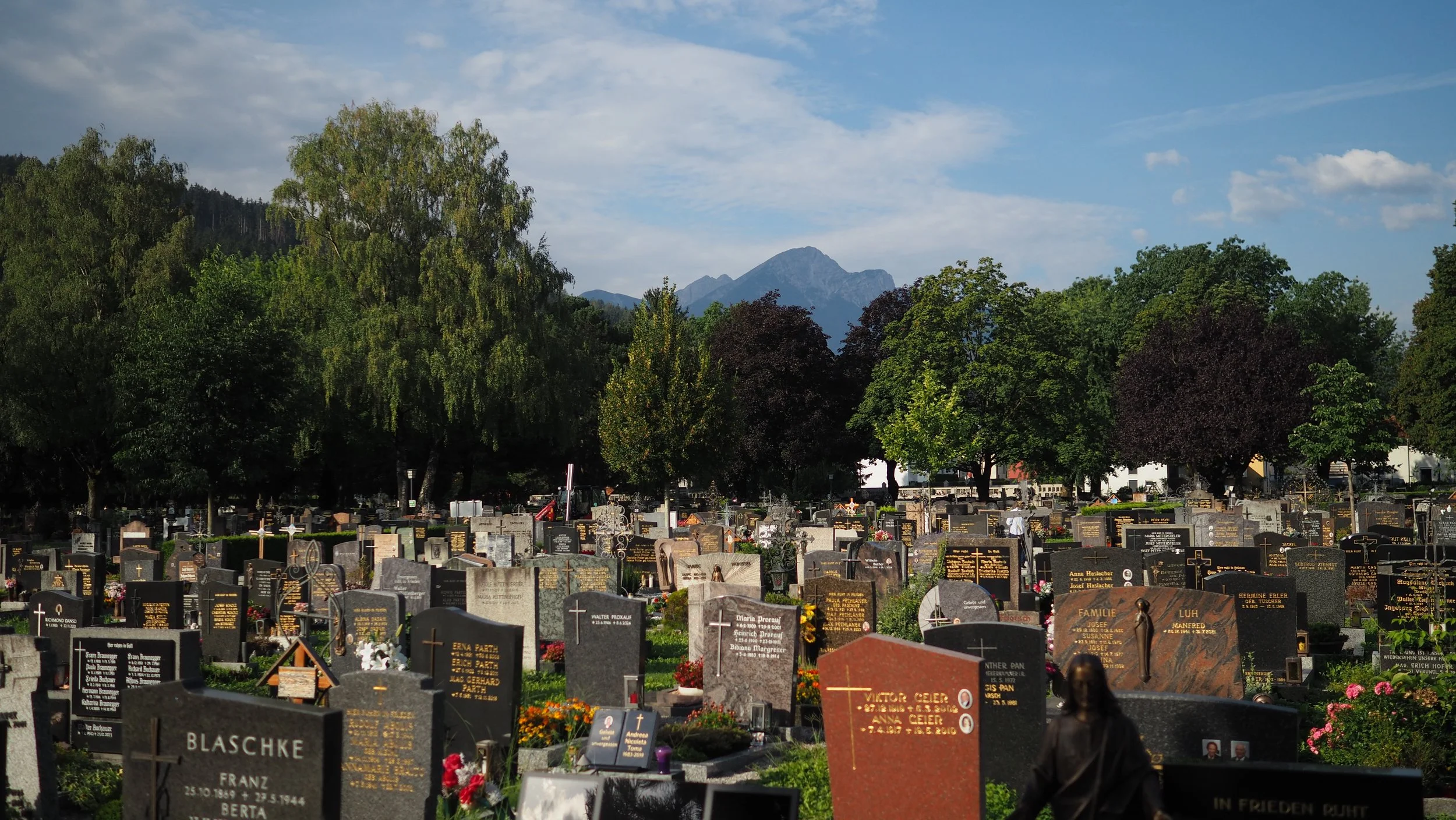
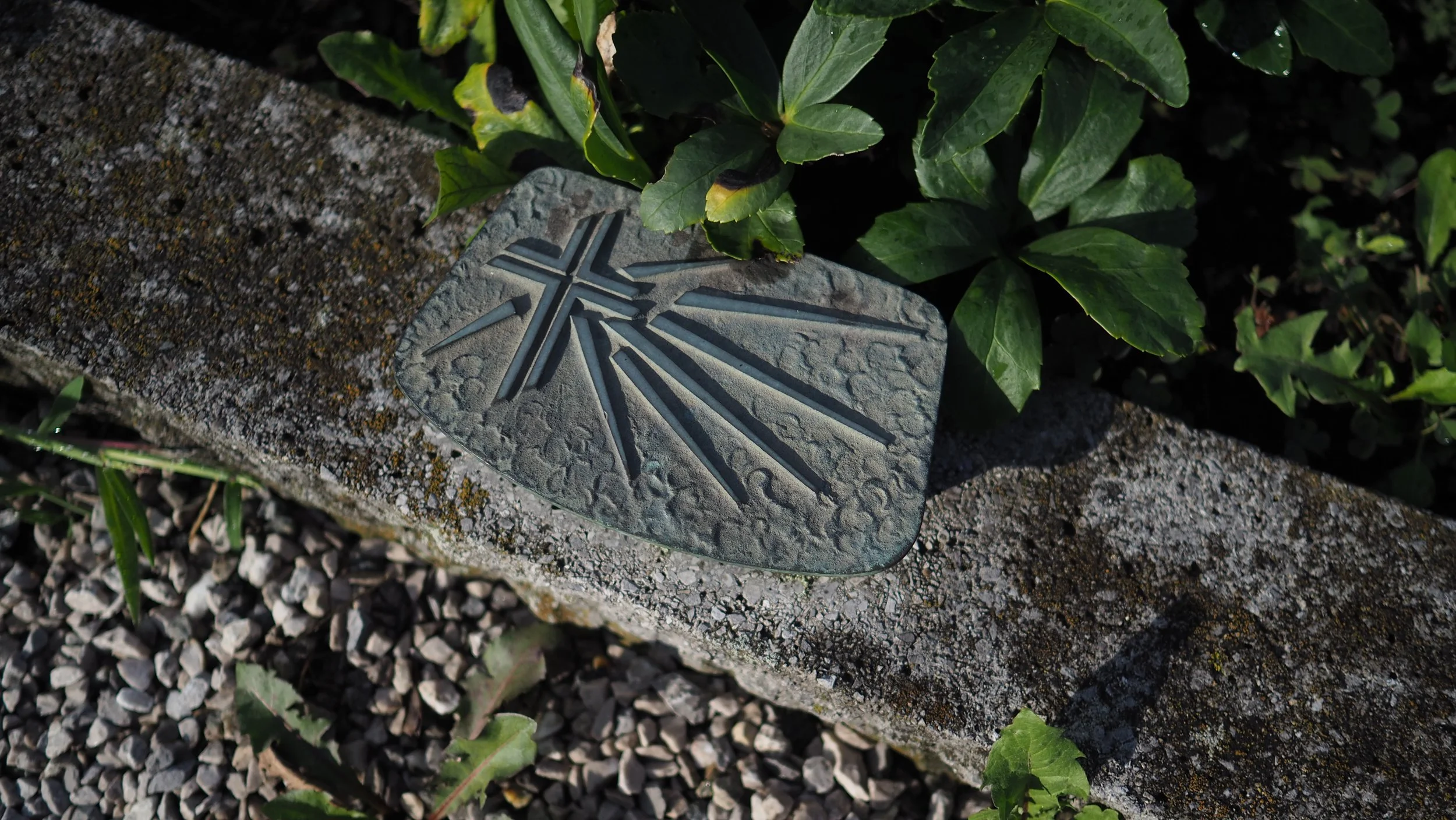
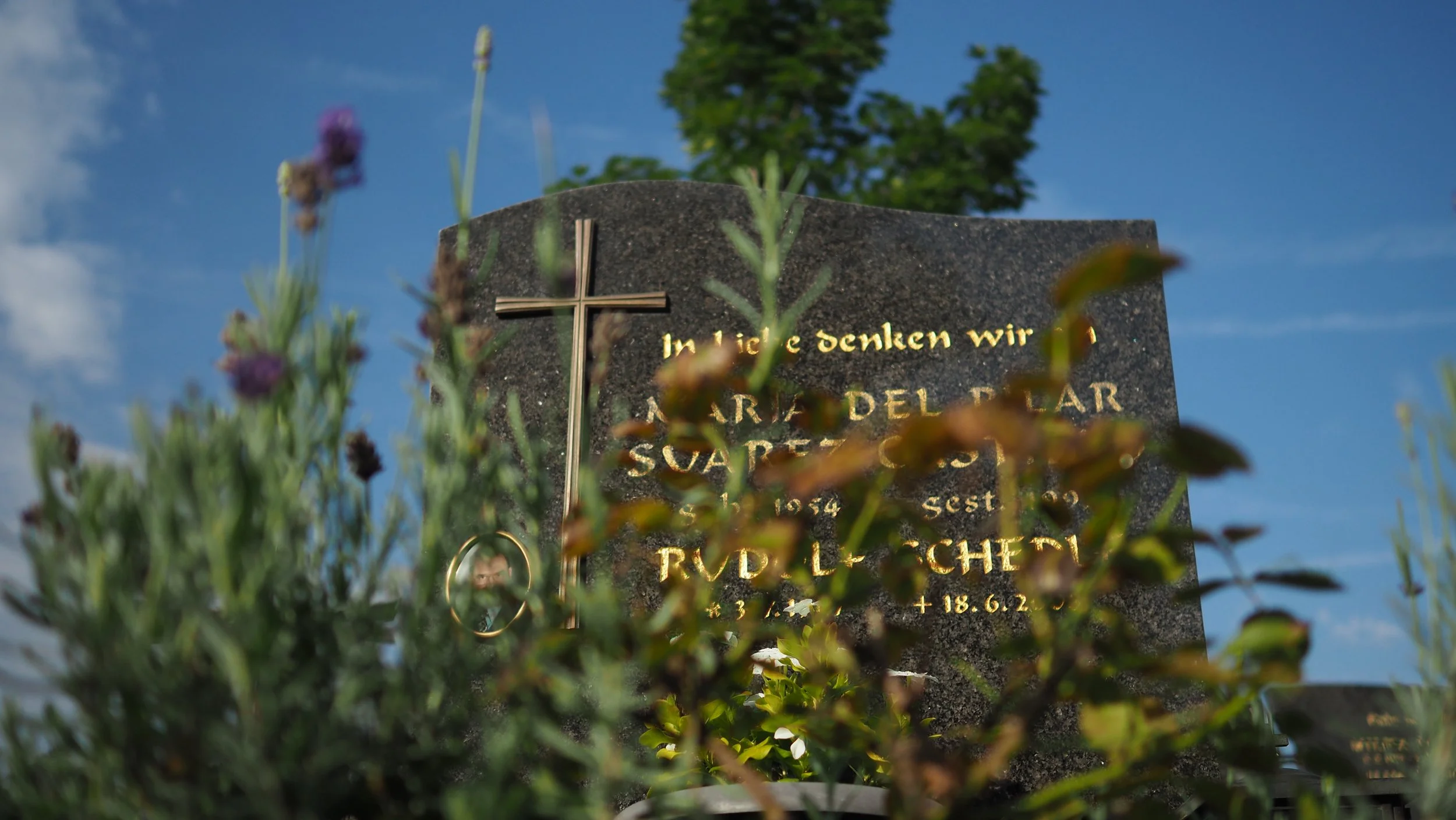
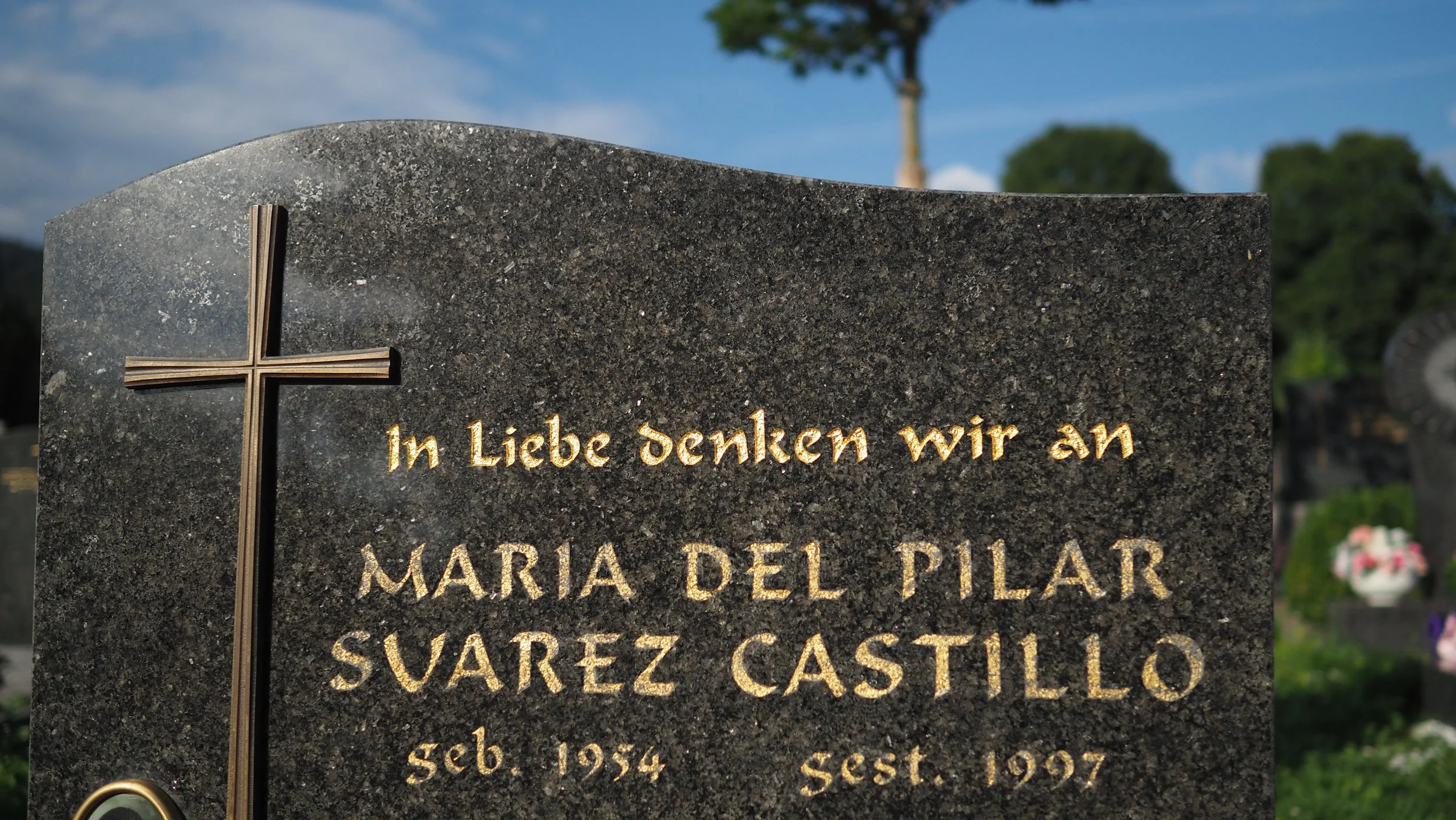
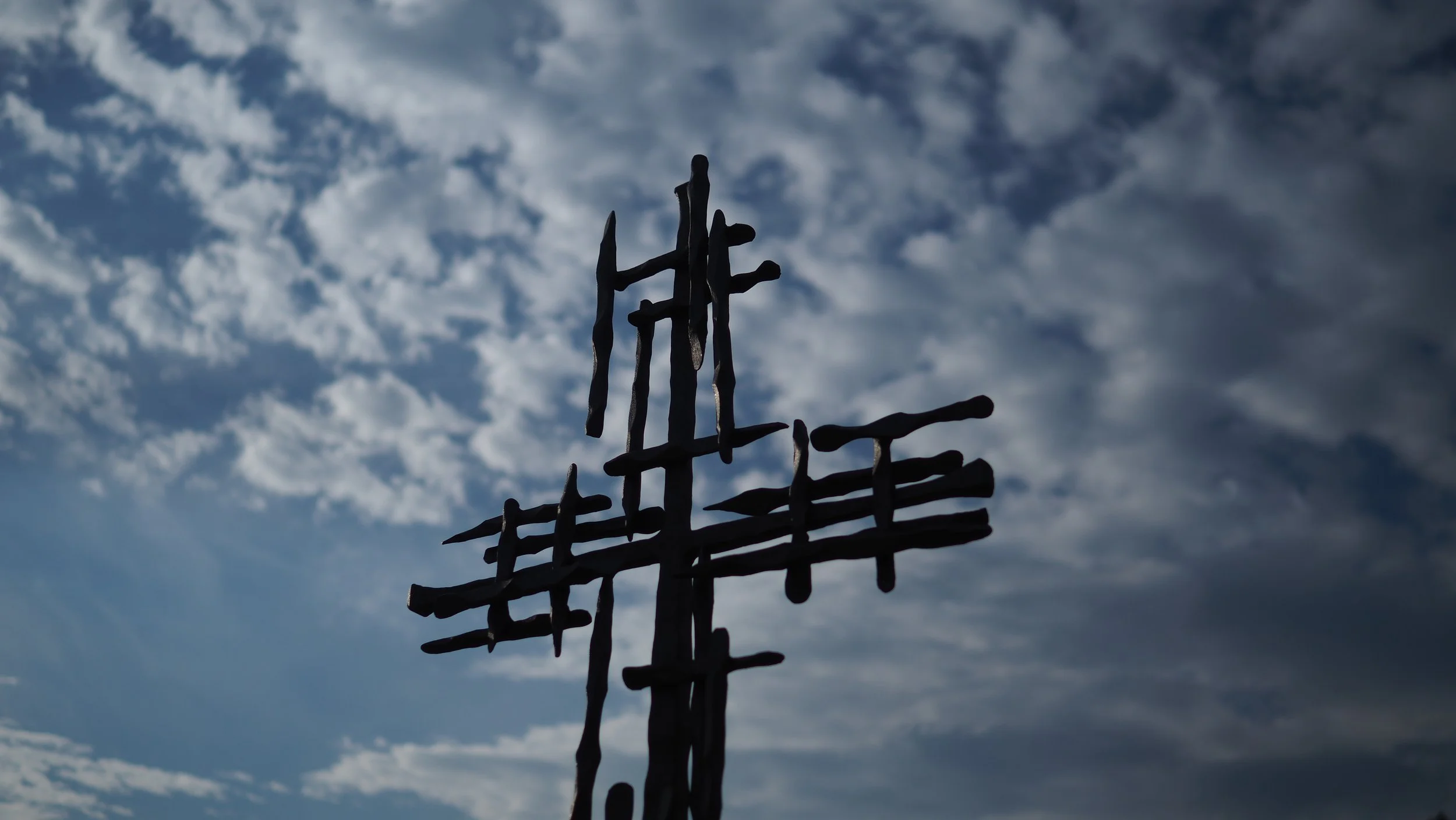
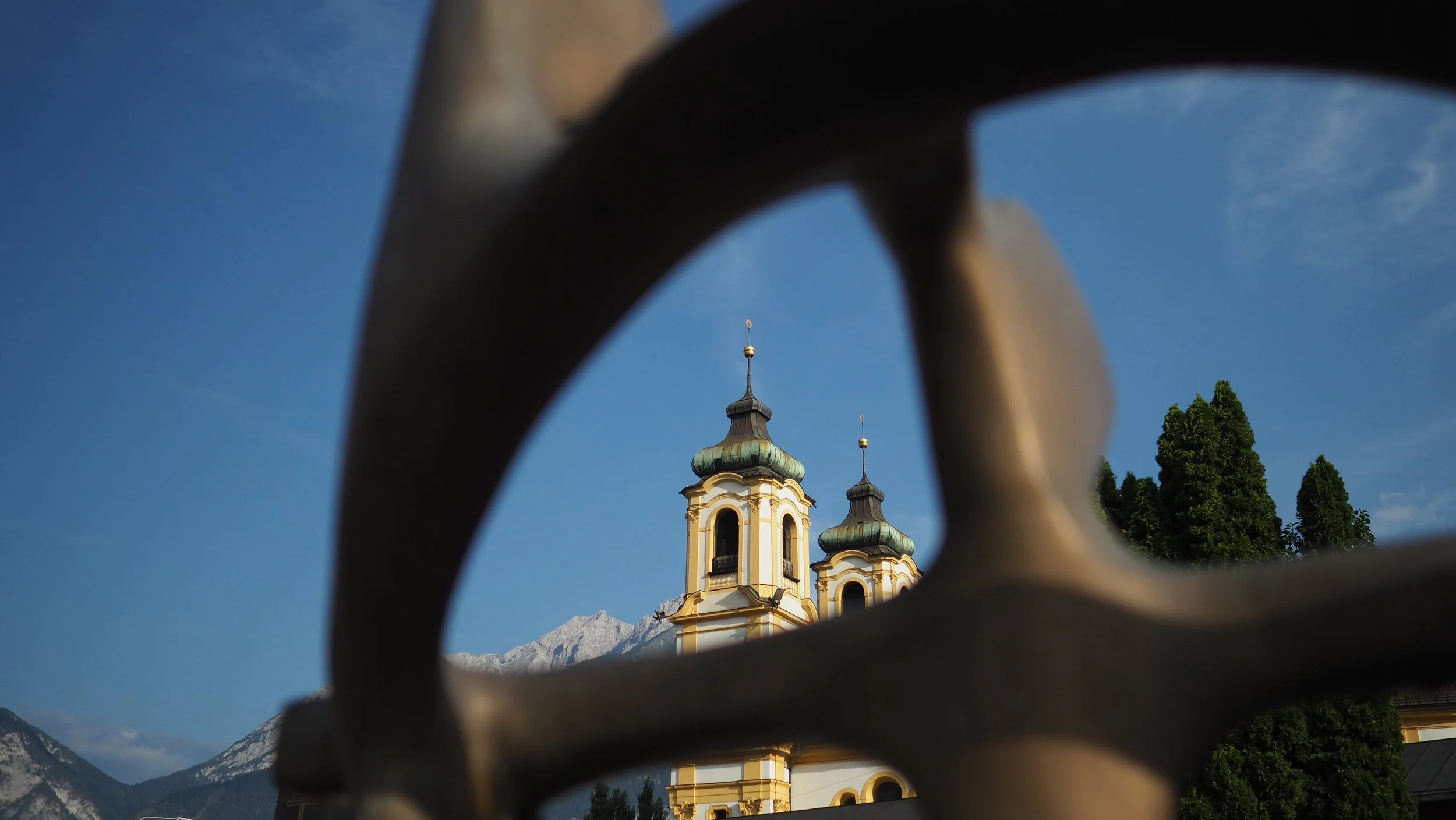
she is buried in innsbruck, far from the warmth of colombia, beneath the cold, wet tyrolean earth. her grave is shared with another person, a stranger in live and in death - one of those arrangements made when someone dies far from the people and places from where they came.
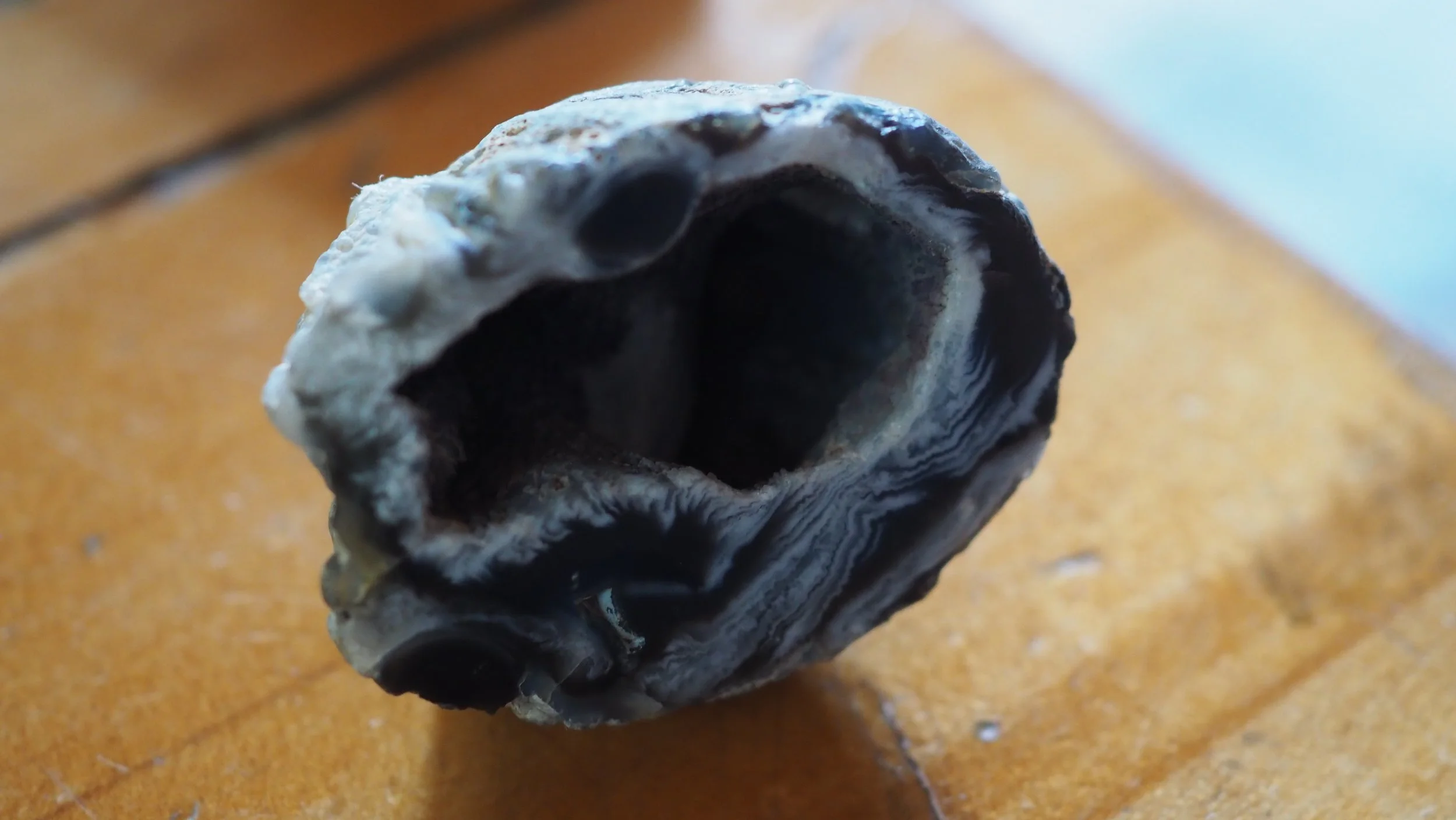
but somehow, the distance is not so great. the stones of tyrol and the clay of colombia belong to the same earth. it does not matter, in the end, whose name is written beside hers. beneath the ground there are no borders between one earth and another.
pilar spent her life giving form to that earth, teaching it to hold water. and for a little while, it held her too.
para la familia de pilar en español:
maría del pilar era una mujer menuda y hermosa, de cabello negro y corto, que portaba consigo el saber ancestral de sus antepasados colombianos. llegó a nuestra familia en la década de 1980, hacia el año 86.
con sus propias manos, moldeaba y alisaba la tierra húmeda para crear vasijas capaces de contener agua. adondequiera que fuera - desde colombia hasta italia y, finalmente, a los alpes austriacos, en el tirol -, llevaba consigo un poco de la tierra de su patria.
la arcilla es agua y polvo. se mezcla, se moldea, se le da forma y, durante un tiempo, se mantiene unida. al añadirle fuego, se transforma en algo más duradero, hasta que un día se rompe en añicos y vuelve a convertirse en polvo.
hace muchos años, en un taller austriaco, dos mujeres se sentaban frente a frente, traduciendo sus respectivos mundos. mi madre enseñaba alemán a pilar: un idioma de ángulos marcados y reglas precisas. pilar, a cambio, hablaba con mi madre en otro lenguaje: el lenguaje de la arcilla, redondo, suave y creativo; un lenguaje, más bien, del alma.
para mi madre, la amistad de pilar y la arcilla se convirtieron en algo más. sus manos se hundían en la tierra húmeda como si intentaran reconstruir o remodelar algo: una familia que a veces parecía desmoronarse, deshacerse y volver a convertirse en polvo. pilar le enseñó que al polvo se le puede añadir agua y darle forma de nuevo.
pero la arcilla tiene su precio. durante años, pilar respiró el fino polvo de sílice de su oficio. la tierra que moldeaba con sus manos se depositaba en sus células, hasta que el polvo comenzó, a su vez, a moldearla a ella.
en 1997, pilar murió cuando apenas tenía cuarenta y dos años.
está enterrada en innsbruck, lejos de la calidez de colombia, bajo la fría y húmeda tierra del tirol. comparte tumba con otra persona, una desconocida tanto en vida como en la muerte; uno de esos arreglos que se hacen cuando alguien fallece lejos de las personas y los lugares de donde provenía.
pero, de algún modo, la distancia no es tan grande. las piedras del tirol y la arcilla de colombia pertenecen a la misma tierra. al final, no importa qué nombre aparezca escrito junto al suyo. bajo tierra no existen fronteras entre una tierra y otra.
pilar pasó su vida dando forma a esa tierra, enseñándole a retener el agua. y, durante un tiempo, la tierra también la sostuvo a ella.